If you’re planning a Houston-area fishing charter, expect half-day trips to start near $400 for one or two anglers and full-day trips to commonly land around $600–$650 or more before tips, add-ons, and peak-season changes. Rates shift with trip length, boat size, target species, distance from the dock, fuel use, and the number of guests. You’ll get the best value when you compare what each captain includes, confirm license rules, and stay flexible with dates.
Quick Answer
A Houston fishing charter often starts around $400 for a 4-hour private trip for one or two anglers. Full-day private trips commonly start around $600–$650 and can climb much higher for offshore, specialty, or larger-group trips. Budget extra for tips, licenses when required, fish cleaning, refreshments, and premium add-ons.
Key Takeaways
- Trip length is the biggest price driver: half-day trips cost less, while full-day and offshore runs cost more because they use more fuel, time, bait, and crew support.
- Target species matters. Redfish, trout, flounder, snapper, shark, tuna, bass, crappie, catfish, and alligator gar trips can require different boats, tackle, seasons, and pricing.
- Most charters include basic rods, reels, tackle, bait, safety gear, fuel, and captain time, but you should confirm licenses, fish cleaning, food, drinks, and gratuity before booking.
- June and July often bring higher demand for Gulf Coast fishing trips, while weekdays and off-peak dates can give you better availability and possible discounts.
- Read deposit, cancellation, weather, and rescheduling policies before you pay so a storm, late arrival, or group change does not create surprise costs.
At a Glance
| Typical Trip Length | 4-hour half day, 6-hour extended half day, 8-hour full day, or specialty offshore trips |
| Best For | Families, beginners, visitors, experienced anglers, corporate groups, and anglers targeting specific Gulf Coast species |
| Typical Included Items | Captain, boat, fuel, basic rods and reels, tackle, bait, ice, safety gear, and local fishing guidance |
| Common Extra Costs | Tips, licenses when required, fish cleaning, parking, snacks, drinks, upgraded gear, extra guests, and processing fees |
Typical Charter Rates by Trip Length and Group Size
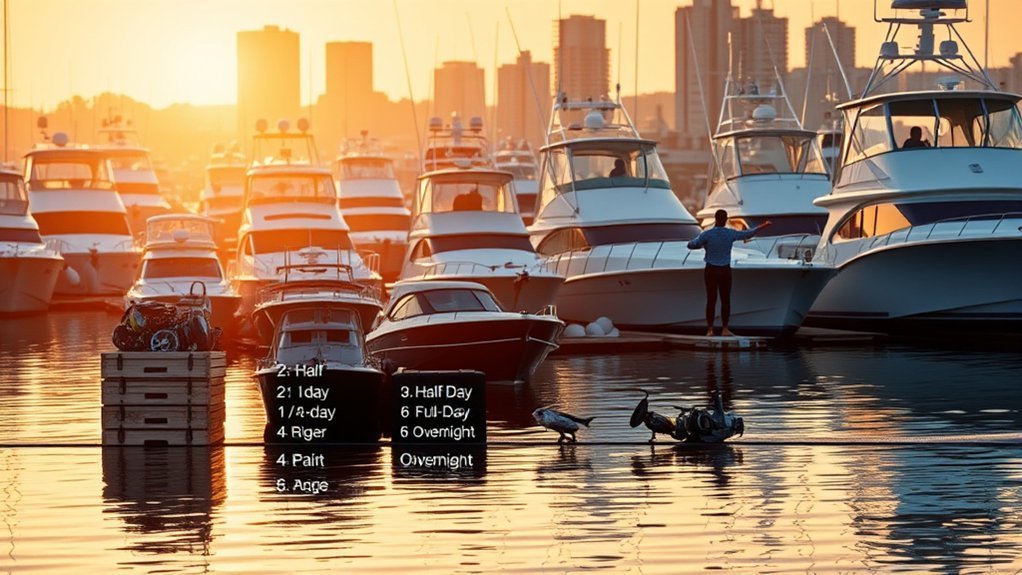
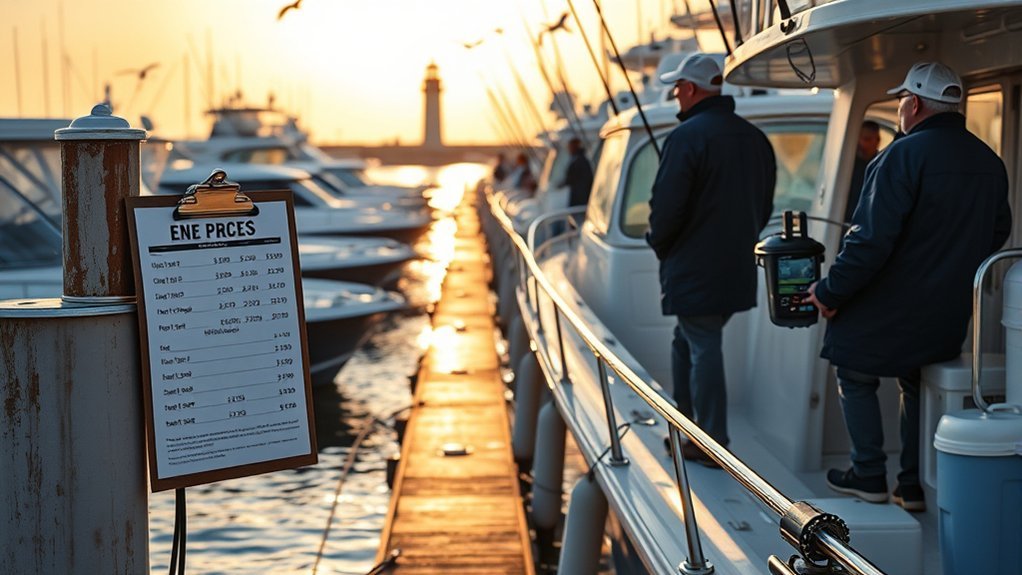
On a typical Houston fishing charter, you’ll pay more as the trip gets longer and your group grows. Half-day trips, usually about 4 hours, commonly start around $400 for 1–2 anglers, with about $75 added for each extra person on many private trips. Full-day outings, usually about 8 hours, often start around $600–$650 for the first two anglers and climb depending on the boat, route, season, and target species.
You’ll also see average advertised rates that look higher than the lowest starting price. A half-day trip may average closer to $595 once larger boats, stronger demand, prime launch times, and extra guests are included. Full-day excursions can average near $1,025 when offshore distance, more fuel, heavier gear, and longer captain time are part of the package.
Some charters list starting prices from about $375 to $575 or more. A lower starting price is not always a better deal if it excludes bait, fish cleaning, licenses, fuel surcharges, or extra anglers. A higher rate can be a better value when it includes better equipment, a more experienced captain, a cleaner boat, flexible rescheduling, and a better launch location.
Expect deposits, usually $200–$500, to lock your date. Before you book, compare inclusions: gear, fuel, ice, bait, licenses, fish cleaning, parking, and whether deep-sea, bay, freshwater, or specialty trips change the final price.
Expect deposits of $200–$500 to hold your date; confirm what’s included, including gear, fuel, ice, bait, licenses, and fish cleaning, before booking.
Choosing the right length and group size gives you more control over cost. Plan who’s coming, confirm per-person add-ons, and pick a charter that matches the kind of day you want on the water without surprise fees.
How Target Species Affects Pricing
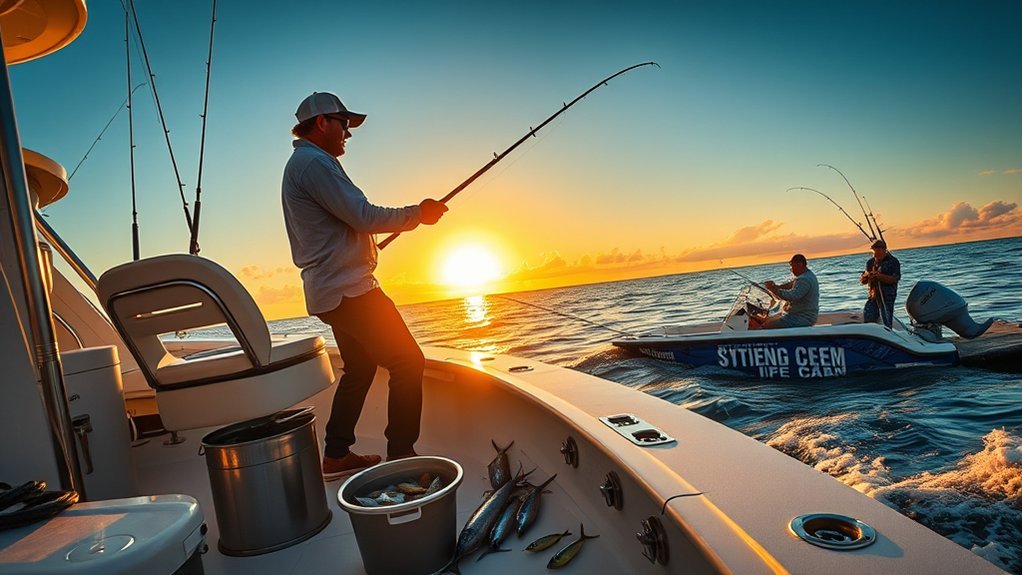
Because the fish you’re after change what the captain brings and how far the boat may need to run, target species directly affects charter costs. You’ll usually pay more when a species requires specialized rigs, live bait, heavier tackle, longer runs, advanced electronics, or a captain with highly specific local knowledge.
Deep-sea trips for snapper, tuna, kingfish, cobia, or sharks often cost more than short inshore trips because the boat burns more fuel and the crew needs stronger rods, bigger reels, heavier leaders, more ice, and a larger safety margin. Some offshore half-day trips may sit around $475–$575, while longer offshore trips can move well beyond that range.
Freshwater outings for largemouth bass, crappie, and catfish often start near $400 for a half day, but prices can rise for peak-season trips, trophy-focused trips, longer travel time, or niche methods. A simple bass trip on a nearby lake usually costs less than a specialized trip built around trophy catfish, alligator gar, or night fishing.
Seasonality matters too. Crappie often draw interest in spring and fall. Trophy catfish trips can be popular in colder months. Redfish, trout, flounder, snapper, and shark trips may see stronger demand when conditions and seasons line up. Captains may adjust pricing when demand, fuel costs, bait supply, and availability change.
Unique methods like bowfishing for alligator gar can command premium rates. These trips may require specialized lights, platforms, bows, arrows, generators, night operations, and extra preparation. Some guided specialty packages can reach into the thousands for small groups, so confirm the total boat price rather than assuming it follows normal half-day pricing.
Boat size and angler count also shift costs. Many private charters cap trips at around six people, and some add about $75 for each extra angler after the first one or two guests. When you book Houston fishing charters, pick the species that fits your budget, skill level, season, and comfort on the water.
Note: Ask whether the quoted rate is a private boat price or a per-person shared-trip price. Those two pricing models can look similar online but lead to very different final totals.
What’s Included in Charter Fees
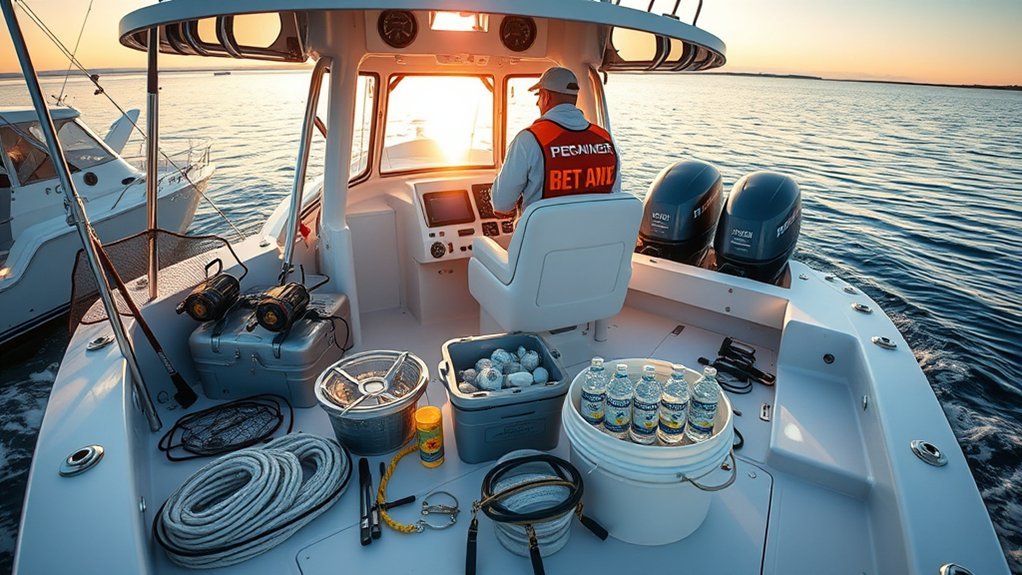
When you book a charter, the base fee usually covers the boat, captain, basic fishing gear, standard tackle, safety gear, and the crew’s time. That means you don’t have to bring rods, reels, terminal tackle, a landing net, or a cooler full of bait unless the captain tells you otherwise.
The fee also pays for fuel and local knowledge. The captain handles navigation, safety decisions, productive spots, weather judgment, and fish-finding strategy while you focus on fishing.
Licenses and bait may be included, arranged, or left to you depending on the operator and the type of trip. Some charters include everything for convenience, while others expect every angler to buy the right license before arrival. Always confirm this detail before you pay your deposit.
[Amazon Products Picked for You]

【FONMANG Essential Fishing Tackle Kit】This 2025 new fishing tackle is designed by professional anglers for beginners. With 126 pieces of fishing gear, including 17 types of fishing lures and 13 kinds of accessories to assemble eight rigs like Texas, jig head, Carolina, and drop shot.

【Essential Fishing Tackle Kit】- PLUSINNO's high-quality bait provides beginners with a variety of options, capable of catching nearly any type of fish, from bass to trout. This versatile starter tackle box with tackle include Texas, Carolina, Florida, Split Shot, No Sinker, Jig Head, and Wacky rigs, totaling 7 types of lure rigs. It's the latest fishing gear for 2024, Whether you're targeting bass or other freshwater fish, this 137-piece baits set in a convenient box has everything you need.
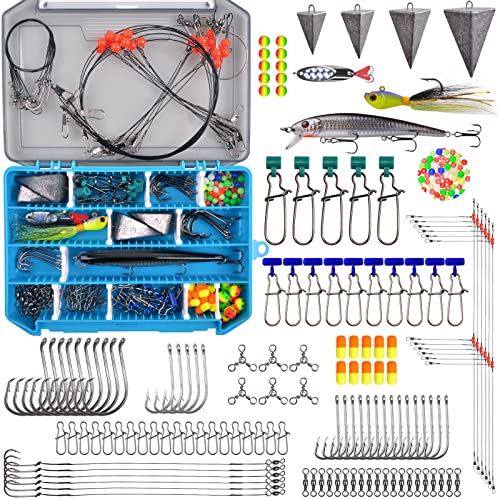
【Surf Fishing Kit】Includes almost everything you need for saltwater fishing, from fishing lures to terminal tackle like fishing weights, fishing hooks swivels and beads etc.
Gear and Tackle
Although you don’t have to bring your own gear, most charters outfit you with everything needed: rods, reels, tackle boxes, bait, hooks, leaders, sinkers, lures, nets, and safety equipment. This setup lets you show up with simple personal items and still fish with gear matched to the local water.
Lake Fishing Charters and bay captains tailor rods and reels to the species you’re targeting, so you’re not guessing which setup to use. Tackle boxes may include jigs, soft plastics, popping corks, circle hooks, swivels, weights, cut bait rigs, or live-bait gear, depending on the trip.
Some outfits include specialized gear for techniques like bowfishing, shark fishing, deep dropping, trolling, or artificial-lure trips. Others charge more when the method requires premium tackle, special electronics, extra bait, or a second crew member.
Safety items such as life jackets, first-aid kits, fire extinguishers, navigation lights, and communication gear should be standard. Because basic gear is usually included in the fee, you avoid extra costs and transport hassles. You can learn, cast, and enjoy the day with less stress.
Fuel and Crew
If you want a worry-free day on the water, most charter fees already cover fuel and a professional crew. You don’t have to handle logistics, navigation, launch planning, route choices, anchoring, or safety calls.
When fuel is included, you should not get surprised by a separate gas charge after a normal trip. However, long offshore runs, custom routes, or fuel-price surcharges can change that. Ask whether the quoted price includes fuel for the planned route and whether any surcharge can apply.
The crew is not just there to drive. They guide you to productive spots, handle gear, bait hooks when needed, explain techniques, watch changing weather, manage boat position, and help land fish. Good crew support can make the difference between a frustrating trip and a smooth one.
Most charters also provide fishing equipment and safety gear at no extra cost, letting you travel light. Offerings vary, though, so confirm with your specific charter what’s included up front to avoid misunderstandings.
Licenses and Bait
Curious what’s actually covered when you book a charter? You’ll usually get rods, reels, tackle, safety gear, and bait included, so you can show up ready and avoid gear worries.
Charters in Houston often handle trip logistics and explain license requirements for anglers 17 and older. Some operators may include the required license coverage for certain trips, while others expect each angler to buy a license before boarding. Because rules can vary by water type, residency, age, and trip format, confirm this directly before your departure date.
Expect to put down a deposit. Half-day trips commonly require $200–$250, while longer or specialty trips may require more. That deposit helps secure the captain, boat, fuel planning, bait preparation, and the date on the calendar.
The type of fishing and target species can change price, and optional add-ons like upgraded tackle, live bait, snacks, drinks, fish cleaning, or extra time may cost more.
This setup lets you focus on the water, the fishing, and the experience instead of scrambling for last-minute gear.
Seasonal Price Fluctuations and Peak Months
You’ll notice prices climb during peak months like June and July when demand for trout, flounder, redfish, shark, and summer offshore trips increases. Families travel more, school schedules open up, and fair-weather anglers compete for weekend morning departures.
Specialized deep-sea outings can get pricier when target species are abundant, fuel use is higher, and available dates are limited.
Conversely, you can often find off-peak discounts in slower spring, fall, or winter windows, especially for weekday departures, freshwater trips, short inshore trips, or dates that a captain wants to fill.
Be prepared for weather-driven schedule changes that can affect availability and final cost. Check cancellation, rescheduling, late-arrival, and unsafe-weather policies before you book.
Peak-Season Demand Spikes
When summer rolls in and fishing activity peaks, expect half-day charter rates in Houston to climb, sometimes toward about $595 or more for popular private trips. Plan and book early if you want a specific captain, weekend, launch time, or target species.
You’ll feel the demand surge in June and July, driven by anglers targeting trout, redfish, flounder, snapper, shark, and other warm-weather species. If you wait until the last minute, your choices may narrow to less convenient times, less preferred boats, or higher-priced openings.
- Recognize peak months: June and July can drive higher prices and limited openings.
- Book early: secure preferred times and avoid inflated last-minute rates.
- Target species matter: summer availability for trout, redfish, flounder, shark, and offshore species affects demand.
- Trade-offs: higher cost can bring better weather windows and active fishing, while winter often offers quieter trips and more flexible calendars.
Use Fishing Charters strategically. Plan around demand spikes, ask about weekday savings, and choose the trip that gives your group the best balance of price, comfort, and fishing opportunity.
Off-Peak Discounts Available
Although summer often brings the highest rates, you can save by booking off-peak trips. Late summer, early fall, winter weekdays, and other quieter months may come with discounts or special packages that cut half-day and full-day prices below the busiest-season range.
When you choose off-peak dates, fishing charters may lower prices to fill calendars. You may find off-peak discounts as weekday specials, multi-trip bundles, reduced rates on less-booked boats, or savings for repeat customers.
You’ll have more room to shop around, ask captains about unpublished deals, and negotiate add-ons like fish cleaning, bait upgrades, or extra time. Keep the tone friendly and specific. Captains are more likely to help when you know your group size, date range, and target species.
Book early for peak months, but if your schedule is flexible, embrace off-peak timing to stretch your budget and enjoy less crowded water.
Weather-Driven Schedule Changes
Because weather and seasonal demand drive both schedules and prices, you should expect fluctuations in charter availability and rates throughout the year.
You may see half-day fishing trips average about $595 and full days near $1,025 in Houston, but those numbers can rise in peak months. June and July bring higher demand for trout, redfish, flounder, sharks, and warm-weather Gulf trips, so book early to lock in better dates and avoid sold-out weekends.
Spring and fall can favor crappie and catfish trips, while winter may open opportunities for trophy catfish or quieter inshore days. Weather can force last-minute changes, especially for offshore trips where wind, waves, storms, and visibility matter more.
- Book peak-month fishing trips early to avoid price spikes and sold-out dates.
- Choose off-peak seasons for lower demand and potential discounts.
- Review cancellation and reschedule terms before paying.
- Keep flexible dates so you can adapt to weather-driven changes.
Warning: Do not pressure a captain to run in unsafe weather. A good charter may reschedule or cancel when wind, lightning, rough seas, or visibility make the trip unsafe.
Extra Costs to Expect (Gear, Licenses, Tips)
If you want to avoid surprises, check ahead for extra charges like specialized gear, licenses, tips, parking, fish cleaning, refreshments, fuel surcharges, and processing fees before you book your trip.
Charters often include basic gear and bait, but ask if upgraded rods, premium electronics, specialty tackle, live bait, chum, bowfishing gear, or offshore rigs carry additional fees. This helps you choose value instead of facing last-minute add-ons.
Charters usually cover basic gear and bait. Confirm whether premium rods, electronics, specialty tackle, live bait, or fish cleaning carry extra fees before booking.
You may need a fishing license if you’re 17 or older. Prices vary by type, residency, saltwater or freshwater use, and duration, so buy the one that fits your plans. Ask your captain whether the trip requires you to purchase your own license or whether the operator covers it under the trip arrangement.
Tipping guides is customary. Plan for 15–20% of the trip cost to reward good service, especially when the crew works hard, teaches beginners, handles bait, cleans gear, helps kids, or stays patient through tough conditions.
Some captains offer refreshments or catering for about $50–$100 per boat. Decide if convenience is worth it, or ask if you can bring your own snacks, water, and non-glass drink containers.
Finally, if you’ll keep fish, confirm cleaning, packing, or processing fees ahead of time so your catch doesn’t come with unexpected costs.
Pro Tip: Ask for the “all-in price” for your exact group size, date, trip length, and target species. That single question exposes most hidden costs before you pay a deposit.
[Amazon Products Picked for You]

FISHING LICENSE HOLDER W/ZIP CLOSURE

Fishing & Hunting License Holder: The clear front window allows quickly check your fishing or hunting license without having to remove it, saving time during inspections. The side zippered pocket provides easy access to your permits and helps prevent them from getting lost.

Package length: 0.508 cm
Choosing Between Inshore, Bay, and Offshore Trips
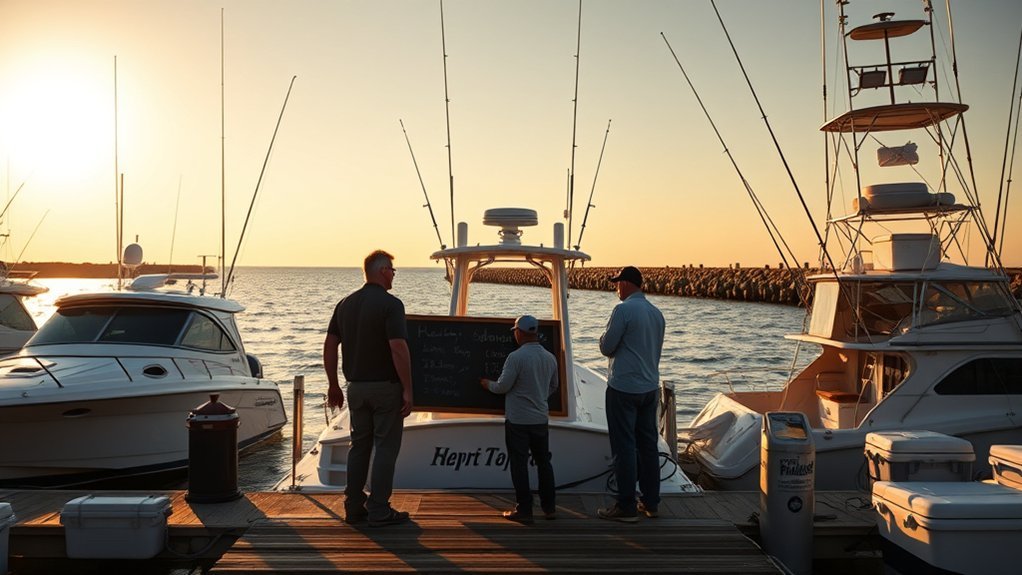
Knowing the extras upfront helps you pick the right type of trip for your budget and skill level. You’ll feel more confident when you match your goals to the trip: relaxed learning with family, steady action in protected water, or a longer offshore run for bigger fish.
Fishing Charters follow clear price and season patterns. Half-day inshore or bay trips often start near $375, while offshore runs usually start closer to $500–$575 and can move higher with distance, fuel, and species. Seasons matter too. Spring and fall can favor inshore and bay species, while summer often brings stronger offshore demand.
- Inshore — Calm, beginner-friendly, and often lower cost. These trips may target redfish, speckled trout, flounder, sheepshead, and other shallow-water species.
- Bay — Slightly deeper and more varied. Bay trips can mix inshore species with snapper, mackerel, drum, and other seasonal fish, depending on location and conditions.
- Offshore — Better for experienced anglers or groups that want a bigger adventure. These trips may target kingfish, tuna, snapper, cobia, mahi, sharks, and other Gulf species.
- Timing and goals — Pick the season, species, trip length, and comfort level that match your group instead of choosing by price alone.
Families with young kids usually do better with a shorter inshore or bay trip. Beginners often learn faster on calmer water. Experienced anglers may prefer offshore trips because the fish can be larger, the gear heavier, and the day more physically demanding.
[Amazon Products Picked for You]

PENN WARFARE LEVEL WIND 6’6” FISHING ROD AND REEL CONVENTIONAL COMBO: A versatile all-rounder made for winning battles with crappie, bass, catfish, and more. Level wind system keeps lines tidy and ready for battle.

🎣 Warm Prompt: Full Kit with Carrier Case Include 1 Fishing Rod + 1 Fishing Reel + Fishing Line + Various Fishing Lures + Fishing Hooks + Some Necessary Accessories + Carrier Bag.

PENN 6'6" SQUALL II LEVEL WIND COMBO: Paired with a 1-piece, Tubular Fiberglass rod, the Squall II Level Wind Combo has been updated with the Fast Gear Access Side Plate for easy reel greasing.
How to Score Discounts and Last-Minute Deals
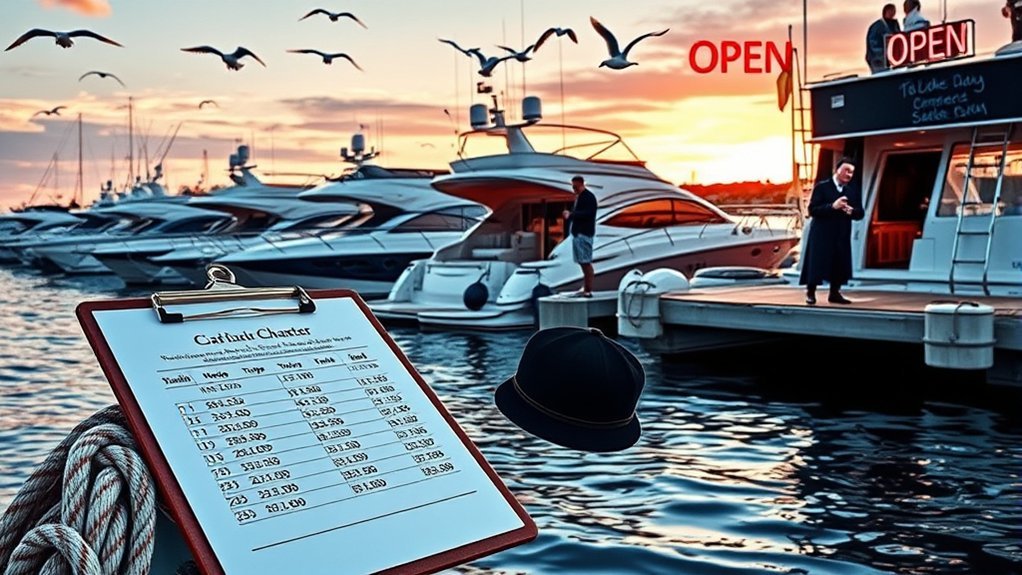
When you’re flexible about timing and proactive about where you look, you can often score real savings on charters. Off-peak seasons like late fall and winter tend to bring lower rates, and many operators post last-minute deals to fill open spots. You’ll save by checking websites, calling directly for last-minute slots, signing up for newsletters, and following local Fishing and Charters accounts on social media for promo codes.
Travel light, invite friends to split the boat cost, and ask about veteran, senior, first-responder, local, repeat-customer, weekday, or multi-trip discounts. Be ready to move fast when a deal appears because open dates can disappear quickly.
| What to check | Who benefits | Action to take |
|---|---|---|
| Last-minute slots | Solo anglers | Call immediately |
| Newsletters | Return customers | Subscribe |
| Group rates | Friends/family | Coordinate booking |
| Special discounts | Veterans/seniors | Ask when booking |
These tactics help you avoid overpaying and make charter fishing more accessible. Just make sure a discount does not remove important value. A cheap trip that excludes bait, licenses, fuel, safety gear, or fish cleaning can cost more than it first appears.
Booking Policies, Deposits, and Cancellation Rules
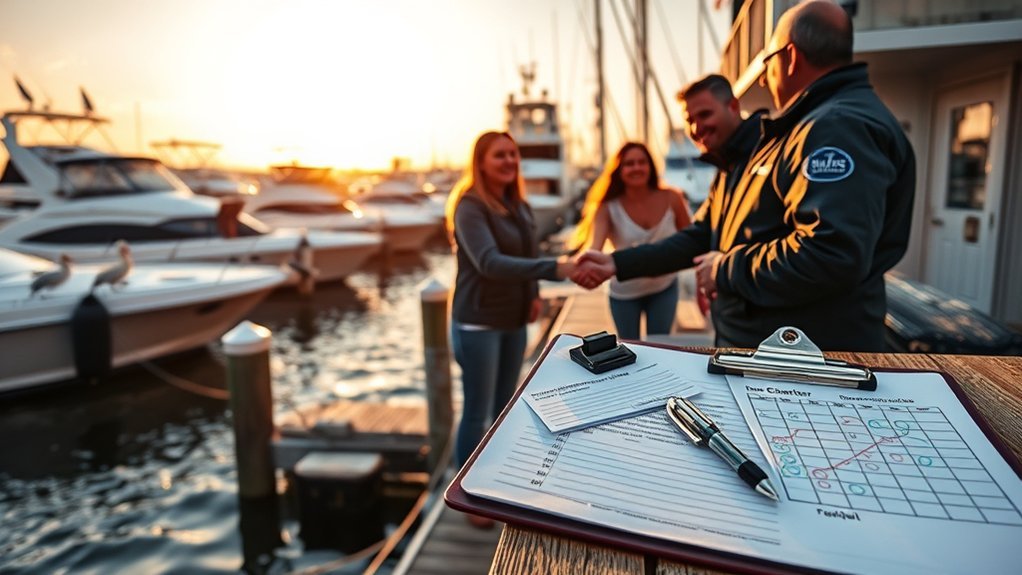
Although policies vary by operator, you’ll usually lock in a date with a deposit, commonly $200–$400. Half-day trips for 1–2 anglers often start near $400, with about $75 for each additional person on many private charters.
You’ll want to read each charter’s booking rules so you stay in control. Deposits secure your date, full payment may be required for corporate or specialty trips, and deposit amounts can rise for full-day outings, often $400–$500 depending on species, distance, and boat type.
- Confirm the deposit amount, due date, payment method, and whether it is refundable.
- Check full-payment requirements for corporate trips, specialty trips, or minimum-price bookings.
- Understand weather, safety, illness, late-arrival, no-show, and rescheduling policies before you book.
- Ask what gear, bait, fuel, licenses, and safety equipment the deposit or final fee covers.
When you know deposit and cancellation terms up front, you’ll book confidently, avoid surprises, and protect the flexible spirit that makes charter fishing worthwhile.
Note: Save screenshots or written confirmations of the trip length, launch time, meeting location, included items, cancellation terms, and final balance. Clear records help prevent confusion on trip day.
Frequently Asked Questions
What is the average price of a fishing charter?
You’ll typically pay about $400–$1,025 depending on the charter type, trip length, boat size, route, season, and target species. Half-day trips may average around $595 when popular boats and extra guests are included, while full-day trips may average around $1,025 for longer or more fuel-heavy outings.
How much do you tip for a 4-hour fishing charter?
A common tip is 15–20% of the trip cost. For a $595, 4-hour charter, that works out to about $89–$119. You can tip more for exceptional service, patient instruction, strong effort in tough conditions, help with kids, or extra fish-cleaning support.
Why do fishing charters cost so much?
You pay for captain expertise, fuel, boat maintenance, bait, rods, reels, tackle, permits, insurance, electronics, safety gear, cleaning supplies, dock time, and seasonal demand. A good charter also gives you local knowledge, safer navigation, better equipment, and a more efficient fishing day.
How much does the average fishing charter make?
Some small charter businesses may gross around $60,000 annually, while others make much more or much less. Actual income depends on season length, bookings, trip prices, fuel costs, insurance, maintenance, dock fees, marketing, reputation, weather cancellations, and whether the captain runs part time or full time.
Is a private charter cheaper than a shared charter?
A shared charter can be cheaper for one or two anglers because you pay per seat. A private charter can be a better value for families or groups because you split the boat price and control the schedule, target species, pace, and comfort level.
What should I ask before booking a Houston fishing charter?
Ask for the final price for your exact group size, what is included, whether licenses are covered, how tips work, what happens during bad weather, whether fish cleaning costs extra, where to meet, what to bring, and whether the captain recommends inshore, bay, offshore, or freshwater fishing for your date.
Conclusion
Think of booking a charter like planning around a tide chart: timing, target species, boat type, and crew size all steer the final cost. You’ll often pay roughly $400 for a basic half-day trip and $600–$650 or more for a full day, with higher rates for offshore, specialty, peak-season, and larger-group trips.
Budget extra for licenses when required, tips, fish cleaning, refreshments, parking, premium gear, and extra guests. Stay flexible, hunt off-peak discounts, and read cancellation rules so your plans do not sink with a storm. With smart choices, you’ll land the best value and enjoy a smoother day on the water.
Sources
- Texas Parks & Wildlife Department fishing licenses — supports license planning for Texas fishing trips.
- Texas Parks & Wildlife Department general fishing rules — supports the need to confirm legal requirements before keeping fish.
- National Weather Service thunderstorm safety — supports weather-related safety and rescheduling cautions.
- U.S. Coast Guard recreational boating safety — supports the importance of safety gear and safe boating practices on charter trips.