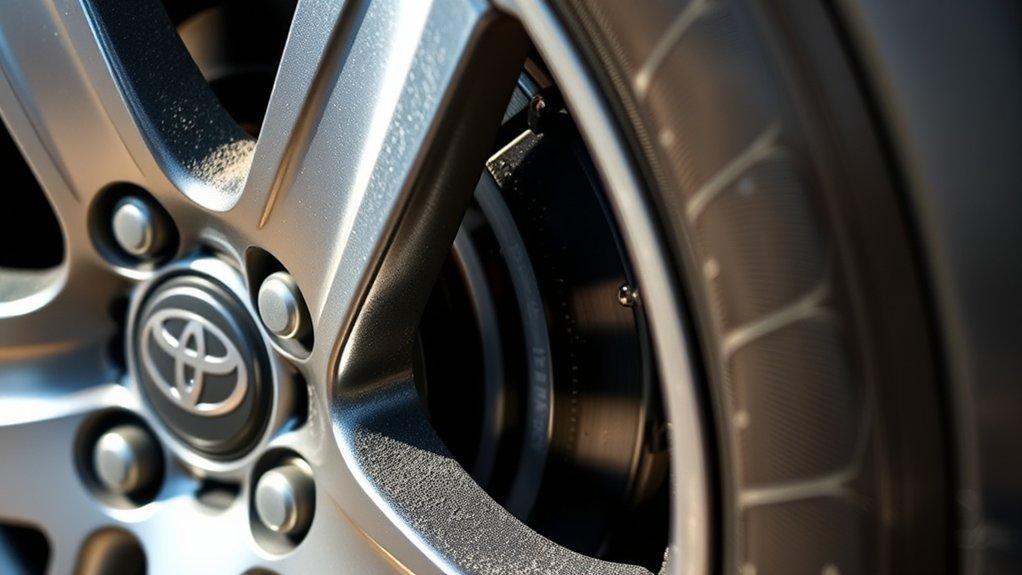
Toyota RAV4 brake pads do not have one fixed replacement mileage. Many drivers begin planning for brake service somewhere around 30,000 to 70,000 miles, but traffic, hills, towing, corrosion, pad material, and driving style can move the actual replacement point well outside that range. Pad thickness and braking condition matter more than the odometer alone.
Quick Answer
Toyota RAV4 brake pads often last tens of thousands of miles, with 30,000 to 70,000 miles serving only as a broad planning range. Replace them based on measured friction material, uneven wear, braking symptoms, and the specifications for your exact model year rather than mileage alone.
Key Takeaways
- A 30,000-to-70,000-mile estimate is a planning range, not a Toyota replacement schedule.
- Stop-and-go traffic, steep roads, towing, heavy loads, and aggressive braking can shorten pad life.
- Persistent squealing, grinding, pulling, overheating, or changed pedal feel requires inspection.
- Rotors do not always need replacement, but they must meet the correct thickness and condition specifications.
- Follow the Warranty and Maintenance Guide for your RAV4 model year and inspect the brakes whenever symptoms appear.
Last updated: July 13, 2026
What Are Toyota RAV4 Brake Pads and Why Are They Important?

Brake pads are friction components inside your Toyota RAV4’s disc-brake system. When you press the brake pedal, the caliper presses the pads against the rotor. The resulting friction converts the vehicle’s motion into heat and slows the wheels.
Brake pads use carefully selected friction compounds. Common categories include ceramic, semi-metallic, and organic formulations. Each design can differ in pedal feel, noise, dust, heat tolerance, wear rate, and compatibility with the vehicle’s braking system.
The pads gradually become thinner during normal use. A technician should measure the remaining friction material and compare it with Toyota’s service specification for your exact model year and brake configuration. A visual estimate alone cannot confirm whether a pad is still serviceable.
Mileage helps you plan for brake service, but measured pad thickness, even wear, rotor condition, and braking performance determine when service is actually needed.
Allowing the friction material to wear away can expose the pad’s metal backing plate. Metal-to-metal contact can increase stopping distance, create grinding noise, overheat the brakes, and damage the rotors.
How Long Do Toyota RAV4 Brake Pads Typically Last?
Toyota does not provide one universal mileage at which every RAV4 must receive new brake pads. A broad range of roughly 30,000 to 70,000 miles can help with maintenance planning, but some pads wear sooner and others last much longer.
Bridgestone’s brake-maintenance guidance explains that frequent urban braking can produce much faster wear than light-traffic highway driving. Your actual results also depend on the vehicle, pad compound, road conditions, climate, and braking habits.
| Driving Condition | Likely Effect on Pad Wear |
|---|---|
| Stop-and-go city traffic | More frequent braking usually shortens pad life. |
| Open-road or highway driving | Fewer braking events may allow pads to last longer. |
| Hills, towing, or heavy cargo | Higher braking loads and heat can accelerate wear. |
| Aggressive or late braking | Greater heat and friction can shorten service life. |
| Long periods with little use | Pad wear may be low, but rotor corrosion or sticking components can still cause problems. |
Front Versus Rear Brake-Pad Wear
The front and rear pads do not always wear at the same rate. During braking, weight transfers toward the front of the vehicle, so front brakes often perform more work. Electronic brake distribution, stability control, driving conditions, and the vehicle’s brake design can change that pattern.
Inner and outer pads on one wheel should also be compared. A much thinner inner pad can point to a sticking caliper piston, seized slide pin, damaged hardware, or another mechanical problem. Installing new pads without correcting the cause can produce rapid repeat wear.
RAV4 Hybrid and Plug-In Hybrid Brake Wear
RAV4 Hybrid and plug-in hybrid models use regenerative braking during many deceleration events. This can reduce how often the friction brakes perform all the work, especially during gentle slowing.
Lower friction-brake use does not eliminate maintenance. Moisture, road salt, corrosion, sticking hardware, and limited pad movement can still affect the system. Hybrid owners should continue following their model-year inspection schedule even when the pads appear to be wearing slowly.
Signs That Indicate Your Toyota RAV4 Brake Pads Are Worn Out
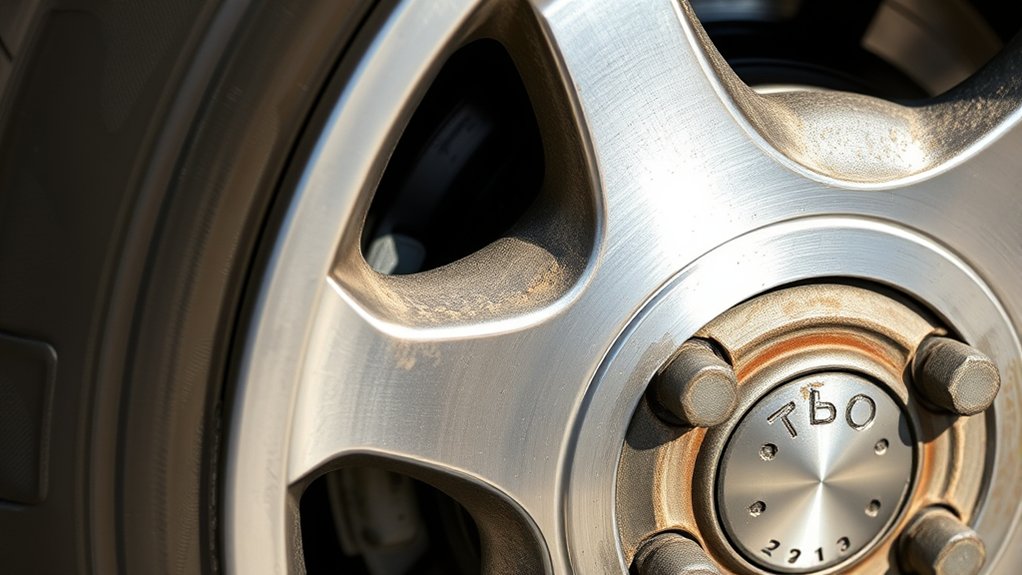
Brake symptoms do not always identify one specific failed part, but they should not be ignored. Arrange an inspection when you notice any of the following:
- Persistent squealing or screeching: Some pads use a metal wear indicator that makes noise as the friction material becomes thin.
- Grinding or growling: This can indicate metal-to-metal contact and possible rotor damage.
- Longer stopping distance: Reduced braking performance may involve pads, rotors, fluid, tires, or another brake-system fault.
- Pedal or steering-wheel vibration: Possible causes include rotor thickness variation, deposits, heat damage, loose parts, wheel problems, or suspension faults.
- Pulling while braking: A sticking caliper, uneven pad wear, tire issue, hydraulic problem, or suspension fault may be involved.
- A soft, sinking, or unusually firm pedal: This requires prompt diagnosis and should not be treated as normal pad wear.
- A hot or acrid smell: The brakes may be overheating because of heavy use, a dragging caliper, or another fault.
- A brake-system or ABS warning: Identify the exact symbol in your RAV4 owner’s manual and follow its instructions.
Warning: Avoid driving if you hear continuous grinding, see smoke, smell severely overheated brakes, feel a soft or sinking pedal, see a red brake warning, or notice a major loss of braking ability. Stop in a safe place and arrange professional inspection or towing.
When Squealing May Not Mean Worn Pads
A brief squeal after rain, washing, or an overnight temperature change may come from surface moisture or light rotor rust. The noise may disappear after a few normal brake applications.
Persistent, worsening, or recurring noise still deserves inspection. Not every brake pad includes an acoustic wear indicator, so silence does not prove that the pads are in good condition.
Consequences of Ignoring Worn Brake Pads
Continuing to use severely worn pads can reduce braking consistency and increase stopping distance. Once the friction material is gone, the backing plate may grind directly against the rotor.
Metal-to-metal contact can score or overheat the rotor and increase the repair scope. Heat may also damage hardware, caliper seals, and nearby components. The vehicle may begin pulling, vibrating, or producing an unstable pedal response.
Ignoring uneven wear can be equally costly. A seized slide pin or dragging caliper can destroy a new set of pads if the underlying fault is not corrected.
Addressing brake symptoms early gives the technician a better chance of reusing serviceable rotors and identifying a small mechanical problem before it affects several parts.
Can You Replace Brake Pads Without Changing Rotors?
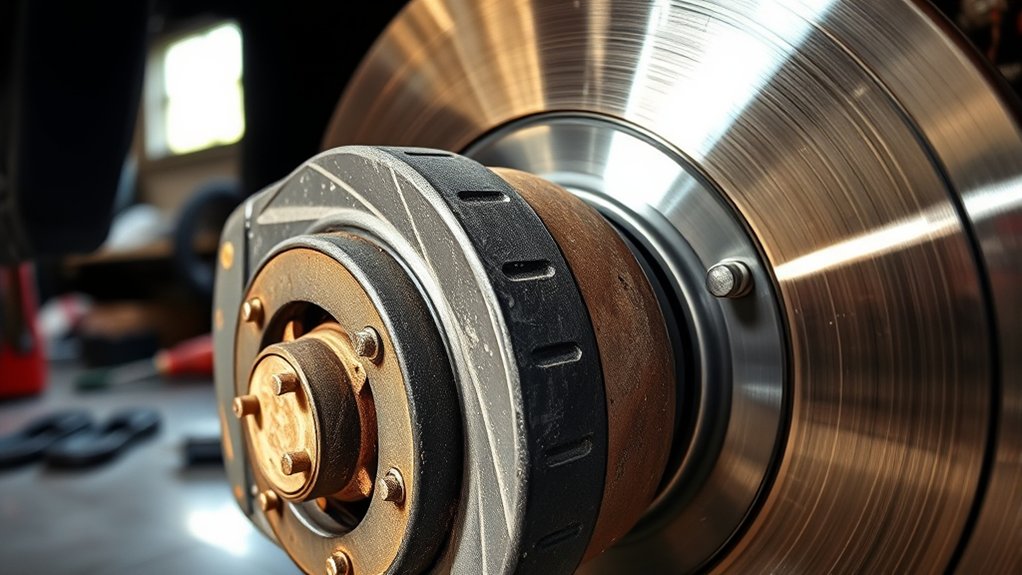
Yes, a Toyota RAV4 can sometimes receive new brake pads without new rotors. Rotor replacement is not automatically required during every pad service.
Before reusing a rotor, the technician should check:
- Rotor thickness against the minimum specification
- Thickness variation at several measurement points
- Lateral runout where applicable
- Deep scoring, cracks, blue heat spots, or severe rust
- Surface condition and compatibility with the replacement pads
- Whether the rotor can remain above its service limit after any permitted resurfacing
A rotor that is too thin, cracked, badly scored, heat-damaged, or outside its runout specification should not be reused. New pads installed against a damaged surface may wear unevenly, vibrate, or perform poorly.
Note: Rotor appearance alone is not enough. The correct decision requires measurements and the service specifications for the exact RAV4 model year.
How to Extend the Lifespan of Your Toyota RAV4 Brake Pads
You cannot prevent normal brake-pad wear, but you can avoid unnecessary heat and friction. The most useful habits are leaving enough following distance, anticipating stops, avoiding brake-pedal riding, and correcting mechanical problems early.
Maintain Proper Tire Pressure
Maintain the cold tire pressure listed on your RAV4’s driver-door placard. Correct pressure supports predictable handling, tire contact, and vehicle stability.
Tire pressure is not a direct brake-pad replacement control, but underinflated, damaged, or mismatched tires can affect vehicle behavior and make safe stopping less predictable. Check the tires regularly and correct any pressure loss or uneven wear.
Practice Smooth Driving Habits
Smooth driving reduces unnecessary brake heat. Look well ahead, ease off the accelerator early, and leave enough space to slow progressively instead of making repeated hard stops.
- Do not rest your left foot on the brake pedal.
- Avoid racing toward red lights or stopped traffic.
- Use an appropriate lower gear on long descents when the owner’s manual permits it.
- Reduce unnecessary cargo rather than carrying heavy items continuously.
- Allow overheated brakes to cool instead of repeatedly applying them hard.
Firestone’s brake-pad guidance also identifies hard braking, brake-pedal riding, excess weight, and frequent city driving as factors that can increase wear.
Pro Tip: When traffic allows, begin slowing by easing off the accelerator before applying the brakes. The goal is controlled deceleration, not coasting so far that you disrupt traffic or compromise safety.
Schedule Regular Brake Inspections
Have the brake system inspected during routine service visits and at the intervals listed in the Warranty and Maintenance Guide for your model year. Toyota provides vehicle-specific manuals through its Manuals and Warranties portal.
Ask for an earlier inspection when you drive in severe conditions, including frequent stop-and-go traffic, steep terrain, towing, heavy loads, road salt, mud, or prolonged wet weather. Symptoms always take priority over the next scheduled visit.
A useful brake inspection should include:
- Remaining inner and outer pad thickness at each wheel
- Uneven wear between the left and right sides
- Rotor thickness, surface condition, and runout when needed
- Caliper movement, slide pins, boots, clips, and hardware
- Brake hoses, lines, leaks, and fluid condition
- Parking-brake operation where applicable
- A road test when the vehicle can be driven safely
How Much Should You Budget for Brake Pad Replacement?
Brake-service prices vary too much by location, model year, axle, pad type, labor rate, and rotor condition for one fixed estimate to remain reliable. A quote for pads on one axle is not comparable with a quote that includes four rotors, caliper work, hardware, fluid service, and taxes.
Ask each shop for a written estimate showing the following items:
| Estimate Item | What to Confirm |
|---|---|
| Axle being serviced | Front, rear, or both |
| Brake pads | Brand, formulation, part number, and warranty |
| Rotors | Reuse, resurface, or replace, with the reason stated |
| Hardware | Clips, shims, boots, and other required pieces |
| Caliper work | Cleaning, lubrication, repair, or replacement |
| Labor and fees | Labor hours, shop supplies, disposal, taxes, and diagnostic fees |
| Warranty | Coverage for parts, labor, noise, and workmanship |
Compare the scope rather than selecting the lowest total. A cheaper estimate may exclude rotors or hardware, while a higher estimate may include more complete service.
When to Schedule Your Next Brake Inspection for Optimal Safety
Use the maintenance guide for your specific RAV4 year as the baseline. You do not need to wait for a mileage milestone when the vehicle develops a braking symptom.
Regular Check-Up Schedule
Request a brake inspection during scheduled maintenance visits, tire rotations, or whenever the wheels are already removed. This creates repeated opportunities to compare wear over time without inventing a universal replacement interval.
Keep records showing pad thickness by wheel. A measurement history can reveal whether one corner is wearing faster than the others and help identify a sticking component before it destroys a new pad set.
Signs of Brake Wear
Arrange an inspection promptly when you notice persistent squealing, grinding, pulling, vibration, a hot smell, changed stopping distance, or unusual pedal feel.
A temporary scrape after rain may come from light rotor rust, but a noise that continues after several normal stops should be checked. Do not assume that every sound is harmless or that every vibration is caused only by the pads.
Impact of Driving Habits
Frequent short trips and congested traffic can create many braking events within a small number of miles. Mountain driving, towing, and heavy cargo add heat and load. Highway use may produce fewer stops, but age, corrosion, and mechanical condition still matter.
Adjust the inspection frequency to how the RAV4 is used rather than relying on the odometer alone.
Toyota RAV4 Brake-Pad Inspection Checklist
Before approving brake service, ask the technician for the measured pad thickness at each wheel and the reason for every recommended part.
- Are the front or rear pads being replaced?
- Are the inner and outer pads wearing evenly?
- Do the rotors meet Toyota’s thickness and runout specifications?
- Is a caliper, slide pin, hose, or hardware problem causing uneven wear?
- Does the estimate include matched pads on both sides of the axle?
- Are the replacement parts correct for the VIN and brake configuration?
- What parts-and-labor warranty applies?
Do not automatically add brake fluid because the reservoir level has fallen slightly as the pads wear. A technician should first determine whether the level reflects normal pad wear or a leak. A sudden drop, visible leak, or soft pedal requires immediate diagnosis.
OEM Versus Aftermarket Brake Pads
Toyota Genuine brake pads are designed for the intended vehicle application and provide a predictable reference for fit, noise, and pedal feel. Reputable aftermarket pads may offer different dust, noise, heat, or price characteristics.
Aftermarket does not automatically mean better or worse. Choose a recognized manufacturer, confirm exact vehicle compatibility, and avoid products that lack clear specifications, traceable branding, or warranty support.
Check for Brake-Related Recalls and Campaigns
Recall status depends on the VIN, not just the RAV4 model name. Check your vehicle through the Toyota recall and service-campaign lookup or the NHTSA recall database.
A recall lookup does not replace routine brake inspection. Normal wear items and mechanical problems can still require service even when no open recall appears.
Related Guides
Frequently Asked Questions
Can driving habits significantly affect Toyota RAV4 brake-pad life?
Yes. Repeated hard stops, brake-pedal riding, stop-and-go traffic, towing, steep descents, and heavy loads can create more heat and friction. Smooth anticipation and adequate following distance can reduce unnecessary wear without compromising safety.
Are aftermarket brake pads better than Toyota OEM pads?
Not automatically. Toyota Genuine pads provide a known vehicle-specific baseline. A reputable aftermarket pad may offer different dust, noise, heat, or value characteristics. Verify the exact application, manufacturer reputation, specifications, and warranty before choosing.
How often should I check my Toyota RAV4 brake pads?
Follow the Warranty and Maintenance Guide for your model year and request inspection during routine service visits. Have the brakes checked sooner if you hear persistent noise, feel vibration or pulling, notice changed pedal feel, smell overheating, or see a brake warning.
What tools are needed for DIY Toyota RAV4 brake-pad replacement?
The job normally requires rated lifting equipment, jack stands, wheel chocks, sockets, a breaker bar, a torque wrench, a suitable piston-compression tool, brake cleaner, and model-specific service information. Exact procedures and torque values vary. Never work beneath a vehicle supported only by a jack.
Can weather conditions affect brake-pad wear?
Yes. Road salt, moisture, mud, heat, and long storage periods can contribute to corrosion, contamination, sticking hardware, or uneven wear. A brief noise after rain may be harmless surface rust, but persistent noise or reduced braking needs inspection.
Do RAV4 Hybrid brake pads last longer?
They may wear more slowly in some driving conditions because regenerative braking handles part of the deceleration. Results still vary, and low friction-brake use can allow corrosion or sticking components to develop. Continue following the model-year inspection schedule.
Conclusion
Toyota RAV4 brake pads may last for tens of thousands of miles, but no single mileage applies to every vehicle. Traffic, terrain, load, braking style, weather, pad material, and mechanical condition all affect wear.
Use mileage as a reminder to inspect, not as proof that the pads are good or bad. Replace them according to measured thickness, even wear, rotor condition, model-specific specifications, and braking symptoms. Grinding, overheating, a soft pedal, a red brake warning, or reduced stopping performance requires immediate attention.
Sources
- Toyota Manuals and Warranties — model-year owner manuals and maintenance-guide access.
- Toyota Safety Recall and Service Campaign Lookup — VIN-based Toyota campaign information.
- National Highway Traffic Safety Administration Recall Lookup — official U.S. recall, investigation, complaint, and manufacturer-communication search.
- Bridgestone: When to Replace Brake Pads — brake-pad function, wear indicators, noise, inspection, and lifespan factors.
- Firestone Complete Auto Care: How Long Do Brake Pads Last? — driving habits and conditions that influence brake-pad wear.
