You want a lightweight tent that is affordable, easy to carry and protective enough for cold, wet nights. The most important distinction is season rating: only one option below is marketed for four-season use, while the others are better suited to three-season trips and carefully planned shoulder-season camping.
This guide helps you compare packability, usable space, setup style and weather features without pretending every lightweight tent is winter-ready. Match the shelter to the forecast, campsite exposure and your sleeping system rather than choosing by weight alone.
Affiliate disclosure:. As an Amazon Associate I earn from qualifying purchases. This roundup is reader-supported. When you click an Amazon link, we may earn a referral commission on qualifying purchases at no additional cost to you.
Cold-weather safety note: A tent blocks wind and precipitation; it does not provide most of your insulation. Your sleeping bag, insulated pad, clothing, site selection and forecast decisions are critical. Do not use a three-season shelter in deep snow, severe wind or exposed alpine conditions.
The Clostnature 4-Season 2P is the only model in this revised list specifically marketed for cold-weather and four-season use. Even so, it should not be treated as an expedition mountaineering tent without confirming that its design and current configuration match the conditions you expect.
Top Picks
| Category | Product | Best Use |
|---|---|---|
|
❄️ Best for Cold Weather |
Cold-weather backpacking, solo use with extra gear, or two smaller sleepers |
|
|
🏆 Best Solo Value |
Budget solo backpacking, bikepacking and protected shoulder-season camps |
|
|
💰 Best Budget Two-Person |
Couples on short trips or solo campers who want more interior room |
|
|
🚀 Best Lightweight Solo Setup |
Weight-conscious solo trips in rain, wind and mild shoulder-season weather |
|
|
🔰 Best Compact Bivy-Style Tent |
Solo campers prioritizing a small campsite footprint and low profile |
|
|
⭐ Best for Groups |
Families, small groups and campers splitting shelter weight |
Quick Verdict
Choose the Clostnature 4-Season 2P when cold-weather features are your first priority and you accept the extra weight. Choose the Clostnature 1P for the simplest budget solo value, or the Naturehike Cloud-Up 1P when a lighter, compact solo setup matters more than winter capability.
For two people in milder conditions, the Clostnature 2P offers more room at a budget-friendly weight. The GEERTOP Bivy is the compact low-profile choice, while the Clostnature 4P is the practical group option.
How We Picked
We prioritized low carried weight, packed size, rainfly coverage, raised floors, ventilation, vestibule space, aluminum pole structures, straightforward setup and honest seasonal limits. We also considered whether each shelter solves a distinct buyer need: solo value, two-person space, cold-weather protection, compact pitching or group capacity.
We removed options that were unavailable, mismatched with conventional tent shopping, or supported by contradictory product information. We also removed unexplained numerical scores, changing star ratings, review counts and unsupported sentiment charts so the comparison stays useful after marketplace data changes.
Detailed Reviews

Best for: Cold-weather backpacking, solo use with extra gear, or two smaller sleepers.
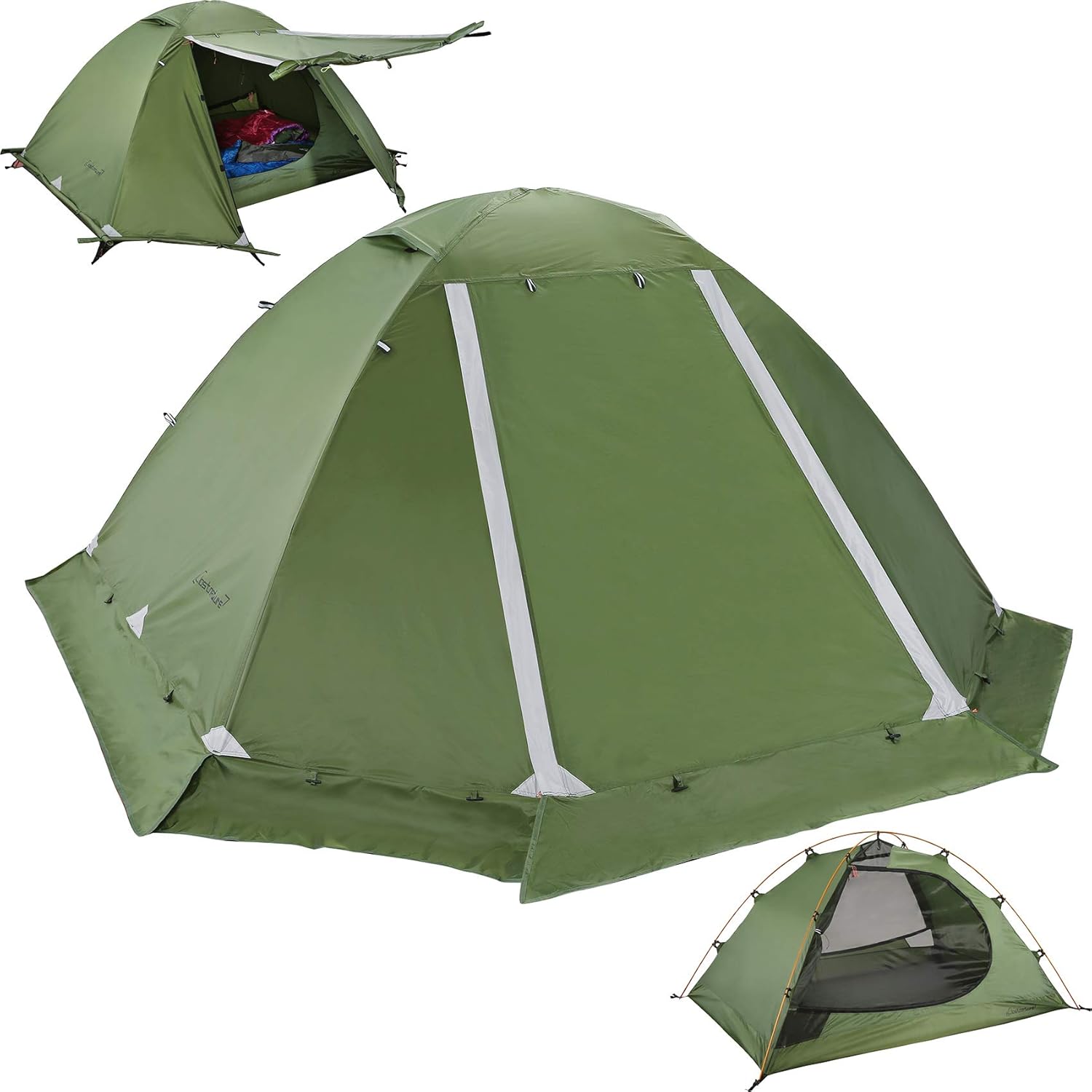
This is the clearest match for shoppers who expect colder nights and occasional snow. The enclosed inner, snow flaps, dual vestibules and freestanding pole structure offer more protection than the three-season options in this guide.
Why You’ll Like It
- Snow flaps and a more enclosed design for colder conditions
- Two doors and two vestibules for easier access and gear storage
- Freestanding aluminum-pole structure
- Roomier as a solo tent and workable for two compact sleepers
Who Should Avoid It
It is heavier than the solo tents, and a manufacturer “4-season” label does not make it an expedition-grade alpine shelter. Avoid exposed camps in severe wind, deep snow or forecasted storms.
Season note: 4-season listing. Listed weight: About 6.3 lb total. Confirm the selected size, fabric and included accessories on the current product page because configurations can vary.

Best for: Budget solo backpacking, bikepacking and protected shoulder-season camps.
It solves the common budget problem of getting a compact solo shelter without switching to a trekking-pole pitch. The freestanding structure is simple to position, while the vestibule keeps footwear and a small pack out of the sleeping area.
Why You’ll Like It
- Freestanding setup is easier on mixed campsites
- Compact size for backpacking and bikepacking
- Vestibule adds covered gear storage
- Full rainfly and raised floor improve wet-weather protection
Who Should Avoid It
The interior is narrow and may feel short or tight for taller campers. It is not intended for heavy snow, exposed winter ridges or prolonged sub-freezing storms.
Season note: 3-season. Listed weight: About 4 lb. Confirm the selected size, fabric and included accessories on the current product page because configurations can vary.

Best for: Couples on short trips or solo campers who want more interior room.
This option gives you more sleeping and gear space than a one-person tent while keeping the setup familiar and relatively compact. It is especially practical when comfort matters more than carrying the absolute lightest shelter.
Why You’ll Like It
- More room for a partner or solo gear storage
- Freestanding aluminum-pole design
- Vestibule helps separate wet gear from the sleeping area
- Good value for protected three-season and shoulder-season sites
Who Should Avoid It
It is a snug two-person backpacking tent rather than a roomy car-camping model. Do not treat it as a true winter shelter or rely on it in heavy snow.
Season note: 3-season. Listed weight: About 5.3 lb. Confirm the selected size, fabric and included accessories on the current product page because configurations can vary.
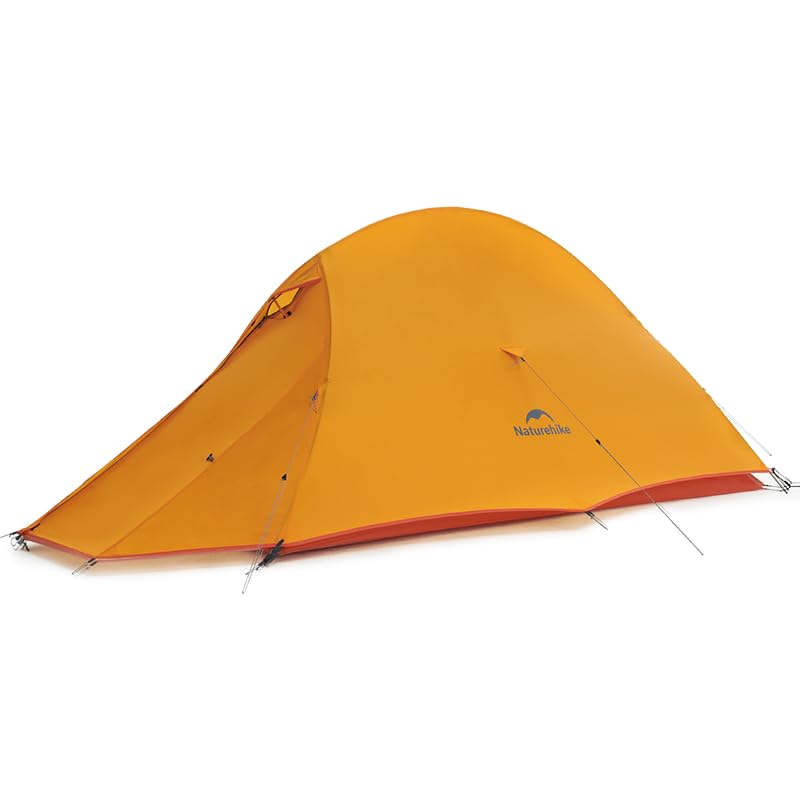
Best for: Weight-conscious solo trips in rain, wind and mild shoulder-season weather.
The Cloud-Up design prioritizes a small packed footprint and quick solo pitch. It is a useful middle ground for hikers who want less bulk than a traditional dome but do not want to depend on trekking poles.
Why You’ll Like It
- Low-bulk solo shelter for backpacking and motorcycle travel
- Freestanding hubbed-pole setup
- Included footprint helps protect the floor
- Vestibule and vents improve overnight practicality
Who Should Avoid It
The tapered floor is narrow, and lightweight fabric and zippers need careful handling. It is not suitable for heavy snow loading or severe winter exposure.
Season note: 3-season. Listed weight: About 3.7 lb. Confirm the selected size, fabric and included accessories on the current product page because configurations can vary.

Best for: Solo campers prioritizing a small campsite footprint and low profile.
The low silhouette fits tight or discreet campsites and reduces the amount of shelter you need to carry. Two doors make it less confining than many bivy designs and provide more flexible entry and ventilation.
Why You’ll Like It
- Compact footprint for tight campsites
- Two-door layout improves access and airflow
- Freestanding aluminum-pole structure
- Useful for short solo trips where pack space matters
Who Should Avoid It
It offers less sitting room and gear storage than a dome tent. It should not be used as a substitute for a snow-load-rated winter tent.
Season note: 3-season. Listed weight: About 3.7 lb. Confirm the selected size, fabric and included accessories on the current product page because configurations can vary.
Best for: Families, small groups and campers splitting shelter weight.
This is the practical choice when floor area and shared space matter more than the lowest total pack weight. Splitting components between hikers can make it more manageable for short group approaches.
Why You’ll Like It
- More usable floor area for families or small groups
- Two doors and vestibules reduce traffic inside
- Freestanding clip setup with aluminum poles
- Useful balance of group space and weather coverage
Who Should Avoid It
It is not a true ultralight solo shelter and is not intended for heavy snow or alpine winter storms. Capacity labels are usually optimistic when everyone has wide sleeping pads and gear.
Season note: 3-season. Listed weight: Check current listing configuration. Confirm the selected size, fabric and included accessories on the current product page because configurations can vary.
Before You Buy: Cold-Weather Tent Checklist
- Confirm the season rating: A three-season tent is for rain and moderate wind, not heavy snow loading or exposed winter storms.
- Check complete weight: Compare total packaged weight, minimum trail weight and any required trekking poles or footprints.
- Measure usable length: Allow room for your height, sleeping bag loft and gear at the foot of the tent.
- Inspect ventilation: Cold nights create condensation. Look for adjustable vents and enough separation between the fly and inner tent.
- Plan for the ground: Frozen, rocky or wet sites may require stronger stakes, longer guylines and a footprint.
- Build warmth with your sleep system: Choose a sleeping bag and insulated pad appropriate for the expected low temperature.
FAQ
Are budget ultralight tents good for winter camping?
Some are useful for calm cold-weather trips, but most budget ultralight tents are three-season shelters. They may handle rain, frost and light wind at protected sites, yet they are not designed for heavy snow loading, severe wind or exposed alpine camps. For true winter conditions, choose a shelter specifically designed for four-season use and verify its pole structure, fabric coverage, guy-out points and snow-management features.
Does a warmer tent replace a winter sleeping bag?
No. A tent can reduce wind and keep precipitation off you, but your sleeping bag and insulated pad provide most of the warmth. Choose both for the expected temperature and remember that wind, moisture, fatigue and campsite exposure can make conditions feel colder.
What should you look for in an affordable cold-weather backpacking tent?
Focus on full rainfly coverage, a raised or bathtub-style floor, reliable seam construction, strong pole geometry, multiple guy-out points, adjustable ventilation and enough vestibule space to keep wet gear outside the sleeping area. Check floor length carefully if you are tall, and compare complete carried weight rather than a marketing-only minimum.
How can you reduce condensation in cold weather?
Keep vents partly open, avoid pressing sleeping bags against the tent wall, pitch the fly taut and choose a site away from low wet ground when possible. Dry damp clothing outside the sleeping area when conditions allow, and wipe interior moisture before packing.
Should you replace the included stakes?
Lightweight stock stakes may be adequate in soft soil, but frozen, rocky or windy camps can require stronger stakes, deadman anchors or snow stakes. Test the complete setup before a remote trip and carry repair tape, spare cord and a pole sleeve when practical.
Campers Top Picks
Your decision comes down to conditions and capacity. Pick the four-season Clostnature 2P for the strongest cold-weather fit in this list; choose a one-person dome when packability matters most; move to the standard two-person or four-person models when interior space is more important than the lowest total weight.
Final Recommendation
Best overall for colder conditions: Clostnature 2-Person 4-Season Backpacking Tent.
Best value for solo three-season and mild shoulder-season trips: Clostnature 1-Person Ultralight Tent.
Best lightweight solo alternative: Naturehike Cloud-Up 1 Person Tent.
Choose based on the worst conditions you realistically expect, not the best-case forecast. When heavy snow or severe wind is possible, move beyond budget three-season designs and use a shelter built for that environment.
Quick Comparison
| Product Name | Image | Season | Listed Weight | Dimensions | Best For | Amazon |
|---|---|---|---|---|---|---|
| Clostnature 2-Person 4-Season Backpacking Tent |
 |
4-season listing | About 6.3 lb total | 86.6 x 59 x 45.8 in | Cold-weather backpacking, solo use with extra gear, or two smaller sleepers | Check Price on Amazon |
| Clostnature 1-Person Ultralight Tent |
 |
3-season | About 4 lb | 86.6 x 31.9 x 35.8 in | Budget solo backpacking, bikepacking and protected shoulder-season camps | Check Price on Amazon |
| Clostnature 2-Person Ultralight Tent |
 |
3-season | About 5.3 lb | 86.6 x 59 x 45.3 in | Couples on short trips or solo campers who want more interior room | Check Price on Amazon |
| Naturehike Cloud-Up 1 Person Tent |
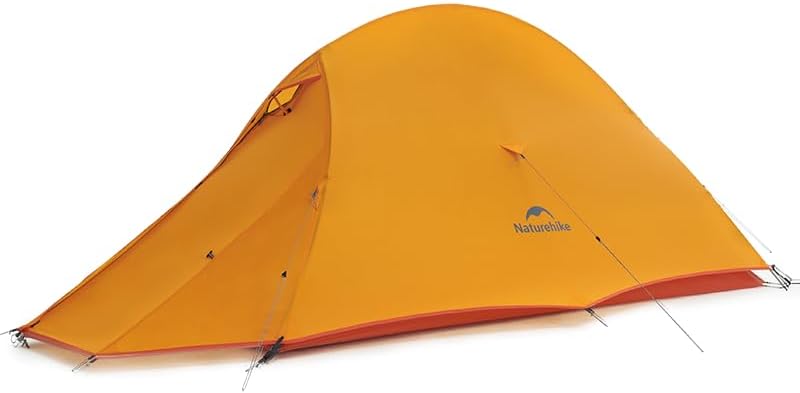 |
3-season | About 3.7 lb | 82.7 x 23.6 x 41.3 in | Weight-conscious solo trips in rain, wind and mild shoulder-season weather | Check Price on Amazon |
| GEERTOP Ultralight Bivy Tent |
 |
3-season | About 3.7 lb | 84 x 39 x 36 in | Solo campers prioritizing a small campsite footprint and low profile | Check Price on Amazon |
| Clostnature 4-Person Tent |
 |
3-season | Check current listing configuration | About 54.7 sq ft floor area and 55 in peak height | Families, small groups and campers splitting shelter weight | Check Price on Amazon |
Product specifications, included accessories and availability can change by size, color and seller. Confirm the current Amazon listing before purchasing.
This roundup is reader-supported. When you click through links, we may earn a referral commission on qualifying purchases.

