You want a spring camping setup that feels roomy, handles changeable weather, and gives you enough standing space to relax at camp. Cabin-style tents are designed around straighter walls, taller ceilings, and more usable floor area than many low-profile dome tents, making them especially appealing for car camping, family weekends, festivals, and comfortable basecamps.
These five tents cover compact budget camping, stove-ready cold-weather use, large family layouts, instant setup, and spacious value. The right choice depends on how many people and air mattresses you need to fit, how much packed weight you can carry from the vehicle, and whether fast setup or specialized features matter most.
Affiliate disclosure:. As an Amazon Associate I earn from qualifying purchases. This roundup is reader-supported. When you click through qualifying links, we may earn a referral commission at no additional cost to you.
Top Picks
|
Category |
Product |
Best For |
|---|---|---|
|
🏆 Best Overall / Instant Setup |
Families who want a roomy tent with a pre-attached frame |
|
|
💰 Best Budget Cabin |
Couples or small groups who want stand-up room without a huge packed tent |
|
|
🚀 Best Spacious Value |
Families who want a tall two-zone layout at a more manageable size than a 12-person tent |
|
|
👨👩👧👦 Best For Big Families |
Large groups, multiple air mattresses, and maximum interior space |
|
|
🔥 Best Stove-Ready Hot Tent |
Experienced cold-weather campers who need a purpose-built stove jack |
Quick verdict: The CORE 9-Person Instant Cabin Tent is the most broadly useful option when fast setup and family-friendly space matter most. Choose the UNP for a lighter, less expensive couples setup, the CORE 10- or 12-person models for more living space, or the POMOLY only when you specifically need a stove-ready shelter and understand hot-tent safety.
Capacity tip: Manufacturer occupancy numbers describe maximum sleeping capacity, not comfortable living space. Size up when you plan to use cots, queen air mattresses, a room divider, or substantial gear inside.
How We Picked These Tents
We compared each tent by nominal capacity, usable floor area, peak height, setup method, packed weight, ventilation, rainfly and seam construction, included accessories, and specialized features such as room dividers or a stove jack. We also considered the practical trade-offs that matter in spring: condensation during cool nights, tall walls that catch more wind, wet-ground protection, and the difference between a tent that sleeps the advertised maximum and one that remains comfortable with gear.
These picks are primarily for vehicle-based camping. Even the smaller models are better suited to campsites, festivals, backyard use, or short carries from a car than to long-distance backpacking.
Best Cabin Tents for Spring Camping

This UNP model solves a common small-group problem: you get cabin-style headroom without moving up to a bulky family tent. Its nearly straight walls and 72-inch center height make changing clothes and organizing gear easier than in many compact dome tents. The listing describes a roughly three-minute setup for two people or about five minutes for one person, although first-time setup may take longer.
Why you’ll like it: The 56-square-foot floor is a comfortable match for two campers and their gear, while the nominal four-person capacity is better treated as a maximum. The rainfly, multiple windows, carry bag, and relatively modest packed weight make it a practical option for weekend car camping, festivals, or backyard sleepovers.
Who should buy this: Couples, solo campers who want standing room, or small groups using compact sleeping pads.
Who should avoid this: Campers who need multiple queen air mattresses, separate rooms, or a tent designed for severe weather. Waterproof performance depends on correct setup, taut fly placement, seam condition, and campsite drainage.
Review themes: Feedback commonly highlights straightforward pitching, useful standing height, and a roomy feel for two people. Recurring cautions include tight quarters at the full four-person rating, limited organization pockets, and occasional zipper-flap frustration.
Review Theme Snapshot: Generally positive, with capacity expectations being the most important caveat.
Key Benefits
- 8-by-7-foot floor with a 72-inch peak height
- Listed at 13 pounds, making it easier to move than the large family models
- Nearly straight walls improve usable standing and changing space
- Rainfly, stakes, and carry bag are included
- Multiple windows support airflow during mild spring conditions
Check Product Details on Amazon

The CHALET 70 Max is the specialized pick in this roundup. Its square cabin-style floor, two doors, and purpose-built stove jack make it more suitable for cold spring nights than a standard family cabin tent. The provided listing specifications describe an interior of approximately 8.2 by 7.55 feet with a peak height near 5.91 feet, 70D ripstop polyester construction, and a stated 2500 mm water-resistance rating.
Why you’ll like it: The layout provides practical standing and gear space for one or two campers using a stove. Without a stove, the nominal 2–4-person capacity may be workable with compact sleep systems, but the safe stove-clearance area substantially reduces usable sleeping room.
Who should buy this: Experienced car campers, hunters, or shoulder-season campers who already understand wood-stove setup, ventilation, spark control, and carbon-monoxide risk.
Who should avoid this: First-time campers seeking a simple family tent, backpackers carrying shelter for long distances, or anyone who does not have a compatible stove and the required safety accessories.
Hot-tent safety note: A stove jack does not make indoor combustion risk-free. Follow the tent and stove manufacturers’ clearance instructions, use a stable heat-resistant stove mat and spark arrestor, maintain ventilation, keep a working carbon-monoxide alarm nearby, never leave the stove unattended, and obey campground fire restrictions. Do not use a stove that is not specifically compatible with the shelter.
Review themes: Buyers often value the roomy shape, dual-door access, reinforced stove area, and durable-feeling fabric. Common cautions involve condensation management, bulky stakes, and the need for a protective footprint on abrasive ground.
Review Theme Snapshot: Generally positive among buyers who specifically want a compact hot tent, with weight, ventilation, and setup safety as the main considerations.
Key Benefits
- Built-in stove jack for use with a compatible tent stove
- Reinforced stove area helps protect the floor when used as directed
- Two doors support access and airflow around a stove-centered layout
- Roomiest for one or two campers with stove and gear
- Provided listing states 70D ripstop polyester and 2500 mm water resistance
- Simple two-pole structure is less complex than many large family tents
Check Current Amazon Availability

This CORE cabin tent is designed for buyers who prioritize interior space over portability. Its 176-square-foot floor, near-vertical walls, and 86-inch center height create room for multiple air mattresses, standing adults, and a divided sleeping-and-living arrangement. Although the nominal capacity is 12 people without gear, a more realistic comfort target is about six campers with belongings.
Why you’ll like it: The removable room divider, large windows, ground vents, rainfly, sealed seams, and included guylines make it easier to organize a multi-person campsite. It is especially useful for multi-family weekends, longer vehicle-based stays, or groups that want indoor space during cool mornings and light-to-moderate rain.
Who should buy this: Large families, groups using several air mattresses, or campers who want separate sleeping and changing zones.
Who should avoid this: Solo campers, small couples, anyone with limited cargo space, or campers who expect to carry the tent far. The listed minimum trail weight is about 49 pounds, and setup is easier with two people.
Review themes: Common praise centers on the high ceiling, open floor plan, airflow, and useful divider. Recurring cautions include packed weight, the need to practice pole connections, and occasional leak reports when seams or window areas are not properly sealed.
Review Theme Snapshot: Generally positive for space and comfort, with weight and careful weather setup as the main trade-offs.
Key Benefits
- 16-by-11-foot floor with an 86-inch center height
- Nominal 12-person capacity; more comfortable for about six people with gear
- Room divider creates separate sleeping, changing, or storage zones
- 1200 mm fabric specification with taped rainfly and sealed seams
- Large windows and ground vents improve airflow
- Includes carry bag, poles, rainfly, room divider, guylines, and stakes
Check Product Details on Amazon

The CORE 9-Person Instant Cabin Tent is the easiest all-around recommendation in this group because the pre-attached frame removes much of the pole-sorting and threading that slows down large-tent setup. The listed dimensions are 14 by 9 feet with 126 square feet of floor area, enough for two queen-size air mattresses and a practical comfort capacity of about four people with gear.
Why you’ll like it: The 78-inch center height, two-room option, large mesh panels, ground vents, taped rainfly, and sealed seams create a balanced family setup without the extreme bulk of the 12-person model. The current listing places the weight at about 27.6 pounds, so it remains a vehicle-camping tent rather than a hiking shelter.
Who should buy this: Families, festival campers, or weekend groups who value quick setup and enough standing room for changing and organizing gear.
Who should avoid this: Backpackers, campers with very small vehicles, or anyone who expects a tall cabin tent to perform like a low-profile expedition shelter in strong wind. Practice collapsing the instant frame before the trip because repacking can take longer than pitching.
Review themes: Buyers frequently highlight the spacious interior, fast pitch, tall ceiling, and room for large air mattresses. Common drawbacks involve packed bulk, a learning curve when folding it back into the carry bag, and occasional door, zipper, or mesh complaints.
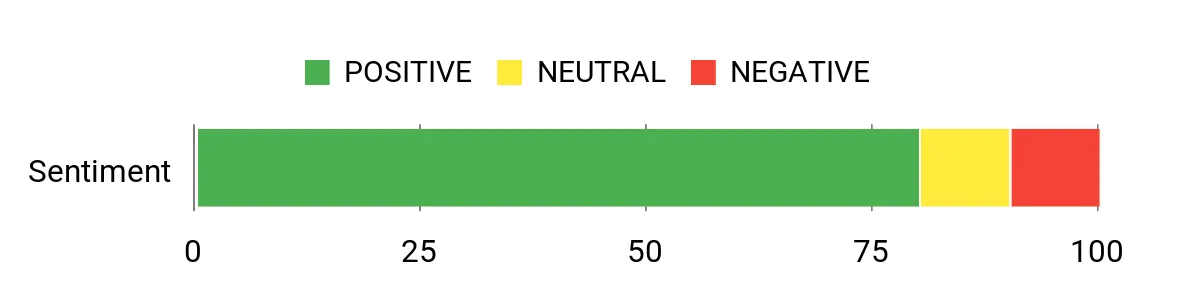
Review Theme Snapshot: Generally positive, especially for setup speed and interior room.
Key Benefits
- Pre-attached poles are designed for setup in two minutes or less
- 14-by-9-foot floor and 78-inch center height
- Fits two queen air mattresses; best treated as about four people with gear
- 1200 mm fabric specification with taped rainfly and sealed seams
- Large mesh panels and vents support airflow
- Listed weight of approximately 27.6 pounds
Check Current Amazon Availability

This CORE 10-person cabin tent is a useful middle ground between a compact family shelter and the oversized 12-person option. The 140-square-foot floor and 86-inch center height provide ample standing room, while the room divider lets you separate sleeping space from gear, changing, or lounging space.
Why you’ll like it: The listing indicates room for four queen air mattresses at maximum capacity and a more practical comfort target of about five people with gear. Large mesh panels and ground vents help with spring ventilation, while the 1200 mm fabric specification, taped rainfly, sealed seams, guylines, and stakes support normal campsite weather when the tent is properly pitched.
Who should buy this: Families who want generous headroom and a divided layout but do not need the 176-square-foot floor of the 12-person model.
Who should avoid this: Campers who need instant setup, lightweight carry, or a small campsite footprint. Published weight fields vary by measurement, placing it at roughly 28–32 pounds, so plan on vehicle transport and two-person pitching.
Review themes: Buyers commonly praise the open interior, tall walls, ventilation, and ability to fit multiple air mattresses. Common complaints involve packed bulk, basic included stakes, and setup that improves after a practice run.
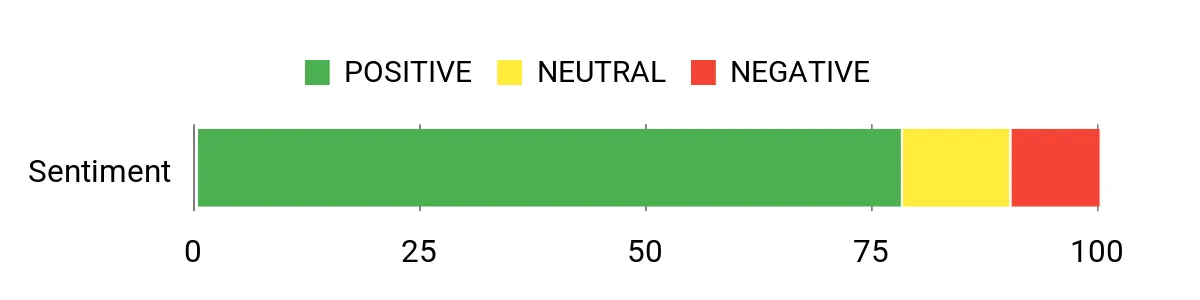
Review Theme Snapshot: Generally positive for usable family space, with weight and conventional pole setup as the main compromises.
Key Benefits
- 14-by-10-foot floor with an 86-inch center height
- Nominal 10-person capacity; more comfortable for about five people with gear
- Room divider supports separate sleeping and living zones
- 1200 mm fabric specification with taped rainfly and sealed seams
- Large mesh panels and ground vents improve airflow
- Includes carry bag, poles, rainfly, room divider, stakes, and organizer
Check Product Details on Amazon
Before You Buy a Cabin Tent
- Measure your sleep system: Check the actual dimensions of air mattresses, cots, and gear bins rather than relying only on the stated person capacity.
- Confirm campsite size: Large cabin tents may require a level pad that is considerably wider than the tent floor because guylines and door clearance need extra room.
- Plan for wind: Tall straight walls catch more wind than low dome tents. Use every stake and guyline, orient the narrowest side toward prevailing wind, and avoid exposed sites in severe forecasts.
- Protect the floor: Use a correctly sized footprint that does not extend beyond the tent edge, which can funnel rainwater underneath.
- Practice at home: Verify that all parts are included, learn the pole sequence, and confirm the packed tent fits back into its carry bag.
FAQ
How Do I Choose the Right Cabin Tent Size and Layout for Spring Camping?
Treat the manufacturer occupancy number as a maximum. A tent rated for nine or ten people may be most comfortable for roughly four or five campers once you add air mattresses, clothing, chairs, and wet-weather gear. Compare floor dimensions, peak height, number of doors, room dividers, and the exact footprint of your planned sleep system.
For two campers who want standing room, the UNP offers a compact footprint. The CORE 9-person model balances speed and family space, while the CORE 10- and 12-person tents are better when you need multiple mattresses or separate zones. The POMOLY is a specialized choice for stove-ready camping rather than a general family-capacity upgrade.
Are Cabin Tents Good in Wind and Rain?
Cabin tents can work well in normal spring campsite weather, but their tall walls generally catch more wind than lower dome or tunnel designs. Use every stake and guyline, pitch on firm high ground, tension the rainfly evenly, close windows before rain, and orient a narrower wall toward the prevailing wind. A listed water-resistance rating and taped seams help, but they do not guarantee a leak-free shelter in every storm.
Inspect seam tape and fabric before each season, consider seam sealer where the manufacturer permits it, and use a footprint that stays fully under the tent floor. For severe wind, thunderstorms, flooding risk, or exposed alpine conditions, choose a lower-profile shelter designed for those conditions.
What Makes Setup, Ventilation, and Comfort Easier?
Practice one complete pitch and pack-down at home. Keep poles, rainfly, stakes, and guylines organized together, and mark complicated pole junctions if needed. At camp, open low vents and high mesh panels to create airflow, keep wet clothing near the door rather than beside bedding, and avoid pressing sleeping bags against the tent walls.
For large conventional-pole cabins, two people reduce stress on pole hubs and fabric. For instant tents, learn the correct collapse sequence before leaving home. Bring upgraded stakes for soft or windy ground, a small repair kit, and extra guyline.
What Safety Rules Apply to a Cabin Hot Tent?
Use a wood stove only in a shelter specifically designed with a compatible stove jack, and follow both manufacturers’ clearance and chimney-height instructions. Maintain ventilation, use a stable heat-resistant mat, fit a spark arrestor, keep combustibles away from the stove and pipe, and use a working carbon-monoxide alarm. Never sleep with an unattended stove burning, never use an improvised stove in a standard cabin tent, and comply with local fire bans and campground rules.
Quick Decision Guide
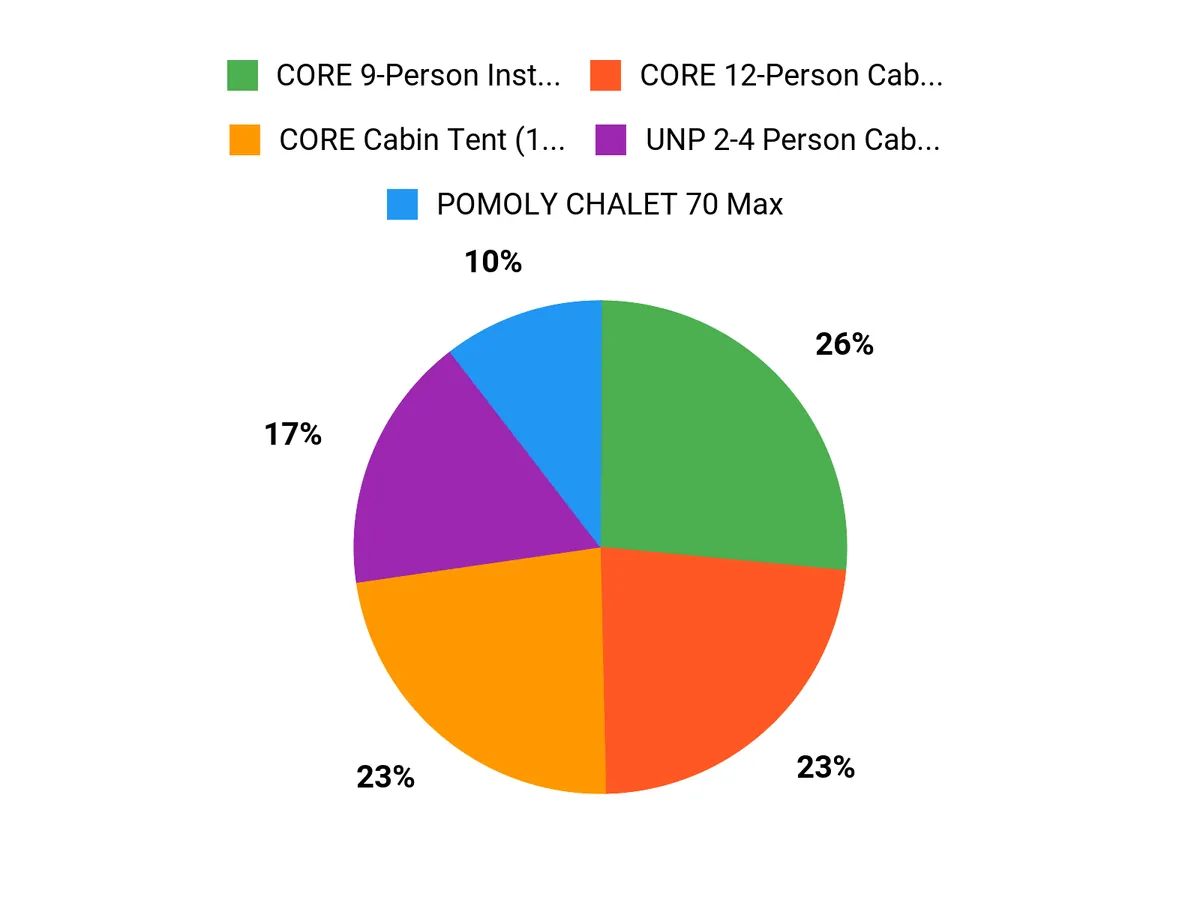
Choose the CORE 9-Person Instant Cabin Tent when setup speed and balanced family space are the priorities. Pick the UNP 4-Person Tent for a lighter, budget-focused couples setup. Move to the CORE 10-Person Tent for a roomy divided layout, or the CORE 12-Person Tent when you need the largest floor and several air mattresses. Choose the POMOLY CHALET 70 Max only when a stove jack is essential and you are prepared to follow hot-tent safety procedures.
Wrapping Up
For most spring car campers, the CORE 9-Person Instant Cabin Tent offers the strongest balance of fast pitching, standing room, ventilation, and practical family capacity. The UNP is the better fit for couples who want a smaller and lighter cabin-style shelter, while the CORE 10- and 12-person models trade portability for significantly more living space. The POMOLY fills a narrower role for experienced campers who specifically need a stove-ready hot tent.
Whichever model you choose, compare the actual floor dimensions with your mattresses and gear, practice setup before the trip, and use every stake and guyline when spring weather turns unsettled.
| Product Name | Image | Best For | Occupant Capacity | Weather Protection | Dimensions (LxWxH) | Approx. Weight | Special Highlights |
|---|---|---|---|---|---|---|---|
| CORE 9 Person Instant Cabin Tent |
 |
Fast family setup | 9 person maximum; about 4 with gear | 1200 mm fabric, taped rainfly, sealed seams | 168"L x 108"W x 78"H | 27.62 lb |
|
| UNP 2/4/6/8 Person Tent |
 |
Budget couples camping | 4 person maximum; best for 2 with gear | Rainfly; no numeric waterproof rating stated in the provided listing | 96"L x 84"W x 72"H | 13 lb |
|
| CORE Family Tent for 10 Person |
 |
Spacious family value | 10 person maximum; about 5 with gear | 1200 mm fabric, taped rainfly, sealed seams | 168"L x 120"W x 86"H | Approx. 28–32 lb; listing fields vary |
|
| CORE 12 Person Cabin Tent |
 |
Largest group layout | 12 person maximum; about 6 with gear | 1200 mm fabric, taped rainfly, sealed seams | 192"L x 132"W x 86"H | Approx. 49 lb minimum trail weight |
|
| POMOLY Camping Hot Tent |
 |
Stove-ready shoulder-season camping | 2–4 without stove; best for 1–2 with stove and gear | Provided listing states 2500 mm water resistance | 98.4"L x 78.74"W x 59.1"H | Approx. 4.54 kg / 10 lb |
|
This roundup is reader-supported. When you click through links we may earn a referral commission on qualifying purchases.

