
You want a shelter that keeps you and your gear more comfortable when the forecast turns damp, breezy, or unpredictable. This roundup compares weather-resistant camping tents and outdoor shelters that balance practical rain protection, manageable setup, ventilation, and usable space.
The products do not all serve the same purpose. The Coleman and CAMPROS models are conventional three-season sleeping tents, while the EighteenTek PrivatePod is a seated sports shelter and the Porayhut is a large backyard-style bubble screenhouse. Matching the shelter type to your activity is more important than choosing the biggest advertised capacity.
Quick Verdict
Best overall camping tent: The Coleman Sundome is the most balanced option for small-group car camping, festivals, and backyard sleepovers.
Best for family camping: The CAMPROS 8P provides substantially more standing room and a divider for organizing a group campsite.
Best for sports and outdoor events: The EighteenTek PrivatePod offers fast pop-up convenience and clear viewing panels, but it is intended for light weather rather than storms.
Best backyard screenhouse: The Porayhut Bubble creates a roomy enclosed outdoor living area but should not be confused with a six-person sleeping tent.
Affiliate disclosure:. As an Amazon Associate I earn from qualifying purchases. This roundup is reader-supported. We may earn a referral commission when you purchase through qualifying links, at no additional cost to you. Product selection and limitations are presented independently of commission potential.
Top Picks
|
Category |
Product |
Best For |
|---|---|---|
|
🏆 Best Overall |
Small-group car camping and straightforward three-season trips |
|
|
🏕️ Best for Families |
Family car camping, standing room, and divided sleeping zones |
|
|
🎯 Best for Sports & Events |
Seated sideline viewing and temporary protection from light weather |
|
|
💺 Best Backyard Screenhouse |
Backyard lounging, seasonal gatherings, and enclosed outdoor living space |
How We Picked These Tents and Shelters
We compared each product by its intended use, shelter type, listed dimensions, occupancy guidance, setup method, ventilation, floor design, and manufacturer-stated weather features. We gave extra weight to practical differences that affect real buying decisions, including whether a product is suitable for overnight sleeping or primarily designed for seated events and backyard use.
Rainflies, sealed seams, attached floors, guy lines, stakes, panel materials, and listed water-resistance specifications were considered where current product details were available. Because manufacturer terms such as “weatherproof” and “all-weather” do not guarantee safety in severe conditions, the recommendations below also explain important limitations.
Freshness note: Key product names, dimensions, capacities, and manufacturer-listed weather details were reviewed against the linked product information in July 2026. Listings can change, so verify the selected size, included components, seller, and current specifications before ordering.
Before You Buy
- Choose the correct shelter type: A sports pod or screenhouse is not a substitute for an enclosed sleeping tent.
- Size up for comfort: Advertised occupancy usually assumes closely packed sleepers or seated occupants with limited gear.
- Check the selected variant: Capacity, dimensions, fabric treatments, and included components may change between sizes.
- Plan for wind: Use every appropriate stake and guy line, and do not leave pop-up shelters unattended in changing weather.
- Prevent condensation: Keep vents open when conditions allow and avoid pressing bedding or furniture against shelter walls.
- Dry before storage: Packing a damp shelter encourages mildew, odors, coating damage, and zipper corrosion.
The Coleman Sundome is the most conventional and versatile option in this roundup. Its freestanding dome layout is suited to car camping, festivals, backyard sleepovers, and short three-season trips where you want a familiar pitching process rather than an instant pop-up frame.
The linked four-person listing measures approximately 9 by 7 feet with a center height just under 5 feet. That gives you useful sleeping space, but most adults will not be able to stand upright inside. Treat the four-person label as a maximum sleeping capacity rather than a comfort recommendation for four adults plus luggage.
Why You’ll Like It
The Sundome solves the basic camping problem well: it provides an enclosed sleeping space, an included rainfly, ventilation, and a manageable setup without the bulk of a large cabin tent. It is the easiest recommendation for buyers who need an actual sleeping tent rather than a viewing pod or backyard room.
Who Should Buy This
Choose it for one or two campers who want extra gear space, a small family using compact sleep systems, festival camping, or occasional weekend trips. It is particularly appealing when pack weight is less important than simplicity and value.
Who Should Avoid This
Skip it if you need standing-height headroom, separate rooms, winter-mountaineering protection, or comfortable sleeping space for four adults with large mattresses and luggage.
Common Review Themes
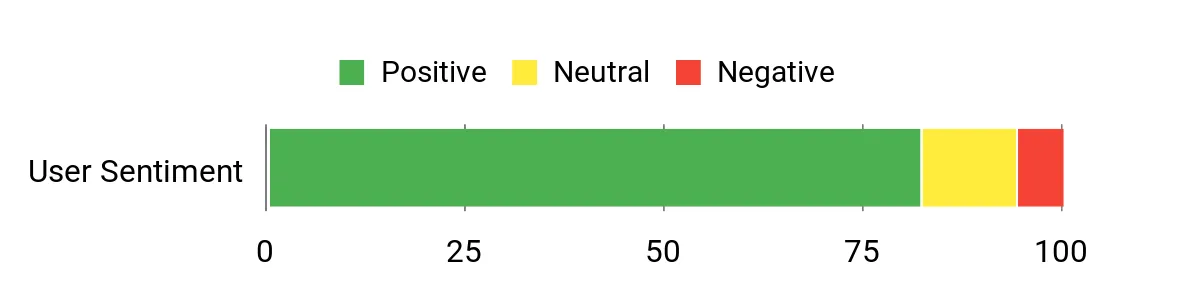
The source review summary highlights fast setup, useful ventilation, and generally positive experiences in ordinary rain when the fly is tensioned correctly. Common limitations include snug interior space for taller adults and gradual wear in elastic components after extended use.
The chart below is preserved from the source article and should be treated as a directional review-theme snapshot. Its sample size, collection date, and analysis methodology were not supplied. Read current verified-purchase reviews before deciding.
Durability
The tent is best viewed as a recreational three-season shelter for weekend and occasional use. A footprint can reduce abrasion beneath the floor, while careful pole handling, complete drying, and protection from prolonged UV exposure can help extend its usable life.
Weather Protection and Limits
The included rainfly, tub-style floor, stakes, and ventilation system are designed for normal three-season camping conditions. Correct pitching matters: fully seat the poles, stake the corners evenly, tension the fly, and use appropriate guy lines before rain or wind arrives.
No recreational dome tent should be treated as guaranteed protection from flooding, severe thunderstorms, falling branches, lightning, or extreme wind. Move to a substantial building or vehicle when authorities issue severe-weather warnings.
Key Benefits
- Conventional sleeping-tent design for camping and festivals
- Included rainfly for additional coverage above the tent body
- Large windows and a ground vent support airflow
- Floor dimensions accommodate one queen-size air bed
- Linked four-person variant is identified as PFAS-free on the current listing
- Compact footprint is easier to place than a large family cabin tent
The CAMPROS 8P is the better choice when floor area and standing room matter more than compact packing. Its listed dimensions are approximately 14 by 9 feet with a 6-foot center height, providing substantially more usable space than the Coleman dome.
A removable divider creates two zones for privacy or organization. The manufacturer describes a color-coded pole system that two people can assemble in about five minutes, although first-time setup may take longer while you learn the pole and rainfly layout.
Why You’ll Like It
This tent helps solve the crowding problem common in smaller family tents. You can separate sleeping areas, keep bags away from mattresses, and move around without spending the entire trip crouched near the floor.
Who Should Buy This
It is best for family car camping, group festivals, campsite stays where the vehicle is nearby, and buyers who prioritize headroom and interior organization over low weight.
Who Should Avoid This
Skip it for backpacking, exposed campsites with severe forecasts, solo travelers who need a very fast one-person pitch, or small campsites where a 14-by-9-foot footprint may be difficult to place.
Common Review Themes
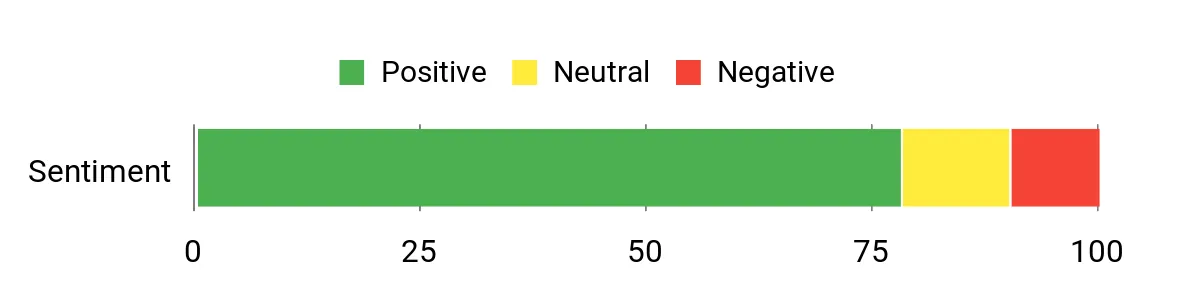
The source review summary emphasizes the generous interior, standing height, ventilation, and usefulness of the room divider. Reported concerns include occasional zipper or seam issues, reinforcing the importance of inspecting the tent at home and practicing the complete setup before a trip.
The chart below is preserved from the source article and is directional only. Its underlying dataset and analysis method were not provided.
Durability
The polyester body and fiberglass pole system are appropriate for normal family car-camping use. Larger tents create more surface area for wind to push against, so staking every corner, installing the rainfly correctly, and using all relevant guy lines are especially important.
Weather Protection and Limits
The current listing describes coated material, sealed seams, waterproof strips, and a rainfly. Because a specific 1000 mm rating could not be confirmed on the current listing, that figure should not be used as a purchasing guarantee.
Inspect the seams and floor before travel, avoid allowing bedding to touch damp walls, and select a campsite that will not collect runoff beneath the tent. A footprint can reduce floor abrasion but should not extend beyond the tent perimeter, where it could funnel rain underneath.
Key Benefits
- Approximately 14-by-9-foot floor for family car camping
- 72-inch center height allows many adults to stand upright
- Removable divider creates two functional interior zones
- Mesh roof and openings support ventilation
- Color-coded fiberglass pole system aids assembly
- Carry bag, stakes, and room divider are listed as included components
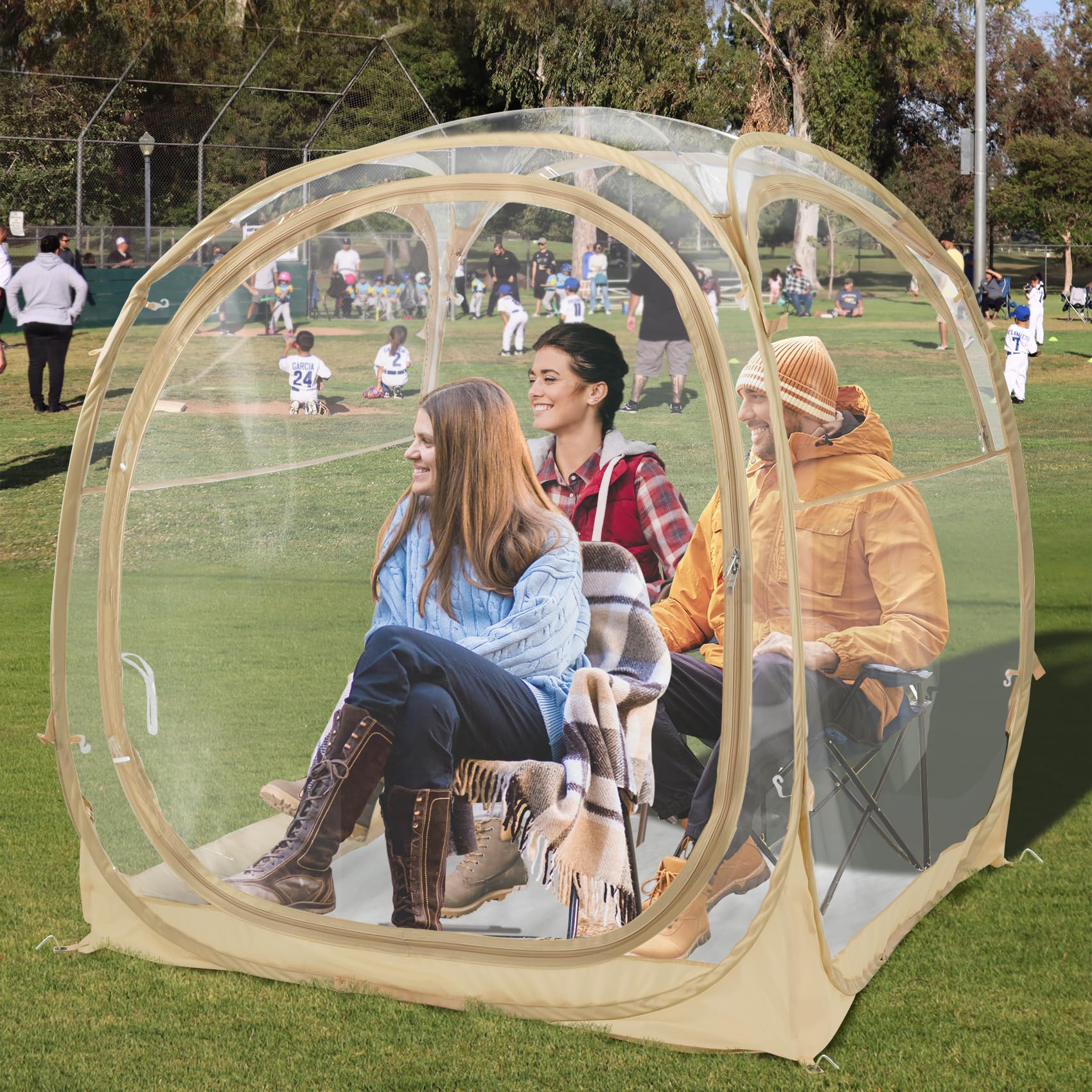
The EighteenTek PrivatePod is not a conventional sleeping tent. It is a clear, enclosed sports and event shelter designed to help seated users watch games, fish, tailgate, or spend time outdoors with some protection from sun, cold air, wind, ground moisture, and light rain.
Its listed dimensions are 70 by 70 by 63 inches. The manufacturer recommends it for approximately two to three people depending on body size, chair dimensions, and the amount of gear inside. The curved walls reduce usable space near the perimeter, so three large chairs may feel crowded.
Why You’ll Like It
The clear panels solve a specific problem: you can remain sheltered without losing your view of a field, children’s game, fishing area, or outdoor event. The attached floor also separates chairs, bags, and footwear from damp ground.
Who Should Buy This
Choose it for sports sidelines, tailgating, fishing, seated event use, or a compact backyard retreat in mild conditions. It is particularly useful when visibility and fast deployment matter more than standing room or sleeping comfort.
Who Should Avoid This
Do not choose it as a primary backpacking tent, a storm shelter, or an unattended all-season structure. It is also a poor match for buyers who need room for cots, full-size mattresses, or several adults moving around inside.
Important weather limitation: The current product listing states that this shelter is intended for light rain and is not designed for heavy rain, storms, strong wind, or extreme weather. Secure it correctly and take it down when conditions deteriorate.
Common Review Themes
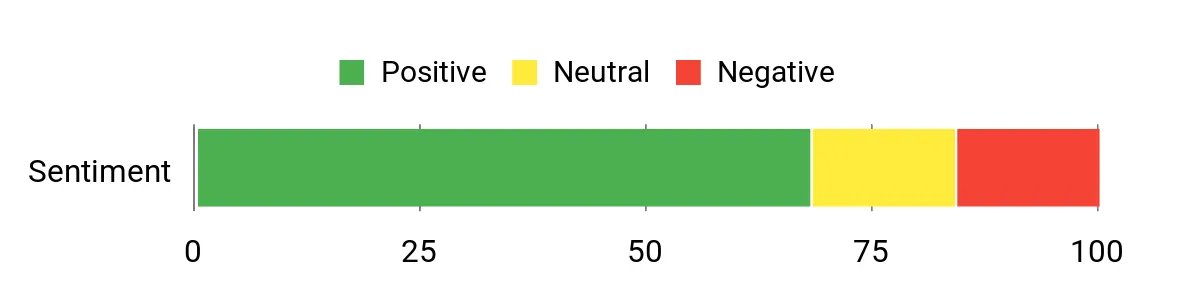
The source review summary emphasizes the rapid pop-up process, clear viewing panels, and attached floor. Folding the shelter back into its storage shape may require practice, and isolated reports of seam or frame problems make a home inspection advisable before the return period ends.
The chart below is preserved from the source article and is a directional summary only. Its underlying review sample and methodology were not supplied.
Durability
The pre-attached pop-up frame is convenient, but repeated folding places stress on flexible frame components and seams. Follow the supplied folding sequence rather than forcing the shelter into the carry bag, and store it only when clean and dry.
Weather Protection and Limits
The listing specifies 300 mm water-resistance technology and an attached floor. That is consistent with a light-weather event shelter rather than a high-exposure camping tent. Keep chairs and equipment away from the walls, prevent water from pooling around the floor, and do not rely on it in severe forecasts.
Key Benefits
- Pop-up frame opens quickly for temporary event use
- Clear side and top panels preserve outdoor visibility
- Attached floor reduces direct contact with damp ground
- Approximately two-to-three-person seated capacity
- Includes stakes, guy lines, top cover, support poles, and carry bag
- Useful for sports, fishing, tailgating, and mild-weather backyard use
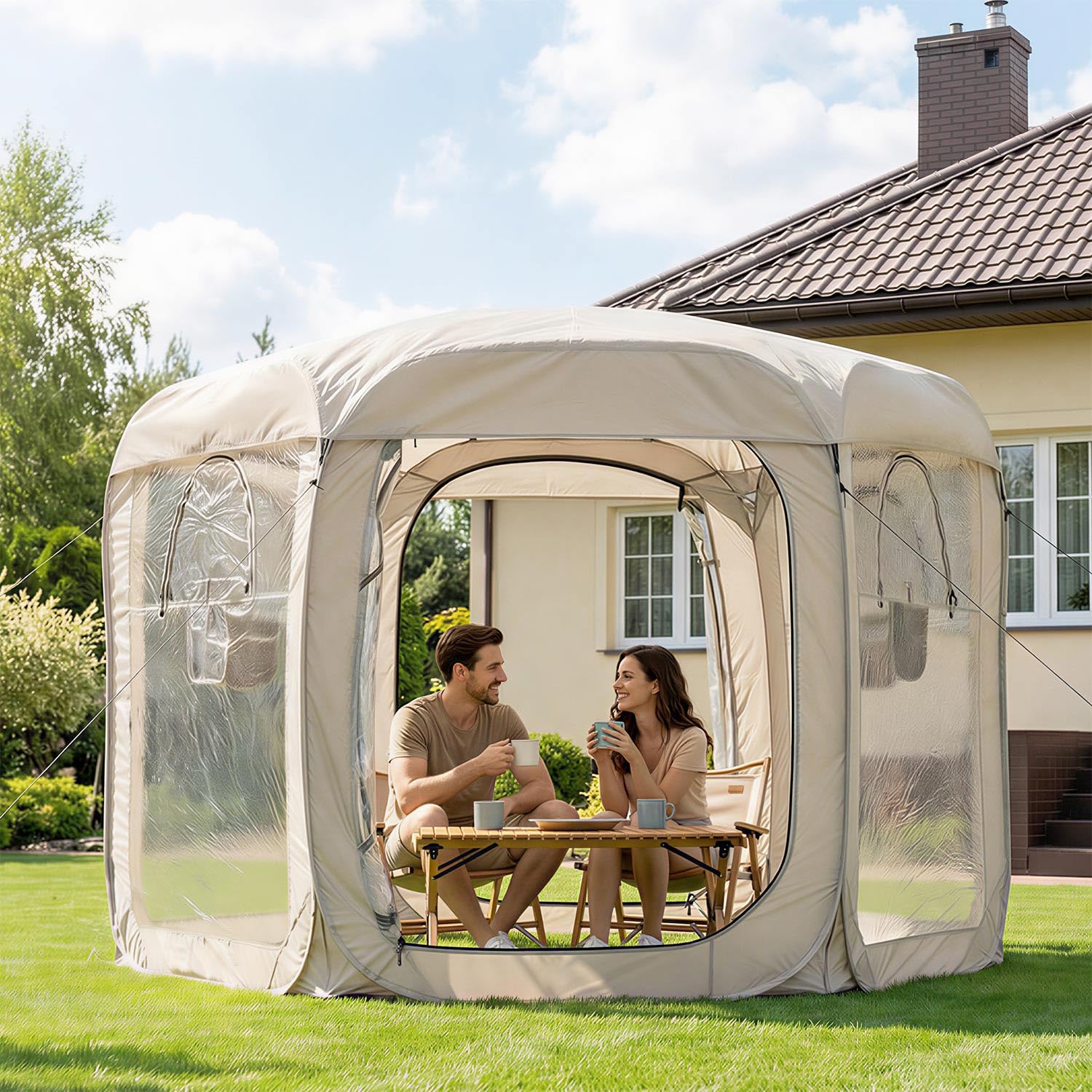
The Porayhut Bubble is a large screenhouse-style enclosure intended for backyard seating, gatherings, campsite living space, or seasonal outdoor use. Its approximately 120-by-103.5-inch footprint and roughly 83-inch height provide substantially more standing room than the smaller tents and sports pod.
The listing describes occupancy for up to six people, but that figure should be interpreted as seated or gathering capacity. This is not a conventional six-person sleeping tent, and its clear-panel design, doors, floor layout, and large roof are better suited to creating an outdoor room.
Why You’ll Like It
The Porayhut solves the problem of creating a spacious, enclosed gathering area without building a permanent gazebo. Clear panels preserve visibility, the detachable shade can reduce direct sun exposure, and the doors and mesh windows provide multiple ventilation options.
Who Should Buy This
It is best for backyard lounging, patios, seasonal outdoor dining, plant protection, campground common space, or events where several people need room to sit and move around.
Who Should Avoid This
Skip it if you need a lightweight trail shelter, a proven storm tent, a compact campsite footprint, or overnight accommodation for six sleepers. Buyers who cannot take the structure down before severe weather should also choose a more permanent solution.
Common Review Themes
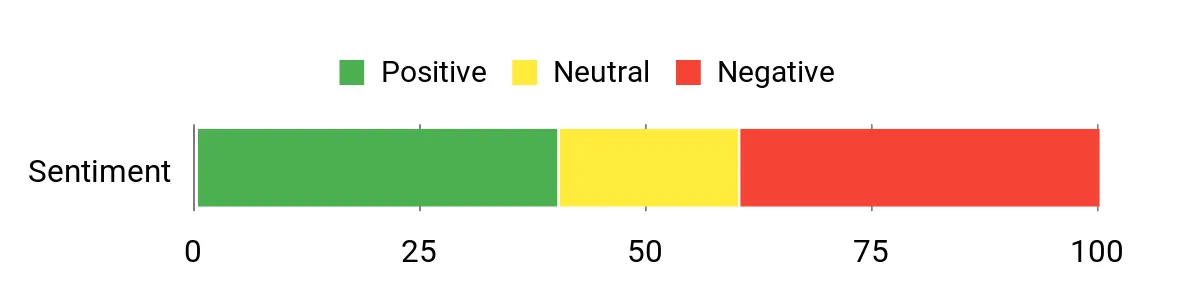
The source review summary notes appreciation for the spacious interior, clear roof, sunshade, floor, and relatively quick assembly. Reported concerns include seam quality, roof sagging or water collection, and occasional frame or material failures, so careful inspection and conservative weather use are important.
The chart below is preserved from the source article and is directional only. Its sample size, collection period, and sentiment methodology were not supplied.
Durability
The listing identifies fiberglass, galvanized steel wire, polyester, alloy-steel pole material, and a polyethylene floor among its construction details. Because large pop-up enclosures place significant loads on seams and frame connections, inspect each joint before use and avoid leaving the structure erected unnecessarily.
Weather Protection and Limits
The current listing specifies 2000 mm water-resistance technology and UV50+ protection. Those manufacturer specifications are useful comparison points, but they do not make a large bubble screenhouse safe in severe wind, snow loading, thunderstorms, or standing water.
Keep the roof correctly shaped, remove water before it accumulates, use the supplied anchoring system where appropriate, maintain drainage around the floor, and take the shelter down when strong wind or heavy precipitation is forecast.
Key Benefits
- Large interior with standing-height headroom
- Clear panels create an open, panoramic feel
- Detachable sunshade adds flexibility in bright conditions
- Polyethylene floor separates furniture and gear from damp ground
- Two zippered doors and four mesh windows support access and ventilation
- Suitable as a backyard room, event shelter, or campsite common area
Camping and Shelter Safety
- Never operate a fuel-burning heater, stove, grill, lantern, or generator inside an enclosed tent or shelter. Carbon monoxide can build up without warning.
- Do not treat a recreational tent, sports pod, or screenhouse as protection from lightning, flash flooding, falling trees, tornadoes, or severe wind.
- Check forecasts before setup and identify the nearest substantial building or vehicle.
- Use stakes and guy lines suited to the ground conditions, but do not rely on anchoring to make an unsuitable shelter storm-safe.
- Keep exits unobstructed and supervise children around zippers, guy lines, stakes, flexible frames, and clear PVC panels.
FAQ
Which Products Are Suitable for Sleeping?
The Coleman Sundome and CAMPROS 8P are conventional enclosed camping tents designed around overnight use. The EighteenTek PrivatePod is primarily a seated sports and event shelter, while the Porayhut Bubble is better understood as a large screenhouse or outdoor living enclosure.
How Weather-Resistant Are These Shelters?
Weather performance varies substantially. The camping tents use rainflies and enclosed floors for normal three-season use. The EighteenTek listing limits the pod to light rain and specifically excludes storms and strong wind. The Porayhut listing gives a higher water-resistance specification, but its large roof and screenhouse form still require conservative use and prompt takedown before severe weather.
Any shelter performs better when pitched on elevated, well-drained ground with corners evenly tensioned, stakes fully seated, and guy lines correctly placed. Manufacturer weather language is not a guarantee against leaks or structural failure.
Which Size Should I Choose?
Use advertised occupancy only as a starting point. For sleeping tents, subtract capacity when you bring large air mattresses, cots, pets, or substantial luggage. A four-person tent is often more comfortable for two adults and their gear, while an eight-person family tent may suit four to six campers who want room to move.
For event pods and screenhouses, occupancy generally refers to seated or standing users rather than sleepers. Compare the actual floor dimensions with your chairs, tables, coolers, and door-clearance needs.
Do Hydrostatic-Head Ratings Tell the Whole Story?
No. A millimeter rating describes resistance to water pressure under a particular test, but real performance also depends on seam construction, floor design, fabric condition, rainfly coverage, wind direction, pitch quality, drainage, and whether water is allowed to pool.
Should I Put a Tarp Under the Tent?
A properly sized footprint or groundsheet can reduce abrasion and mud. It should remain completely beneath the tent floor. Material extending beyond the perimeter can catch rain and direct water under the shelter.
How Can I Reduce Condensation?
Open vents and mesh panels when conditions permit, avoid bringing wet equipment inside, and keep bedding away from cold exterior walls. Condensation can occur even when a tent is not leaking because occupants release moisture through breathing and damp clothing.
How Should I Maintain and Store a Tent?
Practice setup and folding at home, brush away loose dirt, clean according to the manufacturer’s instructions, and allow every component to dry completely before storage. Avoid harsh detergents unless specifically approved, lubricate or clean zippers carefully, and inspect seam tape, elastic loops, poles, stakes, and guy lines before each trip.
What Campers and Outdoor Users Prefer
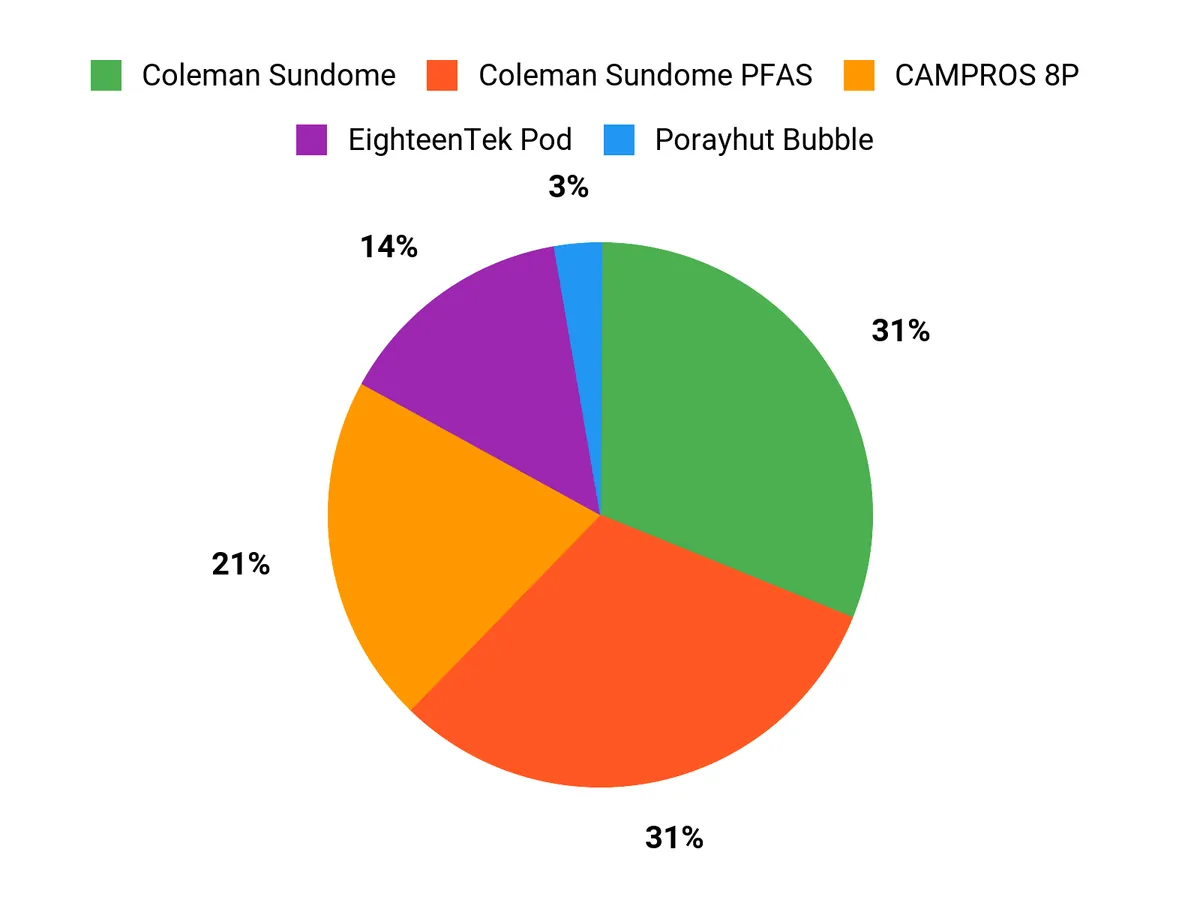
The most useful comparison is not simply which shelter is largest. Buyers choosing an overnight camping tent typically prioritize an enclosed sleeping area, a rainfly, floor protection, ventilation, and manageable setup. Event users care more about fast deployment, visibility, seated capacity, and portability. Backyard users often value standing room, shade, multiple doors, and an open outdoor-room feel.
Choose the Coleman Sundome when you want a compact and conventional sleeping tent. Select the CAMPROS 8P when family space and standing height matter most. Pick the EighteenTek PrivatePod for seated sports viewing in mild weather, and consider the Porayhut Bubble when your goal is a roomy backyard or campsite common area.
The chart below is preserved from the source article as a visual summary. No underlying survey methodology was supplied, so use the written comparison and current product specifications as the primary decision tools.
Final Recommendation
Choose the Coleman Sundome when you want the safest all-around recommendation for small-group recreational camping and do not need standing-height headroom.
Choose the CAMPROS 8P when you are car camping with family or friends and need significantly more floor space, a room divider, and a six-foot center height.
Choose the EighteenTek PrivatePod when the main goal is watching sports or attending an outdoor event from a clear seated shelter in light weather.
Choose the Porayhut Bubble when you want a spacious backyard screenhouse or campsite living area and can take it down before severe weather.
Regardless of the product, verify the selected variant, inspect every component before travel, practice the full setup, and use conservative judgment when weather conditions change.
| Product Name | Image | Shelter Type | Capacity Guidance | Weather Guidance | Dimensions (L x W x H) | Amazon |
|---|---|---|---|---|---|---|
| Coleman Sundome Camping Tent with Rainfly |
 |
Three-season dome sleeping tent | Listed for 4 people; generally more comfortable for fewer campers plus gear | Rainfly and water-resistant construction for normal recreational camping; not a severe-weather shelter | 108″L x 84″W x approximately 59–61″H | Check Price |
| CAMPROS CP 8-Person Camping Tent |
 |
Large family sleeping tent | Listed for 8 people; best sized according to mattresses, cots, and gear | Coated fabric, sealed seams, waterproof strips, and rainfly; no verified 1000 mm figure retained | 168″L x 108″W x 72″H | Check Price |
| EighteenTek PrivatePod Sports Tent |
 |
Clear seated sports and event pod | Approximately 2–3 seated people depending on chair size and gear | Listed at 300 mm; intended for light rain and not for storms, strong wind, or extreme weather | 70″L x 70″W x 63″H | Check Price |
| Porayhut Pop-Up Bubble Screenhouse |
 |
Large bubble screenhouse and outdoor room | Listed for up to 6 occupants; not a six-person sleeping-capacity claim | Listing specifies 2000 mm and UV50+; avoid severe wind, snow loading, storms, and roof pooling | 120″L x 103.5″W x approximately 83″H | Check Price |
This roundup is reader-supported. When you click through qualifying affiliate links, we may earn a referral commission. Prices, sellers, variants, ratings, review totals, specifications, and availability can change; confirm current product details on Amazon before purchasing.
