Winter camping requires a different kind of shelter than ordinary warm-weather camping. A true winter tent needs a structure and enclosure designed for stronger wind, blowing snow, colder conditions, and the heavier gear that comes with a cold-weather trip.
After reviewing the supplied products, this guide has been narrowed to the one model that genuinely matches serious winter and four-season buyer intent: the Big Agnes Mad House 8. It is a large group shelter designed for mountaineering, expedition basecamps, and winter trips where weather protection and interior space matter more than low pack weight.
Affiliate disclosure:. As an Amazon Associate I earn from qualifying purchases. This roundup is reader-supported. When you click an Amazon link, we may earn a referral commission on qualifying purchases at no additional cost to you.
Quick Verdict
Best match from the supplied list: Big Agnes Mad House 8
The Mad House 8 is the clear choice when you need a large, purpose-built four-season shelter for a winter basecamp or mountaineering group. Its reinforced pole structure, closable fabric panels, two-room layout, vestibules, storage, and extensive guying make it much better suited to winter use than a typical three-season camping tent.
Choose it for: group expeditions, winter basecamps, mountaineering teams, extended cold-weather camps, and trips where interior room is a priority.
Skip it for: solo backpacking, fast-and-light travel, casual summer camping, or trips where you must carry the entire shelter long distances by yourself.
Top Pick
|
Category |
Product |
Best Fit |
|---|---|---|
|
🏔️ Best Four-Season Group Shelter |
Winter basecamps and mountaineering groups |
How We Chose
For a winter-focused recommendation, an explicit four-season or mountaineering design was treated as a minimum requirement rather than an optional feature. We also considered structural support, pole construction, closable fabric panels, guyline coverage, vestibule space, ventilation control, wet-gear storage, group livability, setup complexity, and the practical burden of transporting a large shelter.
Three-season backpacking, bikepacking, and family car-camping tents were excluded because they are not purpose-built for sustained snow loading, exposed winter winds, or expedition use. They may work in carefully selected, mild conditions, but they do not satisfy the same buyer intent as a true winter mountaineering tent.
The Big Agnes Mad House 8 is built for the situation in which a normal backpacking tent becomes too small or too lightly constructed: several people need a stable shelter, winter equipment occupies substantial space, and the camp may remain in place through changing weather.
Its two-room configuration gives a group more control over sleeping, gear storage, changing, and shared living space. Two doors and two vestibules make it easier to manage entry and wet equipment without forcing everyone through one opening.
Why You’ll Like It
This shelter solves the biggest problem with group winter camping: fitting people, bulky sleep systems, boots, layers, packs, and shared equipment inside a structure designed for four-season use. The large interior is especially valuable during storms, rest days, or long evenings when the group cannot comfortably remain outside.
Who Should Buy This
- Mountaineering teams establishing a winter or high-elevation basecamp
- Large groups that need a shared four-season shelter
- Winter campers who prioritize interior room over minimum pack weight
- Expedition users who need separate sleeping and equipment areas
- Groups prepared to transport, pitch, anchor, and maintain a substantial shelter
Who Should Avoid This
- Solo hikers and ultralight backpackers
- Couples who do not need an eight-person structure
- Campers looking for a simple instant or pop-up tent
- Occasional warm-weather campers who would not benefit from mountaineering construction
- Anyone unable to practice the multi-pole setup before entering remote conditions
Winter Structure and Stability
The tent uses large-diameter DAC poles, reinforced pole sleeves, fly-to-pole attachment points, and equalized guylines to create a stronger structure than a conventional three-season shelter. Color-coded webbing and attached guyline tensioners help organize the pitch, but this remains a large technical tent rather than a quick two-pole camping shelter.
All available guylines should be deployed when wind or snow is expected. Stakes must also be appropriate for the surface; standard stakes may not provide adequate holding power in loose snow, deep snow, frozen soil, or sand.
Interior Space and Organization
An included fabric divider allows the interior to be arranged as two rooms. That can help separate sleeping space from packs, boots, climbing equipment, or shared camp supplies. Oversized storage pockets and interior attachment loops keep frequently used items accessible without covering the floor.
Although the stated capacity is eight people, winter equipment takes more room than summer gear. Groups that want generous personal space may prefer to use the tent below its maximum occupancy.
Weather Protection
The rainfly uses polyester ripstop with a polyurethane coating, while the floor uses coated polyester Oxford. The seams are factory taped. These features support wet-weather protection, but hydrostatic-head numbers should not be treated as a complete measure of winter performance. Pitch quality, anchoring, pole support, ventilation, snow management, wear, and site selection also matter.
Closures allow the doors, vents, and windows to balance protection and airflow. Keeping some controlled ventilation is important because a large group can introduce substantial moisture into the tent through breathing, damp clothing, and snow-covered equipment.
Setup
The Mad House 8 uses multiple poles, sleeves, clips, buckles, stakes, and guylines. Color coding helps, but first-time setup should not take place after dark in severe weather.
Pitch it at home or in a safe local area before the trip. Confirm that every pole, stake, guyline, tensioner, repair item, and fabric component is present, and make sure every member of the group understands the basic process.
Buyer Feedback Context
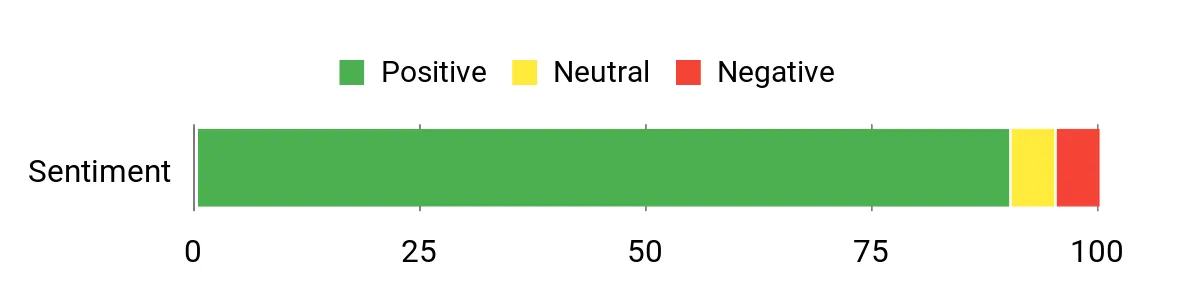
The source material contained only a very small amount of buyer feedback for this model. That is not enough to justify a perfect score or a broad conclusion about long-term owner sentiment. Use the feedback as anecdotal context and base the buying decision primarily on verified design, intended use, capacity, transportation needs, and setup requirements.
The original sentiment snapshot is preserved below, but it should not be treated as statistically reliable.
Durability and Care
The reinforced structure and polyester materials are intended for repeated expedition-style use, but no technical tent is maintenance-free. Abrasion, ultraviolet exposure, dirt in the zippers, prolonged damp storage, and repeated high-wind loading can shorten its service life.
Dry the shelter completely before storage. Brush dirt from the zippers, inspect pole joints and guy points, and store the tent in a cool, dry location rather than leaving it compressed in a hot vehicle or damp equipment room.
Key Benefits
- Purpose-built four-season mountaineering design
- Large eight-person capacity for teams and group basecamps
- Included divider creates a flexible two-room interior
- Two doors and two vestibules improve group access and gear management
- Large-diameter DAC poles and reinforced pole sleeves support structural stability
- Extensive guylines help reinforce the tent in exposed conditions
- Closable door and vent panels allow better cold-weather control
- Interior storage reduces floor clutter
Important Limitations
- Far heavier and bulkier than a typical backpacking tent
- More complicated to pitch than a small freestanding shelter
- Oversized for most solo, couple, or casual weekend trips
- Requires careful anchoring and full guyline use in difficult weather
- The compatible footprint is sold separately
- Limited buyer-feedback volume makes long-term sentiment difficult to judge
- A four-season rating does not eliminate the need for conservative weather and avalanche decisions
Check Current Amazon Availability
Before You Buy
- Confirm the exact model: Make sure the listing is for the eight-person Mad House and not a different size, footprint, accessory, or replacement component.
- Review included items: Check the current listing for poles, stakes, guylines, divider, stuff sacks, and other included components.
- Plan transportation: This is a substantial group shelter, not an ultralight tent intended for one person to carry casually.
- Practice setup: Complete at least one full pitch before the trip.
- Choose suitable anchors: Snow, frozen ground, sand, and loose soil may require specialized anchors.
- Account for winter gear: Maximum occupancy does not necessarily equal comfortable winter occupancy.
- Consider a footprint: The compatible footprint is an optional accessory sold separately.
- Build a complete sleep system: Use a sleeping bag and insulated pad appropriate for the forecast and individual sleeper.
How to Choose a Winter Tent
Start With the Season Rating
A three-season tent is primarily designed for spring, summer, and fall. It may be usable during a calm, mild winter night at a protected low-elevation campsite, but that does not make it an appropriate mountaineering or storm shelter.
A four-season tent generally uses stronger structure, more fabric coverage, additional guy points, and better control over ventilation and openings. Even then, designs vary: a small alpine tent, a group basecamp tent, and an expedition dome solve different problems.
Match Capacity to Winter Gear
Cold-weather sleeping bags, insulated pads, boots, parkas, and technical equipment require more room than summer gear. For greater comfort, many winter groups use a tent below its stated maximum capacity.
Evaluate Pole Geometry
More pole intersections and stronger pole support can improve stability, but they also add weight and setup complexity. Look beyond the number of poles and consider how the poles cross, how the fabric connects to them, and how the structure is reinforced by guylines.
Check Ventilation Control
Closing every opening can trap moisture. Look for vents and doors that can be adjusted without leaving the interior overly exposed. Keep snow from blocking low vents, and manage wet equipment so it does not add unnecessary moisture to the sleeping area.
Consider Vestibule and Storage Space
Vestibules help keep snowy boots, packs, and equipment out of the sleeping area. They also make entrances easier to manage during poor weather. Do not use an enclosed vestibule as an excuse to operate unsafe combustion equipment.
Plan for the Setup
A large winter shelter may require several people, more time, and a carefully prepared site. Practice the pitch, assign roles, and keep essential components accessible rather than buried in different packs.
Winter Tent Safety
Important: A tent cannot guarantee safety in severe weather.
- Check forecasts, avalanche information, wind exposure, and escape options before committing to a site.
- Avoid camping beneath loaded branches, unstable snow, icefall, cornices, or avalanche paths.
- Use all required poles, attachment points, stakes, and guylines.
- Remove accumulating snow before it places excessive load on the structure.
- Maintain ventilation to reduce condensation.
- Do not use a charcoal grill, open flame, or unapproved fuel-burning heater inside the tent.
- Keep exits clear and ensure every occupant knows how to open them.
- Carry repair supplies appropriate for poles, fabric, zippers, and guylines.
Related Guides
FAQ
Is the Big Agnes Mad House 8 a True Four-Season Tent?
Yes. It is designed and marketed as a four-season, freestanding mountaineering tent. Its structure, fabric coverage, guying, and interior configuration are intended for much more demanding conditions than a normal three-season camping tent.
Is It Suitable for Backpacking?
It is transportable as expedition equipment, but it is not an ultralight backpacking shelter. Its size, multiple poles, stakes, fabric, and group capacity make it better suited to a team that can divide the load or move equipment to a basecamp using an appropriate transportation plan.
Does an Eight-Person Tent Comfortably Sleep Eight People in Winter?
It may accommodate up to its stated capacity, but comfortable occupancy depends on sleeping-pad widths, sleeping bags, personal equipment, group organization, and how much interior space is reserved for gear. Fewer occupants will provide more room for bulky winter systems.
Does the Tent Include a Footprint?
The compatible footprint is generally treated as a separate accessory. Check the exact Amazon listing before ordering because bundles and included accessories can vary.
Can I Use a Heater Inside It?
Do not assume that a large vestibule or four-season rating makes indoor heater use safe. Follow the tent manufacturer’s instructions and the appliance manufacturer’s restrictions. Avoid open flames, charcoal, and fuel-burning devices that are not explicitly approved for the intended enclosed-space use.
How Should I Anchor It in Snow?
The correct method depends on snow depth and consistency. Standard stakes may be ineffective in soft snow. Appropriate snow stakes, buried anchors, skis, poles, or other established winter anchoring methods may be required. Test every anchor and fully tension the shelter.
How Do I Reduce Condensation?
Use adjustable vents, avoid bringing excess snow into the sleeping area, keep wet clothing organized, and provide airflow whenever conditions safely permit. A tent occupied by several people can accumulate substantial interior moisture overnight.
How Do I Care for the Tent?
Allow it to dry completely before storage, remove dirt from zippers and pole connections, inspect seam tape and guy points, and store it in a cool, dry place. Avoid machine washing, harsh detergents, prolonged damp storage, and unnecessary ultraviolet exposure.
Final Recommendation
The Big Agnes Mad House 8 is the only supplied product that belongs in a serious winter-tent recommendation.
Choose it when you need a large four-season shelter for a mountaineering team, winter group camp, or expedition basecamp and you are prepared for its transport and setup demands.
For a small party, lightweight trip, or technical alpine route, a different purpose-built four-season shelter may be more practical. Do not substitute an ordinary three-season ultralight or family camping tent simply because it has a rainfly or has survived isolated cold-weather trips.
| Product Name | Image | Season Rating | Occupancy | Primary Use | Weather-Protection Details | Special Highlights | Amazon Link |
|---|---|---|---|---|---|---|---|
| Big Agnes Mad House 8 |
 |
Four-season mountaineering tent | Up to 8 people | Group winter and expedition basecamps | Coated polyester fly and floor, taped seams, reinforced pole structure, closable panels, and extensive guying |
|
View on Amazon |
This Roundup is reader-supported. When you click through links we may earn a referral commission on qualifying purchases.

