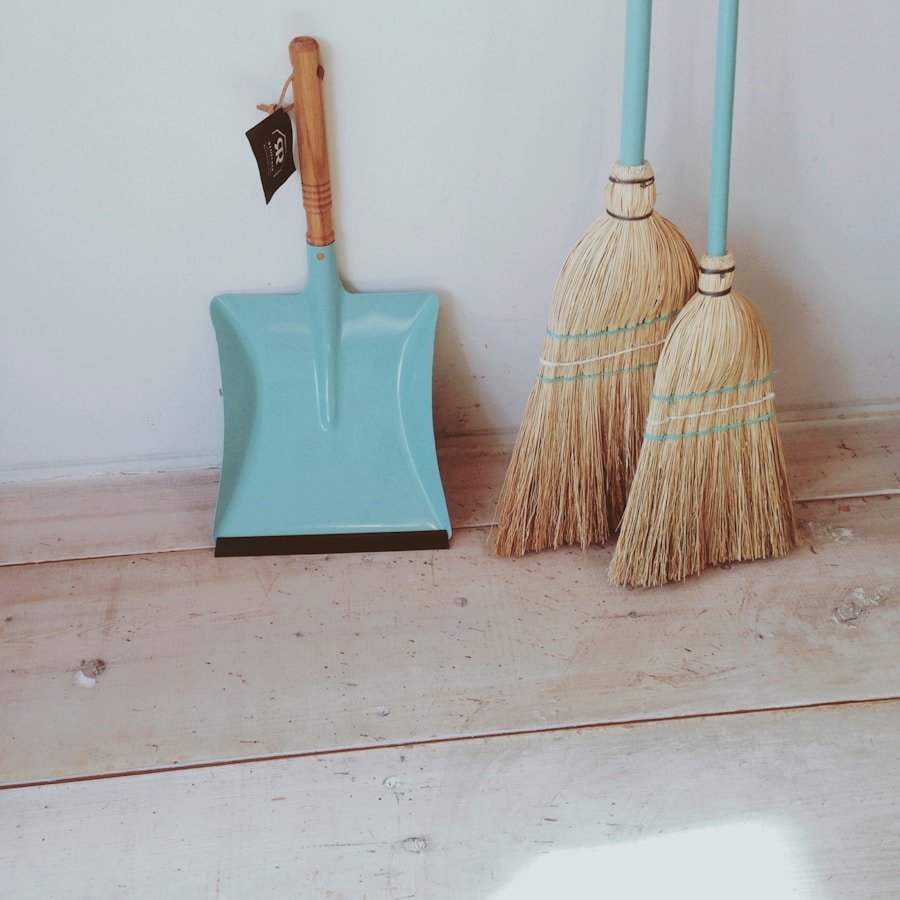
Spring cleaning works best when you treat it like a simple home reset, not a rushed weekend chore. Instead of trying to clean everything at once, start with a clear plan, sort your belongings with purpose, use the right tools, and build habits that keep your space easier to manage after the season ends.
A good spring cleaning routine helps you remove dust, clutter, expired items, and forgotten messes that build up over time. It also gives you a chance to reorganize your rooms so your home feels calmer, cleaner, and more useful every day.
Quick Answer
Use spring cleaning effectively by setting clear room-by-room goals, decluttering before deep cleaning, choosing safe and useful cleaning tools, following a realistic schedule, and creating simple storage systems that help you maintain the results throughout the year.
Key Takeaways
- Set clear, specific goals before you start so each cleaning session has a purpose.
- Declutter first, then clean, because open surfaces and clear storage areas make the work easier.
- Use the right tools for each task, including microfiber cloths, a reliable vacuum, gloves, and gentle cleaners.
- Break the work into a realistic schedule so you avoid burnout and missed tasks.
- Choose reusable, low-waste cleaning habits when they fit the job and your household needs.
- Maintain your progress with small daily routines instead of waiting for another big cleanout.
At a Glance
| Time Required | One weekend for a small home, or 1 to 3 weeks when cleaning room by room |
| Difficulty | Easy to moderate, depending on clutter level and deep cleaning needs |
| Tools Needed | Trash bags, donation boxes, microfiber cloths, vacuum, mop, gloves, storage bins, labels, and basic cleaners |
| Cost | Low if you use supplies you already own; moderate if you buy storage bins, organizers, or specialty tools |
As the seasons shift and the days grow longer, spring presents an ideal moment to refresh your living space. Setting clear goals for your spring cleaning is essential because it keeps the process focused, effective, and satisfying. Begin by assessing the areas of your home that need the most attention.
This could include a cluttered garage, a dusty attic, an overflowing pantry, a crowded closet, or even a neglected garden shed. By identifying specific areas that need cleaning or organizing, you create a targeted approach that maximizes your effort and reduces overwhelm.
Once you have pinpointed your main areas of focus, establish measurable objectives. Instead of saying you want to “clean the kitchen,” write a more useful goal such as “declutter the pantry, wipe down all counters, clean the appliances, and organize the cabinets.”
This level of detail gives you clarity and makes your progress easier to track. Write down your goals, then break them into smaller tasks. That way, you can celebrate small wins as you move through your spring cleaning checklist.
Organizing and Decluttering Your Space
Start Small and Stay Focused
Start by tackling one room at a time to avoid feeling overwhelmed. In each room, sort items into four simple categories: keep, donate, recycle, and discard. This method helps you make faster decisions and encourages a more mindful approach to what you own.
Begin with visible clutter before opening drawers, closets, or storage boxes. Clear counters, floors, tables, and entryways first. These quick wins make the room feel better right away and give you more space to keep working.
As you sort, ask practical questions. Have you used the item in the past year? Does it still work? Does it fit your current life? Would you buy it again today? These questions help you separate useful items from things you keep out of habit.
Note: Avoid creating a “maybe” pile unless you set a deadline for it. If you keep too many undecided items, you simply move clutter from one spot to another.
Optimize Your Space
In addition to sorting through items, think about how you can optimize the organization of the things you choose to keep. Use storage bins, baskets, shelf dividers, and drawer organizers to create designated spaces for different categories of items.
Labeling these containers can further improve organization and make it easier to find what you need when you need it. Labels also help other people in the household return items to the correct spot.
Try to store items where you actually use them. Keep cleaning supplies near the rooms they serve, place everyday kitchen tools within easy reach, and move seasonal items to higher shelves or long-term storage areas.
Streamline Your Workspace
For instance, in a home office, use labeled folders for documents and color-coded bins for supplies. This not only streamlines your workspace but also creates a sense of order that can support productivity.
Remove anything from your desk that does not serve your daily work. Keep only the tools you use often, such as a notebook, pens, charger, planner, or laptop stand. Store less-used items in drawers or bins so your work surface stays clear.
Digital clutter also deserves attention during spring cleaning. Delete old downloads, organize important files, clear your desktop, and unsubscribe from emails you no longer read. A cleaner digital space can make your daily routine feel less scattered.
Utilizing the Right Cleaning Products and Tools

The effectiveness of your spring cleaning efforts can be greatly influenced by the cleaning products and tools you choose. High-quality tools can make a noticeable difference in the speed and ease of your cleaning tasks.
For example, microfiber cloths work well for dusting and wiping surfaces because they trap dust particles instead of simply moving them around. A vacuum cleaner with a HEPA filter can also help capture fine particles and improve the cleaning process, especially in homes with pets or allergy concerns.
When selecting cleaning products, consider both their effectiveness and their impact on your indoor environment. Many strong cleaners work well for specific tasks, but they may not be necessary for everyday cleaning. Always read product labels, follow directions, and avoid mixing cleaning products.
Warning: Never mix bleach with ammonia, vinegar, or other cleaners. Mixing products can create dangerous fumes. Use one product at a time and keep the room ventilated.
You can also explore simple, lower-waste cleaning options when they fit the task. Vinegar and baking soda can help with some household cleaning jobs, such as deodorizing drains, freshening trash cans, or removing light buildup. However, they are not right for every surface.
Avoid using acidic cleaners like vinegar on natural stone, marble, granite, or some sealed surfaces unless the manufacturer says it is safe. For delicate materials, test a small hidden area first.
Keep your basic kit simple. A good spring cleaning kit may include microfiber cloths, scrub brushes, a duster, vacuum attachments, mop pads, rubber gloves, trash bags, donation boxes, glass cleaner, all-purpose cleaner, disinfectant for high-touch surfaces, and storage labels.
[Amazon Products Picked for You]

Complete Accessories Kit: Designed specifically for Xiaomi E10/B112/E12 robot vacuum cleaners, this replacement set includes 2 main brushes, 4 side brushes, 2 HEPA filters,...
Creating a Schedule and Sticking to It
| Metrics | Data |
|---|---|
| Number of Scheduled Tasks | 25 |
| Percentage of Completed Tasks | 80% |
| Number of Missed Deadlines | 5 |
| Time Spent on Unscheduled Activities | 10 hours |
Creating a cleaning schedule is an essential step in making your spring cleaning efforts organized and productive. A well-structured schedule allows you to assign specific time slots for each task, reduce procrastination, and make sure no major area is overlooked.
Start by deciding how much time you can realistically dedicate to cleaning each day or week. Be honest about your schedule. A plan that fits your real life is more useful than an ambitious plan you cannot follow.
Once you know your available time, break your goals into daily or weekly tasks. For example, if you plan to clean your entire home over two weeks, assign certain days to specific rooms or task types. You might focus on bedrooms one day, bathrooms another day, and kitchen appliances later in the week.
Include breaks in your schedule so you do not burn out. Long cleaning sessions can become tiring, especially when you are lifting boxes, scrubbing surfaces, or making many decisions about clutter.
Use reminders on your phone, a calendar, or a printed checklist to stay accountable. The satisfaction of checking off completed tasks can motivate you to continue following through with your plan.
Pro Tip: Schedule the most difficult room first if you have strong energy at the beginning. Schedule it later only if quick wins help you build momentum.
Sample Room-by-Room Spring Cleaning Plan
A room-by-room plan keeps the process simple and helps you avoid jumping between unfinished tasks. Use this sample structure as a flexible guide:
- Day 1: Declutter entryways, mudrooms, and common drop zones.
- Day 2: Clean the living room, dust surfaces, vacuum upholstery, and organize media items.
- Day 3: Declutter bedrooms, rotate seasonal clothing, and wash bedding.
- Day 4: Clean bathrooms, scrub grout, wipe mirrors, and discard expired products.
- Day 5: Clean the kitchen, organize the pantry, wipe cabinets, and check expired food.
- Day 6: Tackle storage areas, closets, garage shelves, or the attic.
- Day 7: Finish floors, windows, touch-ups, and donation drop-offs.
You can spread these tasks over several weeks if needed. Spring cleaning should make your home easier to live in, not create unnecessary stress.
Implementing Sustainable and Eco-Friendly Cleaning Practices
In recent years, more people have become aware of sustainability in daily home care, including cleaning practices. Eco-friendly cleaning methods can reduce waste, limit unnecessary chemical use, and support a healthier living space when used correctly.
Start by evaluating the products you already use. Some conventional cleaners are useful for tough jobs, but you may not need a different product for every surface in your home. Reducing duplicate products can save space and make your cleaning routine easier.
Transitioning to more sustainable practices can be as simple as using washable cleaning cloths instead of disposable paper towels for routine messes. You can also refill spray bottles, buy concentrated cleaners when appropriate, and choose durable tools that last longer.
Homemade cleaners can be helpful for some basic jobs. A mixture of vinegar and water can clean certain glass surfaces, while baking soda can help deodorize and gently scrub some areas. Still, homemade cleaners are not automatic replacements for disinfectants, degreasers, or specialty products.
When you need to disinfect high-touch areas, such as doorknobs, light switches, faucet handles, or toilet flush handles, use a product intended for that purpose and follow the label directions. Disinfectants often need to stay wet on the surface for a specific amount of time to work properly.
Also think about how you dispose of unwanted items. Donate clean and usable goods, recycle accepted materials according to your local rules, and safely dispose of old paint, batteries, chemicals, or electronics through proper local programs.
[Amazon Products Picked for You]

EXTRA ABSORBENT: Our Sponge Cloths are made with a patented process that blends cellulose, non-GMO unbleached cotton, and mirabilite – a natural mineral salt, which is washed out during production leaving 70% cellulose & 30% cotton, which very porous and can absorb up to 20x its own weight in water.

Eco-friendly Materials: Our Swedish dishcloths for kitchen are made from 30% cotton and 70% cellulose wood pulp and are fully compostable within 6-8 weeks, reducing environmental impact. Each dish cloth measures 7.68 x 6.8 inches with a large surface design for faster, more efficient cleaning.

Strong Cleaning: Take the Swedish dishcloths to efficiently clean any surface; it is perfect for washing dishes, wiping worktops, and polishing various surfaces in your home, such as glass mugs, windows, and furniture
Maximizing Storage and Organization Solutions

As you declutter and clean your space, think strategically about storage solutions that will help maintain organization long after spring cleaning is complete. The goal is not just to hide items. The goal is to make your home easier to use.
One effective approach is to use vertical space by installing shelves, hooks, pegboards, or wall-mounted organizers. This frees up floor space and gives you a place to store frequently used items within easy reach.
In addition to vertical storage, consider multi-functional furniture pieces that offer hidden storage options. Ottomans with internal compartments, benches with lift-up seats, and beds with built-in drawers can help maximize space in smaller rooms while keeping clutter controlled.
Under-bed storage containers can work well for seasonal clothing, extra linens, holiday decor, or less frequently used belongings. Clear bins make it easier to see what is inside, while labels help you avoid opening every container when you need one item.
Group similar items together. Store batteries with small electronics, gift wrap with ribbons and tape, pet supplies in one area, and cleaning refills in a single bin. This simple habit reduces duplicate purchases because you can see what you already own.
Use the “prime space” rule when organizing. The easiest-to-reach shelves, drawers, and cabinets should hold items you use often. High shelves, deep storage, and back corners should hold seasonal or rarely used items.
[Amazon Products Picked for You]

Hold Up to 66lbs: Yecaye under bed storage with wheels is made of high quality 300D PU fabric and sturdy metal frame, can hold up to 66 lbs, stronger than other fragile metal mesh, spacious capacity perfect for storing clothes, toys, books, shoes and other heavy items also won't compromise stability and durability

【Large-Capacity Under Bed Storage for Dorm Rooms】 Measuring 30" L x 15" W x 6.7" H, this spacious under-bed storage bin helps make better use of limited space in dorm rooms, apartments, and bedrooms. Ideal for organizing clothes, bedding, shoes, school supplies, and other everyday essentials.

CUT THE CLUTTER - If you’re looking to maximize your closet storage, then our slim, compact, under bed storage bags are just what you need to take your home organization a notch higher!
Best Storage Ideas by Area
- Kitchen: Use clear pantry bins, turntables for sauces, drawer dividers, and shelf risers.
- Bathroom: Use small baskets for toiletries, labels for shared storage, and hooks for towels.
- Bedroom: Use under-bed bins, closet dividers, and matching hangers to create a cleaner look.
- Entryway: Use shoe racks, wall hooks, baskets, and a small tray for keys or mail.
- Garage: Use wall-mounted racks, labeled bins, and zones for tools, sports gear, and seasonal items.
By implementing these storage solutions during your spring cleaning process, you create an organized environment that is both functional and visually pleasing.
Incorporating Deep Cleaning Techniques
Spring cleaning often starts with surface-level tidying, but deep cleaning is what makes your home feel truly refreshed. Deep cleaning focuses on areas that are usually skipped during regular cleaning routines, such as baseboards, light fixtures, vents, grout lines, and spaces behind appliances.
These tasks may take more time and effort, but they are important for maintaining a cleaner living space. Dust, crumbs, grease, soap scum, pet hair, and moisture can collect in hidden areas over time.
To deep clean your home effectively, create a checklist of areas that need attention. In the kitchen, pull out appliances when it is safe to do so and clean behind them. Wipe cabinet fronts, clean the range hood area, empty the toaster crumb tray, and sanitize trash cans.
In bathrooms, focus on scrubbing grout lines, descaling showerheads, washing bath mats, wiping exhaust fan covers, and cleaning behind the toilet. Replace old sponges, wash toothbrush holders, and discard expired personal care products.
In bedrooms and living areas, wash curtains if the care label allows it, vacuum under furniture, dust ceiling fans, clean lampshades, wipe baseboards, and vacuum mattress surfaces. Move furniture carefully so you can reach hidden dust without damaging floors.
Specialized tools can make deep cleaning easier. A crevice tool helps with tight spaces, a soft brush helps with delicate surfaces, and a steam cleaner may help on some sealed surfaces when used according to instructions. Always check material care guidelines before using heat, moisture, or strong cleaners.
Common Areas People Forget During Spring Cleaning
- Ceiling fan blades and light fixtures
- Window tracks, blinds, and curtain rods
- Baseboards, door frames, and switch plates
- Behind and under large appliances
- Air vents and return grilles
- Trash cans, recycling bins, and laundry hampers
- Closet floors and top shelves
- Remote controls, keyboards, and other high-touch items
By dedicating time to deep cleaning during your spring cleaning routine, you make sure every corner of your home gets the attention it needs.
Maintaining a Clean and Tidy Space Throughout the Year
The ultimate goal of spring cleaning is not just to create a temporary state of cleanliness. The real goal is to build habits that help you maintain a tidy space throughout the year.
One effective strategy is to adopt a “one in, one out” policy for new purchases. For every new item you bring into your home, consider donating, recycling, or discarding an existing item. This habit helps prevent clutter from building up again.
Daily and weekly maintenance routines can also make a big difference. Simple habits such as making your bed each morning, doing dishes after meals, wiping bathroom counters, and setting aside 10 minutes each day for quick tidying can keep your home from sliding back into disorder.
Create a small reset routine for the end of each day. Return items to their homes, clear the main surfaces, prepare anything needed for the next morning, and take out trash if needed. These small steps keep messes from becoming larger projects.
For weekly upkeep, choose one or two recurring tasks, such as vacuuming, mopping, laundry, dusting, or cleaning bathrooms. Keeping these tasks on a routine makes future spring cleaning easier because you will not be starting from zero.
It also helps to review your storage systems every few months. If an area keeps getting messy, the system may not fit your habits. Move items closer to where you use them, reduce the number of items in that area, or choose easier containers.
By building these habits after spring cleaning, you create an environment that remains inviting and comfortable throughout the year. Cleanliness becomes less of a seasonal chore and more of an ongoing lifestyle choice.
If you’re looking to make your spring cleaning routine even more efficient, consider investing in one of the 5 Most Stylish Paper Towel Holders recommended by experts. Having a designated spot for your cleaning supplies can help streamline the process and keep your space organized. Additionally, if you’re dealing with any stubborn clogs during your cleaning spree, check out the 5 Best Drain Cleaners for Clogged Sinks to quickly and effectively tackle the issue. And to stay hydrated and refreshed while you work, consider using one of the 5 Best Water Infuser Pitchers for Refreshing Beverages to infuse your water with delicious flavors.
Related Guides
Frequently Asked Questions
What is spring cleaning?
Spring cleaning is the practice of thoroughly cleaning and organizing a home or space, usually during spring. It often includes decluttering, deep cleaning, reorganizing storage areas, washing overlooked surfaces, and freshening up the home after winter.
Why is spring cleaning important?
Spring cleaning is important because it helps remove built-up dust, dirt, clutter, and allergens from the home. It also gives you a chance to organize your belongings, improve daily routines, and create a calmer living environment.
How can I use spring cleaning effectively?
Use spring cleaning effectively by creating a plan, prioritizing the most cluttered or neglected areas, decluttering before deep cleaning, and assigning tasks to specific days. Start with one room at a time so you can finish each area before moving on.
What are some tips for effective spring cleaning?
Effective spring cleaning tips include making a checklist, gathering supplies before you start, sorting items into keep, donate, recycle, and discard categories, using the right tools for each task, and breaking the work into manageable sessions.
How often should I spring clean?
Spring cleaning is traditionally done once a year, but many homes benefit from smaller deep-cleaning and decluttering sessions every few months. Regular maintenance keeps clutter under control and makes your next full spring cleaning easier.
Should I declutter or clean first?
Declutter first whenever possible. Removing items you no longer need gives you clearer surfaces, easier access to corners and shelves, and fewer objects to move while dusting, vacuuming, or wiping down the room.
What rooms should I spring clean first?
Start with the room that bothers you most or the room your household uses most often. Kitchens, bathrooms, bedrooms, and entryways are good starting points because cleaning them usually makes the biggest difference in daily life.

1 thought on “Maximizing Your Spring Cleaning: Tips for Effective Use”