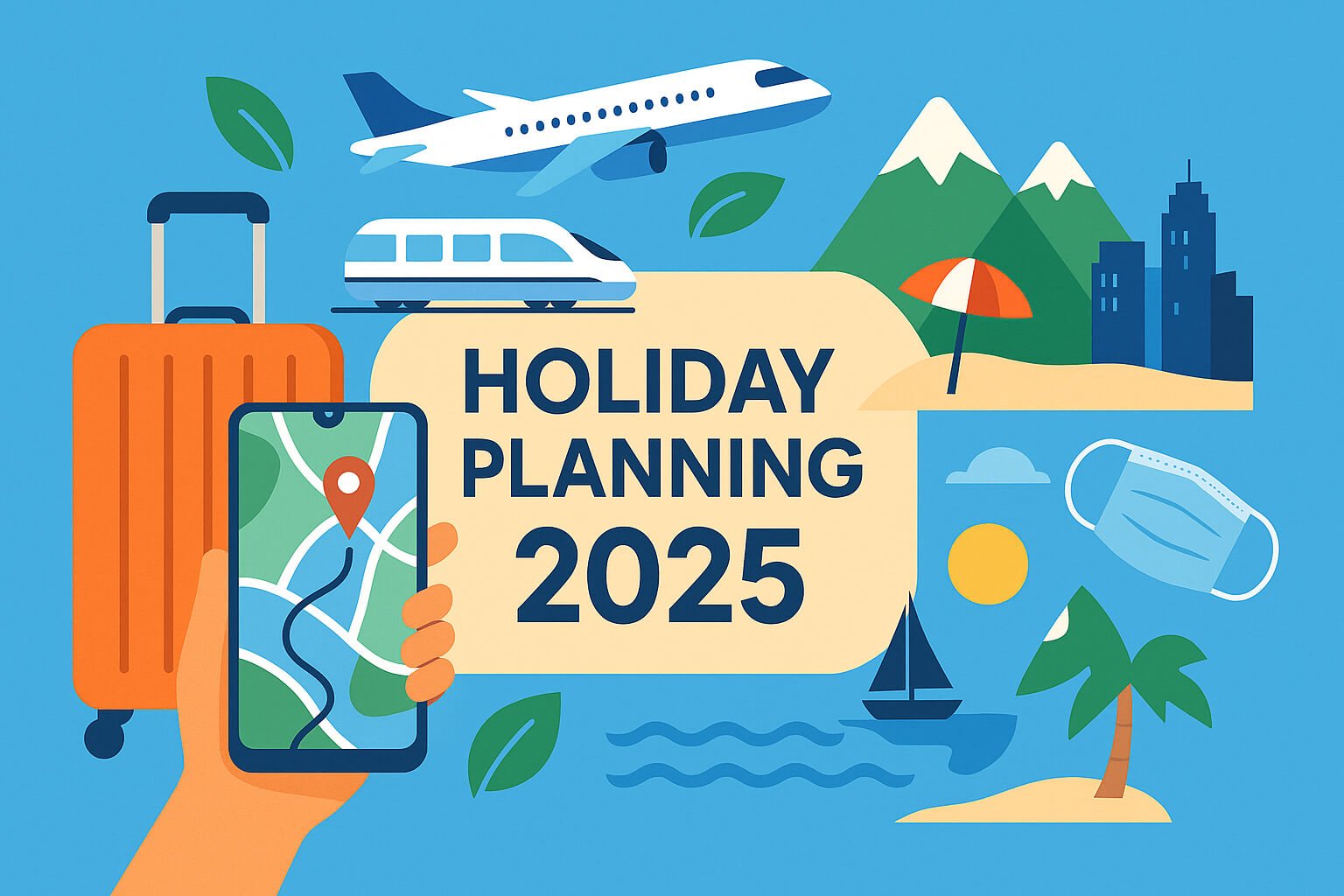
Planning ahead is the cornerstone of a smoother holiday experience. A good holiday plan helps you decide what you want from your time away, choose the right destination, manage your budget, pack efficiently, and reduce last-minute stress. Before you book anything, define the purpose of your trip. Are you looking for rest, adventure, culture, family time, or a mix of several goals?
Defining your goals makes every later decision easier. If relaxation is your priority, a quiet beach resort may fit better than a packed city itinerary. If you want adventure, hiking, wildlife tours, or active sightseeing may be worth building into the plan. Once you know the kind of trip you want, create a flexible itinerary that covers travel dates, accommodation, transportation, daily activities, food options, and downtime.
Quick Answer
The best holiday planning tips are to set a clear trip goal, build a realistic budget, book key travel details early, keep documents organized, pack around your actual activities, and leave room for flexibility. A simple plan helps you avoid stress without turning your holiday into a rigid schedule.
Key Takeaways
- Plan your holiday ahead so you can book important details before prices rise or availability drops.
- Use travel apps, maps, translation tools, and digital document storage to reduce stress on the road.
- Choose more sustainable travel habits when they fit your route, budget, and comfort level.
- Pack with a list, outfit plan, and simple organization system to avoid overpacking.
- Check official travel, passport, visa, and health guidance before you leave.
Researching local attractions, dining options, and transportation methods can save time during your trip. For example, if you plan to visit Paris, booking tickets in advance for popular attractions like the Louvre or the Eiffel Tower may help you avoid long queues. At the same time, a flexible itinerary leaves space for spontaneous discoveries, which often become the most memorable parts of a holiday.
Embracing Technology for Stress-Free Travel
Technology can make holiday planning easier from the first search to the final day of the trip. Travel planning apps, email folders, calendar reminders, and digital wallets can keep flights, hotels, activity bookings, and confirmation numbers in one place. Tools such as TripIt or Google Travel can help you organize important details, although individual app features may change over time.
This centralized approach helps you find essential information quickly. Instead of digging through your inbox at the airport or hotel desk, you can keep reservation numbers, check-in times, addresses, and tickets ready on your phone. It is also wise to keep offline copies of your most important details in case you lose mobile service or Wi-Fi access.
Navigation apps such as Google Maps or Waze can also reduce stress in unfamiliar places. These tools can show routes, estimated travel times, transit options, walking directions, and traffic updates. Before leaving your accommodation, save the address and check your route so you know roughly how long the journey should take.
Language translation apps such as Google Translate can help bridge communication gaps when traveling where you do not speak the local language fluently. Camera translation can be useful for signs, menus, labels, and short instructions. Still, learn a few basic local phrases, especially greetings, thank-you phrases, and polite requests. That small effort can make interactions warmer and more respectful.
Note: Do not rely on one device for everything. Keep a power bank, store backup copies of key documents, and write down your hotel address in case your phone battery dies.
[Amazon Products Picked for You]

Smart All-in-One Travel Purse: ZICOTO’s ultimate travel pouch combines a wallet, wristlet strap, and matching tassel keychain. Stay neatly organized with this coordinated neck wallet set—your stylish solution for travel safety essentials for women

【High Quality travel passport holder】This passport wallet and passport book holder is made of super strong and durable polyester fabric, waterproof and stain resistant, lightweight material for easy carrying, strong zinc alloy zipper makes it more durable; Rfid passport wallet looks very attractive design, can be a great passport holder wallet choice for men, women, friends and family.
Sustainable and Eco-Friendly Holiday Practices

As awareness of environmental issues grows, many travelers are looking for ways to make holidays more sustainable. One practical step is to choose accommodations that clearly explain their sustainability practices. These may include energy-efficient lighting, water-saving systems, refillable toiletries, recycling programs, reduced plastic use, and local sourcing for food and supplies.
Some hotels and resorts use solar energy, reduce single-use plastics, or offer guests the choice to skip daily housekeeping to reduce water and energy use. These practices can help, but look for clear details rather than vague green claims. A property that explains what it actually does is usually more useful than one that simply calls itself eco-friendly.
Transportation choices can also affect your trip’s footprint. Instead of flying short distances, consider a train or bus when the route is practical. These options can also give you a better view of the region and reduce the hassle of airports. At your destination, walking, cycling, or using public transportation can help you explore more closely while reducing emissions.
Responsible tourism goes beyond transportation. Supporting local restaurants, guides, markets, and craftspeople can keep more of your spending in the community you visit. You can also avoid activities that exploit animals, damage natural spaces, or disrespect local traditions. Small choices, repeated across a trip, can make your holiday more thoughtful and rewarding.
Pro Tip: Pack a reusable water bottle, tote bag, and small cutlery set when practical. These simple items can reduce single-use plastic during sightseeing days.
Packing Hacks for Efficient and Organized Travel
| Hack | Benefit |
|---|---|
| Rolling clothes | Maximizes space and minimizes wrinkles |
| Using packing cubes | Organizes and separates items for easy access |
| Utilizing compression bags | Reduces the volume of clothing and saves space |
| Choosing versatile clothing | Minimizes the number of items needed to pack |
| Utilizing shoe bags | Keeps shoes separate from clothing and prevents dirt transfer |
Packing efficiently can significantly improve your travel experience. Start with a packing list tailored to your destination, weather, trip length, and planned activities. Your list should include climate-appropriate clothing, toiletries, chargers, medication, travel documents, payment cards, and any special gear required for your plans.
Categorize items into simple groups such as clothing, toiletries, documents, electronics, shoes, and day-bag essentials. This helps you see what you have packed and makes it easier to find items during the trip. It also reduces the chance of forgetting something important because you can check one category at a time.
Packing cubes and compression bags are especially helpful for longer trips or family travel. You can separate clothing by type, day, person, or outfit. This prevents the suitcase from turning into a messy pile after the first night. Rolling clothes instead of folding them can save space and reduce wrinkles, especially for casual shirts, pajamas, and lightweight pants.
Choose versatile clothing that works in multiple outfits. Neutral layers, comfortable shoes, and weather-appropriate outerwear usually matter more than extra “just in case” items. Pack a small laundry bag for dirty clothes so clean items stay fresh and unpacking becomes easier when you return home.
Warning: Keep medication, travel documents, valuables, a change of clothes, and essential chargers in your carry-on when flying. Checked luggage can be delayed or misplaced.
[Amazon Products Picked for You]

Premium Fabric: Smooth and durable fabric protects clothes from wrinkles and stains; high performance feature makes the packing cubes can bear high density wear and tear during traveling; water-repellent feature protect your clothes from spill or leaks

How to Compress:The cube is compressed by the middle zipper; Using steps: 1)Fold and flatten clothes 2)Pack clothes in the cube and zip the front zipper 3) Put a finger on the back of the middle zipper when compressing to avoid zipper get stuck in fabric

【8PC Set Large Capacity】Different sizes of travel essential bag sets can store classified clothes, dirty clothes, bras, underwear, footwear, cosmetics, towels, toiletries and electronic accessories. It is a good travel companion.
Navigating the New Normal: Health and Safety Tips for Traveling
Health and safety should be part of every holiday plan. Before any trip, check the passport, visa, entry, and health requirements for your destination. Requirements can vary by country and may change with little notice. Use official sources such as the IATA Travel Centre, airline updates, and your destination government’s travel pages before you leave.
While traveling, personal hygiene remains important. Carry hand sanitizer and disinfectant wipes so you can clean your hands and high-touch surfaces when soap and water are not available. This is especially useful in airports, train stations, public restrooms, rideshares, and crowded tourist areas.
Consider wearing a mask in crowded indoor settings, on long public transportation routes, or during periods of increased respiratory illness, especially if you or someone traveling with you is at higher risk. The CDC provides prevention guidance for respiratory viruses, and the World Health Organization also encourages travelers to assess personal risk when planning trips.
Travel insurance is also worth considering, especially for international trips, expensive bookings, cruises, or destinations where medical care may be costly. Review what the policy covers before buying it. Look for details on medical care, emergency evacuation, trip cancellation, baggage delay, and pre-existing condition rules.
By planning for health and safety before departure, you can enjoy your holiday with greater peace of mind. The goal is not to worry about every possible problem. It is to prepare for the most common issues so they are easier to handle if they happen.
Budget-Friendly Holiday Ideas and Deals

[Amazon Products Picked for You]


Take Advantage of Off-Peak Season
One effective way to save money is to travel during the off-peak or shoulder season. Flights and accommodations may cost less when fewer tourists are visiting, and popular attractions can feel less crowded. For example, many European destinations are often more affordable in late fall or early spring than during the peak summer travel period.
Off-peak travel can also create a calmer experience. You may spend less time waiting in lines, find more availability at restaurants, and enjoy a more local feel. Before booking, check weather, seasonal closures, festival dates, and transportation schedules so the lower price still matches the kind of holiday you want.
Find Deals with Online Tools
Deal-finding websites and apps can help you compare prices across airlines, hotels, and booking platforms. Websites like Skyscanner or Kayak can make it easier to compare routes, dates, and booking options. Use flexible-date searches when possible because shifting your trip by a day or two can sometimes lower the total cost.
Set price alerts for flights and hotels if you are planning early. Alerts can show when prices rise or drop, helping you avoid guessing. Still, compare final totals carefully. A cheaper base fare may become less attractive after baggage fees, seat fees, resort fees, airport transfers, or strict cancellation terms.
Explore Alternative Accommodations
Alternative lodging options such as hostels, guesthouses, serviced apartments, and vacation rentals through platforms like Airbnb can sometimes cost less than traditional hotels. They may also offer more space, kitchen access, laundry facilities, or neighborhood locations that feel more local.
Before booking, read recent reviews, check the total price after cleaning and service fees, review cancellation rules, and confirm the location on a map. A low nightly rate is not always a better deal if the property is far from the places you plan to visit or requires expensive transportation every day.
Build a Realistic Holiday Budget
A strong holiday budget includes more than flights and hotels. Add meals, airport transfers, local transportation, attraction tickets, travel insurance, baggage fees, tips, roaming or SIM costs, souvenirs, and emergency money. Once you see the full picture, you can decide where to save and where to spend.
For example, you might choose a cheaper hotel so you can spend more on a special food tour. Or you may pay more for a central location because it saves time and transportation costs. Budgeting is not about removing the fun. It helps you spend on the parts of the trip that matter most.
Creating Memorable Experiences: Unique Holiday Activities
To enrich your holiday, look for activities that connect you with the local culture in meaningful ways. Cooking classes, guided neighborhood walks, local food tours, craft workshops, small museums, and community markets can help you understand a place beyond its most famous landmarks.
Participating in a cooking class can provide insight into regional cuisine while giving you a skill to take home. For instance, a pasta-making class in Italy can teach you how traditional dishes are made and connect you with local cooks who share practical tips and stories. These experiences often feel more personal than simply visiting another crowded attraction.
Community-based tourism can also create lasting memories while supporting local people. Visiting markets or workshops where traditional crafts are made offers an authentic glimpse into local culture. Whether you learn about weaving techniques in Peru or join a pottery workshop in Japan, these activities can build connections that go beyond typical sightseeing.
When choosing unique activities, check whether they are respectful, safe, and appropriate for the community. Avoid experiences that exploit people, animals, or sacred traditions. A memorable holiday should leave you with good stories while also respecting the destination and the people who live there.
Post-Holiday Recovery: Tips for Relaxation and Rejuvenation
After a busy holiday filled with new experiences, post-holiday recovery can help you return to daily life feeling more balanced. Try not to schedule your return at the very last possible moment. If your schedule allows, give yourself a buffer day to unpack, do laundry, rest, and prepare for work or school.
One helpful method is to restart a simple routine that includes sleep, hydration, nutritious meals, and light movement. Gentle yoga, walking, stretching, or meditation can help reduce stress and ease the transition back home. These practices also give you time to reflect on your trip with gratitude rather than rushing straight into tasks.
Reconnecting with home life can also feel grounding. Spend time outdoors, enjoy a favorite hobby, organize photos, or share stories with loved ones. If you collected tickets, postcards, or small souvenirs, place them somewhere meaningful instead of leaving them buried in a bag.
Prioritizing self-care after a trip helps restore energy and keeps the holiday from ending in exhaustion. A thoughtful recovery plan can be just as important as a thoughtful travel plan.
When preparing for the holidays, one useful tool to have in your kitchen may be a smart instant pot. According to a recent article on GoMyReview, these devices can make cooking for holiday gatherings easier and more efficient. In addition to kitchen gadgets, another important aspect of holiday prep is creating a welcoming atmosphere in your home. You may also consider one of the best wall mirrors for your entryway to add style to your holiday decor.
Related Guides
Frequently Asked Questions
What are the best holiday prep tips?
The best holiday prep tips are to plan early, set a realistic budget, confirm travel documents, book important reservations, create a flexible itinerary, pack from a checklist, and prepare for health and safety needs before you leave.
How can I save money on holiday expenses?
You can save money by traveling during off-peak or shoulder seasons, using flexible-date searches, setting price alerts, comparing total booking costs, using rewards programs, booking key items early, and choosing accommodations with useful extras such as kitchen access or free breakfast.
What technology can help with holiday prep?
Travel planning apps, calendar reminders, navigation apps, translation tools, budgeting apps, digital wallets, airline apps, cloud document storage, and price-alert tools can all make holiday prep easier. Keep offline copies of key documents in case your phone loses service.
What are some eco-friendly holiday prep tips?
Eco-friendly holiday prep can include packing light, using reusable items, choosing public transportation when practical, supporting local businesses, avoiding wasteful single-use products, respecting natural areas, and selecting accommodations with clear sustainability practices.
How can I stay organized during holiday prep?
Stay organized by creating a master checklist, grouping tasks by booking, packing, documents, money, health, and home prep. Store confirmations in one folder, add reminders to your calendar, and keep passports, IDs, tickets, and insurance details easy to access.
Sources
- Google Travel — travel organization and planning tool reference.
- IATA Travel Centre — passport, visa, and travel documentation checks.
- CDC respiratory virus prevention guidance — mask and respiratory illness prevention context.
- World Health Organization travel advice — traveler risk assessment and health precaution context.

1 thought on “Holiday Planning Tips 2026: Tech, Budget & Safety Guide”