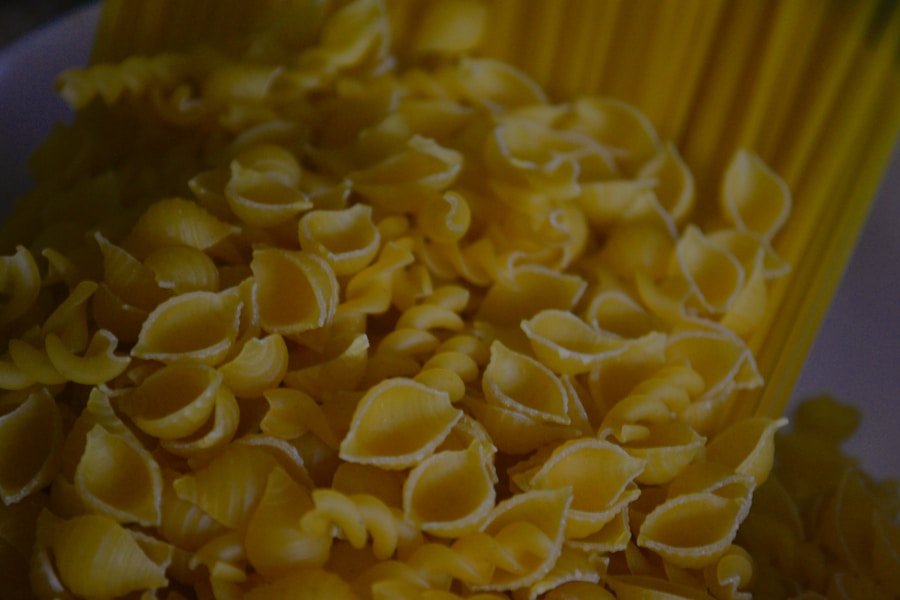
Cooking pasta al dente gives you pasta that feels tender on the outside but still has a gentle, firm bite in the center. That texture matters because it keeps pasta from turning mushy, helps it hold sauce better, and gives every bite a more satisfying feel. With the right pot, enough salted water, careful timing, and a quick taste test near the end, you can get al dente pasta consistently at home.
Quick Answer
Al dente pasta is cooked until it is firm but tender, with a slight resistance when you bite it. Start checking the pasta 1 to 2 minutes before the package time ends, taste a piece, then drain it as soon as the center no longer tastes raw.
Key Takeaways
- Al dente means “to the tooth” and describes pasta that is firm, tender, and slightly chewy.
- Dried durum wheat pasta usually holds an al dente texture better than very soft fresh pasta.
- Use plenty of boiling water, salt it well, and stir after adding pasta to prevent sticking.
- Taste the pasta near the end of cooking instead of relying only on the package time.
- Skip rinsing unless you are making a cold pasta salad, because rinsing removes starch that helps sauce cling.
- Save some pasta water before draining so you can loosen and bind the sauce.
At a Glance
| Time Required | About 8 to 12 minutes for most dried pasta; fresh pasta may take only 2 to 4 minutes. |
| Difficulty | Easy, as long as you taste-test before the package time ends. |
| Tools Needed | Large pot, water, salt, pasta, spoon or tongs, timer, colander, and a measuring cup for pasta water. |
| Cost | Low; you only need basic kitchen tools and your chosen pasta. |
The term “al dente,” which translates from Italian to “to the tooth,” refers to the ideal pasta texture when it is cooked just right. The pasta should feel tender, but it should not collapse or feel soft all the way through. You want a small amount of firmness in the center, which gives the pasta a satisfying bite and helps it stand up to sauce.
When pasta is cooked al dente, it keeps a pleasant chewiness and a cleaner texture. This matters most in Italian-style dishes, where the sauce and pasta are meant to work together rather than turn into one soft mass. Firm pasta also holds its shape better after you toss it in a pan with sauce, cheese, butter, or olive oil.
Al dente pasta can also support better texture control during the final cooking step. Many pasta dishes finish in the sauce for a minute or two, so pasta that is already too soft can quickly become mushy. If you drain it while it still has a firm bite, the pasta can absorb sauce without losing its structure.
The best test for al dente pasta is simple: taste it before the timer ends. Pasta should feel firm but not raw, tender but not mushy.
Choosing the Right Pasta
Selecting the right pasta makes it easier to achieve an al dente texture. Dried pasta, such as spaghetti, penne, rigatoni, fusilli, farfalle, and linguine, usually has a firm structure because it is commonly made from durum wheat semolina. That structure helps the pasta stay chewy when cooked correctly.
Fresh pasta behaves differently. Fettuccine, tagliatelle, ravioli, and other fresh shapes often cook faster because they contain more moisture. They can still taste tender and delicious, but they may not give the same firm bite as dried pasta. If you are cooking fresh pasta, check it early and often because it can go from perfect to overdone quickly.
The shape also matters. Long strands like spaghetti, linguine, and bucatini work well with lighter sauces, including olive oil sauces, seafood sauces, and simple tomato sauces. Short shapes like rigatoni, penne, shells, and fusilli work better with chunky, creamy, or meaty sauces because ridges and hollow centers catch more sauce.
Whole grain, chickpea, lentil, rice, corn, and gluten-free pastas can also be cooked al dente, but they often need closer attention. Some soften quickly or break if stirred too hard. For these pastas, follow the package time as a starting point, then taste early so you can stop cooking before the texture turns pasty.
Note: Package cooking times are useful, but they are not perfect. Pasta thickness, pot size, water temperature, and even how strongly the water boils can change the final texture.
[Amazon Products Picked for You]

PENNE PASTA & SPAGHETTI VARIETY PACK: Barilla Spaghetti will please the whole family, while penne pasta is one of the most famous pasta shapes; Stock up with this pack of 8, 16-ounce boxes of penne pasta and spaghetti

AUTHENTIC ITALIAN PROTEIN PASTA: Brami High Protein Variety Pack is made in Molise, Italy, the birthplace of pasta.

Bulk Pantry Value: Includes twenty (20) 7 oz bags, easy to store and ideal for portioned convenience, meal prep, or large households.
Cooking Techniques for Al Dente Pasta

The cooking process starts with boiling water. Use a large pot with enough water so the pasta can move freely. Crowding pasta into a small amount of water can cause sticking, uneven cooking, and a gummy surface. A common home-cooking guideline is to use a roomy pot and enough water to keep the pasta fully submerged as it boils.
Salt the water after it reaches a boil. Salt seasons the pasta from the inside as it cooks, which gives the finished dish better flavor. You do not need to make the water harshly salty, but it should taste seasoned. After adding salt, stir so it dissolves before you add the pasta.
Once the pasta goes into the boiling water, stir it right away. This first stir matters because the pasta surface releases starch quickly, which can make pieces stick together. Stir again during the first few minutes and occasionally after that, especially with long noodles or small shapes that settle at the bottom.
Keep the water at a steady boil, but avoid a boil so violent that it splashes over the pot. If the water cools too much after you add the pasta, give it a minute to return to a boil before you judge the timing. Cooking at a weak simmer can make pasta gummy before the center finishes cooking.
Step-by-Step Method for Al Dente Pasta
- Fill a large pot with enough water to fully cover the pasta with room to move.
- Bring the water to a rolling boil before adding salt.
- Add the pasta and stir right away to prevent sticking.
- Set a timer for 1 to 2 minutes less than the shortest package cooking time.
- Taste one piece when the timer rings.
- Drain the pasta when it feels firm but no longer tastes raw in the center.
- Save some pasta water before draining if you plan to finish the pasta in sauce.
- Toss the pasta with sauce right away so it stays hot and absorbs flavor.
Pro Tip: Scoop out 1 cup of pasta water before draining. Add a splash to the sauce while tossing the pasta to help create a smoother, clingier coating.
Testing for Al Dente
| Testing for Al Dente | Metrics |
|---|---|
| Number of pasta samples tested | 100 |
| Percentage of samples cooked al dente | 75% |
| Percentage of samples overcooked | 20% |
| Percentage of samples undercooked | 5% |
Determining whether pasta has reached the al dente stage requires attention and practice. The most reliable method is to taste a piece during the last few minutes of cooking. Bite into it and notice the center. The pasta should feel firm and springy, with a little resistance, but it should not taste chalky or raw.
You can also cut a piece of pasta in half and look at the center. Many cooks look for a tiny lighter core in the middle, especially with thicker dried pasta. That visual cue can help, but tasting is still better because different pasta types look different inside when cooked.
For long pasta, pull out one strand with tongs, cool it for a few seconds, and bite it. For short pasta, scoop out one piece with a spoon. For filled pasta such as ravioli, taste the pasta edge instead of judging only by whether the piece floats, because floating does not always mean the texture is perfect.
What Al Dente Should Feel Like
- The outside feels tender, not slippery or slimy.
- The center gives a slight resistance when you bite.
- The pasta still holds its shape after draining.
- The pasta can be tossed with sauce without breaking apart.
- The flavor tastes cooked, not floury or raw.
Avoiding Overcooking
Overcooking is one of the most common pasta mistakes. It leads to a soft, mushy texture that weakens the whole dish. To avoid this, start checking for doneness before the package time ends. If the package says 10 minutes, taste the pasta at 8 minutes, then check again every 30 to 60 seconds.
Use a timer even if you cook often. Pasta can overcook while you prepare sauce, set the table, or answer a message. A timer gives you a clear reminder to check the pot before the texture slips past al dente.
Reserve some starchy cooking water before draining the pasta. This water helps sauce cling to the pasta and can loosen a sauce that feels too thick. It is especially useful for dishes like cacio e pepe, carbonara-style pasta, pesto, and simple tomato sauces.
Do not rinse hot pasta for most dishes. Rinsing washes away surface starch, cools the pasta, and makes it harder for sauce to stick. The main exception is cold pasta salad, where rinsing can stop the cooking process and cool the pasta quickly.
Warning: Do not leave cooked pasta sitting in hot water after it reaches al dente. Even with the burner off, the heat can keep softening the pasta.
Common Reasons Pasta Turns Mushy
- You waited until the full package time before the first taste test.
- The pasta sat in hot water after cooking.
- The pasta cooked again for too long in the sauce.
- The pot was too small, causing uneven cooking and sticking.
- The pasta was rinsed, cooled, then reheated too aggressively.
Sauces that Complement Al Dente Pasta

The choice of sauce plays a major role in how al dente pasta tastes. Lighter sauces, such as olive oil-based sauces, garlic sauces, and simple tomato sauces, let the texture of the pasta stand out. A classic aglio e olio made with garlic, olive oil, and red pepper flakes pairs beautifully with spaghetti because the firm pasta balances the silky oil.
Heartier sauces also work well when you match them with the right shape. Bolognese, ragù, creamy mushroom sauce, and Alfredo-style sauces need pasta that can carry weight. Rigatoni, pappardelle, shells, and penne work well because their ridges, tubes, and curves catch more sauce.
Pesto works best when the pasta is hot and still slightly starchy. A splash of pasta water can loosen the pesto without making it oily. Carbonara-style sauces also benefit from al dente pasta because the noodles need enough structure to handle tossing with eggs, cheese, and pasta water.
[Amazon Products Picked for You]


Best Pasta and Sauce Pairings
| Pasta Shape | Best Sauce Match | Why It Works |
|---|---|---|
| Spaghetti | Aglio e olio, tomato sauce, clam sauce | Long strands coat evenly with smooth sauces. |
| Penne | Vodka sauce, pesto, baked pasta sauce | The tube shape catches sauce inside and outside. |
| Rigatoni | Bolognese, ragù, creamy sauces | Wide ridges hold thick sauces well. |
| Farfalle | Cream sauces, pasta salad, vegetable sauces | The pinched center gives different textures in one bite. |
| Pappardelle | Meat sauce, mushroom sauce, braised sauces | Wide ribbons support rich, heavy sauces. |
Tips for Perfecting Al Dente Every Time
Achieving al dente pasta consistently comes down to observation. Read the package instructions as your starting point, but do not treat them as the final answer. Each brand, shape, and ingredient blend can cook differently. Thicker pasta needs more time, while thin shapes can soften very quickly.
Use quality cookware when possible. A heavy-bottomed pot helps water return to a boil more steadily after you add pasta. A sturdy colander also helps you drain pasta quickly without letting smaller pieces slip through.
Keep a small record of your favorite pasta brands and cooking times. If one spaghetti brand tastes perfect at 9 minutes, write it down. That note will save you from guessing the next time you cook the same pasta.
Finish pasta in the sauce when the recipe allows it. Drain the pasta slightly before it reaches your ideal texture, then toss it in the pan with sauce and a splash of pasta water. This lets the pasta absorb flavor while finishing its final minute of cooking.
How to Adjust for Different Pasta Types
- Dried wheat pasta: Start checking 1 to 2 minutes before the package time ends.
- Fresh pasta: Check very early because it often cooks in just a few minutes.
- Whole wheat pasta: Taste carefully because it can feel firmer even when cooked.
- Gluten-free pasta: Stir gently and test early because some types break or soften fast.
- Stuffed pasta: Check the pasta edge and filling temperature before serving.
Fixing Pasta That Is Too Firm or Too Soft
If your pasta is too firm, return it to simmering sauce with a splash of hot pasta water. Let it cook for another 30 to 60 seconds, then taste again. This method works better than putting drained pasta back into plain boiling water because the sauce adds flavor while the pasta finishes.
If your pasta is too soft, you cannot fully reverse it, but you can still improve the dish. Drain it immediately, avoid heavy stirring, and pair it with a thicker sauce that does not require more cooking. You can also use softer pasta in baked dishes, soups, or casseroles where the texture matters less.
If pasta sticks together after draining, add it to sauce right away and toss gently with a splash of pasta water. Avoid pouring lots of oil over plain pasta unless the recipe calls for it. Oil can coat the surface and make it harder for sauce to cling.
[Amazon Products Picked for You]

EXCEPTIONAL DESIGN: enjoy mirror finish, classic look and professional performance. Aluminum encapsulated base heats quickly and spreads heat evenly– eliminating hot spots

Swiss Non-Stick Coating - Swiss ILAG nonstick granite coating, SGS approved. PFOA free, smokeless, safe & healthy. Cooking with little oil for healthy diet.

FAST, EVEN HEATING: This nonstick pot features dishwasher-safe aluminum construction for first-rate fusion of durability, heat conductivity, and nonstick cooking
Enjoying Al Dente Pasta
Once you have mastered al dente pasta, take a moment to finish the dish well. Serve it while hot, because pasta continues to absorb sauce as it sits. A small garnish can make the dish feel complete. Fresh herbs, grated cheese, black pepper, lemon zest, or a drizzle of olive oil can add aroma and color.
Presentation also affects the dining experience. Twirl long pasta into a warm bowl, spoon extra sauce over the top, and finish with a small amount of cheese or herbs. For short pasta, serve it in a shallow bowl so the sauce does not sink to the bottom.
Sharing al dente pasta with family and friends can turn a simple meal into a memorable one. You can talk about the sauce, compare pasta shapes, or let others taste the difference between firm pasta and overcooked pasta. The more you practice, the easier it becomes to cook pasta with confidence.
If you’re looking to upgrade your kitchen tools, you might also be interested in checking out the 5 Most Durable Scrub Brushes Set article. Just like cooking pasta al dente requires the right technique and tools, keeping your kitchen clean and organized also requires durable and efficient scrub brushes. This article provides a detailed review of durable scrub brushes that can help with everyday kitchen cleaning needs.
Related Guides
Frequently Asked Questions
What does “al dente” mean?
“Al dente” is an Italian term that translates to “to the tooth” in English. It refers to pasta that is cooked until it feels firm to the bite, with slight resistance when chewed.
How do you cook pasta al dente?
To cook pasta al dente, boil it in plenty of salted water and follow the package time as a guide. Start testing 1 to 2 minutes before the suggested time ends. Bite into a piece and drain the pasta when it feels firm but no longer tastes raw.
Why is it important to cook pasta al dente?
Cooking pasta al dente helps it keep its texture, hold sauce better, and avoid becoming mushy. It also gives the dish a more balanced bite, especially when the pasta finishes cooking briefly in the sauce.
What types of pasta are best for cooking al dente?
Most dried pasta shapes can be cooked al dente, including spaghetti, penne, fettuccine, rigatoni, fusilli, and farfalle. Dried durum wheat pasta usually holds a firm bite especially well, while fresh pasta cooks faster and needs closer attention.
Can you reheat pasta and maintain its al dente texture?
You can reheat pasta and keep some of its al dente texture by warming it briefly in a pan with sauce, olive oil, or a splash of water. Use medium heat and stop as soon as the pasta is hot. Overheating can make it soft.
Should you rinse pasta after cooking it al dente?
Do not rinse hot pasta for most dishes because rinsing removes starch that helps sauce cling. Rinse only when you are making a cold pasta salad or when a recipe specifically tells you to cool the pasta quickly.
How early should you test pasta for al dente?
Start testing pasta 1 to 2 minutes before the shortest package cooking time. For very thin pasta, fresh pasta, or gluten-free pasta, check even earlier because the texture can change quickly.
Sources
- USDA Food Safety and Inspection Service — safe handling and reheating guidance for leftovers.
- FoodSafety.gov Cold Food Storage Charts — storage guidance for cooked leftovers.
- Harvard T.H. Chan School of Public Health — background on carbohydrates and blood sugar response.
