
Steaming vegetables is one of the easiest ways to cook healthy side dishes without losing the fresh color, clean flavor, and crisp-tender texture that make vegetables enjoyable. Because the vegetables sit above the water instead of inside it, steaming uses gentle heat and very little added fat.
This method works well for busy weeknights, meal prep, and simple family meals. You can steam broccoli, carrots, green beans, spinach, zucchini, asparagus, cauliflower, peas, potatoes, and many other vegetables with basic kitchen tools.
Quick Answer
Steaming vegetables helps retain nutrients because the vegetables do not sit in cooking water. Use a steamer basket, keep pieces similar in size, cover the pot, and cook only until the vegetables are tender-crisp. Most vegetables steam well in 5 to 15 minutes.
Key Takeaways
- Steaming uses little water, so vegetables keep more of their natural flavor, color, and texture than they often do when boiled.
- Broccoli, carrots, cauliflower, green beans, asparagus, spinach, zucchini, peas, and potatoes are all good vegetables for steaming.
- Cut vegetables into similar-size pieces so they cook evenly and do not turn mushy.
- Start checking tender vegetables after 3 to 5 minutes and firmer vegetables after 8 to 10 minutes.
- Season steamed vegetables after cooking with herbs, lemon juice, garlic, pepper, or a small amount of olive oil.
At a Glance
| Time Required | 5 to 15 minutes for most vegetables, plus a few minutes for washing and cutting |
| Difficulty | Easy |
| Tools Needed | Pot with lid, steamer basket or rack, knife, cutting board, tongs or fork |
| Cost | Low if you already own a pot and steamer basket |
Why Steaming Vegetables Is a Healthy Cooking Method
Steaming vegetables is popular because it helps preserve the vibrant colors and textures that make vegetables more appealing. Unlike boiling, which can pull flavor and water-soluble nutrients into the cooking water, steaming keeps the vegetables above the water and cooks them with hot vapor.
This method also keeps preparation simple. You do not need heavy sauces, breading, or large amounts of oil to get a satisfying result. That makes steaming useful when you want a lighter side dish, a high-fiber meal, or a simple base for bowls, salads, wraps, soups, and dinner plates.
Steamed vegetables can also support a balanced eating pattern because they are easy to pair with protein, whole grains, beans, fish, eggs, tofu, or lean meats. When vegetables are quick and pleasant to prepare, you are more likely to eat them often.
Steaming is not magic, but it is one of the most reliable ways to cook vegetables with minimal water, minimal added fat, and good texture control.
How Steaming Retains Nutrients
The process of steaming vegetables is especially useful for protecting water-soluble vitamins, including vitamin C and several B vitamins. When vegetables are boiled in a large pot of water, some of these nutrients can move into the water and get discarded.
Steaming reduces that problem because the vegetables are exposed to steam instead of being submerged. The cooking environment stays moist, but the vegetable pieces do not soak in water. This helps maintain flavor, texture, and many naturally occurring nutrients.
Cooking time also matters. Long cooking can soften vegetables too much and reduce heat-sensitive nutrients. Short steaming times help vegetables stay tender-crisp, which usually means they keep better color, texture, and eating quality.
Cruciferous vegetables such as broccoli, cauliflower, cabbage, and Brussels sprouts are good examples. Steaming them until bright and tender can make them easier to eat while still keeping their structure and flavor. Overcooking them can create a strong sulfur smell and a mushy texture.
Note: Nutrient retention depends on the vegetable, cut size, cooking time, and heat level. For the best result, steam only until the vegetables are tender enough to eat.
Tips for Steaming Vegetables

To get the best result, cut vegetables into uniform sizes before steaming. Similar-size pieces cook at a similar speed, which helps prevent some pieces from becoming mushy while others stay undercooked.
For example, slice carrots into thin rounds, small sticks, or evenly sized chunks. Cut broccoli and cauliflower into similar-size florets. Trim green beans so they fit neatly in the basket. If you are steaming potatoes or sweet potatoes, cut them smaller than quick-cooking vegetables.
Use the right equipment for your kitchen. A basic metal steamer basket works well in a saucepan. A bamboo steamer works nicely for larger batches. An electric steamer can be convenient if you steam vegetables often. Microwave-safe steaming containers can also work when you need a faster option.
Always use a lid while steaming. The lid traps heat and moisture so the vegetables cook evenly. Without a lid, the steam escapes and cooking takes longer.
Pro Tip: Steam dense vegetables first, then add tender vegetables later. For example, start carrots or potatoes before adding broccoli, spinach, or peas.
[Amazon Products Picked for You]
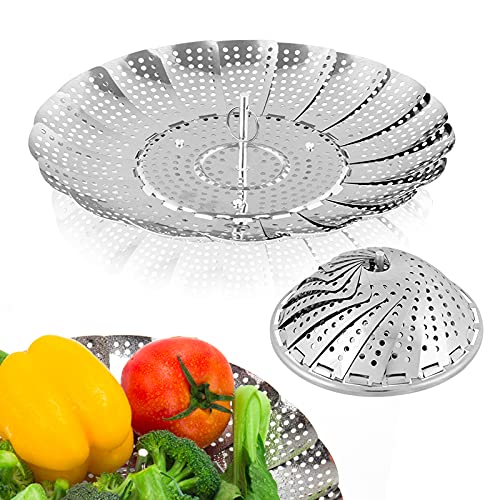
【UPGRADE DESIGN & QUALITY 】- The steamer basket with premium food grade stainless steel petals design, Steaming is a healthy cooking choice because it helps retain more than 90% of the nutrients lost when boiling.
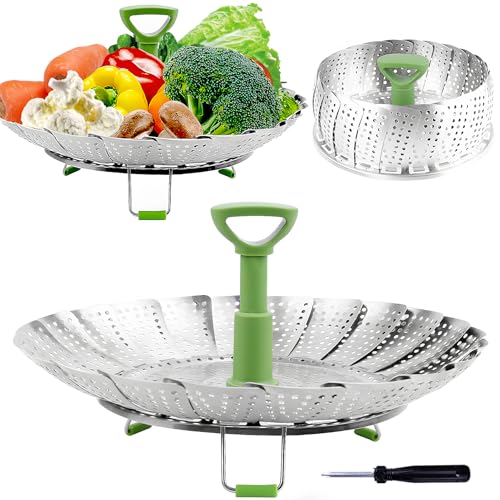
Healthier cooking choices: The steamer basket with high quality stainless steel petals, food grade plastic handle and silicone feet will promote your health. It is non-rust, scratch proof and corrosion resistant, easy to clean for long use. Steaming is a healthy cooking choice because it helps retain more than 90% of the nutrients lost when either boiling or microwaving food. The foldable steam basket can be used to steam veggies, seafood, eggs, meats, desserts, baby food and much more

Removable handle extends and locks into position for filling and transporting and retracts to accommodate pot lids while steaming
Best Vegetables for Steaming
| Vegetable | Nutrient Content | Calories per 100g |
|---|---|---|
| Broccoli | Vitamin C, Vitamin K, Fiber | 34 |
| Carrots | Vitamin A, Vitamin K, Potassium | 41 |
| Spinach | Vitamin A, Vitamin C, Iron | 23 |
| Zucchini | Vitamin C, Vitamin B6, Potassium | 17 |
Certain vegetables work especially well with steaming because they soften quickly while keeping a fresh taste. Leafy greens such as spinach and kale wilt fast and can be served with garlic, lemon juice, sesame seeds, or a light dressing.
Cruciferous vegetables such as broccoli, cauliflower, and Brussels sprouts also do well. Steaming can bring out their mild sweetness while keeping them bright and crisp. These vegetables taste best when they are tender but not limp.
Root vegetables such as carrots, potatoes, sweet potatoes, turnips, and beets can also be steamed, though they need longer cooking times than leafy greens. Cut them into smaller pieces to speed up cooking and improve texture.
Asparagus, peas, snow peas, green beans, zucchini, and summer squash are also strong choices. These vegetables cook quickly, so check them early and remove them from the steamer as soon as they reach the texture you like.
[Amazon Products Picked for You]

[PREMIUM QUALITY MATERIAL] - The foldable steamer basket is made of food grade stainless steel, which is rustproof, harmless and durable. The holes on steamer basket are for easy steaming and draining.

Bloom is the updated model of the previous Lotus steamer

【UPGRADE DESIGN & QUALITY 】- The steamer basket with premium food grade stainless steel petals design, Steaming is a healthy cooking choice because it helps retain more than 90% of the nutrients lost when boiling.
Steaming vs. Boiling, Frying, and Roasting
When you compare steaming to boiling, frying, and roasting, the biggest advantage is control. Steaming cooks vegetables gently without soaking them in water or adding a large amount of fat.
Boiling can work for some foods, but it may cause vegetables to lose flavor and some water-soluble nutrients into the cooking water. If you do boil vegetables, using the cooking liquid in soup or sauce can help reduce waste.
Frying can create a crisp texture, but it also adds oil and calories. Roasting adds deep flavor through browning, but it uses dry heat and can reduce moisture. Roasting can be a good option, but it is not always the best method when you want a light, fresh side dish.
Steaming stands out when you want vegetables that taste clean, look bright, and pair with many meals. You can serve them plain, season them after cooking, or use them as a first step before adding them to stir-fries, casseroles, grain bowls, pasta dishes, or omelets.
How to Properly Steam Vegetables
Properly steaming vegetables starts with fresh produce. Choose vegetables that look firm, colorful, and free from obvious spoilage. Rinse them under cool running water, then trim stems, tough ends, peels, or damaged spots as needed.
Next, cut the vegetables into similar-size pieces. Small pieces cook faster, while large pieces need more time. If you mix different vegetables in one steamer basket, group them by cooking time or add them in stages.
Fill a pot with about one inch of water. Place a steamer basket or steaming rack inside the pot, making sure the water does not touch the vegetables. Bring the water to a boil, then add the prepared vegetables and cover the pot with a lid.
Keep the water at a steady simmer or gentle boil so it continues making steam. Check the vegetables with a fork, knife tip, or tongs. They should be tender enough to eat but still hold their shape.
Remove the vegetables as soon as they are done. Season them after steaming with lemon juice, vinegar, fresh herbs, garlic, black pepper, chili flakes, toasted nuts, seeds, or a small drizzle of olive oil.
Warning: Steam can burn your hands and face quickly. Open the lid away from you, use oven mitts, and lift the basket carefully.
[Amazon Products Picked for You]
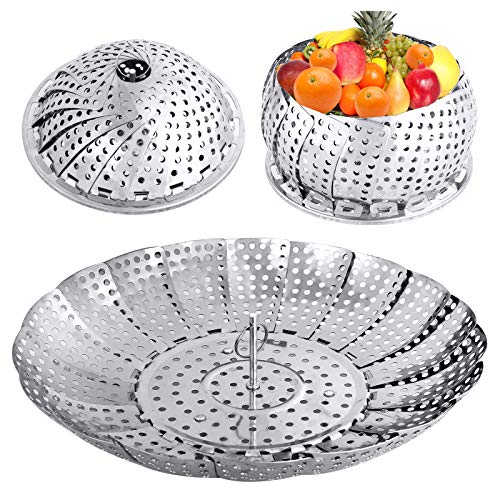
COLLAPSIBLE STEAMER BASKET: Veggie vegetable steamer basket collapsed diameter is 5.3 inches/13.5 cm, veggie steamer basket expands to 8.6 inches/22cm. Once petals are stretched out, expandable fit various size pot (5.3" to 8.6"), and save your space!

EASY TO USE: place over boiling water in pots, pressure cookers, or multi-cookers to easily steam vegetables
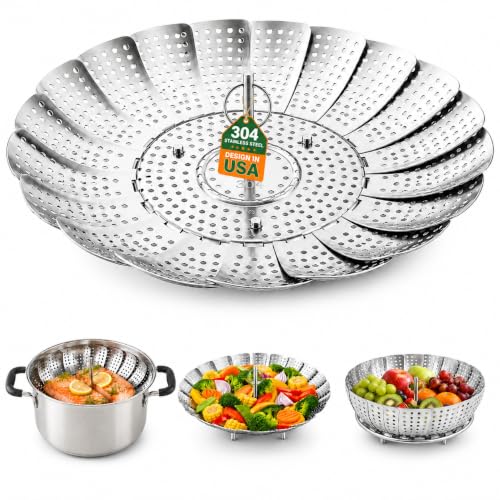
【Food-Grade 304 Stainless Steel】 This steamer basket is made from food-grade stainless steel, built to resist rust, bending, and daily wear. As a reliable steamer basket for pot, it performs well for steaming vegetables, broccoli, seafood, and other everyday meals.
Steaming Vegetables for Maximum Nutrient Retention

To maximize nutrient retention while steaming vegetables, pay close attention to time. Overcooking can make vegetables soft, dull, and less flavorful. A good practice is to start checking before the expected cooking time ends.
Broccoli should look bright green and feel tender-crisp. Green beans should stay crisp enough to snap. Spinach should wilt but not become watery. Carrots and potatoes should be fork-tender but not falling apart.
You can also use blanching for certain vegetables before finishing them in another dish. Blanching means cooking vegetables briefly in boiling water, then cooling them quickly in ice water. This step can help set color and texture before reheating, stir-frying, or serving later.
For everyday steaming, though, you usually do not need an extra blanching step. A steamer basket, a covered pot, and careful timing are enough for most home cooks.
Seasoning after cooking is often best. Salt, acidic ingredients, herbs, spices, and sauces are easier to control when the vegetables are already cooked. This also helps you avoid oversalting the steaming water.
Suggested Steaming Times for Common Vegetables
| Vegetable | Approximate Steaming Time | Best Texture |
|---|---|---|
| Spinach | 2 to 3 minutes | Wilted but still bright |
| Peas | 3 to 5 minutes | Tender and sweet |
| Green Beans | 5 to 7 minutes | Crisp-tender |
| Broccoli Florets | 5 to 7 minutes | Bright green and tender-crisp |
| Cauliflower Florets | 6 to 8 minutes | Tender but firm |
| Carrot Slices | 8 to 10 minutes | Fork-tender |
| Potato Chunks | 12 to 20 minutes | Soft enough to pierce |
These times are estimates. The exact timing depends on vegetable freshness, piece size, pot size, steamer type, and how soft you like your vegetables.
Common Steaming Mistakes to Avoid
One common mistake is adding too much water. The water should sit below the steamer basket, not touch the vegetables. If the vegetables sit in water, they are boiling instead of steaming.
Another mistake is crowding the basket. Steam needs space to move around the vegetables. If the basket is packed too tightly, some pieces may cook faster than others. Cook in batches if needed.
Many people also steam everything for the same length of time. This can leave carrots undercooked and spinach overcooked. Add firm vegetables first and delicate vegetables later.
Finally, avoid walking away for too long. Steaming is quick, and a few extra minutes can change crisp vegetables into soft ones. Set a timer and check early.
How to Season Steamed Vegetables
Steamed vegetables do not need to taste plain. The key is to add flavor after cooking, when the vegetables are hot and ready to absorb seasoning.
For a bright flavor, use lemon juice, lime juice, rice vinegar, balsamic vinegar, or a light vinaigrette. For a savory flavor, try garlic, black pepper, smoked paprika, chili flakes, ginger, soy sauce, or a small amount of grated cheese.
Fresh herbs also work well. Parsley, dill, cilantro, basil, thyme, chives, and mint can make steamed vegetables taste fresher. Toasted sesame seeds, pumpkin seeds, almonds, walnuts, or pine nuts can add crunch.
If you use oil, keep it moderate. A small drizzle of olive oil, sesame oil, or avocado oil can add richness without overpowering the vegetables.
Incorporating Steamed Vegetables into Your Diet
Incorporating steamed vegetables into your diet can be simple and enjoyable. Add them to salads when you want a warm contrast to fresh greens. Steamed asparagus with mixed greens and a light vinaigrette makes a fresh but filling option.
Steamed vegetables also work as easy side dishes. Pair steamed broccoli with grilled chicken, baked fish, tofu, beans, or eggs to add color, fiber, and texture to your plate.
You can also use steamed vegetables in wraps, sandwiches, rice bowls, noodle bowls, and pasta dishes. They add moisture and flavor without making the meal heavy.
For soups and purees, steamed vegetables can create a smooth texture without relying on heavy cream. Blend steamed carrots, cauliflower, broccoli, squash, or potatoes with broth, herbs, and seasonings for a comforting meal.
Meal prep is another smart use. Steam vegetables in advance, cool them quickly, and store them in airtight containers in the refrigerator. Reheat gently or add them cold to salads and bowls.
If you are looking to maintain a healthy lifestyle by steaming vegetables and preserving their nutrients, you may also be interested in reading about the 5 Best Water Infuser Pitchers for Refreshing Beverages. These pitchers can help you stay hydrated and enjoy delicious infused water with added flavor.
Related Guides
Frequently Asked Questions
What are the benefits of steaming vegetables?
Steaming vegetables helps preserve natural flavor, color, and texture. It also uses little water and usually requires no added fat, making it a simple option for healthy meals.
How does steaming vegetables help to keep nutrients?
Steaming helps keep nutrients by cooking vegetables above the water instead of inside it. This reduces the loss of water-soluble vitamins and minerals that can move into boiling water.
What is the best way to steam vegetables?
The best way is to place a steamer basket or rack in a pot with a small amount of water. Add the vegetables in a single layer when possible, cover the pot, and cook until tender-crisp.
How long should vegetables be steamed for to retain nutrients?
Most vegetables steam in 5 to 10 minutes, but timing depends on the type and size of the pieces. Leafy greens may need only 2 to 3 minutes, while potatoes can need 12 to 20 minutes.
What are some tips for steaming vegetables and keeping nutrients?
Cut vegetables into uniform sizes, use minimal water, cover the pot, avoid overcooking, and season after cooking. Check vegetables early so they stay bright, firm, and flavorful.
Can you steam frozen vegetables?
Yes. Frozen vegetables can be steamed straight from the freezer. They usually cook quickly because they are often blanched before freezing, so check them early to avoid a soft texture.
Should you salt vegetables before steaming?
You can, but seasoning after steaming gives you better control. Add salt, lemon juice, herbs, spices, or a small amount of oil after the vegetables are cooked.
Sources
- Harvard T.H. Chan School of Public Health: Vegetables and Fruits — supports the importance of vegetables in a balanced diet.
- USDA FoodData Central — supports general nutrient and calorie references for common vegetables.
- MyPlate: Vegetables — supports practical guidance on eating a variety of vegetables.
- University of Minnesota Extension: Cooking Fresh Vegetables — supports basic vegetable cooking and preparation guidance.

2 thoughts on “Steaming Vegetables: Retaining Nutrients”