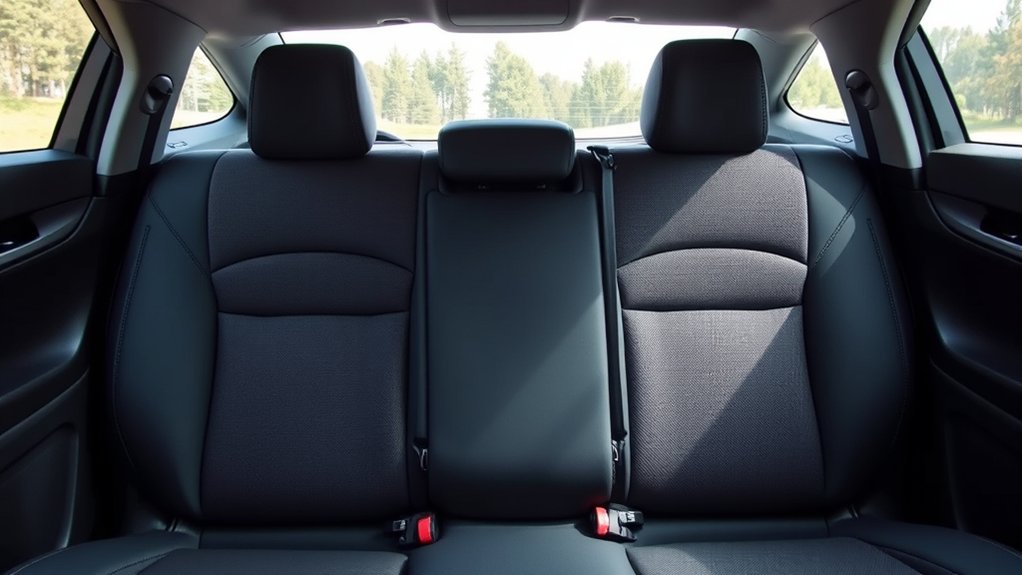
Installing a child seat in your Toyota Camry takes more than finding the nearest anchor and pulling a strap tight. You need the right seating position, the correct belt path, a locked installation method, and a harness that fits your child every time you drive.
Quick Answer
To install a child seat in a Toyota Camry, read both manuals, choose a rear-seat position where the seat fits tightly, then use either LATCH or the seat belt, not both unless both manuals allow it. For forward-facing seats, attach and tighten the top tether. The seat should move less than one inch at the belt path.
Key Takeaways
- Use the Toyota Camry owner’s manual and your child seat manual before you install anything.
- Install the seat with either lower anchors or the seat belt, not both, unless both manufacturers clearly allow it.
- The rear center seat is a good choice only when you can get a tight, approved installation there.
- For forward-facing seats, use the top tether when the seat and vehicle manuals permit it.
- Check tightness, harness fit, recall status, and seat limits as your child grows.
At a Glance
| Time Required | 10 to 20 minutes for a careful install, plus extra time if you need a certified inspection |
| Difficulty | Moderate, because the correct method depends on your car seat type, child size, and Camry model year |
| Tools Needed | Child seat manual, Toyota Camry owner’s manual, car seat, and your hands for tightening and checking movement |
| Cost | Usually free; many certified child passenger safety inspections are free in most cases |
Step-by-Step Guide to Installing a Child Seat in a Toyota Camry
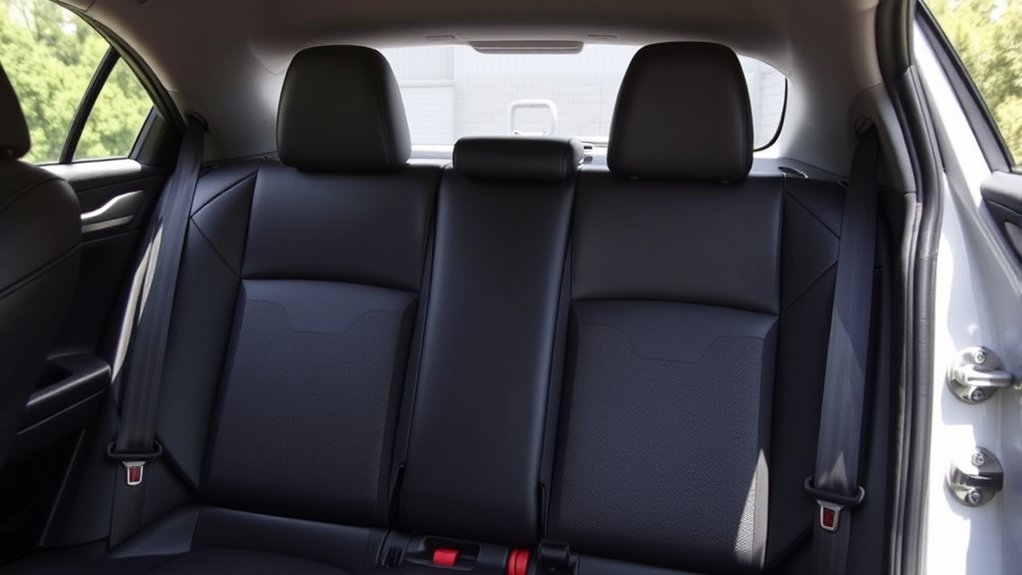
Start with the two manuals that matter most: the child seat manual and the Toyota Camry owner’s manual for your model year. The manuals show approved seating positions, lower anchor locations, tether anchor locations, seat-belt locking details, and any weight limits.
1. Choose the Right Rear-Seat Position
The back seat is the safest place for children. The rear center seat can be a strong option if you can install the car seat tightly there, but it is not automatically the best choice in every Camry.
Many Camry model years have lower anchors for the two outboard rear seats, while the center position may require the vehicle seat belt. Do not borrow inner lower anchors for a center-seat LATCH installation unless your Toyota manual and car seat manual both allow it.
Note: The best seating position is the one where the car seat fits your child, fits your Camry, and installs tightly with an approved method.
2. Pick One Installation Method
Install the child seat using either the lower anchors or the vehicle seat belt. Do not use both at the same time unless both the child seat manufacturer and Toyota clearly say that dual installation is allowed.
If you use lower anchors, connect the car seat’s lower-anchor attachments to the Camry’s lower anchor bars. If you use the seat belt, route the belt through the correct belt path and lock it according to the Camry manual and car seat manual.
3. Install a Rear-Facing Seat
For a rear-facing infant, convertible, or all-in-one seat, route the lower-anchor strap or seat belt through the rear-facing belt path. Check the recline indicator on the car seat so your child’s head does not slump forward.
Press down and back into the car seat while tightening the lower-anchor strap or locked seat belt. Then hold the seat at the belt path and tug side to side and front to back. If it moves more than one inch at the belt path, tighten it again or try another approved seating position.
4. Install a Forward-Facing Seat
For a forward-facing car seat, route the lower-anchor strap or seat belt through the forward-facing belt path. Then attach the top tether to the approved tether anchor behind the rear seat or at the location shown in your Camry manual.
Tighten the tether after the base is secure. The tether helps limit forward movement of the car seat and your child’s head during a sudden stop or crash when the seat and vehicle allow its use.
Warning: Never place a rear-facing child seat in front of an active front passenger airbag. Also, never attach a tether hook to cargo hooks, trim pieces, or other hardware that is not an approved tether anchor.
5. Check Harness Fit Before Every Drive
For rear-facing seats, harness straps should usually come from slots at or below your child’s shoulders. For forward-facing seats, they should usually come from slots at or above the shoulders. Always confirm this in your car seat manual.
The harness should lie flat with no twists. Place the chest clip at armpit level, then tighten the harness until you cannot pinch loose webbing at the shoulder.
Avoid These Common Installation Mistakes
Small mistakes can make a good car seat perform poorly. Use this list before you trust the installation.
- Using LATCH and the seat belt together: Use one installation method unless both manuals clearly allow dual use.
- Testing movement at the wrong spot: Check movement at the belt path, not at the top of the seat.
- Skipping the top tether: Use the tether for a forward-facing seat when the seat and vehicle manuals permit it.
- Using the wrong belt path: Convertible seats have different belt paths for rear-facing and forward-facing use.
- Leaving the seat too reclined or too upright: Use the car seat’s recline indicator and manual.
- Letting bulky coats sit under the harness: Buckle the child in thin layers, then place a coat or blanket over the harness if needed.
- Assuming three seats will fit: Measure and test each seat. Three-across setups often require careful seat choice and may not work with LATCH in every position.
A tight installation means the child seat moves less than one inch side to side or front to back when you tug at the belt path.
What You Need to Know About the LATCH System and Tether Anchors
LATCH stands for Lower Anchors and Tethers for Children. It gives you another approved way to install many car seats without using the vehicle seat belt.
The vehicle has lower anchor bars in the seat bight, where the seat back meets the seat cushion. The car seat has lower-anchor attachments that clip onto those bars. These are different parts, so avoid calling the vehicle anchors “straps.”
The top tether is the strap on the upper back of many forward-facing car seats. It connects to a tether anchor in the vehicle and should be used for forward-facing installations when both manuals allow it.
When to Stop Using Lower Anchors
Lower anchors have weight limits. If your car seat label or manual gives a lower-anchor child weight limit, follow it. If it does not, use this formula from NHTSA: 65 pounds minus the car seat weight = maximum child weight for lower-anchor use.
Once your child exceeds the allowed lower-anchor limit, reinstall the car seat with the Camry’s seat belt and keep using the top tether for a forward-facing seat when permitted.
Pro Tip: If your child seat feels easier to install with the seat belt than with LATCH, that is fine. LATCH is not safer than a correct seat-belt installation. The safer method is the one you can install correctly every time.
Can You Install a Child Seat in the Camry Center Seat?
Yes, you can install a child seat in the Camry center rear seat if the seat fits correctly and installs tightly with an approved method. In many cases, that method will be the vehicle seat belt, not lower anchors.
Before using the center seat, check three things:
- Manual approval: Confirm that your Camry manual allows the seating position for your type of child seat.
- Car seat fit: Make sure the child seat sits flat and does not tilt due to seat shape or buckles.
- Movement test: Tug at the belt path. More than one inch of movement means the installation is not tight enough.
If the center seat does not give you a tight install, use an outboard rear seat where the child seat installs correctly. A correct side-seat installation is better than a loose center-seat installation.
Regular Safety Checks for Your Car Seat
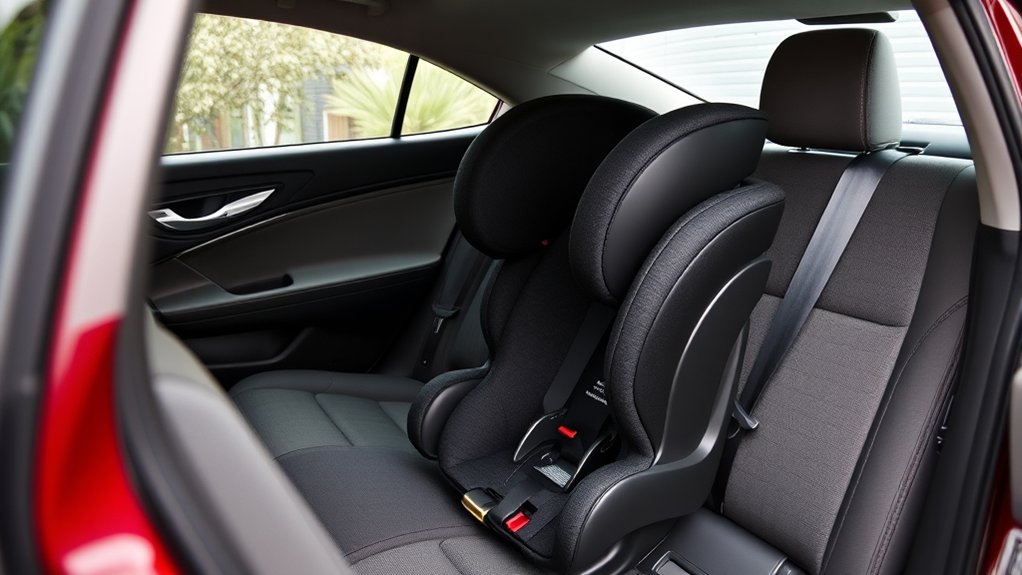
Your child grows, straps loosen, and seats get moved for cleaning or passengers. A quick safety check helps keep the installation reliable.
- Check movement: Tug at the belt path. The seat should move less than one inch side to side or front to back.
- Check harness height: Rear-facing straps should sit at or below the shoulders; forward-facing straps should sit at or above the shoulders, unless your seat manual says otherwise.
- Check harness snugness: Tighten until you cannot pinch extra strap webbing at the shoulder.
- Check the chest clip: Keep it at armpit level.
- Check the recline angle: Use the car seat’s built-in indicator or the manual’s angle instructions.
- Check anchor limits: Recalculate the lower-anchor limit as your child gains weight.
- Check recalls: Register your seat with the manufacturer and sign up for recall alerts through NHTSA’s car seat resources.
- Check after a crash: Follow the car seat manual and NHTSA’s crash replacement guidance. Seats should be replaced after a moderate or severe crash.
Troubleshooting: What If the Car Seat Still Feels Loose?
If the car seat moves more than one inch at the belt path, do not use that installation yet. Try these fixes before driving.
- Recheck the belt path: Make sure the belt or lower-anchor strap goes through the correct rear-facing or forward-facing path.
- Lock the seat belt: Many Camry seat belts lock by pulling the belt fully out and letting it retract, but you must confirm the method in your owner’s manual.
- Remove slack in stages: Press into the car seat while pulling the strap or belt from the correct angle.
- Try another rear-seat position: Some seats install better outboard than in the center.
- Check the recline: A wrong angle can make a rear-facing seat feel unstable.
- Get help: Use a certified child passenger safety technician or an inspection station if you cannot get a tight install.
Legal Requirements for Child Seat Installation in Your Area
Child passenger safety laws vary by state and can change. Some states specify rear-facing age or size rules, some set booster-seat age or height rules, and some include rear-seat requirements.
For safety, follow the stricter standard when your local law and best-practice guidance differ. The CDC recommends rear-facing until your child reaches the maximum rear-facing height or weight limit of the car seat, then forward-facing with a harness and top tether until the seat’s limit, then a booster until the seat belt fits correctly.
To check current legal requirements, use your state DMV, highway safety office, or the IIHS child seat law table. Laws are minimum requirements, not a reason to move a child to the next stage early.
Related Guides
Frequently Asked Questions
How do you use a tether anchor for a forward-facing car seat?
Install the forward-facing car seat with either the lower anchors or the seat belt first. Then route the top tether as shown in the car seat manual, hook it to the approved Camry tether anchor, and tighten the tether until the slack is removed. Do not attach the tether to cargo hooks or trim pieces.
Where do you attach car seat anchors in a Toyota Camry?
Lower-anchor attachments clip to the lower anchor bars in approved rear seating positions. The top tether hooks to an approved tether anchor behind the rear seat or at the location shown in your Camry manual. Anchor locations can vary by model year, so confirm them in the Toyota owner’s manual before installing the seat.
What is the difference between LATCH and a tether?
LATCH includes lower anchors and top tether parts. The lower anchors secure the base of the car seat instead of the vehicle seat belt. The tether is the upper strap used mainly with forward-facing seats to reduce forward movement. A forward-facing seat can use a tether with either a seat-belt installation or a lower-anchor installation when allowed.
Are tether anchors required for forward-facing car seats?
Use the top tether for a forward-facing car seat whenever the car seat and vehicle manufacturers allow it. NHTSA recommends using a tether with forward-facing seats because it helps limit forward movement in a crash. Check both manuals for anchor location and weight limits.
Can I use LATCH in the center seat of a Toyota Camry?
Use center-seat LATCH only if your specific Camry manual and child seat manual both allow it. Many vehicles do not have dedicated center lower anchors. If center LATCH is not approved, use the seat belt for the center seat or install the car seat in an approved outboard rear position.
When should I use the seat belt instead of LATCH?
Use the seat belt if your child plus the car seat exceeds the lower-anchor weight limit, if the seating position has no approved lower anchors, or if the seat belt gives you a tighter approved installation. For forward-facing seats, keep using the top tether when the manuals allow it.
Conclusion
A safe Toyota Camry child seat installation starts with the manuals and ends with a firm one-inch movement check at the belt path. Use either LATCH or the seat belt, choose the rear seating position that gives you the tightest approved install, and attach the top tether for forward-facing seats when allowed.
Recheck the seat often as your child grows. If the installation still feels loose, if you are unsure about center-seat LATCH, or if you need help with a three-across setup, get the seat checked by a certified child passenger safety technician before relying on it.
Sources
- NHTSA Car Seats and Booster Seats — LATCH parts, lower-anchor limits, tether use, inspection help, and recall registration guidance
- Toyota Camry Manuals and Warranties — official Toyota owner manual access for model-year-specific anchor and seat-belt instructions
- American Academy of Pediatrics / HealthyChildren.org Car Seats: Information for Families — child seat selection, LATCH guidance, rear-seat position, harness fit, and installation checks
- CDC Child Passenger Safety — current child passenger safety stages, rear-facing guidance, booster guidance, and back-seat recommendation
- IIHS Seat Belt and Child Seat Laws — current U.S. state child-seat law comparison
- NHTSA Car Seat Use After a Crash — replacement guidance after minor, moderate, and severe crashes
