
Tempering spices is a foundational technique in Indian cooking that turns simple oil or ghee into a deeply aromatic flavor base. When you heat whole spices in fat, they release essential oils, bloom their aroma, and spread their flavor through the dish more evenly. This small step can make dal, curries, rice dishes, chutneys, and vegetable stir-fries taste fuller, warmer, and more balanced.
The method is simple, but timing matters. Mustard seeds should pop without burning, cumin should darken slightly without turning bitter, and delicate ingredients like curry leaves, garlic, dried chilies, and asafoetida need close attention. Once you learn the signs, tempering becomes one of the easiest ways to bring restaurant-style depth into everyday Indian cooking.
Quick Answer
Tempering spices, also called tadka, means heating spices in oil or ghee until they release their aroma and flavor. Use medium heat, add whole spices in the right order, watch closely, and pour or mix the infused fat into dals, curries, rice, chutneys, or vegetables.
Key Takeaways
- Tempering spices enhances aroma, flavor, color, and depth in Indian dishes.
- Whole spices work best because they release flavor slowly and stay fragrant longer.
- Heat control is the most important skill because burned spices can make a dish bitter.
- Different regions use different tempering combinations, from mustard seeds and curry leaves to cumin, garlic, and dried chilies.
- You can use tempered spices in traditional Indian recipes and creative fusion dishes.
At a Glance
| Time Required | 30 seconds to 2 minutes |
| Difficulty | Easy, with close attention to heat and timing |
| Tools Needed | Small pan, spoon, oil or ghee, whole spices, and heat-safe bowl if making tadka separately |
| Cost | Low, since you only need a small amount of oil, ghee, and spices |
Why Tempering Spices Matters in Indian Cooking
Tempering spices is not just a finishing touch. It is one of the main ways Indian cooks build flavor from the start of a dish or add a final burst of aroma at the end. When whole spices touch hot oil or ghee, their fat-soluble flavor compounds bloom and move into the cooking fat. That infused fat then carries the spice flavor through the rest of the food.
The sizzling sound of spices hitting hot oil also tells you that a dish is beginning to transform. Mustard seeds pop, cumin seeds darken, dried chilies release smoky heat, and curry leaves turn glossy and fragrant. These signs help you judge when the spices are ready and when to add the next ingredient.
Tempering also gives food better visual appeal. The dark specks of mustard seeds, golden cumin, red chilies, and green curry leaves stand out against dal, rice, yogurt, vegetables, or chutney. This technique reflects the cultural importance of spices in Indian cuisine, where each ingredient is chosen for aroma, flavor, color, and balance.
Choosing the Right Spices for Tempering
Selecting the right spices for tempering is crucial if you want the dish to taste balanced. Common choices include mustard seeds, cumin seeds, fenugreek seeds, black peppercorns, dried red chilies, curry leaves, turmeric, and asafoetida. Each spice adds something different. Mustard seeds bring a sharp, nutty bite, while cumin seeds add a warm and earthy flavor.
The choice of spices often depends on the regional cuisine and the specific dish you are preparing. In South Indian cooking, curry leaves and dried red chilies are often used with mustard seeds to create a distinct flavor base. In many North Indian dals and curries, cumin seeds, garlic, ginger, and dried chilies are common. Bengali cooking may use panch phoron, a five-spice blend that usually includes fenugreek, nigella, cumin, black mustard, and fennel.
You can also experiment with less common spices such as nigella seeds or asafoetida, also known as hing. Nigella seeds add a slightly bitter, onion-like aroma, while asafoetida brings a savory depth that works especially well with lentils, beans, and vegetable dishes. Understanding these flavor profiles helps you choose spices that support the main ingredients rather than overpower them.
Note: Whole spices usually work better for tempering than ground spices because they handle heat longer and release flavor more gradually. Ground spices can burn quickly, so add them later or mix them with liquid when needed.
[Amazon Products Picked for You]

Versatile Set: Includes a variety of spices, herbs, and seasonings for flavoring dishes.

Organic, Non GMO, Non-irradiated Indian Spices and Seasonings Set includes: Whole Bay Leaves, Whole Brown Mustard Seeds, Curry Powder , Whole Cardamom Pods - Black, Cayenne Pepper - Ground, Whole Cinnamon Sticks (Vietnamese OR Kortinje), Whole Cloves, Whole Coriander, Whole Cumin Seeds, Whole Fennel Seeds, Ginger - Ground , Garam Masala, Tandoori Masala, Tikka Masala, Turmeric - Ground

TREASURE CHEST OF EXOTIC SPICES - Elevate your culinary adventures with an assortment box of 16 all-natural spices. From the fragrance of cardamom to the warm cinnamon, our collection promises to transport your taste buds on a worldwide voyage. These premium spices are the key to unlocking a world of flavors, allowing you to create dishes that delight your senses. Spice Train ensures that every meal is a culinary masterpiece, bringing the world's diverse flavors straight to your kitchen.
The Basic Technique of Tempering Spices

The basic technique of tempering spices involves a few simple steps that you can master with practice. First, choose the right cooking fat. Neutral oil works well when you want the spices to stand out, while ghee adds a rich, nutty flavor. Coconut oil is common in some South Indian and coastal dishes, while mustard oil is used in parts of eastern and northern India.
Heat the fat in a pan over medium heat. Once it looks glossy and moves easily, add the whole spices. Start with spices that need more time, such as mustard seeds, cumin seeds, fenugreek seeds, or peppercorns. Then add quicker-cooking aromatics such as curry leaves, dried chilies, garlic, ginger, or asafoetida.
Watch the heat carefully. If the oil is too hot, the spices can burn quickly and taste bitter. If the oil is not hot enough, the spices may sit in the fat without releasing their full aroma. The goal is a steady sizzle, not harsh smoking.
As the spices begin to sizzle and pop, stir gently so they cook evenly. This step usually takes only a few seconds to a minute, depending on the spices. Once they smell fragrant and change color slightly, add the next ingredient, such as chopped onions, tomatoes, garlic, ginger, cooked lentils, rice, or vegetables.
The timing depends on the recipe. If you are starting a curry, you may add onions right after the spices bloom. If you are finishing dal, you may pour the hot tadka over the cooked lentils just before serving. Both methods work, but they create slightly different results.
[Amazon Products Picked for You]

Tri-Ply Clad Construction for Even Heating: An aluminum core between stainless steel layers ensures fast, consistent heating, while the mirror-polished exterior and fine satin interior add a sleek, professional touch. NSF certified for professional-grade safety.

Premium Hard Anodized Construction: Built with high-grade aluminum and hard anodized coating for superior heat distribution, scratch resistance, and long-lasting durability.

Package Content : Hindalco Aluminium Kadai- Size No- 13 And Tadka Pan- Size No-6 (2Pcs)
Tips for Perfecting the Art of Tempering
| Tip | Description |
|---|---|
| Use medium heat | Medium heat gives whole spices enough time to release aroma without burning. Increase or lower the heat based on how quickly the spices sizzle. |
| Stir gently | Gently stirring helps the spices cook evenly and keeps small aromatics like garlic, curry leaves, and dried chilies from scorching. |
| Use fresh spices | Fresh whole spices give stronger aroma and better flavor. Older spices may still sizzle, but they often taste flat. |
| Test with one seed | Drop one cumin or mustard seed into the oil. If it sizzles gently, the oil is ready. If it burns instantly, lower the heat. |
| Keep ingredients ready | Tempering moves fast, so measure spices and chop aromatics before heating the oil. This prevents burning while you search for ingredients. |
To perfect the art of tempering spices, focus on freshness, heat, and timing. Whole spices retain their potency longer than pre-ground spices, but they still lose aroma over time. Store them in airtight containers away from heat, sunlight, and moisture so they stay fragrant.
Experimenting with temperature can also improve your results. Medium heat is a good starting point, but delicate ingredients need lower heat. Curry leaves, garlic, and dried chilies can burn fast, so add them after tougher whole spices have already started to bloom. Higher heat can create a stronger roasted flavor, but it requires close attention.
Timing is just as important. Knowing when to add the next ingredient can make the difference between rich flavor and bitterness. If the spices smell nutty and fragrant, move quickly. Add onions, tomatoes, cooked dal, vegetables, or rice before the spices go too far.
Warning: Hot oil can splatter when you add curry leaves, chilies, garlic, or wet ingredients. Pat fresh leaves dry, stand back slightly, and use a pan with enough space.
Common Tempering Mistakes to Avoid
One common mistake is adding every spice at the same time. Mustard seeds, cumin seeds, garlic, curry leaves, and powdered spices do not cook at the same speed. Add harder whole spices first, then quicker-cooking aromatics, and add ground spices later if the recipe calls for them.
Another mistake is using oil that is too hot. When spices turn black, smell harsh, or smoke aggressively, they have likely burned. Burned spices can make the whole dish bitter, especially in simple recipes like dal, rasam, or rice.
Using too little fat can also weaken the result. You do not need a large amount, but the spices need enough oil or ghee to move, sizzle, and release flavor. If the pan looks dry, the spices may scorch instead of blooming.
Finally, avoid walking away during tempering. The process is short, and a few seconds can change the flavor. Keep your ingredients nearby and treat this step as active cooking.
[Amazon Products Picked for You]

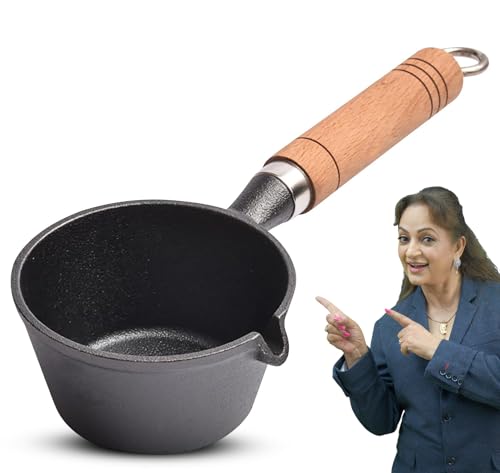
Traditional Cast Iron Tadka Pan – Enhance the authentic flavor of your dals, curries, and vegetables with this 4-inch cast iron tadka pan. Perfect for vaghar, chounk, or tempering spices, it delivers that smoky aroma and taste loved in Indian kitchens.
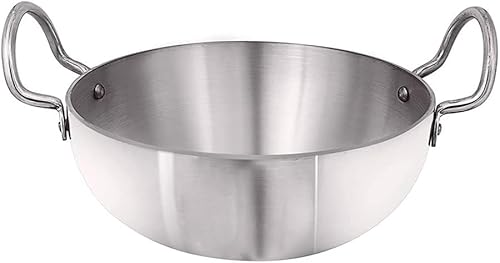
Package Contains - 1 Pc - Aluminium Induction Base Kadai Size 12
Experimenting with Different Combinations of Spices
The beauty of tempering lies in its versatility. You can use different spice combinations to create new flavor profiles or match a specific regional dish. For example, mustard seeds with cumin and turmeric create a strong base for many curries and lentil dishes. Black mustard seeds with curry leaves and dried red chilies create a South Indian flavor that works well with vegetables, rice, rasam, and sambar.
For a simple dal tadka, cumin seeds, garlic, dried red chilies, and a pinch of asafoetida can add warmth and savoriness. For yogurt-based dishes like raita or kadhi, mustard seeds, curry leaves, and dried chilies add aroma without making the dish too heavy. For rice dishes, cashews, curry leaves, mustard seeds, urad dal, and chana dal can add crunch and flavor.
You can also bring regional spices into your tempering. Panch phoron works beautifully with vegetables, lentils, and fish-style preparations. Fennel seeds can add a sweet, cooling note. Fenugreek seeds add bitterness, so use them lightly. The goal is balance, not just intensity.
Fusion recipes can work too. Using Sichuan peppercorns alongside cumin and dried chilies can create a bold, tingly flavor. Adding herbs like thyme or rosemary during tempering can bring an unexpected twist to Indian-inspired pasta, roasted vegetables, or grain bowls. The key is to understand how each spice behaves in heat and how it supports the dish.
Pro Tip: Build a small tempering routine for your favorite dishes. For dal, try cumin, garlic, dried chili, and hing. For South Indian vegetables, try mustard seeds, curry leaves, urad dal, and dried chili.
Using Tempered Spices in Various Indian Dishes

Tempered spices play a major role in many Indian dishes. In dal recipes such as Tadka Dal or Dal Makhani, tempering with cumin seeds and garlic creates a flavorful base that supports the lentils’ natural earthiness. The sizzling garlic adds depth and brings a warm aroma to the whole dish.
Vegetable curries also benefit from tempering. In Aloo Gobi, Bhindi Masala, cabbage stir-fry, or potato fry, mustard seeds, cumin seeds, turmeric, curry leaves, and dried chilies can add flavor and color. The spices coat the vegetables as they cook, making each bite more fragrant.
In South Indian cuisine, tempering is essential in dishes like rasam and sambar. In rasam, mustard seeds and curry leaves are tempered in ghee or oil before being added to a tangy tomato or tamarind broth. This creates a bright, aromatic finish. Sambar often uses mustard seeds, fenugreek seeds, curry leaves, dried red chilies, and asafoetida to complement lentils and vegetables.
Tempering also works in chutneys and raitas. A coconut chutney can be finished with mustard seeds, urad dal, curry leaves, and dried chilies. A cucumber raita can be topped with a mild tempering of cumin or mustard seeds for extra aroma. Even plain rice can become more flavorful with tempered mustard seeds, curry leaves, peanuts, and chilies.
When to Add Tempering: Beginning vs. End
You can temper spices at the beginning of cooking or at the end. Both methods are common, and each gives a different result. When you temper at the beginning, the infused oil becomes the base of the dish. This works well for curries, stir-fries, rice dishes, and recipes where onions, garlic, ginger, or tomatoes cook after the spices.
When you temper at the end, the hot spiced fat becomes a finishing layer. This method is common for dal, kadhi, chutney, raita, rasam, and sambar. It gives the dish a fresh burst of aroma just before serving.
Some recipes use both methods. A curry might start with cumin and onions, then finish with ghee, dried chilies, and garam masala. This layered approach can create more depth, but it should not make the dish oily or overpowering.
Adapting Tempering Techniques for Different Regional Cuisines
While tempering is closely associated with Indian cuisine, the basic idea appears in many cooking traditions. The method is simple: heat fat, add spices or aromatics, and let the fat carry their flavor into the dish.
In Southeast Asian cooking, similar techniques use ingredients like lemongrass, galangal, garlic, shallots, chilies, and makrut lime leaves. The process remains similar because the aromatics release flavor into hot oil before other ingredients are added.
In Mediterranean cooking, flavor bases such as Italian soffritto or Spanish sofrito use olive oil with onions, garlic, herbs, and sometimes peppers or tomatoes. These methods do not always use whole spices in the same way as Indian tadka, but they share the same idea of building flavor through heated aromatics.
Understanding this connection helps you adapt the method confidently. You can use Indian tempering principles while respecting the flavor profile of another cuisine. For example, cumin and garlic in olive oil can work with pasta, chickpeas, or roasted vegetables, while mustard seeds and curry leaves can bring a South Indian flavor to soups and grain bowls.
Incorporating Tempered Spices into Fusion Recipes
The art of tempering spices opens up exciting possibilities for fusion recipes. You might create an Indian-inspired pasta by tempering garlic and cumin seeds in olive oil, then tossing the oil with cooked pasta, sautéed vegetables, lemon juice, and herbs. The result keeps the comfort of pasta while adding the warmth of Indian spices.
You can also use tempered spices in tacos or burritos. Bloom cumin seeds, coriander seeds, and dried chilies in oil before sautéing vegetables, chicken, paneer, tofu, or beans. This approach adds Indian flavor while keeping the structure of the original dish.
Tempered spices can also improve soups, roasted vegetables, scrambled eggs, savory oats, and grain bowls. A quick tadka of mustard seeds, curry leaves, and chili can make plain vegetables taste more exciting. A cumin and garlic tadka can add depth to lentil soup, chickpea stew, or even mashed potatoes.
The key is to balance the spices with the dish. Strong spices should support the recipe, not overwhelm it. Start with small amounts, taste, and adjust as you learn which combinations you enjoy.
Troubleshooting Tempered Spices
If your tempered spices taste bitter, the oil was probably too hot or the spices cooked too long. Lower the heat next time and keep your next ingredient ready so you can stop the cooking quickly.
If the dish tastes flat, the oil may not have been hot enough, the spices may be old, or you may not have used enough fat to bloom them properly. Try fresher whole spices and wait for a steady sizzle before moving to the next step.
If the spices splatter too much, moisture may be the cause. Dry curry leaves, chilies, and herbs before adding them to hot oil. You can also use a deeper pan to reduce splatter.
If garlic burns before the cumin is ready, add garlic later. Hard spices need more time, while chopped garlic and ground spices cook quickly. Adjusting the order often fixes the problem.
Mastering the art of tempering spices is an essential skill for any home cook who wants to improve Indian dishes. By understanding why tempering matters, choosing the right spices, controlling heat, experimenting with combinations, and adapting the method across cuisines, you can unlock deeper flavor in everyday meals. Whether you follow traditional recipes or explore fusion ideas, tempered spices remain one of the simplest ways to make food more aromatic, balanced, and memorable.
If you’re looking to enhance your Indian cooking skills, you may also be interested in learning about the 5 Best Kids Dinnerware Sets for Stress-Free Mealtimes. Having the right tools and utensils can make a big difference in the kitchen, especially when cooking with spices. Check out this article here to find the perfect dinnerware set for your little ones and make mealtime a breeze.
Frequently Asked Questions
What is tempering in Indian cooking?
Tempering, also known as tadka, is a cooking technique where whole or ground spices are heated in hot oil or ghee to release their flavors and aromas. The infused fat is then used as a base or finishing touch for the dish.
Why is tempering important in Indian cooking?
Tempering enhances the flavor and aroma of spices. It also helps distribute those flavors through oil or ghee, which gives dishes like dal, curry, rice, chutney, and vegetables more depth and complexity.
Which spices are commonly used for tempering in Indian cooking?
Common tempering spices include mustard seeds, cumin seeds, fenugreek seeds, curry leaves, dried red chilies, asafoetida, turmeric, black peppercorns, urad dal, chana dal, fennel seeds, and nigella seeds.
How do you temper spices for Indian cooking?
Heat oil or ghee in a pan, add whole spices, and cook them until they sizzle, smell fragrant, and change color slightly. Add delicate aromatics later, then mix the tempered spices into the dish or pour them over the finished food.
What dishes are typically tempered with spices in Indian cooking?
Dishes such as dals, curries, rice dishes, vegetable stir-fries, chutneys, raitas, rasam, sambar, kadhi, and some snacks are commonly tempered with spices in Indian cooking.
Should you temper spices in oil or ghee?
Both oil and ghee work. Use neutral oil when you want a lighter taste, ghee when you want richness, coconut oil for some South Indian and coastal dishes, and mustard oil where its sharp flavor fits the recipe.
Why do my tempered spices taste bitter?
Bitter flavor usually means the spices burned. Use medium heat, keep the spices moving, add delicate ingredients later, and have the next ingredient ready so you can cool the pan quickly.

1 thought on “Tempering Spices for Indian Cooking”