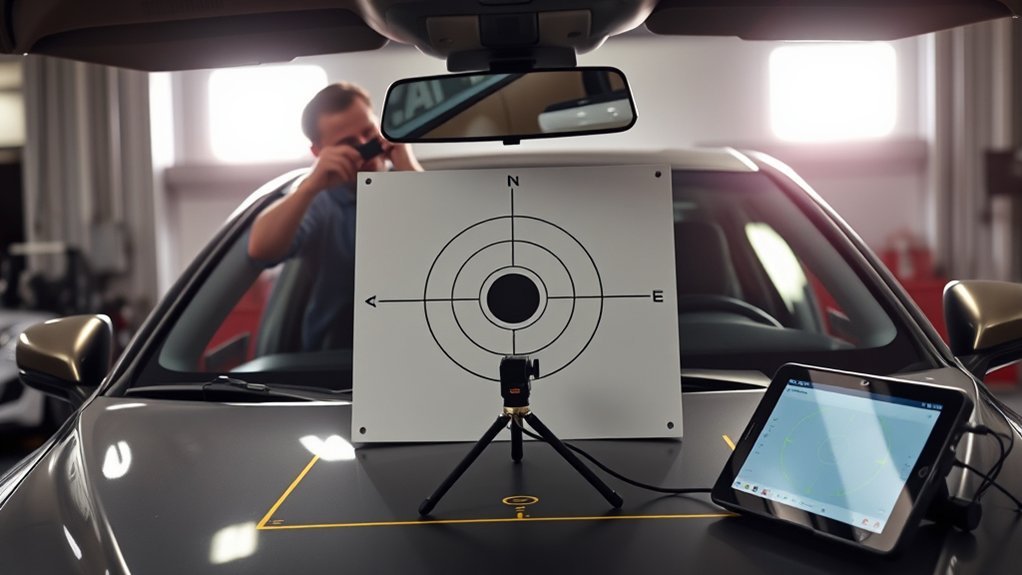
After a windshield replacement, a Toyota Camry with a windshield-mounted forward recognition camera should have the camera adjustment or ADAS calibration required by Toyota’s repair procedure completed before you rely on camera-dependent driver-assistance features. For the 2018–2024 Camry generation, Toyota repair information specifically lists forward recognition camera adjustment after windshield replacement. For other model years, the glass shop should confirm the current procedure for your VIN and installed equipment.
Last updated: September 19, 2026
Quick Answer
If your Camry has a windshield-mounted forward recognition camera, treat camera adjustment or ADAS calibration as part of the windshield replacement. For 2018–2024 Camry repair information, windshield replacement is specifically listed as a trigger for forward-camera adjustment. Ask the shop to confirm the requirement for your VIN, follow Toyota service information, clear applicable diagnostic faults, verify successful operation, and give you the scan and calibration documentation.
Key Takeaways
- Windshield replacement can change the position or optical path of a camera mounted near the rearview mirror.
- For the 2018–2024 Camry generation, Toyota repair information lists forward-camera adjustment after windshield replacement.
- Toyota’s documented procedure for camera-equipped 2018–2024 Camry models also specifies Toyota genuine windshield glass because the bracket, transmissivity, and black ceramic border can affect camera operation.
- Calibration methods and setup conditions vary by Camry model year, safety-system generation, and repair procedure.
- Do not judge success only by the absence of a warning light. Request post-scan results and calibration documentation.
At a Glance
| Time Required | Varies by windshield cure time, diagnostic work, and the Toyota-specified calibration method |
| Difficulty | Professional service |
| Tools Needed | Toyota-compatible scan tool, approved calibration equipment or targets when specified, and a suitable work area or road route |
| Cost | Varies by model, calibration method, local labor, diagnostics, glass choice, and insurance coverage |
What Is ADAS in a Toyota Camry?
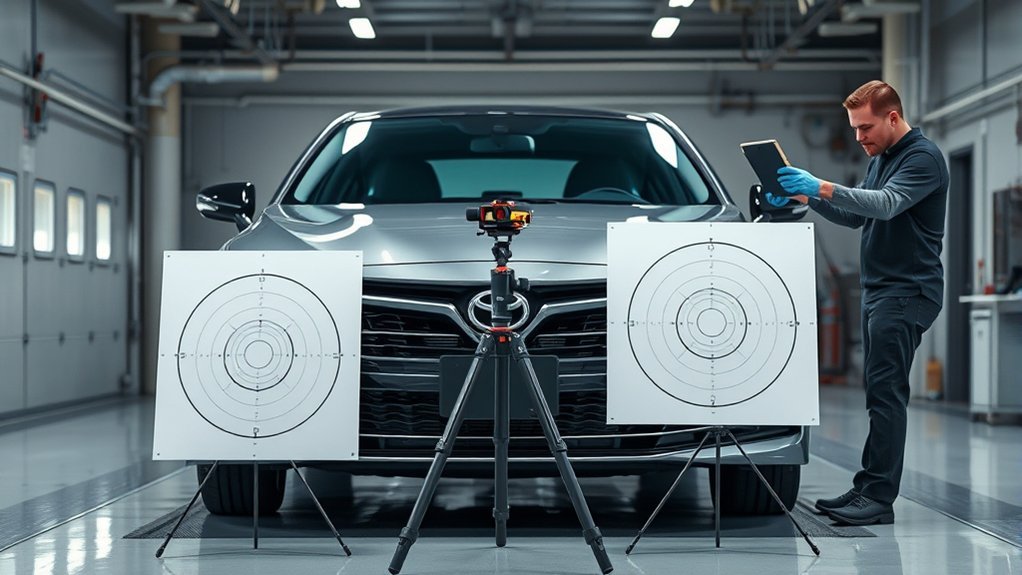
Advanced Driver Assistance Systems, commonly called ADAS, use cameras, radar, and other sensors to warn you about hazards or assist with braking and steering. The exact features fitted to a Camry vary by model year and equipment package.
For example, the 2024 Camry uses Toyota Safety Sense 2.5+, while the redesigned 2025-and-newer generation uses Toyota Safety Sense 3.0. Depending on the generation, Toyota Safety Sense can include a pre-collision system, lane departure alert with steering assist, lane tracing assist, road sign assist, automatic high beams, dynamic radar cruise control, and other functions. Toyota explains that several of these features use the vehicle’s forward camera, radar, or both. Check the Toyota Safety Sense overview and your model-specific owner’s manual for the equipment on your car.
Warning: ADAS features assist the driver, but they do not replace attentive driving. Keep control of the vehicle and do not intentionally create a hazardous situation to test collision warnings, automatic braking, or steering assistance.
Does Every Toyota Camry Need Calibration After Windshield Replacement?
Not every Camry has the same camera or Toyota Safety Sense generation, so the exact procedure must match the vehicle. The most useful dividing line is whether a forward recognition camera is mounted at or views through the windshield.
| 2018–2024 Camry | Toyota repair information for this generation lists forward recognition camera adjustment after windshield replacement. The procedure also specifies Toyota genuine windshield glass when the forward recognition camera is fitted. |
| 2025–2026 Camry | These models use Toyota Safety Sense 3.0. Have the shop identify the vehicle by VIN and use current Toyota repair information rather than applying the earlier-generation procedure automatically. |
| Older Camry models | Camera equipment and procedures vary. If a forward camera is fitted near the rearview mirror, have the shop check the VIN-specific Toyota procedure before replacing the glass. |
The safest rule is not to decide from the Camry badge alone. Identify the model year, VIN, installed camera equipment, windshield options, and current Toyota service procedure before the repair begins.
How Does Windshield Replacement Affect Camry ADAS?
A forward camera is commonly mounted near the top center of the windshield, behind or close to the rearview mirror. Replacing the glass can affect the camera bracket, camera angle, glass optical properties, or the camera’s view through the windshield.
A small aiming difference may change how the system interprets lane markings, road signs, vehicles, pedestrians, or other objects. The car may display a warning, disable a feature, provide an alert at the wrong time, or appear normal while still needing the Toyota-specified adjustment.
Impact on Camera Alignment
Calibration aligns the camera’s measured view with the vehicle’s actual position and direction of travel. The procedure may also depend on vehicle height, tire condition, steering angle, alignment, cargo load, and the setup conditions listed in Toyota’s repair information.
Windshield work directly concerns the windshield-mounted camera. A grille-mounted radar sensor is not automatically recalibrated just because the windshield was replaced, but it may require separate inspection or calibration if it was disturbed, damaged, removed, or flagged by the repair procedure or diagnostic scan.
When Is Camera Calibration Necessary After Replacement?
If your Camry has a forward recognition camera attached to or viewing through the windshield, the installer should check the exact Toyota procedure for your VIN and equipment. For the 2018–2024 generation, windshield replacement is specifically listed as a condition requiring forward recognition camera adjustment. Toyota’s Technical Information System is the official North American service-information source for repair manuals, service bulletins, diagnostics, and calibration information.
Do not accept a blanket answer based only on the Camry name or on what a shop normally does for another Toyota model. Different generations and safety-system versions can use different adjustment methods and setup requirements.
What Are the Risks of Skipping Calibration?
An unverified or incomplete calibration can affect camera-dependent warnings and assistance. Possible signs include unavailable-system messages, lane alerts that occur too early or too late, inconsistent steering assistance, or pre-collision warnings that seem abnormal.
These symptoms are not a safe substitute for professional verification. Some faults are stored as diagnostic trouble codes, while other problems may require the specified calibration check to detect. The absence of a warning light alone does not prove that the Toyota-required adjustment was completed.
Why Does a Toyota Camry Need ADAS Calibration After Windshield Replacement?
Driver-assistance systems rely on accurate sensor input. Toyota states that its safety features use forward-looking camera and radar information for functions such as lane assistance, distance control, road-sign recognition, and pre-collision support. NHTSA likewise explains that lane-departure warning and lane-centering systems use camera-based vision to monitor the vehicle’s position on the road.
Real-world research shows why correct operation matters. IIHS reports that vehicles equipped with forward-collision warning and automatic braking experience substantially fewer rear-end crashes than comparable vehicles without those systems. That finding describes the safety technology as a whole; it does not mean calibration alone creates a specific percentage reduction in crashes.
IIHS reports that forward-collision warning combined with automatic braking cuts rear-end crashes by about half compared with otherwise comparable vehicles without the technology. Calibration helps return repaired camera systems to the manufacturer-specified condition; it should not be described as a separate “50% calibration benefit.”
How Should a Shop Confirm the Correct Camry Calibration Procedure?
- Identify the vehicle: Record the VIN, model year, trim, windshield options, and installed Toyota Safety Sense equipment.
- Check Toyota service information: Confirm whether forward-camera adjustment is required and which procedure applies.
- Perform a pre-repair scan and inspection: Check diagnostic trouble codes, camera mounting, related wiring, warning messages, tire condition, vehicle height, and visible damage.
- Install the specified glass: Verify the exact windshield requirement before ordering the part. For camera-equipped 2018–2024 Camry repair information, Toyota specifies Toyota genuine windshield glass.
- Complete the specified calibration: Use the required targets, measurements, scan-tool functions, road conditions, or combination listed for that Camry.
- Verify the result: Complete a post-repair scan, confirm calibration status, check warning lights, and perform any Toyota-specified functional or road verification.
- Document the work: Provide the customer with the calibration report, diagnostic results, glass information, and repair invoice.
Pro Tip: Before approving the windshield replacement, ask the shop to state in writing which glass will be installed, whether camera calibration is included, who will perform it, which Toyota procedure will be followed, and what scan/calibration documentation you will receive.
[Amazon Products Picked for You]

1. Compatible With Toyota: Designed for supported applications that require LDW static front camera calibration. Confirm the vehicle model, year, and service procedure before purchase.
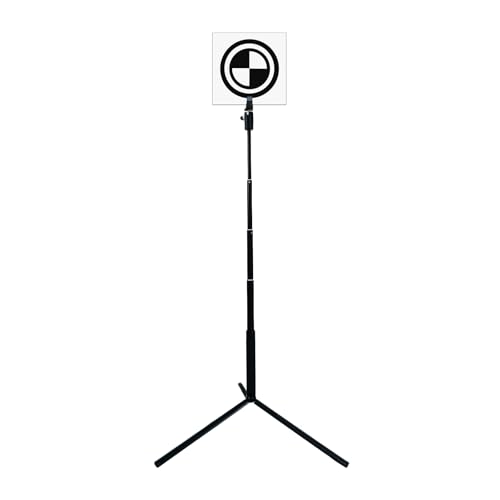
Designed For Static Front Camera Calibration: This board-and-stand set is designed for front camera aiming Compatible with Honda Elysion. Confirm the vehicle's ADAS system and required calibration pattern before purchase to ensure the correct application.

【Enhanced performance】: By using the laser reflector plate, the full potential of the laser level can be unlocked, improving its visibility and accuracy in a variety of applications.
Static vs. Dynamic ADAS Calibration: Which Does a Camry Need?
The required method is not the same for every Camry. The repairer should follow the Toyota procedure for the exact vehicle instead of choosing a method based on convenience or on what worked for another model.
| Target-based or static calibration | The vehicle is positioned in a controlled workspace relative to specified targets. Floor level, lighting, distances, vehicle setup, and target placement may be tightly controlled. |
| Road-based or dynamic calibration | The scan tool starts a learning procedure while the vehicle is driven under specified road, lane, speed, traffic, and weather conditions. |
| Combined or Toyota-specific sequence | The repair information may call for a specific sequence or more than one adjustment or verification step. Use only the sequence listed for the exact vehicle. |
Toyota repair information may use procedure names such as One Time Recognition, Sequential Recognition, or Driving Adjustment rather than relying only on the generic labels “static” and “dynamic.” The available method depends on the vehicle and repair procedure, so a shop should be able to identify the Toyota procedure it actually completed.
A failed calibration does not automatically mean the camera is defective. Causes can include an incorrect setup, wrong glass or camera bracket, stored faults, wheel-alignment or ride-height problems, poor target placement, unsuitable road conditions, or damage elsewhere in the system.
What Should You Expect During Camry ADAS Calibration?
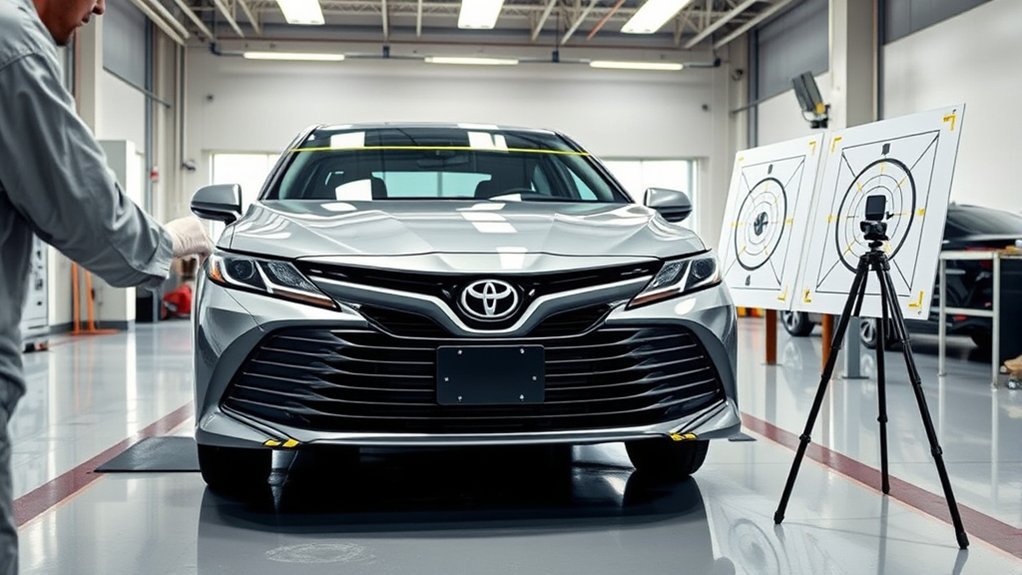
The appointment may include more than the calibration itself. The installer must allow the windshield adhesive to reach the stated safe drive-away condition, then complete any required scans, measurements, target setup, road learning, and final verification.
Before service, tell the shop about recent suspension work, wheel alignment, collision repairs, windshield leaks, dashboard warnings, camera replacement, nonstandard wheels or tires, or changes in ride height. These details can affect diagnosis or calibration setup.
When you collect the car, the shop should explain whether the calibration passed, whether any diagnostic codes remain, and whether another repair is required. The paperwork should identify the vehicle or VIN, the system calibrated, successful completion status, relevant pre-scan and post-scan results, and the technician or facility that performed the work. A clear invoice should also separate the windshield, moldings or sensors, diagnostics, calibration, and any subcontracted work.
[Amazon Products Picked for You]

Universal Compatibility: Fit for Honda, Toyota, Kia, and Ford vehicles,Whether you're a professional mechanic or a DIY enthusiast, this kit is designed to meet your ADAS calibration needs.Please confirm whether it meets your car model

【Durable Construction】: Built with billet aluminum stand, the kit is engineered for longevity and stability during calibration processes, making it suitable for use across various vehicle compatible with Kia, Honda, Toyota, Mazda, Ford, GM, and Hyundai.Fits a wide range of vehicles from regular-sized cars to heavy-duty vehicles such as trucks, lorries, buses, and beyond.
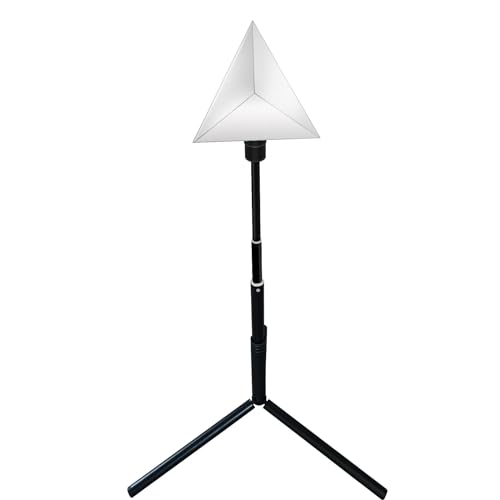
Efficient Calibration: The Radar Aiming Corner Reflector Target ADAS Calibration Tool ensures accurate calibration for Honda, Toyota, Mazda, Kia, Ford, GM,Hyundai.
How Much Does Toyota Camry ADAS Calibration Cost?
There is no reliable nationwide flat price for Camry ADAS calibration. The total depends on the model year, safety-system version, calibration method, diagnostic time, local labor rate, windshield type, glass-shop capabilities, and whether another facility performs the work.
Ask for an itemized written estimate before the replacement. Confirm whether the quote includes a pre-scan, camera calibration, post-scan, road verification when required, taxes, mobile-service fees, and any dealer or subcontractor charge.
Insurance treatment also varies. Calibration may be included in a covered glass claim, applied to your comprehensive deductible, require prior authorization, or remain your responsibility under the policy. Ask the insurer and repairer to confirm coverage in writing instead of assuming approval or denial.
Note: Using a non-dealer repairer or an aftermarket part does not automatically cancel an entire vehicle warranty. However, that general warranty principle is separate from Toyota’s repair requirements. For camera-equipped 2018–2024 Camry repair information, Toyota specifically calls for Toyota genuine windshield glass. Keep the glass invoice, scan results, calibration report, and warranty documents.
[Amazon Products Picked for You]

【Quick Installation & No Drilling Required】This dash cam rear bracket is very easy to install, just use two screws to fix the rear camera of the car recorder on the bracket, and then stick the dash cam mount anywhere inside or outside the car. The mini backup camera mount will not obstruct the view of the rear windshield. Suitable for cars, SUVs, RVs, trucks, etc


★S504 dash cam mount is the newest version, it is 1/2 smaller than the old model, compact and does not affect the sightline, size with 4 different joints suitable for most popular Apeman brand dash cam, such as Apeman dash cam, Ssontong dash cam, Biuone dash cam, iZEEKERdash cam, HaHoco dash cam, and most other car dash cameras.
Does a Toyota Camry Need OEM Glass for ADAS?
For the camera-equipped 2018–2024 Camry generation, Toyota repair information specifies a Toyota genuine windshield. The stated concerns include the camera mounting bracket and differences in windshield transmissivity or the black ceramic border that could affect camera installation or operation.
For other Camry generations, do not assume that a generic “ADAS-compatible,” “OEM-equivalent,” or aftermarket label proves that a particular windshield satisfies Toyota’s procedure. Ask the installer to identify the glass manufacturer and part number, verify the requirement against your VIN, and confirm that the selected glass supports the required camera installation and calibration.
The windshield may also need to match other installed equipment such as the rain sensor, acoustic layer, head-up-display area, heating elements, tint or coatings. If calibration repeatedly fails, the shop should investigate the glass, bracket, camera mounting, vehicle setup, diagnostic faults, alignment, and related damage instead of simply repeating the same procedure.
What Are Signs Your Camry Needs ADAS Attention After Windshield Replacement?
- A Toyota Safety Sense, pre-collision, lane-assistance, camera, or radar warning appears.
- Lane departure alerts are missing, unusually frequent, or triggered when the car is centered.
- Lane tracing or steering assistance pulls, corrects unexpectedly, or becomes unavailable.
- Road signs are not recognized as expected, or the displayed sign is repeatedly incorrect.
- Dynamic radar cruise control or pre-collision assistance becomes unavailable.
- The camera housing is loose, crooked, rattling, fogged, or obstructed.
- The shop cannot provide a successful calibration report or says calibration was unnecessary without checking the vehicle procedure.
Dirty glass, heavy rain, fog, snow, glare, faded lane markings, or blocked sensors can temporarily limit ADAS operation. Clean the sensor viewing area and review the owner’s manual, but arrange professional diagnosis if warnings or abnormal behavior continue.
Post-Calibration Checklist
- Confirm the windshield and camera bracket match the Toyota procedure for the VIN.
- For a camera-equipped 2018–2024 Camry, confirm the glass choice follows Toyota’s genuine-windshield instruction.
- Request the pre-scan and post-scan results.
- Request a calibration report showing a successful result.
- Check that no new warning lights or system-unavailable messages remain.
- Confirm the paperwork identifies the calibrated system and who performed the work.
- Ask whether any diagnostic codes or incomplete procedures remain.
- Keep all records with the vehicle’s service history for warranty, insurance, resale, and future repair reference.
Related Guides
Frequently Asked Questions
How do you recalibrate ADAS after a Toyota Camry windshield replacement?
A qualified technician identifies the vehicle and safety equipment, checks Toyota repair information, scans the car, verifies the glass and camera installation, completes the Toyota-specified camera adjustment or learning procedure, then performs a post-scan and verification. This is not a normal owner-level DIY procedure.
What is calibration after windshield replacement?
Calibration is the manufacturer-specified process used to align or teach the forward camera so its measured view matches the vehicle’s position and direction. Depending on the Camry procedure, it may use targets, scan-tool-guided recognition, a driving adjustment, or another Toyota-specified sequence.
How much does Camry camera calibration cost?
Pricing varies by model year, procedure, diagnostics, local labor, and whether the work is completed in-house or by another facility. Get an itemized estimate and ask your insurer how the calibration and deductible will be handled.
Does windshield replacement affect every Camry sensor?
No. Windshield replacement directly affects equipment mounted to or viewing through the windshield, especially the forward recognition camera. Other sensors, such as grille-mounted radar units, need separate attention when the Toyota procedure requires it or when they were disturbed, damaged, removed, or flagged by diagnostics.
Can I drive before the calibration is completed?
Follow the glass installer’s safe drive-away instructions and Toyota guidance. If a required calibration is incomplete or a warning is displayed, treat the affected assistance features as unavailable and arrange completion promptly. Do not rely on them during the trip.
How do I know the calibration was successful?
Ask for a successful calibration report, pre-scan and post-scan results, and an invoice identifying the calibrated system and technician or facility. The absence of a dashboard warning by itself is not complete proof that the Toyota-required procedure was performed.
Does a Toyota Camry need an OEM windshield for ADAS calibration?
For camera-equipped 2018–2024 Camry repair information, Toyota specifies Toyota genuine windshield glass because the camera bracket, windshield transmissivity, and black ceramic border can affect installation or camera operation. For other model years, have the shop check the current Toyota procedure for your VIN instead of assuming that any aftermarket glass is acceptable.
Do I need a wheel alignment before Camry ADAS calibration?
Not automatically just because the windshield was replaced. However, the vehicle must meet the setup conditions in the Toyota calibration procedure. Incorrect wheel alignment, abnormal ride height, overloading, or related geometry problems can interfere with camera-axis adjustment and should be corrected when they are outside specification.
Conclusion
If your Toyota Camry has a forward recognition camera at the windshield, treat camera adjustment or ADAS calibration as part of the windshield-replacement job rather than an optional add-on. For the 2018–2024 generation, Toyota repair information specifically lists camera adjustment after windshield replacement and specifies Toyota genuine glass for camera-equipped vehicles. For other model years, have the shop verify the current VIN-specific procedure. Before you leave, obtain confirmation of the correct glass, a successful calibration result, the pre-scan and post-scan information, and documentation identifying who performed the work.
Sources
- Toyota Safety Sense – camera- and radar-supported driver-assistance features and system limitations.
- Toyota Manuals and Warranties – model-specific owner’s manuals and warranty information.
- Toyota Technical Information System – official North American repair manuals, service bulletins, diagnostics, and calibration information.
- Toyota 2024 Camry Technical Overview – Toyota Safety Sense 2.5+ equipment and forward-camera-supported features.
- Toyota Next-Generation Camry Overview – introduction of Toyota Safety Sense 3.0 on the redesigned 2025 Camry.
- NHTSA Driver Assistance Technologies – definitions, operation, and driver-responsibility guidance for ADAS features.
- IIHS Advanced Driver Assistance Research – real-world crash-reduction evidence and limitations of driver-assistance technology.
- FTC Auto Warranties and Auto Service Contracts – consumer guidance on repairs, aftermarket parts, records, and warranty coverage.
