
Glass bottle planters give you a creative way to reuse empty bottles while adding greenery to shelves, windowsills, balconies, and small indoor spaces. They can look elegant, cost very little when you make them yourself, and work well for small plants such as succulents, herbs, pothos cuttings, and compact flowers. Before you make or buy one, you should understand the real benefits, costs, safety concerns, drainage needs, and maintenance limits.
Quick Answer
A glass bottle planter is worth it if you want a low-cost, decorative, and sustainable planter for small plants. It works best for herbs, succulents, cuttings, and compact indoor plants. It is less ideal for large plants, heavy root systems, or anyone who needs easy drainage and break-resistant containers.
Key Takeaways
- Glass bottle planters are a creative and sustainable way to repurpose used bottles into functional plant containers.
- They work best for small plants, herbs, cuttings, succulents, and decorative indoor displays.
- DIY glass bottle planters can be very affordable, especially if you already have empty bottles at home.
- Drainage, careful watering, and safe cutting matter more with glass than with standard plant pots.
- Glass bottle planters look stylish, but they can break and may not suit large plants or outdoor areas with strong wind.
At a Glance
| Best For | Small indoor plants, herbs, cuttings, succulents, terrariums, and decorative displays |
| Difficulty | Easy if you use jars or pre-cut bottles; moderate if you cut glass yourself |
| Tools Needed | Clean glass bottle or jar, potting mix, gravel or charcoal, gloves, plant, and optional glass-cutting tool |
| Typical Cost | Low for DIY projects; higher for pre-made terrariums, hanging planters, or decorative kits |
Benefits of Glass Bottle Planters
One of the biggest benefits of glass bottle planters is that they turn waste into something useful and attractive. Instead of throwing away wine bottles, soda bottles, jars, or small glass containers, you can repurpose them into planters for your home, patio, or balcony. This makes them especially appealing if you like sustainable decor or budget-friendly gardening projects.
Glass bottle planters can also help you create a small, controlled growing environment. The transparent glass lets you see the soil layers, roots, moisture, pebbles, and drainage materials. That visibility makes the planter more decorative, but it also helps you spot problems such as soggy soil, algae buildup, or cramped roots before they damage the plant.
The clear surface also allows light to reach the plant and the growing medium from different angles. This can help cuttings and some bright-light plants, especially when you place the planter near a sunny window. However, too much direct sun can heat the glass quickly, so you should match the location to the plant’s light needs.
Another benefit is design flexibility. Glass bottle planters can fit rustic, modern, farmhouse, minimalist, or boho spaces depending on how you style them. You can use single bottles for a clean look, group several bottles together for a centerpiece, or hang them vertically to save space.
You can also customize the inside of the planter. Layers of small stones, activated charcoal, moss, colorful pebbles, bark, or clean sand can add texture and visual interest. These details make glass bottle planters more than simple plant containers. They can become a small display piece in a kitchen, office, bathroom, or living room.
Pro Tip: Use clear glass for plants you want to display from root to leaf, such as pothos cuttings, herbs, or small terrarium plants. Use tinted glass only when the plant does not need strong light through the sides.
Cost of Glass Bottle Planters

The cost of glass bottle planters can vary widely depending on whether you make one yourself or buy a finished planter. For a DIY project, the cost can be very low. Many people already have empty glass bottles, mason jars, candle jars, or food jars at home. In that case, your main expenses may be potting mix, small stones, activated charcoal, and the plant itself.
If you want to cut a bottle, you may need extra tools. A glass cutter, sanding paper, gloves, safety glasses, and a stable work surface can increase the starting cost. You should also factor in time and the possibility that a bottle may crack during cutting.
Pre-made glass bottle planters and terrarium kits usually cost more because you are paying for the design, cutting, finishing, and included materials. Simple glass planters or terrarium kits may start at a modest price, while larger decorative designs with multiple plants, hangers, stands, or lighting can cost much more.
The long-term cost is usually low, but it depends on plant care. A healthy planter may only need occasional water, light cleaning, and plant trimming. A poorly drained planter may lead to root rot, which means replacing the plant and soil. Spending a little more on the right soil mix and a suitable plant can save money later.
[Amazon Products Picked for You]

【UPGRADED STRUCTURAL DESIGN & FEATURES】 This bottle cutter includes 5 support wheels created specifically to better stabilize the bottle, 2 ultra-strong diamond carbide blade guaranteed for over 400,000 cuts, built with stable and solid made of stainless steel bottom plate to the highest quality standards you should expect.
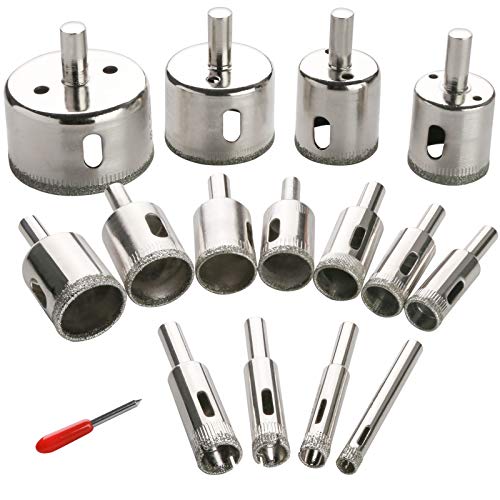
UNLOCK YOUR GARDEN'S POTENTIAL:Found the perfect ceramic pot with no drainage? Problem solved. This kit is the gardener's best friend, designed to effortlessly drill clean drainage holes in terracotta, ceramic, and glass planters. Give your plants the healthy roots they deserve and never say no to a beautiful pot again.

UPGRADED STRUCTURAL DESIGN & FEATURES; This bottle cutter includes 5 support wheels created specifically to better stabilize the bottle, 2 ultra-strong diamond carbide blade and equipped with glass cutting oil, can lubricate the blade, guaranteed for over 400,000 cuts, built with stable and solid made of stainless steel bottom plate to the highest quality standards you should expect.
Environmental Impact of Glass Bottle Planters
| Environmental Impact Metrics | Value |
|---|---|
| Carbon Emissions | Varies by bottle size, manufacturing method, recycled content, and transport distance |
| Energy Consumption | Glass production and recycling both require heat and energy |
| Water Usage | Varies by production facility, cleaning process, and bottle source |
| Recycling and Reuse | Reuse can extend the life of a bottle before recycling |
The environmental impact of glass bottle planters is mostly positive when you reuse bottles that you already have. Repurposing extends the life of the glass and delays disposal. It can also reduce the need to buy a new planter made from plastic, ceramic, metal, or newly manufactured glass.
Glass is recyclable, but recycling still requires collection, transport, sorting, cleaning, and processing. Reusing a bottle at home avoids some of those steps. That makes glass bottle planters a practical example of reuse before recycling.
These planters can also support small-scale home gardening. Growing herbs such as basil, mint, parsley, or thyme in repurposed containers may reduce some packaging waste from store-bought herbs. It also helps you build a closer connection with the food and plants you use at home.
That said, glass is not automatically the greenest choice in every situation. If you buy new decorative glass containers and ship them long distances, the environmental benefit may be lower. The best sustainability value comes from reusing bottles you already own or sourcing secondhand glass containers locally.
The most sustainable glass bottle planter is usually the one made from a bottle you already have, not a new container bought only for decoration.
Maintenance and Care of Glass Bottle Planters
Caring for glass bottle planters is simple when you choose the right plant and control moisture. Drainage is the main issue. Most bottles do not have drainage holes, so water can collect at the bottom and damage roots. If the plant sits in wet soil for too long, root rot can develop.
You can reduce this risk by using a drainage layer of small stones, gravel, or activated charcoal at the bottom of the planter. This layer does not replace a real drainage hole, but it can help separate excess moisture from the root zone. You should still water carefully and avoid soaking the soil.
If you are comfortable using proper safety gear and tools, you may create drainage holes or cut the bottle into a more open shape. This makes watering easier and improves airflow. However, cutting glass creates sharp edges and breakage risks, so beginners may prefer wide-mouth jars or pre-cut glass containers.
Warning: Do not cut glass without gloves, eye protection, and a safe work area. Sand any cut edge until it is smooth, and keep broken glass away from children, pets, and food-prep surfaces.
Watering needs depend on the plant. Succulents and cacti need less water and prefer a fast-draining mix. Herbs usually need more consistent moisture and better airflow. Tropical cuttings can grow well in water-filled bottles, but you should refresh the water regularly to prevent odor and algae.
Cleaning is also important because clear glass shows mineral spots, algae, and soil residue. Wipe the outside with a soft cloth. For the inside, use warm water and a bottle brush when the planter is empty. Avoid harsh cleaners if the plant is still inside.
Watch for common warning signs. Yellow leaves may suggest overwatering. Crispy leaf edges may mean too little water or too much direct sun. Mold on the soil surface can signal poor airflow or excess moisture. A plant that stops growing may need a larger container.
Best Plants for Glass Bottle Planters
The best plants for glass bottle planters are small, slow-growing, and tolerant of the planter’s moisture level. A narrow bottle does not give roots much room, so compact plants are usually better than fast-growing plants with large root systems.
Succulents can work well in open glass containers if you use a gritty, fast-draining mix and water lightly. Good options include small echeveria, haworthia, jade cuttings, and sedum. Avoid placing closed glass containers in strong sun because heat can build quickly.
Herbs can also work, especially in wide-mouth bottles or jars. Basil, mint, parsley, and thyme are good choices if they receive enough light and airflow. Mint grows quickly, so you may need to trim it often.
Water-rooted cuttings are one of the easiest options. Pothos, philodendron, lucky bamboo, and spider plant babies can grow in water-filled bottles. These planters look clean and modern, and you can see the roots develop through the glass.
Closed or semi-closed terrarium bottles suit humidity-loving plants such as small ferns, moss, fittonia, and peperomia. Avoid mixing plants with opposite needs, such as cactus and moss, in the same bottle.
[Amazon Products Picked for You]

ELEGANT FLOATING GLASS WITH SAFE EDGES: The high-transparency glass tank (5.9 L x 5.9 W x 9 H inches) features an elevated, hollow bottom that creates a stunning suspended visual effect. Every glass edge is carefully polished with a smooth, anti-cut finish, ensuring absolute safety during daily planting and cleaning.

Handmade Miniature Terrarium: Features a tiny glass bottle containing a detailed faux plant seedling immersed in clear, high-purity resin that simulates water. This unique design creates a charming miniature ecosystem on your earlobe

Unique design: The terrarium bottle container has a unique and eye-catching design that makes it a great addition to any home décor.
How to Make a Simple Glass Bottle Planter
You can make a simple glass bottle planter without complicated materials. The easiest version uses a clean wide-mouth jar or bottle, which avoids cutting glass. This method is safer for beginners and works well for small plants.
- Clean the bottle: Wash the bottle or jar with warm water and mild soap. Remove labels if you want a clear look.
- Add a base layer: Place small stones, gravel, or activated charcoal at the bottom to help manage extra moisture.
- Add soil: Use potting mix that matches your plant. Succulents need a gritty cactus mix, while herbs need a lighter potting mix.
- Plant carefully: Place the plant inside and gently firm the soil around the roots. Do not pack the soil too tightly.
- Water lightly: Add a small amount of water and watch how quickly the soil absorbs it.
- Place it correctly: Set the planter where the plant gets suitable light without overheating the glass.
Note: If your bottle has no drainage hole, water less than you would with a regular pot. Add small amounts and wait before adding more.
Aesthetics and Design Options of Glass Bottle Planters

The aesthetic appeal of glass bottle planters is one of their strongest features. Clear glass lets you use the inside of the planter as part of the design. You can layer stones, soil, moss, and decorative sand to create a finished look from every angle.
For a minimalist style, use one bottle with one plant. A single pothos cutting in a clear glass bottle can look clean and modern on a desk or kitchen shelf. For a rustic style, use recycled wine bottles, twine, wooden trays, or vintage jars.
Hanging glass bottle planters are popular because they add height without taking up floor space. You can suspend them with macramé hangers, wall brackets, or simple hooks. This works well for small apartments, balconies, and windows where table space is limited.
You can also group bottles of different heights together. A set of three bottles with herbs can make a practical kitchen display. A row of small jars with succulents can brighten a windowsill. Larger glass containers can become terrariums with moss, stones, and small humidity-loving plants.
Lighting can add even more visual interest. Small fairy lights around the outside of a larger glass planter can turn it into a soft evening accent. Keep electrical parts away from water and soil, and avoid sealing lights inside wet containers unless they are designed for that use.
Drawbacks and Safety Concerns
Glass bottle planters have many benefits, but they also have real drawbacks. The biggest concern is breakage. Glass can crack, chip, or shatter if it falls, freezes with water inside, or gets knocked over by pets or children. This makes placement important.
Drainage is another limitation. Most bottles were not designed as planters, so they do not have drainage holes. This can lead to overwatering, root rot, mold, and poor airflow. A glass planter can work beautifully, but it requires more careful watering than a standard nursery pot.
Size can also limit plant health. Narrow bottles restrict root growth and make repotting difficult. Some plants may look good at first but outgrow the bottle quickly. Choose plants based on the container’s shape, not only the appearance.
Heat buildup can be a problem in direct sun. Glass can magnify heat and warm the soil or water faster than expected. This can stress roots, dry soil unevenly, or damage sensitive plants. Bright indirect light is often safer for indoor glass bottle planters.
Alternatives to Glass Bottle Planters
While glass bottle planters offer many benefits, you may prefer a different material depending on your plant, space, and lifestyle. Plastic planters are lightweight, affordable, and less likely to break. They often come with drainage holes and are easy to move. However, plastic can fade, crack, and create environmental concerns if it is not reused or recycled properly.
Ceramic pots are another popular option. They come in many colors, finishes, and sizes, and they offer a more traditional look. Ceramic can insulate roots better than thin glass, but it is heavier and can still break if dropped.
Terracotta pots work well for plants that prefer drier soil because the clay allows moisture to evaporate through the sides. This makes terracotta a strong choice for succulents, cacti, and Mediterranean herbs. The downside is that terracotta can dry out quickly and may crack in freezing conditions.
Metal containers can create an industrial or farmhouse look, but they may heat up in direct sun. You should use a liner or inner pot when needed to protect roots. Wood planters offer a natural style and can work well outdoors, but they may rot without proper sealing or drainage.
Biodegradable pots made from coconut coir, paper pulp, peat-free fiber, or similar materials are also available. These can be useful for seed starting and transplanting, although they may not provide the same decorative appeal as glass.
[Amazon Products Picked for You]
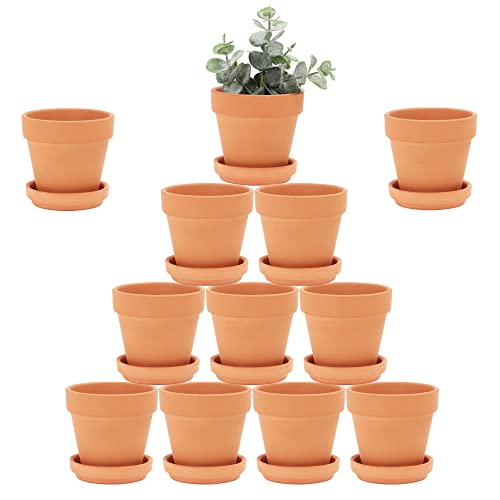
★【TERRACOTTA】 Yishang small terracotta pots with saucer made of Top-Quality clay and baked at 1796°F high temperature, each Terracotta Pots features great durability and crack resistance. All packages have passed the 3-foot drop test to ensure the pots stay intact during delivery.
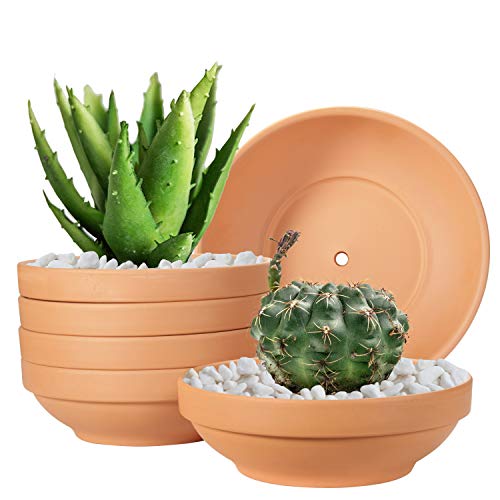
High Quality: Terracotta pots made of Top-Quality clay and baked at high temperature, each Terracotta Pots features great durability and crack resistance. Terracotta pots are classic planting pots, with a neutral and warm color that makes almost any plant look great. Terra cotta dries out more quickly than other mediums. Suitable for propagating seedling, collecting succulents and small plants like succulents, cactus, herbs, moss ball, and bring so much positivity.

【What You Get】 6 pack of 6 inch high-fired terracotta pots, 6 plastic saucers, and 6 pot meshes. Terra cotta pot dimensions: 6” (top diameter) x 5.3” (height) x 3.8” (base diameter). Saucer dimensions: 5.2” (top diameter) x 1” (height) x 4.6” (base diameter). Flower pot hole conical mesh pad: 2.9”(diameter )* 2.1”(height) – all designed for seamless compatibility.
Is a Glass Bottle Planter Worth the Investment?
A glass bottle planter is worth the investment if you value sustainability, creativity, and decorative indoor gardening. It gives you a useful way to repurpose bottles while adding a personal touch to your home. For DIY gardeners, the cost can be very low, and the finished planter can feel more meaningful than a store-bought pot.
It is also worth considering if you live in a small space. Glass bottle planters work well on shelves, windowsills, desks, kitchen counters, and balconies. Hanging designs can help you add plants without using floor space.
However, it may not be the best choice for every plant or every home. If you need a durable planter for children, pets, outdoor wind, or large plants, plastic, ceramic, terracotta, or wood may be more practical. If you often overwater plants, a container with drainage holes will be easier to manage.
The best approach is to match the planter to the plant. Use glass bottles for small plants, water-rooted cuttings, herbs, succulents, or terrarium-style displays. Choose another container when the plant needs deep roots, heavy drainage, or frequent repotting.
If you are considering investing in a glass bottle planter, you may also be interested in checking out 5 Top Bathroom Cleaning Kits to Simplify Your Cleaning Routine. This article provides helpful insights into how to streamline your cleaning process and keep your bathroom looking fresh and tidy. Just like maintaining a clean living space, investing in a glass bottle planter can add a touch of greenery to your home while also promoting sustainability.
Related Guides
Frequently Asked Questions
What is a glass bottle planter?
A glass bottle planter is a decorative and functional way to repurpose a glass bottle as a plant container. It may use a cut bottle, a wide-mouth jar, or a whole bottle filled with water for plant cuttings.
What are the benefits of using a glass bottle planter?
Using a glass bottle planter can reduce waste, add a unique decorative touch, and help you grow small plants in limited space. Clear glass also lets you see the soil, roots, stones, and moisture level.
Are there any drawbacks to using a glass bottle planter?
Yes. Glass bottle planters can break, may be hard to cut safely, and often lack drainage holes. They also offer less root space than many traditional plant pots.
How much does a glass bottle planter cost?
The cost depends on the bottle, plant, soil, drainage materials, and design. DIY options can be very affordable if you reuse bottles you already own. Pre-made glass planters and terrarium kits usually cost more.
Are glass bottle planters environmentally friendly?
Glass bottle planters can be environmentally friendly when they reuse bottles that would otherwise be discarded. Reuse helps reduce waste and can extend the useful life of the glass before recycling.
What types of plants are suitable for glass bottle planters?
Small plants such as succulents, herbs, pothos cuttings, spider plant babies, small ferns, moss, and compact flowers can work well. Always match the plant to the bottle size, drainage, airflow, and light conditions.
Do glass bottle planters need drainage holes?
Drainage holes are helpful but not always present. If your bottle has no drainage hole, use a drainage layer, water lightly, and choose plants that can tolerate the setup. Avoid soaking the soil.
Can I use a glass bottle planter outdoors?
You can use one outdoors in a protected area, but glass may break in wind, impact, or freezing conditions. Keep it stable, avoid high-traffic spots, and do not leave water-filled glass outside in freezing weather.
Sources
- U.S. Environmental Protection Agency: Reducing and Reusing Basics — supports the reuse-before-disposal sustainability approach.
- U.S. Environmental Protection Agency: How Do I Recycle Common Recyclables? — supports general glass recycling and waste-reduction context.
- University of Minnesota Extension: Houseplant Care — supports basic indoor plant care guidance, including light and watering considerations.

3 thoughts on “Is a Glass Bottle Planter Worth the Investment?”