
Sony’s E-mount catalog covers compact primes, flexible travel zooms, specialist portrait lenses, and heavy-duty professional glass. The right choice depends less on which lens looks most impressive and more on the subjects you shoot, the weight you can carry, and whether your camera body provides in-body stabilization.
This guide compares five full-frame Sony E-mount lenses for portraits, travel, video, events, creative bokeh, and action. Each lens also works on Sony APS-C E-mount cameras, but the field of view becomes tighter because of the 1.5x crop factor.
Quick verdict: Choose the Sony FE 50mm F1.4 GM for a premium everyday prime, the FE 85mm F1.4 GM II for portraits, or the FE 20-70mm F4 G for travel and video. The FE 100mm F2.8 STF GM OSS is the specialist bokeh pick, while the FE 50-150mm F2 GM is the professional event and action option.
Important: Only the 100mm STF in this roundup has in-lens Optical SteadyShot. The other four lenses rely on your camera’s stabilization or your shooting technique.
Top Picks
|
Category |
Product |
Best For |
|---|---|---|
|
🏆 Best Standard Prime |
Everyday photography, low light, street, portraits |
|
|
🎯 Best Portrait Lens |
Portraits, weddings, interviews, subject isolation |
|
|
💼 Best Travel Zoom |
Travel, landscapes, vlogging, walkaround use |
|
|
🎨 Most Artistic Bokeh |
Portraits, detail shots, controlled creative work |
|
|
🚀 Best for Events and Action |
Weddings, indoor sports, events, professional assignments |
Selection Criteria
We compared these lenses by focal-length usefulness, maximum aperture, autofocus design, optical character, weight, handling, weather-resistant construction, close-focus ability, and in-lens stabilization. We also considered how clearly each lens solves a real shooting need instead of treating every premium lens as suitable for every photographer.
No unsupported review score is used in the final ranking. The labels are based on use case, published specifications, and the practical trade-offs buyers need to understand before ordering.
Sony FE 50mm F1.4 GM: Best Standard Prime
The FE 50mm F1.4 GM gives you a natural full-frame perspective with enough speed for dim interiors, evening street scenes, and shallow-depth-of-field portraits. At about 516 g, it is far easier to carry than many large-aperture professional primes, so it works well as a lens you can leave on the camera for long sessions.
On an APS-C Sony body, it gives a field of view similar to 75mm on full frame. That makes it more portrait-oriented and less flexible for tight indoor spaces. The lens does not include Optical SteadyShot, so handheld video and slower shutter speeds depend on camera-body stabilization or added support.
What to Expect
The strongest reasons to choose this lens are its bright F1.4 aperture, compact professional build, fast autofocus design, and balanced 50mm perspective. Its main limitation is that a prime lens cannot replace a zoom when you need to reframe quickly from one position.
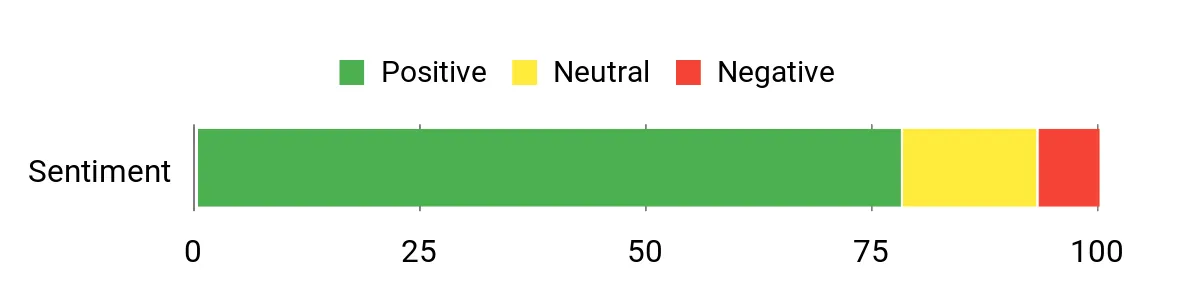
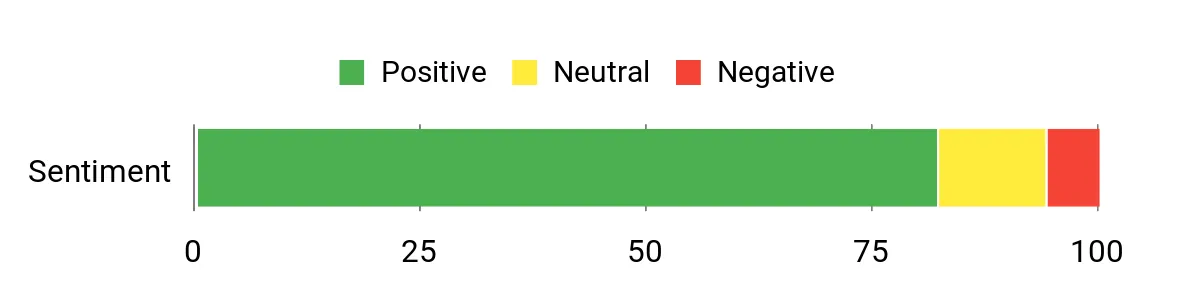
The original sentiment graphic is retained below, but the source article did not provide the underlying review sample. Treat it as an editorial snapshot rather than a verified customer rating.
How It Helps
|
Situation |
How It Helps |
|---|---|
|
Everyday Photography |
The 50mm view feels natural on full frame and works across portraits, food, street scenes, and family moments. |
|
Low-Light Events |
The F1.4 aperture lets more light reach the sensor, helping you use faster shutter speeds or lower ISO settings. |
|
Portrait Sessions |
You can create strong background separation without the tighter working distance of an 85mm or 100mm lens. |
|
Video |
Fast autofocus and a bright aperture support cinematic subject separation, but stabilization must come from the camera or support gear. |
Who Should Buy It
- You want one premium prime for portraits, street photography, and everyday use.
- You often work in low light and value a bright aperture.
- You want strong image quality without carrying an unusually heavy 50mm lens.
Who Should Avoid It
- You need zoom flexibility for travel, events, or fast-changing compositions.
- Your camera lacks in-body stabilization and you depend on lens-based stabilization.
- You mainly shoot wide interiors, architecture, or self-recorded handheld video.
Sony FE 85mm F1.4 GM II: Best Portrait Lens
The FE 85mm F1.4 GM II is the most direct portrait recommendation in this group. Its focal length gives you flattering working distance on full frame, while the F1.4 aperture creates strong separation for headshots, fashion, wedding portraits, and interview setups.
At roughly 642 g, it is notably lighter than the first-generation 85mm F1.4 GM. It also uses a modern autofocus system designed for current Sony Alpha bodies. On APS-C, the field of view is similar to about 127.5mm on full frame, which can be useful for tight portraits but restrictive indoors.
What to Expect
This lens makes the most sense when portraits are a major part of your work. Its strengths are subject isolation, controlled bokeh, sharp rendering, and a manageable size for a premium F1.4 lens. It has no Optical SteadyShot, and 85mm is less versatile than 50mm for environmental scenes or small rooms.
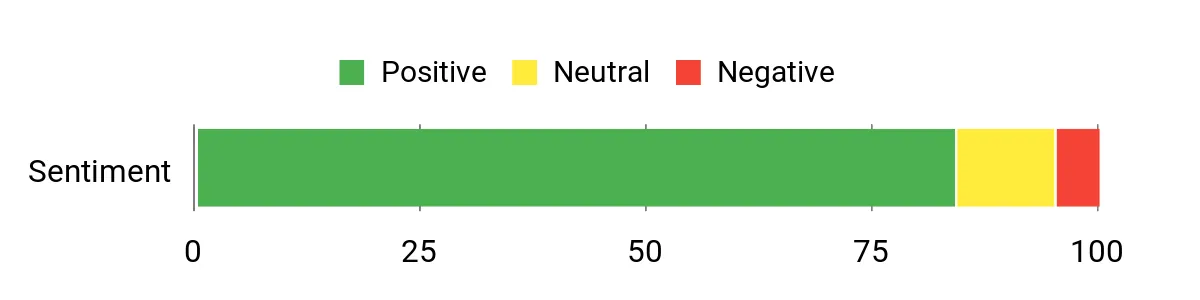
The original sentiment graphic is retained below, but the source article did not provide the underlying review sample. Treat it as an editorial snapshot rather than a verified customer rating.
How It Helps
|
Situation |
How It Helps |
|---|---|
|
Portrait Sessions |
The 85mm perspective and F1.4 aperture help isolate faces while keeping a comfortable distance from your subject. |
|
Weddings and Events |
You can capture candid expressions from a respectful distance and maintain subject separation in busy environments. |
|
Interviews and Video |
The focal length creates a polished close-up look, while fast autofocus helps maintain focus on moving faces. |
|
Location Work |
The reduced weight makes it easier to carry than the original GM version during long portrait sessions. |
Who Should Buy It
- You specialize in portraits, weddings, fashion, or people-focused video.
- You want strong subject isolation and a bright F1.4 aperture.
- You use a modern Sony body and want a lighter premium 85mm option.
Who Should Avoid It
- You need one lens for wide scenes, travel, and small indoor spaces.
- You depend on in-lens stabilization.
- You rarely shoot people or prefer a wider environmental style.
Sony FE 20-70mm F4 G: Best Travel Zoom
The FE 20-70mm F4 G stands out because it starts at 20mm instead of the more common 24mm. That extra width helps with landscapes, interiors, architecture, group shots, and handheld video. The 70mm long end still covers tighter portraits and everyday details, so you can travel with one lens instead of changing lenses often.
Its constant F4 aperture keeps exposure consistent through the zoom range, but it will not produce the same low-light performance or background blur as the F1.4 primes or the F2 telephoto zoom. It also lacks Optical SteadyShot, so body stabilization matters for handheld video and slower shutter speeds.
What to Expect
This is the most practical all-day lens in the roundup. It balances a broad focal range with a relatively light 488 g build. Its main compromises are the F4 aperture and lack of in-lens stabilization. On APS-C, its field of view is similar to 30-105mm, so you lose the ultra-wide advantage that makes it special on full frame.
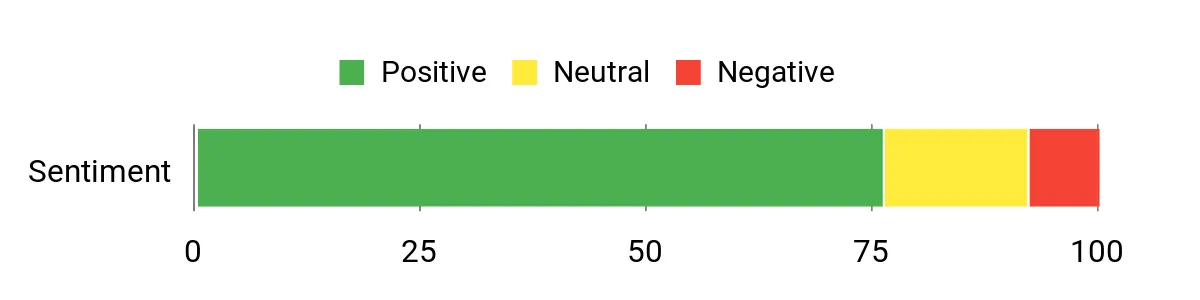
The original sentiment graphic is retained below, but the source article did not provide the underlying review sample. Treat it as an editorial snapshot rather than a verified customer rating.
How It Helps
|
Situation |
How It Helps |
|---|---|
|
Travel and Landscapes |
The 20mm wide end captures broad scenes, while 70mm gives you enough reach for details and casual portraits. |
|
Architecture and Interiors |
The wider starting point helps when you cannot step farther back. |
|
Vlogging and Video |
The focal range supports wide self-recording and tighter B-roll without changing lenses. |
|
Family and Everyday Use |
The light build and broad zoom range make spontaneous framing easier throughout the day. |
Who Should Buy It
- You want one compact zoom for travel, landscapes, family use, and video.
- You value a 20mm wide end more than an F2.8 aperture.
- Your Sony body has effective in-body stabilization.
Who Should Avoid It
- You often shoot dim events and need a faster aperture.
- You want strong background blur at normal working distances.
- You use APS-C and specifically need an ultra-wide field of view.
Sony FE 100mm F2.8 STF GM OSS: Most Artistic Bokeh
The FE 100mm F2.8 STF GM OSS is a specialist portrait lens built around Smooth Trans Focus optics. Its apodization element smooths the edges of out-of-focus highlights, creating a distinctive background transition that conventional lenses do not render in the same way.
The important trade-off is light transmission. Although the aperture is rated at F2.8 for depth of field, the lens transmits light at approximately T5.6 when wide open. That makes it less suitable for dark events than the 85mm F1.4 GM II. It does include Optical SteadyShot and offers up to 0.25x magnification for close detail work, but it is not a true 1:1 macro lens.
Model note: This is the 2017 FE 100mm F2.8 STF GM OSS, model SEL100F28GM. It is different from Sony’s newer FE 100mm F2.8 Macro GM OSS.
What to Expect
Choose this lens for its rendering style, not because it is the fastest or most flexible option. It works best when you can control your position and have enough light. The 100mm focal length can feel tight indoors, especially on APS-C where the field of view is similar to 150mm.
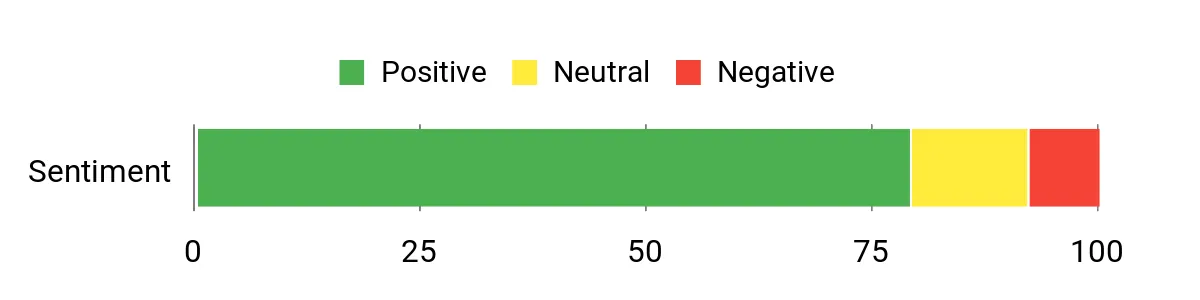
The original sentiment graphic is retained below, but the source article did not provide the underlying review sample. Treat it as an editorial snapshot rather than a verified customer rating.
How It Helps
|
Situation |
How It Helps |
|---|---|
|
Portrait Photography |
The STF design creates smooth background transitions and rounded highlights around a sharply focused subject. |
|
Creative Close-Ups |
The 0.25x magnification lets you frame flowers, products, and details more closely than a typical portrait prime. |
|
Handheld Stills |
Optical SteadyShot can reduce camera shake, although it cannot freeze a moving subject. |
|
Controlled Video |
The smooth rendering can create a distinctive interview or narrative look when you have enough working distance and light. |
Who Should Buy It
- You care deeply about bokeh quality and portrait rendering.
- You work in controlled light or can add lighting when needed.
- You want optical stabilization and useful close-focus performance.
Who Should Avoid It
- You need maximum light gathering for dark weddings or indoor sports.
- You want true 1:1 macro capability.
- You need a versatile lens for small spaces or fast-changing scenes.
Sony FE 50-150mm F2 GM: Best for Events and Action
The FE 50-150mm F2 GM is built for photographers who want prime-like speed across a useful event and portrait range. The constant F2 aperture gives you one stop more light than an F2.8 zoom and supports strong subject separation from 50mm through 150mm.
The trade-off is size and weight. At about 1,340 g without the tripod collar, this is a demanding lens to carry through a full event. It also lacks Optical SteadyShot, so camera-body stabilization, fast shutter speeds, a monopod, or other support may matter. Its 150mm limit also gives less reach than a 70-200mm lens for distant field sports or wildlife.
What to Expect
This lens is most convincing as a professional event tool. It can reduce lens changes by covering normal, portrait, and short-telephoto views at F2. It is harder to justify for casual travel, occasional portraits, or photographers who do not need the extra stop over an F2.8 zoom.
The original sentiment graphic is retained below, but the source article did not provide the underlying review sample. Treat it as an editorial snapshot rather than a verified customer rating.
How It Helps
|
Situation |
How It Helps |
|---|---|
|
Weddings and Events |
The 50-150mm range covers groups, portraits, ceremonies, and stage details without frequent lens changes. |
|
Indoor Action |
The constant F2 aperture helps maintain faster shutter speeds in lower light. |
|
Portraits |
The range offers flexible framing and strong compression without forcing you to switch between several primes. |
|
Professional Assignments |
Internal zooming and professional controls help maintain balance and handling during demanding shoots. |
Who Should Buy It
- You photograph weddings, events, indoor sports, or stage performances professionally.
- You need F2 through a broad portrait and short-telephoto range.
- You can manage a 1.34 kg lens and already use a stabilized Sony body.
Who Should Avoid It
- You need a light travel lens.
- You require in-lens stabilization or longer 200mm reach.
- You do not regularly benefit from the F2 aperture.
Before You Buy a Sony E-Mount Lens
- Confirm the mount: These are Sony E-mount lenses. They are designed for Sony mirrorless cameras, not Sony A-mount DSLRs.
- Check your sensor size: Full-frame FE lenses work on APS-C E-mount bodies, but the angle of view becomes 1.5x tighter.
- Check stabilization: Only the 100mm STF in this group has Optical SteadyShot. Verify whether your camera includes in-body stabilization.
- Consider total carry weight: A lens that looks manageable on paper can feel very different after several hours with a camera body, grip, filter, and strap.
- Match aperture to real needs: F1.4 and F2 lenses help in low light and create more blur, but they cost and weigh more than slower alternatives.
- Review the exact Amazon package: Some listings may include third-party filters, protection plans, or accessories. Confirm what is included before ordering.
[Amazon Products Picked for You]

Fast, quiet VXD linear motor for high-speed and high-precision autofocus


Large F1. 8 maximum aperture enables beautiful defocusing effects
FAQ
How Do I Choose the Right Sony E-Mount Lens?
Start with the subject you photograph most. Pick the 50mm F1.4 GM for a premium everyday prime, the 85mm F1.4 GM II for portraits, the 20-70mm F4 G for travel and video, the 100mm STF for distinctive bokeh, or the 50-150mm F2 GM for professional events and action. Then check weight, stabilization, sensor size, and working distance.
Are These Lenses Good for Video?
Yes, but they solve different video needs. The 20-70mm is the most flexible for travel, vlogging, and run-and-gun work. The 50mm and 85mm primes create stronger background separation. The 100mm STF offers a specialist look, while the 50-150mm F2 covers interviews, ceremonies, and stage work from a distance.
Only the 100mm STF includes Optical SteadyShot, so check whether your camera body has stabilization before planning handheld video.
Will These Lenses Work With My Sony Camera?
They work with Sony E-mount mirrorless cameras. On full-frame bodies, you get the stated focal length and angle of view. On APS-C bodies, multiply the focal length by 1.5 to understand the full-frame-equivalent field of view. Check your exact camera model and lens compatibility before ordering.
Which Lens Is Best for Low Light?
The 50mm F1.4 GM and 85mm F1.4 GM II are the strongest low-light primes in this group. The 50-150mm F2 GM is the fastest zoom. The 20-70mm F4 G is less suitable for very dark scenes, while the 100mm STF transmits light at approximately T5.6 despite its F2.8 aperture rating.
Which Lens Is Easiest to Carry?
The 20-70mm F4 G is the lightest lens here at about 488 g, followed closely by the 50mm F1.4 GM at about 516 g. The 50-150mm F2 GM is much heavier at about 1,340 g without its tripod collar.
Detailed Specification Comparison
| Product Name | Image | Focal Length | Maximum Aperture | Approx. Weight | In-Lens Stabilization |
|---|---|---|---|---|---|
| Sony SEL50F14GM FE 50mm F1.4 GM Lens |
 |
50mm | F1.4 | 516 g / 1.14 lb | No |
| Sony FE 85mm F1.4 GM II Lens |
 |
85mm | F1.4 | 642 g / 1.42 lb | No |
| Sony FE 20-70mm F4 G Lens |
 |
20-70mm | Constant F4 | 488 g / 1.08 lb | No |
| Sony SEL100F28GM FE 100mm F2.8 STF GM OSS Lens |
 |
100mm | F2.8 / T5.6 | 700 g / 1.54 lb | Yes, Optical SteadyShot |
| Sony FE 50-150mm F2 GM Telephoto Zoom Lens |
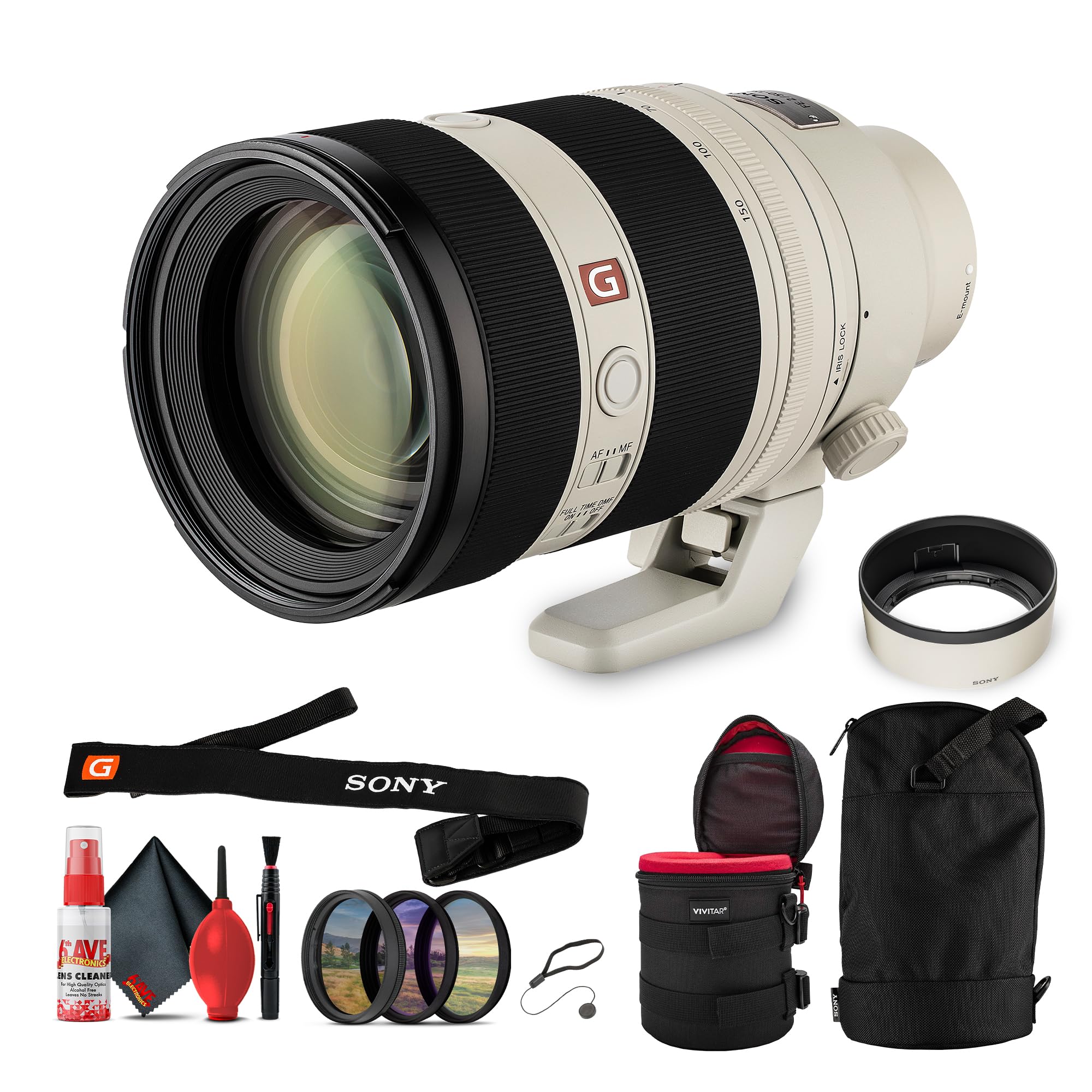 |
50-150mm | Constant F2 | 1,340 g / 2.95 lb | No |
[Amazon Products Picked for You]
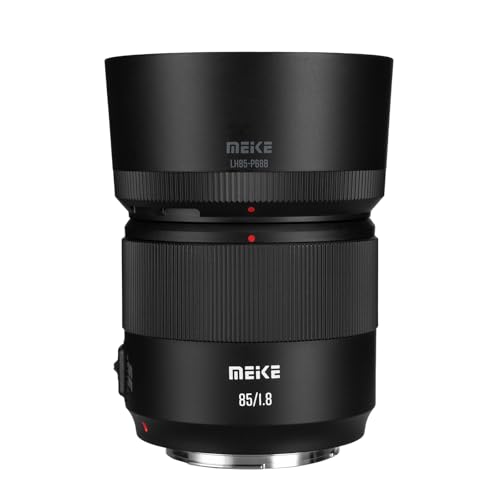
【Classic 85mm Portrait Lens for Canon EF Cameras】 Designed for Canon EF-mount full-frame and APS-C DSLR cameras, this 85mm F1.8 autofocus lens is ideal for portrait photography, weddings, headshots, fashion shoots, and professional content creation. Compatible with Canon EOS 5D Mark IV, 6D Mark II, 90D, 80D, 1D, 5D3, 5D4, 6D, 7D, 70D, 550D, T8i, T7i, T7, T6i, T5, T3i, T3, T2i Rebel series and more. It can also be used on Canon EOS R-series cameras with an EF-EOS R adapter.

CLASSIC 85MM PORTRAIT PERSPECTIVE: Designed for full-frame Sony E-mount cameras, the TTArtisan AF 85mm F1.8 Neo delivers a natural portrait perspective with comfortable working distance and beautiful subject separation. The bright F1.8 aperture creates smooth background blur while helping you capture clear images in low-light conditions.

VILTROX Lens for Sony E-Mount Camera
Final Recommendation
For the widest range of everyday photography, the Sony FE 50mm F1.4 GM is the strongest prime choice. Portrait specialists should move to the FE 85mm F1.4 GM II, while travelers and hybrid creators will get more framing flexibility from the FE 20-70mm F4 G.
The FE 100mm F2.8 STF GM OSS is the creative specialist for smooth bokeh, not the low-light winner. The FE 50-150mm F2 GM is the professional workhorse for events and indoor action, but its weight and lack of in-lens stabilization make it unsuitable for many casual users.
[Amazon Products Picked for You]

Compatible with Sony E mount full frame auto focu mirrorless cameras, such as Sony A9 A9II A7III A7II A7RII A7 A7R3 A7R4 A7IV A7C A7CII A7SIII series cameras. Also works with APS-C frame cameras like sony ZV-E10 ZVE10 II A6500 A6400 A6300 A6000

Equipped with TAMRON’s proprietary VC Image Stabilization

Supreme lightweight portability that makes telephoto shooting fun