You spend time outdoors to see details that matter, and the right binoculars bring those moments into focus. The best choice depends on what you observe most often: fast-moving birds, distant wildlife, low-light landscapes, or the night sky.
For most handheld outdoor use, an 8×42 model offers the easiest balance of brightness, stability, and portability. A 10×42 pair gives you more reach for hunting and distant wildlife, while a tripod-supported 15×70 model is better suited to astronomy and long-range viewing.
Affiliate disclosure:. As an Amazon Associate I earn from qualifying purchases. This roundup is reader-supported. When you click an Amazon link, we may earn a referral commission on qualifying purchases at no additional cost to you.
Quick Verdict
Best value for everyday outdoor use: Nikon Monarch 5 8×42, provided the linked listing is the exact older-generation model you intend to buy.
Best for hunting and distant wildlife: Vortex Viper HD 10×42, with stronger reach and a field-ready harness.
Best for stargazing: Celestron SkyMaster 15×70, which is most comfortable and stable on a tripod.
Best premium low-light option: ZEISS SFL, for buyers who prioritize optical refinement and are comfortable paying for it.
Top Picks
|
Category |
Product |
Best For |
|---|---|---|
|
🏆 Best Value |
Birding, hiking, and general wildlife viewing |
|
|
🎯 Best for Hunters |
Distant wildlife, hunting, and all-weather field use |
|
|
🔭 Best for Stargazing |
Tripod-based astronomy and long-range observation |
|
|
🌟 Best Premium Optics |
Low-light birding, nature observation, and premium image quality |
How We Chose
We compared the products by magnification, objective-lens size, expected handheld stability, low-light usefulness, field suitability, weather protection, focusing ergonomics, portability, tripod compatibility, and warranty considerations. We also looked for clear differences in buyer intent so each recommendation solves a distinct problem rather than repeating the same type of binocular.
Important: The article does not claim hands-on laboratory testing, and it does not use unverified numerical scores. Product configurations, included accessories, seller authorization, warranty eligibility, and availability can change, so confirm the exact listing before ordering.
The 8x magnification is easier to hold steady than higher-powered binoculars, while the 42mm objectives provide a practical balance between light gathering and carry weight. That combination is well suited to birds in motion, trail-side wildlife, and general sightseeing.
The rubber-armored, sealed body is intended for outdoor use, and the central focus design is straightforward for beginners. The main buying consideration is model age: this link is for the older Monarch 5 rather than the newer Monarch M5, so check the exact model name, seller, accessories, return policy, and warranty coverage on the listing.
Why You’ll Like It
- Stable and versatile 8×42 configuration
- Useful for birdwatching, hiking, travel, and wildlife
- Weather-resistant field design with rubber armoring
- Comfortable eye relief for many glasses wearers
Who Should Buy This
Choose the Monarch 5 if you value an easy handheld view and want a single pair of binoculars for several outdoor activities.
Who Should Avoid This
Skip it if you specifically want Nikon’s newer Monarch M5 generation, need a compact pocket binocular, or cannot verify that the seller and warranty terms meet your expectations.
Buyer Feedback Themes
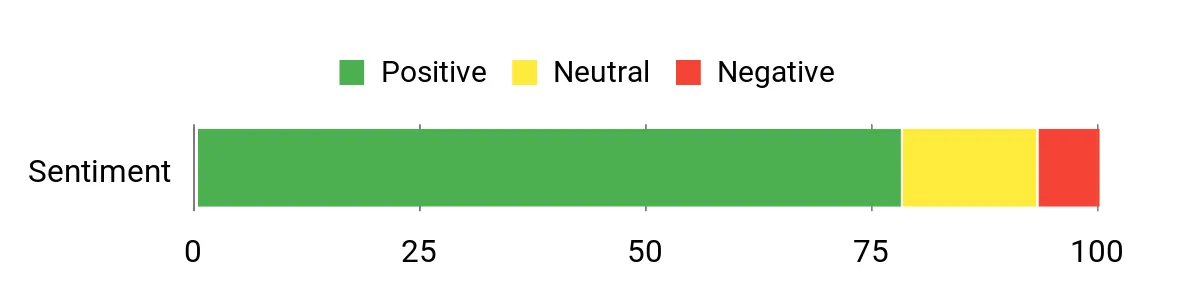
Commonly reported strengths include clear central images, comfortable focusing, practical eye relief, and a solid field-ready feel. Treat the feedback chart below as a directional summary rather than independent laboratory evidence.
Feedback theme: Generally positive
When to Use
|
Situation |
How It Helps |
|---|---|
|
Birdwatching |
The 8x view is comparatively steady and makes it easier to find and follow moving birds. |
|
Hiking & Travel |
The full-size 8×42 format balances brightness with manageable carry weight. |
|
Dawn and Dusk |
The 42mm objectives are more useful in dim conditions than small compact objectives of similar optical quality. |
|
Wet or Misty Conditions |
The sealed body is better suited to variable weather than an unsealed compact binocular. |
Durability
The rubber-armored, waterproof chassis is designed for ordinary field use and minor bumps. As with any precision optic, use the case, keep lens caps fitted during transport, and avoid storing the binoculars while wet.
Key Benefits
- Bright, steady 8×42 format
- Waterproof and rubber-armored construction
- Manual center focus with practical eye relief
- Versatile for multiple outdoor activities
Check Product Details on Amazon
The Viper HD’s 10x magnification gives you more detail at distance than an 8x model, making it useful for scanning open country, identifying distant wildlife, and hunting. Its 42mm objectives keep the binoculars within a practical full-size field format.
The harness is a meaningful benefit during long outings because it distributes the binoculars’ weight and keeps them accessible. Before ordering, verify that the listing is for the intended Viper HD generation and not an older version with different optics or specifications.
Why You’ll Like It
- More distant detail than an 8x binocular
- Waterproof and fog-proof field construction
- Included harness for more comfortable carrying
- Strong fit for hunting and open-country wildlife viewing
Who Should Buy This
Choose the Viper HD if you regularly observe subjects at longer distances and can hold a 10x view steadily enough for your intended use.
Who Should Avoid This
Choose an 8×42 instead if you prioritize a steadier view, easier subject acquisition, or prolonged birding in dense cover.
Buyer Feedback Themes
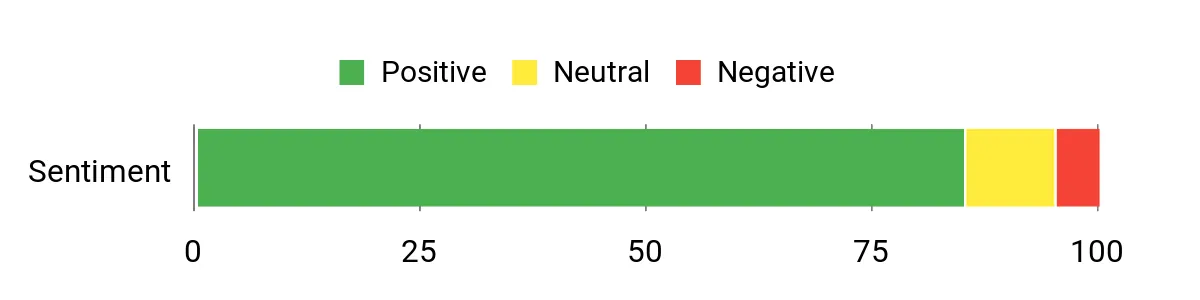
Frequently mentioned strengths include sharp central detail, good contrast, manageable handling for a full-size 10×42, and the convenience of the GlassPak harness. Treat the chart as a directional summary rather than a substitute for independent testing.
Feedback theme: Generally positive
When to Use
|
Situation |
How It Helps |
|---|---|
|
Hunting |
The 10x magnification helps reveal detail at distance in open or varied terrain. |
|
Wildlife Observation |
HD optics and anti-reflective coatings support clear, contrast-rich viewing across changing light. |
|
All-Day Trails |
The included harness keeps the binoculars secure and reduces neck strain compared with a basic strap. |
|
Wet Weather |
Waterproof and fog-proof sealing makes the binoculars better suited to rain, mist, and temperature changes. |
Durability
The armored body and sealed optical system are built for regular outdoor use. Confirm the warranty terms for the exact seller and model before purchase, especially when buying through a marketplace listing.
Key Benefits
- 10x reach for distant subjects
- HD optics and XR anti-reflective coatings
- Waterproof and fog-proof construction
- GlassPak harness included
Check Product Details on Amazon
The large 70mm objectives are designed to gather more light than standard 42mm field binoculars, while 15x magnification reveals more distant detail. The trade-off is weight and visible hand shake, so a sturdy tripod is strongly recommended for comfortable astronomy sessions.
The included tripod adapter simplifies setup, but the binoculars are water-resistant rather than a substitute for fully waterproof field optics. Keep them protected from prolonged rain, salt spray, and heavy condensation.
Why You’ll Like It
- Large 70mm objectives for low-light and night-sky use
- 15x magnification for distant detail
- Tripod adapter included
- Useful for both astronomy and long-range terrestrial viewing
Who Should Buy This
Choose the SkyMaster 15×70 if your priority is affordable, tripod-based stargazing or long-range observation rather than lightweight handheld use.
Who Should Avoid This
Skip it if you need compact travel binoculars, expect to handhold for long periods, or require fully waterproof construction.
Buyer Feedback Themes
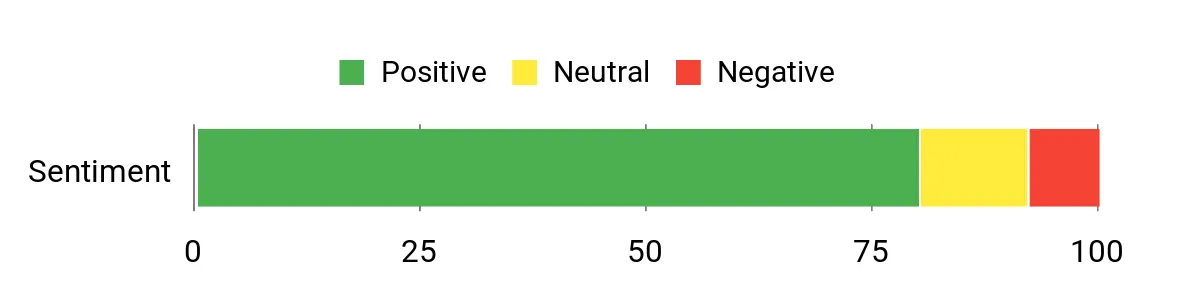
Commonly reported strengths include bright views for the format, strong value for casual astronomy, and easy tripod mounting. Weight and the need for stable support are the most important limitations.
Feedback theme: Generally positive
When to Use
|
Situation |
How It Helps |
|---|---|
|
Stargazing |
The 70mm objectives and 15x magnification provide a wider, brighter binocular view of many night-sky targets when mounted steadily. |
|
Long-Range Viewing |
Higher magnification reveals details that are difficult to see with lower-powered binoculars. |
|
Backyard Astronomy |
The included adapter makes it easier to attach the binoculars to a compatible tripod. |
|
Group Viewing |
A tripod-mounted setup can be aimed and shared more easily than a heavy handheld binocular. |
Durability
The protective rubber covering improves grip and basic impact resistance. The body is water-resistant, so wipe away dew after use and store the binoculars dry.
Key Benefits
- Large 70mm objectives
- High 15x magnification
- BaK-4 prisms and multi-coated optics
- Tripod-ready design with adapter included
Critical safety note: Never look directly at the Sun through these or any ordinary binoculars. Direct solar viewing requires properly certified solar filters designed for the exact optical device.
Check Product Details on Amazon
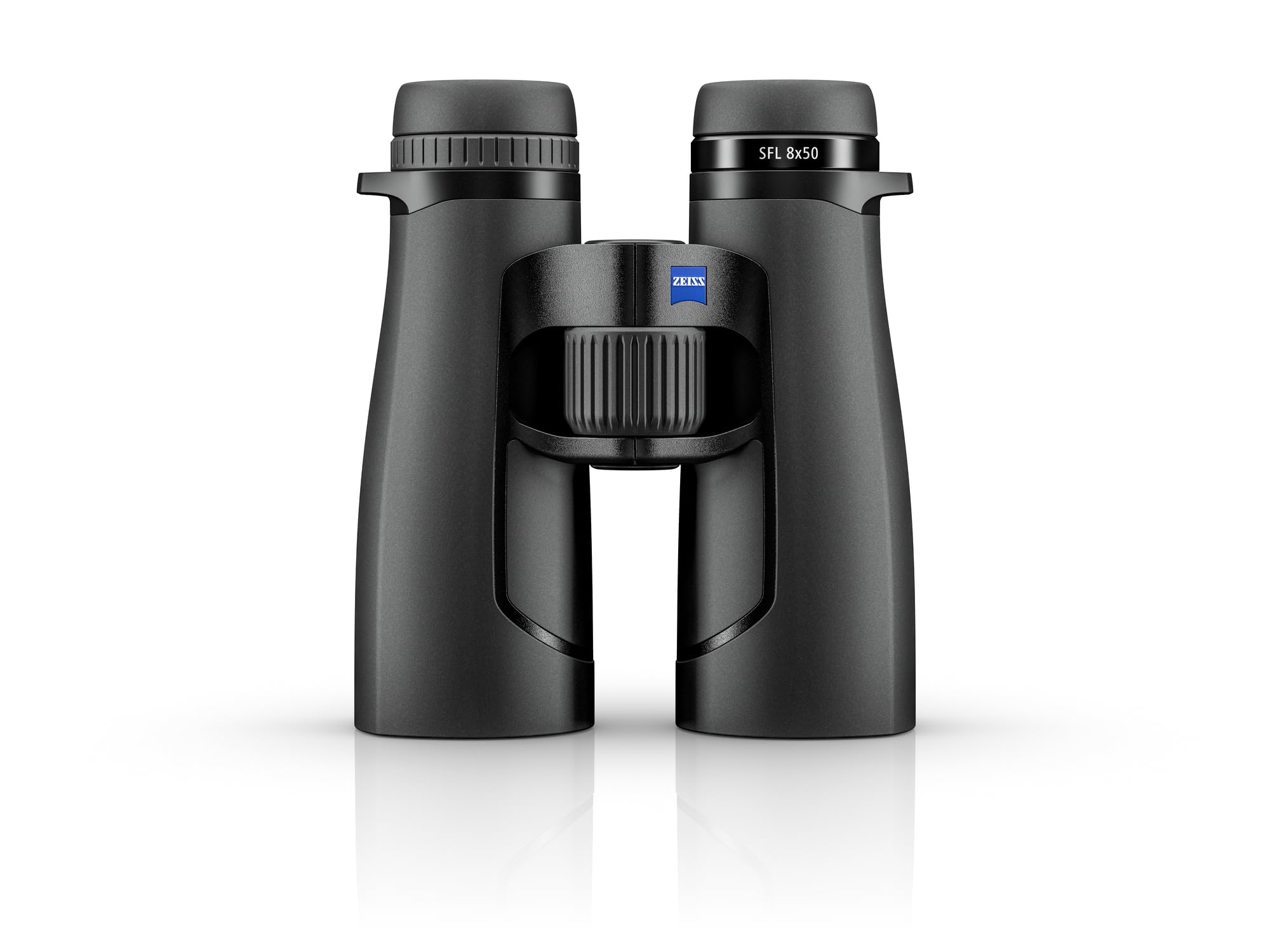
The SFL line is aimed at buyers who notice subtle differences in color, contrast, focus feel, and low-light detail. SmartFocus places the focus wheel for quick adjustment, which can be helpful when birds or wildlife move through layered vegetation.
The linked listing identifies an 8×50 configuration, but SFL model variants and bundles can differ. Confirm the exact magnification, objective diameter, included accessories, seller authorization, and warranty terms before ordering.
Why You’ll Like It
- Premium emphasis on color fidelity and fine detail
- SmartFocus ergonomics for quick adjustments
- Useful for dawn, dusk, and shaded habitat
- Field-oriented build for serious nature observation
Who Should Buy This
Choose the ZEISS SFL if you spend significant time observing in challenging light and are willing to pay more for optical and ergonomic refinement.
Who Should Avoid This
Skip it if value is your main priority, you only use binoculars occasionally, or the exact configuration on the linked listing cannot be verified.
Buyer Feedback Themes
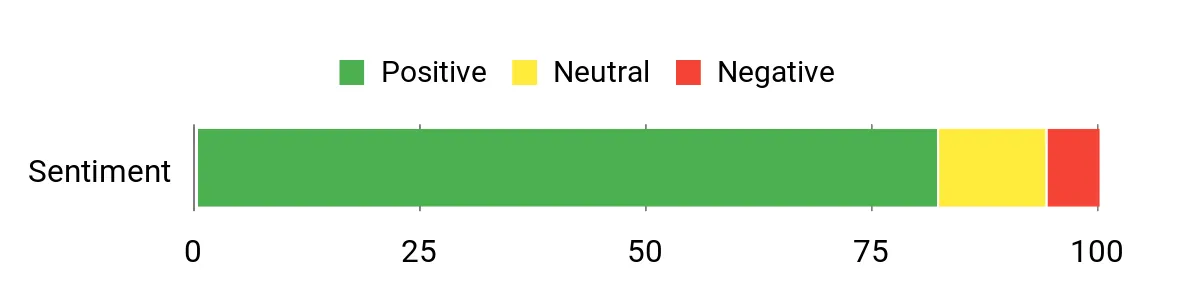
Common themes include praise for image quality, color rendition, focus-wheel placement, and a lighter-than-expected field feel. The chart below should be treated as a directional summary, not independent testing.
Feedback theme: Generally positive
When to Use
|
Situation |
How It Helps |
|---|---|
|
Birdwatching |
High-grade optics and accurate color rendition help with subtle identification details. |
|
Hunting |
Strong contrast and quick focusing help when scanning in dim or visually complex terrain. |
|
Twilight Observation |
The large-objective configuration is intended to support brighter viewing as ambient light falls. |
|
Field Travel |
The SFL design emphasizes a more compact and manageable field package than many traditional large-objective binoculars. |
Durability
The SFL is positioned as a premium field optic with weather protection and a lightweight housing. Confirm the exact warranty and service coverage attached to the seller and region before purchase.
Key Benefits
- Premium color, contrast, and fine-detail performance
- Large-objective low-light potential
- SmartFocus wheel for ergonomic focusing
- Field-oriented, comparatively lightweight construction
Check Product Details on Amazon
How to Choose the Right Binoculars
Start With Your Primary Use
An all-purpose binocular and an astronomy binocular solve different problems. Choose the model that fits the activity you do most often rather than buying the highest magnification available.
- Birding and general outdoor use: 8×42 is usually easier to hold steady and easier for locating moving subjects.
- Hunting and distant wildlife: 10×42 provides more reach but magnifies hand movement.
- Astronomy and fixed long-range viewing: 15×70 benefits greatly from a tripod.
- Low-light premium use: Larger objectives and better coatings can help, but they usually increase cost and sometimes weight.
Check Eye Relief and Fit
Glasses wearers should pay close attention to stated eye relief and adjustable eyecups. Also confirm that the interpupillary-distance range fits your eyes and that the focus wheel is comfortable to reach.
Separate Waterproof From Water-Resistant
Waterproof and fog-proof binoculars are preferable for frequent outdoor use. Water-resistant models can handle light moisture but should not be treated as fully sealed optics.
Confirm the Exact Listing
Marketplace pages can combine generations, bundles, or sellers. Before ordering, verify the model number, magnification, objective diameter, included accessories, condition, return policy, seller authorization, and warranty eligibility.
FAQ
Which Magnification Should I Choose?
Choose 8x for a steadier handheld view and easier tracking of moving subjects. Choose 10x when distant detail matters more and you can tolerate a narrower, shakier view. Choose 15x or higher mainly when you can use stable support.
What Do 8×42 and 15×70 Mean?
The first number is magnification. The second is the objective-lens diameter in millimeters. Larger objectives can gather more light, but they also make binoculars larger and heavier.
What Is Exit Pupil?
Exit pupil is calculated by dividing objective diameter by magnification. It is a useful comparison point for viewing comfort and low-light potential, although glass quality, coatings, and your own pupil size also affect the real-world view.
Do I Need Waterproof Binoculars?
Waterproof and fog-proof sealing is worthwhile for birding, hunting, boating, humid climates, and unpredictable weather. For indoor events or dry-weather use, it may be less important.
Should I Use Image Stabilization or a Tripod?
Image stabilization supports mobile handheld viewing but adds electronics and battery dependence. A tripod provides the most stable platform for heavy or high-powered binoculars and is the better choice for extended astronomy sessions.
Can I Use Ordinary Binoculars to View the Sun?
No. Never point ordinary binoculars at the Sun. Direct solar observation requires properly certified solar filters made for the exact optical setup.
Wrapping Up
The Nikon Monarch 5 is the most approachable all-rounder here, but buyers should verify that they want the older Monarch 5 rather than the newer M5 generation. The Vortex Viper HD is the stronger choice for hunters and wildlife observers who need 10x reach and field durability.
For astronomy, the Celestron SkyMaster 15×70 delivers the most appropriate combination of magnification, objective size, and tripod compatibility. The ZEISS SFL is the premium option for buyers who care most about low-light detail, color fidelity, and refined focusing.
Your best choice comes down to four priorities: handheld stability, distance, low-light performance, and portability. Match the binocular to your main use, then confirm the exact model and seller details before purchasing.
| Product Name | Image | Magnification | Objective Lens Diameter | Highlights |
|---|---|---|---|---|
| Nikon Monarch 5 8×42 Binoculars |
 |
8x | 42 mm |
|
| Vortex Optics Viper HD Roof Prism Binoculars 10×42 |
 |
10x | 42 mm |
|
| Celestron SkyMaster 15×70 Binoculars |
 |
15x | 70 mm |
|
| ZEISS SFL Binoculars (linked listing identifies 8×50) |
 |
8x | 50 mm |
|
This roundup is reader-supported. When you click through links, we may earn a referral commission on qualifying purchases.

