Finding a capable backpacking tent on a sub-$200 budget requires a clear distinction between four-season-oriented shelters and lighter three-season tents for cool shoulder-season trips. This guide keeps those use cases separate so you can compare weather protection, packed bulk, setup style and livability without mistaking a lightweight trail tent for a severe-winter shelter.
Price and safety note: Amazon prices, product versions and included accessories can change. Confirm the current price is within your budget and review the latest manufacturer or seller guidance before using any tent in snow, severe wind or exposed alpine terrain.
Quick Verdict
Choose the OneTigris Stella for the best overall cold-weather balance, or the GEERTOP 2P when value and interior room matter more than pack weight. For protected shoulder-season trips, the Featherstone Backbone minimizes packed bulk, the Naturehike Cloud-Up offers a familiar freestanding pitch, the Naturehike Mongar improves access and storage, and the ALPS Lynx 1 is the simplest solo option.
Top Picks
|
Category |
Product |
Best For |
Amazon |
|---|---|---|---|
|
Best Overall Cold-Weather Value |
Solo campers or close pairs who want an affordable, freestanding shelter marketed for colder conditions. |
||
|
Best Value 4-Season Option |
Budget-focused campers who prioritize cold-weather structure and livability over ultralight weight. |
||
|
Best Ultralight for Mild Cold |
Experienced lightweight hikers camping in protected, mild winter or shoulder-season conditions. |
||
|
Best Balanced Trail Tent |
Backpackers who want a balanced, freestanding three-season tent for cool and wet trips. |
||
|
Best Storage and Dual Access |
Campers who value access, storage and livability on three-season or mild shoulder-season trips. |
||
|
Best Easy-Setup Solo Tent |
Solo campers who want simple setup, storage and a conventional freestanding design. |
[Amazon Products Picked for You]
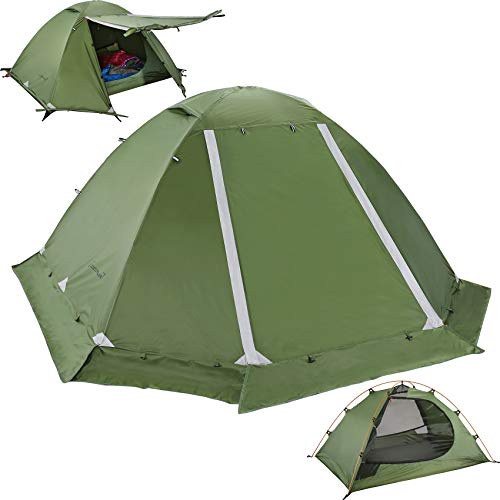
4 SEASON TENT: We offer a limited ONE-YEAR GUARANTEE. Polyester rain fly, groundsheet, and bathtub with PU 5000 coating are firmer than you expected. Weatherproof material with factory-sealed seams keeps you dry and comfortable in four seasons or cold weather! Better material but more affordable! You really need an appropriate lightweight 2-person tent for backpacking for ALL SEASON!

Lightweight and Durable: The OneTigris STELLA Camping Tent features a lightweight and durable 20D Nylon outer fabric with a single-layer silicone coating, making it both sturdy and easy to carry at only 4.4lb/2kg. Suitable for backpackers, bushcrafters, everyday campers, and families Waterproof: With a 3000mm waterproof rating, the STELLA camping tent is perfect for use in all weather conditions. The removable blackout outer tent allows for greater flexibility in use.

TENTS FOR CAMPING 2 PERSON: With two D-Shaped doors and two vestibules to accommodate up to two people. Weight: 5.5lb(2.5kg). Interior floor dimensions: 88.6x53.1in(225x135cm), interior height: 43.3in(110cm).
How We Chose These Tents
We prioritized the factors that matter most when a budget shelter may see cold, wet or windy conditions: season positioning, pole structure, fly coverage, ventilation, packed size, setup complexity, interior livability and honest limitations. Products described only for warm-weather use, duplicate listings and bivy sacks were excluded so every remaining pick fits a backpacking-tent comparison.
Because live prices, ratings, review totals and seller specifications change, this article avoids volatile marketplace numbers. Use the product links to confirm the current version, price, dimensions, weight, waterproofing claims and included accessories before purchasing.
Detailed Reviews


Why You’ll Like It
The Stella is the strongest starting point in this roundup when cold, wind and short winter days matter more than shaving every ounce. Its pole-supported dome shape is easier to pitch than a trekking-pole shelter, while the double-wall layout gives you more separation between sleeping space and wet outer fabric.
It is best treated as a budget cold-weather tent rather than an expedition shelter. Two adults may find it snug, and the supplied stakes and floor protection deserve a pre-trip check before rocky, frozen or exposed camps.
Solo campers or close pairs who want an affordable, freestanding shelter marketed for colder conditions.
High-alpine objectives, heavy snow loading or buyers who need a roomy two-person interior.
Buyer Feedback Snapshot
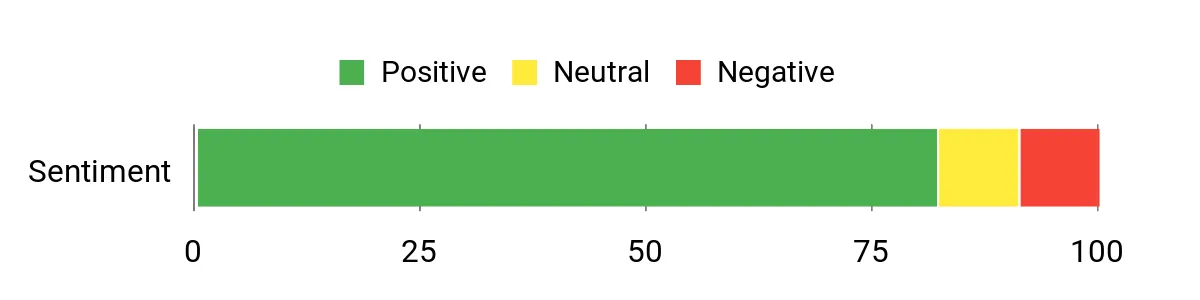
The source review summary emphasizes fast setup, compact packing and better cold-weather confidence than typical three-season tents. It also notes repeated suggestions to use stronger stakes or a footprint on rough ground. Treat the chart below as directional and check recent Amazon reviews for the current version.
Situational Benefits
|
Situation |
How It Helps |
|---|---|
|
Cold-Weather Solo Trips |
The dome structure and full fly provide a more reassuring setup for cold, windy nights than the lighter three-season choices. |
|
Short Winter Weekends |
Freestanding construction reduces setup complexity when daylight is limited or your hands are cold. |
|
Motorcycle or Bike Travel |
The packed shelter is easier to carry than a full expedition tent while still prioritizing weather protection. |
Key Benefits
- Freestanding dome layout
- Double-wall weather management
- Cold-weather-oriented positioning
- Compact two-person footprint
- Simple pole-based setup
Check Product Details on Amazon
Why You’ll Like It
The GEERTOP 2P makes sense when you want more cold-weather structure than a lightweight three-season tent without moving to an expensive mountaineering model. The double-layer design, freestanding frame and multiple stake points make it easier to manage wind, moisture and cold-weather setup.
The tradeoff is pack weight and bulk. It is better suited to shorter backpacking trips, winter skills practice, car-to-trail camps or trips where weather protection matters more than a minimal base weight.
Budget-focused campers who prioritize cold-weather structure and livability over ultralight weight.
Long-distance hikers counting every ounce or trips involving severe alpine wind and snow loading.
Buyer Feedback Snapshot
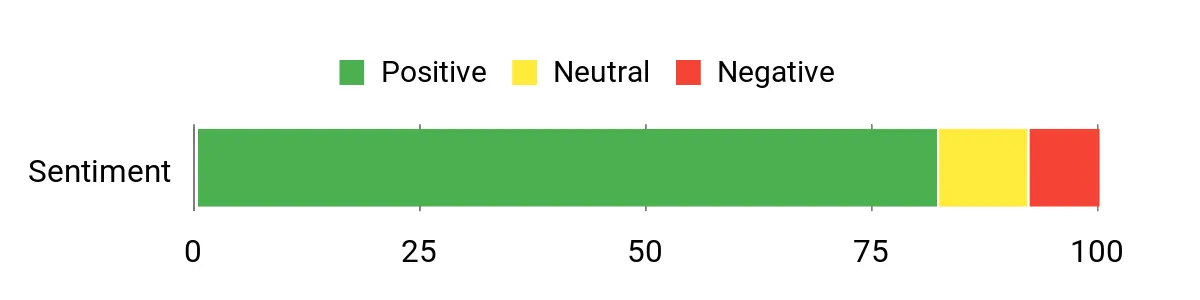
The source review summary highlights wind stability, interior room and ventilation when the tent is fully staked and tensioned. It also recommends inspecting the stakes and adding floor protection for abrasive sites. Review the latest listing details before relying on any exact specification.
Situational Benefits
|
Situation |
How It Helps |
|---|---|
|
Winter Skills Practice |
The double-layer structure lets newer cold-weather campers practice pitching, venting and guying out without buying an expedition tent. |
|
Solo Camping With Gear |
One sleeper gets enough interior space to keep more equipment protected and organized. |
|
Wind-Exposed Camps |
Multiple guy-out points provide more adjustment than minimalist shelters when used with suitable stakes. |
Key Benefits
- Double-layer construction
- Freestanding setup
- Two-door access
- Multiple guy-out points
- Roomy solo use
Check Product Details on Amazon
Why You’ll Like It
The Backbone solves the weight-and-pack-space problem for hikers who already carry trekking poles. Its dual-entry layout makes a roomy solo shelter and gives two sleepers separate access to vestibule storage.
This is not the pick for snow loading, exposed winter ridges or prolonged severe weather. Single-wall tents require deliberate ventilation, and the light floor, stakes and seam protection should be inspected before wet or frozen-ground trips. Use it for mild cold, protected camps and shoulder-season travel with an appropriate sleep system.
Experienced lightweight hikers camping in protected, mild winter or shoulder-season conditions.
Beginners who want a freestanding pitch or anyone expecting heavy snow, severe wind or low-maintenance condensation control.
Buyer Feedback Snapshot
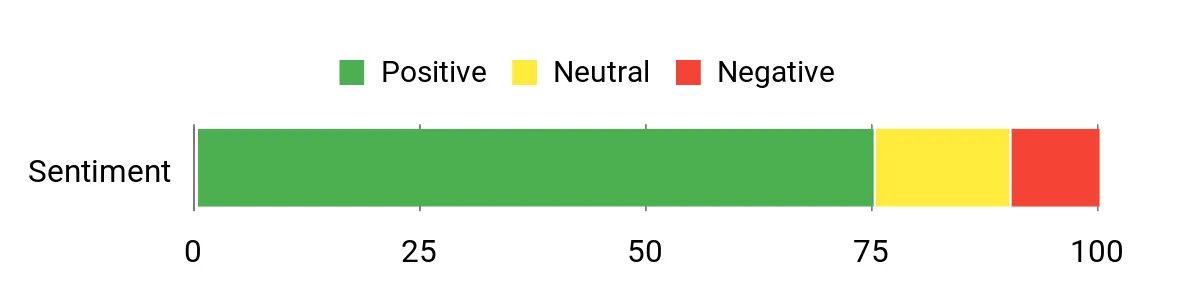
The source review summary focuses on low weight, useful vestibules and a surprisingly spacious layout. Common cautions involve the light floor, stakes and seam preparation. The chart is a source snapshot rather than a current marketplace measurement.
Situational Benefits
|
Situation |
How It Helps |
|---|---|
|
Fastpacking |
Using trekking poles for support reduces dedicated pole weight and packed bulk. |
|
Roomy Solo Trips |
One sleeper gets extra space for layers and gear without carrying a traditional two-person pole set. |
|
Protected Shoulder Season |
The low-profile shelter can work well below treeline when wind, precipitation and condensation are managed carefully. |
Key Benefits
- Very compact packed size
- Dual doors and vestibules
- Trekking-pole pitch
- Roomy solo layout
- Low trail weight
Check Product Details on Amazon

Why You’ll Like It
The Cloud-Up offers the most familiar backpacking-tent experience in the lineup: a pole-supported pitch, full rainfly and compact shape that works for multi-day trail use. It is easier for many campers to manage than a trekking-pole tent and packs smaller than the heavier cold-weather choices.
Treat it as a three-season tent that can extend into cool shoulder-season trips with conservative site selection. It is not a substitute for a snow-load-rated winter tent, and two adults may find the interior tight once gear is added.
Backpackers who want a balanced, freestanding three-season tent for cool and wet trips.
Campers planning heavy snow, severe alpine exposure or a spacious two-person basecamp.
Buyer Feedback Snapshot
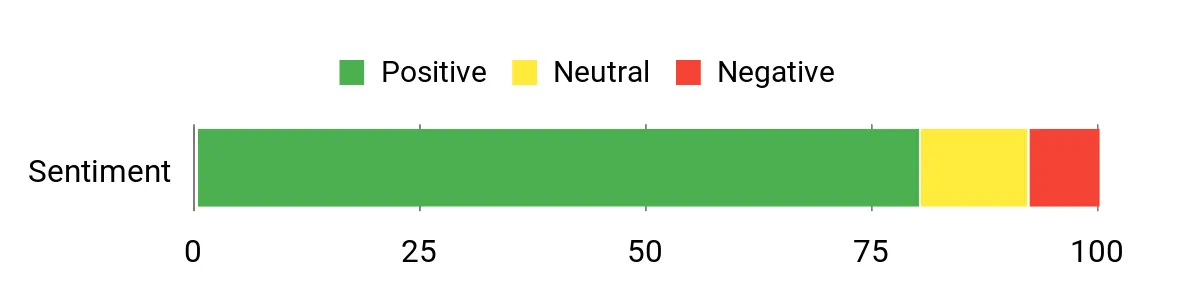
The source review summary points to quick pitching, compact packing and useful included accessories. It also raises condensation and thin-floor concerns, reinforcing the need for correct fly tension, ventilation and ground protection.
Situational Benefits
|
Situation |
How It Helps |
|---|---|
|
Multi-Day Backpacking |
The compact footprint and conventional setup make it practical for repeated daily pitches. |
|
Cool Shoulder Season |
A full fly helps manage wind-driven rain when the tent is correctly oriented, staked and vented. |
|
Tight Campsites |
The efficient dome layout fits small platforms and protected forest sites. |
Key Benefits
- Freestanding pole structure
- Full rainfly
- Included footprint
- Compact backpacking shape
- Straightforward setup
Check Product Details on Amazon
Why You’ll Like It
The Mongar is the livability pick for campers who dislike crawling over a partner or piling wet equipment beside a sleeping bag. Two-door access and useful storage features make daily camp routines easier, especially on bikepacking and short backpacking trips.
Its lightweight fabrics favor careful handling and three-season use. It belongs in this guide as a cool-weather and shoulder-season option, not as a true winter shelter for snow loading or highly exposed camps.
Campers who value access, storage and livability on three-season or mild shoulder-season trips.
Severe winter conditions, abrasive campsites without protection or buyers prioritizing maximum storm strength.
Buyer Feedback Snapshot
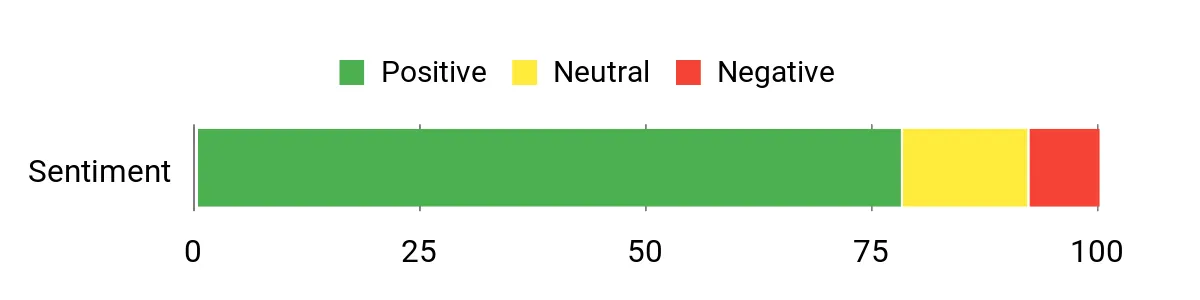
The source review summary emphasizes interior room, fast setup and organization. It also notes that the lightweight fabric deserves care in prolonged rain and on abrasive ground. Confirm the exact included accessories on the current listing.
Situational Benefits
|
Situation |
How It Helps |
|---|---|
|
Two-Person Weekends |
Separate doors reduce nighttime disruption and make shared gear access easier. |
|
Bikepacking |
Compact packing and protected vestibule space help keep footwear and small bags outside the sleeping area. |
|
Organized Solo Camping |
Interior pockets and ceiling storage keep electronics and small essentials easy to find. |
Key Benefits
- Two-door access
- Useful interior storage
- Compact dome layout
- Quick conventional pitch
- Good solo livability
Check Product Details on Amazon
Why You’ll Like It
The Lynx 1 is the straightforward choice for a solo camper who values a familiar pitch and dependable organization over ultralight numbers. The clip-style pole setup is easy to learn, and the gear loft and pockets reduce clutter in a compact sleeping space.
It is heavier than minimalist solo shelters and is still a three-season tent. Use it for cool, wet shoulder-season trips in protected locations rather than heavy snow or severe winter exposure.
Solo campers who want simple setup, storage and a conventional freestanding design.
Ultralight thru-hikers or anyone needing a true winter or mountaineering tent.
Buyer Feedback Snapshot
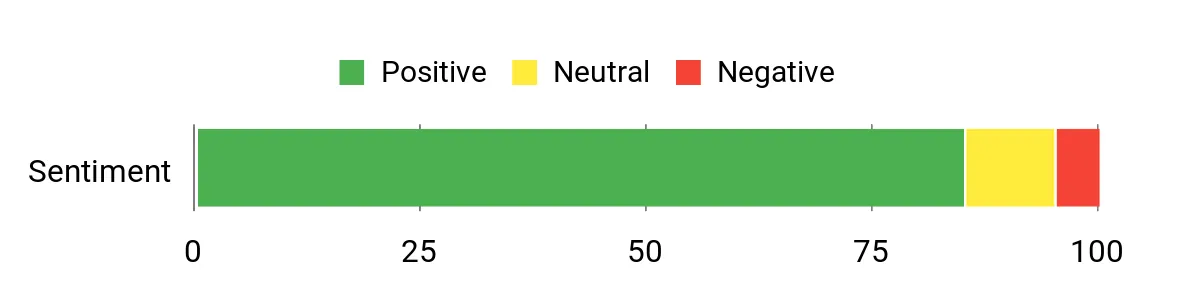
The source review summary stresses simple setup, sturdiness and useful storage. Its main drawback is weight compared with ultralight alternatives. The current product page should be checked for the latest included components and specifications.
Situational Benefits
|
Situation |
How It Helps |
|---|---|
|
Beginner Solo Camping |
The clip-style structure makes practice and field setup easier to understand. |
|
Wet Three-Season Trips |
A full rainfly and freestanding body simplify campsite adjustments before final staking. |
|
Car-to-Trail Weekends |
The room and storage are useful when minimal packed weight is not the only priority. |
Key Benefits
- Easy clip-style setup
- Freestanding solo design
- Full rainfly
- Gear loft and pockets
- Straightforward beginner use
Check Product Details on Amazon
Before You Buy
- Match the season rating to the trip: A three-season tent may work in protected, cool conditions but should not be treated as a snow-load or expedition shelter.
- Check total packed weight: Compare the full shelter package, including poles, stakes, footprint and stuff sacks—not only a minimum-weight claim.
- Plan for condensation: Single-wall tents demand more ventilation, but every shelter needs airflow and careful campsite selection in cold weather.
- Inspect stakes and floor protection: Frozen, rocky or abrasive ground may require stronger stakes and a footprint or groundsheet.
- Practice before the trip: Pitch the tent at home, verify all parts, tension the fly and learn how the vents work before weather makes setup difficult.
FAQ
Are All of These True Winter Tents?
No. The OneTigris Stella and GEERTOP 2P are the cold-weather-oriented choices in this list. The Featherstone Backbone, Naturehike Cloud-Up, Naturehike Mongar and ALPS Lynx 1 are better framed as three-season or mild shoulder-season shelters. Do not rely on those lighter tents for heavy snow loading, severe alpine wind or exposed winter objectives.
Which Tent Is Best for Snow and Wind?
Start with the Stella or GEERTOP 2P because their freestanding, double-layer structures are better aligned with cold-weather use. Even then, pitch in a protected location, use every appropriate guy-out point, select stakes for the ground and follow the current product guidance. A budget four-season label is not the same as an expedition mountaineering rating.
Which Tent Is Best for a Long Backpacking Route?
The Featherstone Backbone has the strongest weight-and-packed-size appeal for experienced trekking-pole users, while the Naturehike Cloud-Up offers a more conventional freestanding setup. Choose based on your comfort with non-freestanding pitching, condensation management and the expected weather.
How Can I Reduce Condensation in Cold Weather?
Use available vents, avoid pressing sleeping gear against the tent wall, keep wet items in the vestibule when practical and choose a site with some airflow rather than a low, damp depression. Tension the fly correctly and avoid sealing the tent more tightly than conditions require.
Will Every Tent Stay Under $200?
Not necessarily. Marketplace prices change by seller, color, size and season. Treat the budget as a shopping target and confirm the current Amazon price before buying.
Final Recommendation
For the most winter-focused choice, start with the OneTigris Stella. The GEERTOP 2P is the alternative for campers willing to carry more bulk for a roomy, value-oriented setup. For cool but non-severe backpacking, choose between the Backbone’s low packed weight, the Cloud-Up’s balanced freestanding design, the Mongar’s access and storage, or the Lynx 1’s beginner-friendly solo setup.
Whichever model you choose, confirm the current listing specifications and price, then practice pitching and weatherproofing before relying on it in cold conditions.
Detailed Comparison
| Product Name | Image | Shelter Type | Season Use | Capacity | Best For | Main Tradeoff | Amazon |
|---|---|---|---|---|---|---|---|
| OneTigris Stella |
 |
Freestanding double-wall dome | Four-season-oriented | 1 comfortable / 2 snug | Solo campers or close pairs who want an affordable, freestanding shelter marketed for colder conditions. | More weight and less room than ultralight three-season tents | Check Details |
| GEERTOP 2P |
 |
Freestanding double-layer tent | Four-season-oriented | 1 roomy / 2 close | Budget-focused campers who prioritize cold-weather structure and livability over ultralight weight. | Heavier and bulkier than the trail-focused picks | Check Details |
| Featherstone Backbone |
 |
Single-wall trekking-pole tent | Three-season / mild shoulder season | 1 roomy / 2 close | Experienced lightweight hikers camping in protected, mild winter or shoulder-season conditions. | Requires trekking poles, careful ventilation and site selection | Check Details |
| Naturehike Cloud-Up |
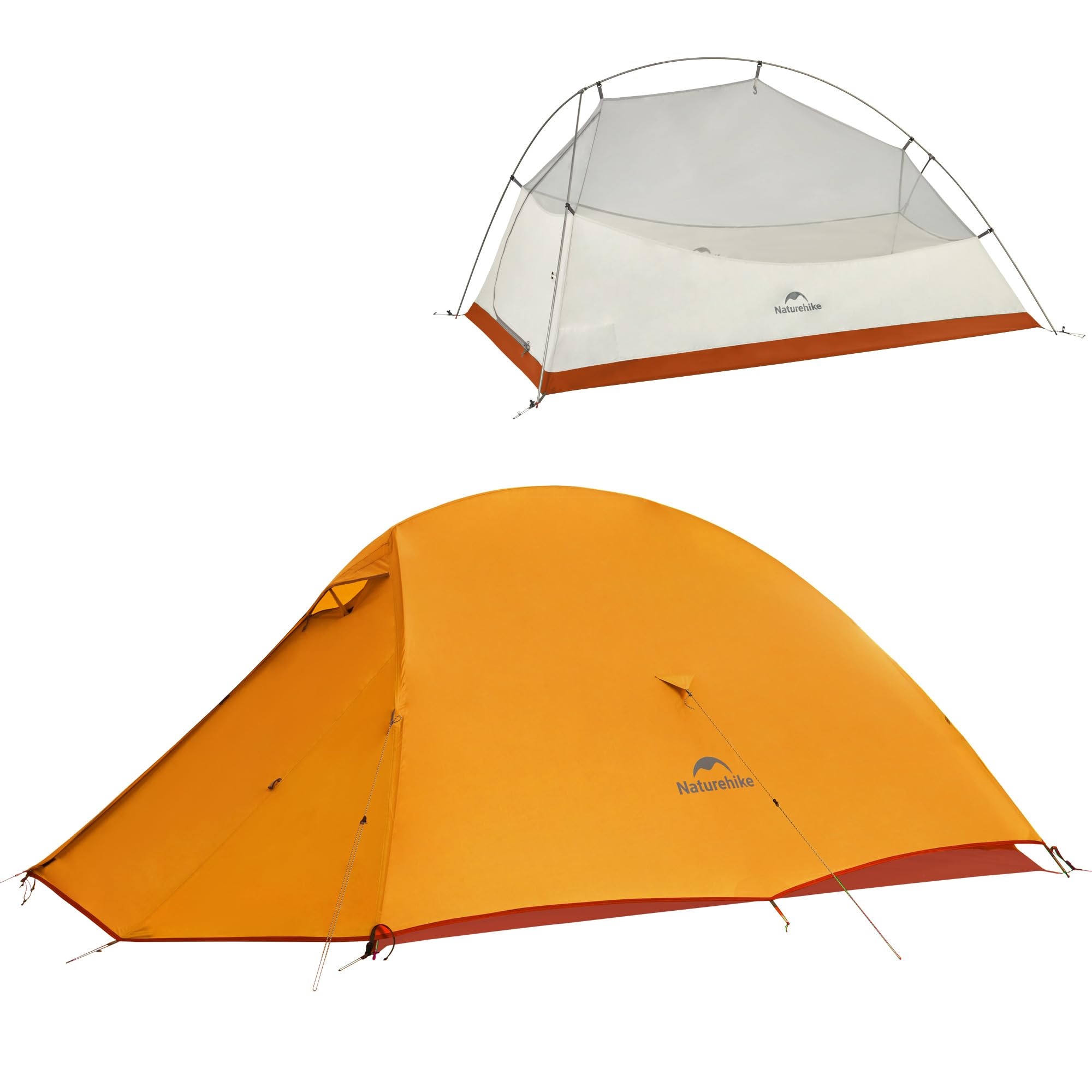 |
Freestanding dome tent | Three-season / shoulder season | 1 roomy / 2 close | Backpackers who want a balanced, freestanding three-season tent for cool and wet trips. | Limited room for two and not intended for severe winter weather | Check Details |
| Naturehike Mongar |
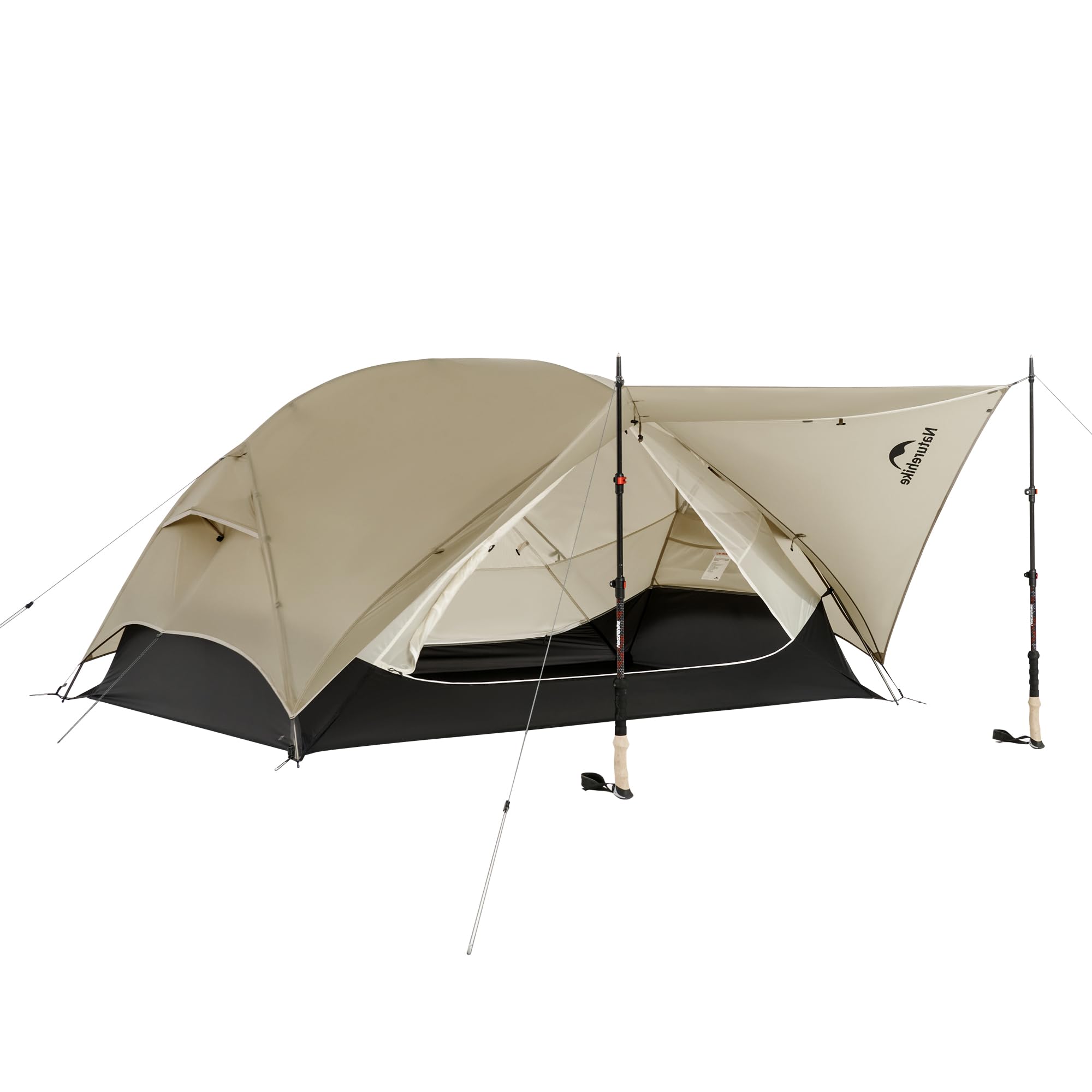 |
Lightweight dome tent | Three-season / mild shoulder season | 1 roomy / 2 close | Campers who value access, storage and livability on three-season or mild shoulder-season trips. | Light fabric requires care and is not intended for snow loading | Check Details |
| ALPS Lynx 1 |
 |
Freestanding solo tent | Three-season / shoulder season | 1 person | Solo campers who want simple setup, storage and a conventional freestanding design. | Heavier than ultralight solo shelters and not winter-rated | Check Details |
This roundup is reader-supported. When you click through qualifying links, the publisher may earn a referral commission at no additional cost to you.


