
You want a fitness tracker that helps you build healthier habits without becoming another gadget that sits in a drawer. This guide focuses on practical choices for 2026, so you can choose a band or watch that matches your priorities, whether that is long battery life, built-in GPS, a compact design, or straightforward health and activity tracking.
Understanding what each tracker does well—and where it compromises—helps you spend smarter and choose a device you will actually wear for workouts, sleep, and daily activity. Fitness and wellness readings are estimates for personal reference, not medical measurements or diagnostic advice.
Affiliate disclosure: This roundup contains affiliate links. If you purchase through a qualifying link, we may earn a commission at no extra cost to you.
Top Picks
|
Category |
Product |
Why It Stands Out |
|---|---|---|
|
🔋 Best Battery Life |
Up to 21 days in manufacturer-rated typical use |
|
|
🎨 Best For Style |
Compact, jewelry-like design for smaller wrists |
|
|
🎯 Best For GPS Tracking |
Built-in GPS, offline maps, and a large AMOLED display |
Quick Verdict
Choose the Xiaomi Band 10 when long battery life, low weight, and everyday fitness tracking matter most. Choose the Garmin Lily 2 when you want a discreet watch for smaller wrists and do not mind carrying your phone for outdoor route tracking. Choose the Amazfit Bip 6 when built-in GPS, offline maps, and a larger display are higher priorities than a deep third-party app ecosystem.
How We Chose
You need trackers that balance battery life, comfort, water resistance, readable screens, app support, and useful workout features. We compared manufacturer-listed specifications and practical buyer considerations rather than claiming laboratory testing or medical-grade accuracy.
Battery life and ease of daily wear were weighted heavily because they influence whether you will keep using the device. We also considered specialist strengths: built-in GPS and map support for outdoor exercise, compact proportions for smaller wrists, and lightweight bands for sleep and all-day tracking.
Finally, we considered phone compatibility, app dependence, water-resistance limits, and the difference between built-in GPS and connected GPS. Actual battery life and sensor results vary with settings, fit, activity type, phone connection, and environmental conditions.
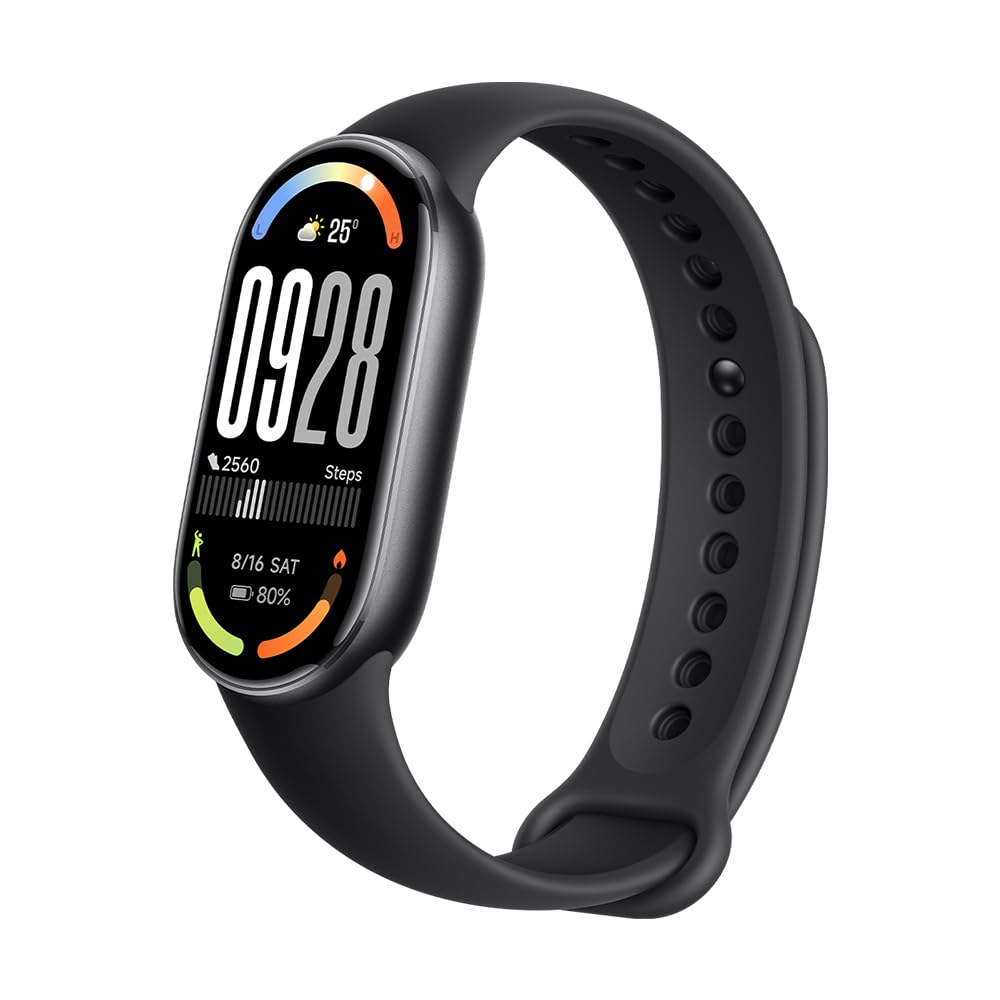
You get a lightweight fitness band that focuses on everyday tracking without the bulk of a full smartwatch. The bright 1.72-inch AMOLED display makes workout and daily metrics easy to read, while the slim case is comfortable enough for daytime use and overnight sleep tracking.
The headline benefit is battery endurance: Xiaomi rates the band for up to 21 days in typical-use conditions, although always-on display, frequent notifications, continuous sensor settings, and heavier workout use will reduce that figure. The band supports more than 150 sport modes and core wellness metrics, but it does not have built-in GPS, so outdoor route mapping depends on a connected phone.
What Buyers Commonly Highlight
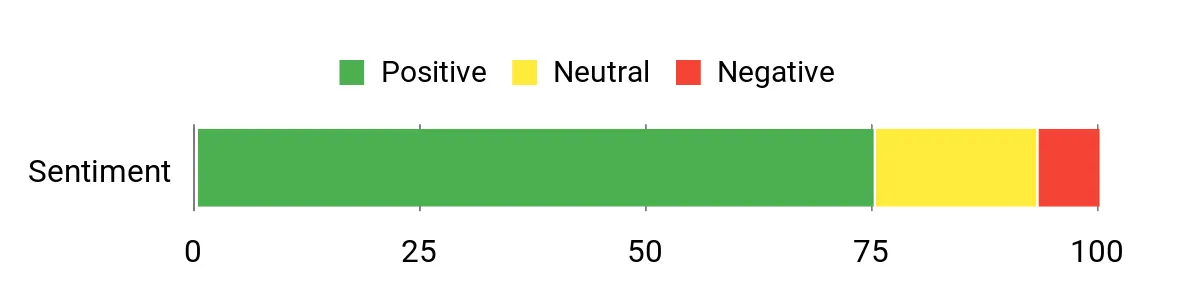
The supplied review summary emphasizes the display, low weight, and long battery life as the main strengths. It also notes that app behavior and unit settings can vary by region or software version, so buyers should confirm phone compatibility and preferred measurement units before relying on the device for daily tracking.
Source Sentiment Snapshot: Positive
|
Pros |
Cons |
|---|---|
|
✅ Up to 21 days of manufacturer-rated battery life in typical-use mode |
❌ No built-in GPS for standalone route tracking |
|
✅ Large 1.72-inch AMOLED display with high outdoor brightness |
❌ Battery life drops with always-on display and heavier sensor use |
|
✅ Lightweight design for all-day and overnight wear |
❌ App features and integrations are less extensive than larger smartwatch ecosystems |
|
✅ 150+ sport modes, heart rate, SpO2, sleep, and stress tracking |
When It Works Best
|
Situation |
How It Helps |
|---|---|
|
Daily Activity |
Tracks steps, heart rate, activity minutes, sleep, and phone notifications in a compact format. |
|
Travel and Long Days |
The long manufacturer-rated runtime reduces charging frequency, although real-world endurance depends on settings and usage. |
|
Gym Workouts |
A broad sport-mode library and heart rate tracking provide useful workout records for classes, lifting, and cardio. |
|
Sleep and Recovery |
The lightweight design makes overnight wear easier while the band records sleep trends for personal reference. |
Versatility
This band suits casual movers, gym-goers, and anyone who wants core health and activity metrics without a bulky watch. It is less suitable for runners or cyclists who want standalone GPS mapping, advanced training analytics, or broad third-party app support.
Who Should Buy This
Buy it if you want a slim tracker with a bright screen, long battery life, and broad everyday fitness features at a generally accessible price point.
Who Should Avoid This
Skip it if phone-free route tracking, advanced navigation, or a large app ecosystem is essential.
Why You’ll Like It
- Up to 21 days of manufacturer-rated battery life in typical-use mode
- Bright 1.72-inch AMOLED screen that is easy to read outdoors
- Lightweight design for daily wear and sleep tracking
- 150+ sport modes plus heart rate, SpO2, stress, and sleep features
Check Current Amazon Availability
You will notice the Lily 2 for its compact, fashion-forward design before anything else. Its patterned lens conceals the display until it wakes, allowing the watch to look more like jewelry than conventional fitness tech. It covers daily wellness basics such as steps, heart rate, sleep stages, stress, Body Battery, and women’s health tracking while showing phone notifications.
Garmin rates the standard Lily 2 for up to five days of battery life. The small case is comfortable for many people with slender wrists, but the display also shows less information at once than a larger smartwatch. Outdoor route tracking requires a paired phone because built-in GPS is reserved for the separate Lily 2 Active model.
What Buyers Commonly Highlight
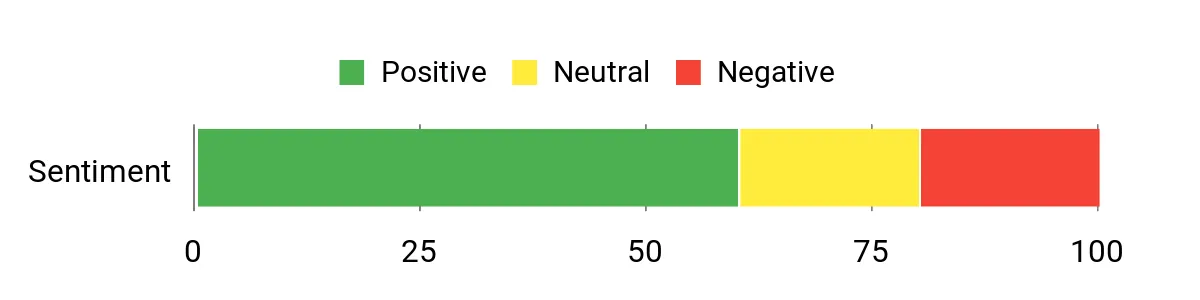
The supplied review summary highlights the compact fit, patterned lens, and polished appearance as the main reasons to choose the Lily 2. It also notes that some users encounter occasional app or notification inconsistencies, so keeping the watch and Garmin Connect app updated is important.
Source Sentiment Snapshot: Neutral
|
Pros |
Cons |
|---|---|
|
✅ Compact, lightweight design suited to smaller wrists |
❌ No built-in GPS on the standard Lily 2 |
|
✅ Patterned lens creates a discreet, jewelry-like appearance |
❌ Small display limits how much information is visible at once |
|
✅ Tracks sleep, heart rate, stress, Body Battery, and women’s health |
❌ Less suitable for advanced training and navigation than sport-focused watches |
|
✅ Up to five days of manufacturer-rated battery life |
When It Works Best
|
Situation |
How It Helps |
|---|---|
|
Everyday Wear |
Provides a subtle tracker that feels more like a small watch or bracelet than bulky fitness technology. |
|
Work and Events |
The patterned lens keeps the appearance refined while still providing discreet phone notifications. |
|
Light to Moderate Workouts |
Heart rate tracking and activity profiles record walking, classes, gym sessions, and other everyday exercise. |
|
Travel and Weekends |
Up to five days of battery life can cover short trips, depending on settings and notification use. |
Versatility
This watch is ideal when style, comfort, and basic wellness tracking matter more than advanced sports tools. It works well for daily life, light fitness, and dressier settings, but it is less suitable for phone-free route tracking, large-screen interactions, or deep performance analytics.
Who Should Buy This
Buy it if you have a smaller wrist or want a discreet smartwatch that blends into work and social settings while covering core wellness features.
Who Should Avoid This
Skip it if you need built-in GPS, detailed maps, advanced running metrics, or a large color display.
Key Benefits
- Compact, jewelry-like design that suits smaller wrists
- Patterned lens conceals the display until you need it
- Everyday wellness tracking including sleep, stress, heart rate, and women’s health
- Up to five days of manufacturer-rated battery life
Check Current Amazon Availability
You get a roomy display and a smartwatch built around practical outdoor and fitness features. The 1.97-inch AMOLED screen makes workout statistics and maps easy to glance at, while built-in GPS records routes without relying on your phone. Offline maps can be downloaded in advance through the companion app, making the watch useful when mobile coverage is unreliable.
The Bip 6 supports more than 140 workout modes, heart rate and blood oxygen tracking, sleep monitoring, Bluetooth calling, and Zepp software features. Amazfit rates battery life at up to 14 days in typical use, but frequent GPS workouts, calling, high screen brightness, and continuous monitoring can shorten that figure. Its GPS is single-frequency rather than dual-band, so buyers who train around tall buildings or dense terrain may prefer a higher-end multisport watch.
What Buyers Commonly Highlight
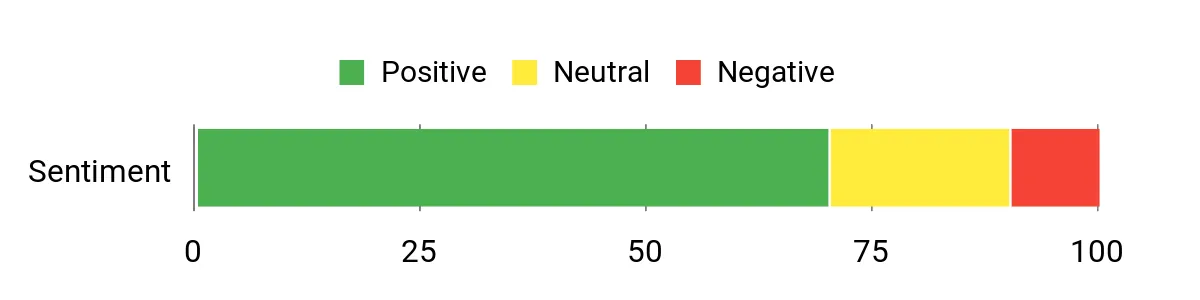
The supplied review summary emphasizes battery life, built-in GPS, offline maps, the clear display, and comfortable everyday wear. The main tradeoffs are a less extensive third-party app ecosystem, a proprietary charging connection, and fewer advanced training tools than premium sports watches.
Source Sentiment Snapshot: Positive
|
Pros |
Cons |
|---|---|
|
✅ Built-in GPS and downloadable offline maps |
❌ Single-frequency GPS is less advanced than dual-band systems |
|
✅ Large 1.97-inch AMOLED display |
❌ Third-party app support is limited compared with premium smartwatch platforms |
|
✅ Up to 14 days of manufacturer-rated battery life in typical use |
❌ No NFC mobile payments |
|
✅ 140+ workout modes and broad wellness tracking |
❌ Some advanced wellness services may require a subscription |
|
✅ 5ATM water resistance for pool swimming and shallow-water use |
When It Works Best
|
Situation |
How It Helps |
|---|---|
|
Long Shifts |
Long battery life, a large screen, and phone notifications keep daily tracking useful without frequent charging. |
|
Outdoor Runs |
Built-in GPS records routes without a phone, while downloaded maps can help with basic navigation. |
|
Gym Sessions |
More than 140 workout modes and heart rate tracking cover a broad mix of training styles. |
|
Swimming and Water Activities |
The 5ATM rating supports pool swimming and shallow-water use, but it is not a diving rating and water resistance can decline over time. |
Versatility
This watch is a strong all-rounder for everyday users and outdoor exercisers who want built-in GPS without moving to a heavy premium sports watch. It is less ideal when dual-band GPS, broad third-party apps, NFC payments, or elite-level training analytics are required.
Who Should Buy This
Buy it if you want a large display, built-in GPS, offline maps, broad sport tracking, and long battery life in one practical device.
Who Should Avoid This
Skip it if you need dual-band GPS, premium app integrations, mobile payments, or highly specialized performance analytics.
Key Benefits
- Built-in GPS with downloadable offline maps for phone-free route recording
- Large 1.97-inch AMOLED display for workout data and notifications
- Up to 14 days of manufacturer-rated battery life in typical use
- 140+ sport modes plus heart rate, SpO2, sleep, and stress tracking
Check Current Amazon Availability
Before You Buy
|
Check |
Why It Matters |
|---|---|
|
GPS Type |
Built-in GPS records routes without a phone. Connected GPS requires your paired phone during outdoor workouts. |
|
Phone Compatibility |
Confirm the current Android or iOS requirements and whether every feature works with your phone brand and operating system. |
|
Battery Settings |
Always-on display, frequent GPS use, continuous sensors, calls, and notifications can substantially reduce rated battery life. |
|
Wrist Fit |
A secure but comfortable fit improves wearability and can reduce inconsistent optical sensor readings. |
|
Subscriptions |
Core tracking may be included, while some coaching or advanced wellness insights can be offered through optional paid services. |
FAQ
How Accurate Are Fitness Trackers?
Fitness trackers provide useful estimates rather than perfect or medical-grade readings. Step counts and steady-state heart rate trends can be helpful for everyday use, but optical sensors may lag during intense, irregular, or wrist-heavy activity. Sleep stages are algorithmic estimates based on movement and sensor data.
For better consistency, wear the device snugly in the recommended position, keep the sensor clean, update its firmware, and compare trends over time rather than treating one reading as definitive. Use a chest strap or appropriate medical device when higher accuracy is important.
Do I Need Built-In GPS?
Built-in GPS is useful when you want route, pace, and distance tracking without carrying your phone, especially for running, cycling, and hiking. Connected GPS can work well when you already bring your phone and prefer a smaller or lighter tracker.
GPS use drains the battery faster, and entry-level devices may use single-frequency positioning rather than more advanced dual-band systems. Choose based on where you exercise and how much navigation accuracy you need.
What Does 5ATM Water Resistance Mean?
A 5ATM rating generally supports pool swimming and shallow-water activities under the manufacturer’s stated conditions. It does not automatically mean the device is suitable for diving, high-speed water sports, hot showers, or saunas. Water resistance is not permanent, so check the manufacturer’s care instructions and avoid using damaged straps, seals, or charging contacts around water.
How Do I Get the Best Battery Life and App Experience?
Reduce always-on display time, screen brightness, notification frequency, GPS sessions, and continuous sensor sampling when you do not need them. Keep both the watch firmware and companion app updated, and review permissions so background syncing and notifications work reliably.
Before buying, confirm phone compatibility, app availability in your region, supported measurement units, and whether any desired coaching or wellness features require an optional subscription.
Wrapping Up
If you want maximum charging convenience in a light band, the Xiaomi Band 10 is the strongest fit of these three, with a 1.72-inch AMOLED screen and up to 21 days of manufacturer-rated typical-use battery life. It is best for everyday health and activity tracking, but outdoor route recording requires a connected phone.
If compact styling matters most, the Garmin Lily 2 blends a patterned lens, small case, notifications, and daily wellness tracking with up to five days of battery life. Choose it for discreet wear rather than advanced sports navigation.
For outdoor training, the Amazfit Bip 6 is the most complete option here because it adds built-in GPS, downloadable offline maps, a large AMOLED screen, and broad workout support. Each device serves a different buyer, so prioritize the feature you will use every week instead of choosing the longest specification list.
| XIAOMI Mi Smart Band 10 (2025) | Garmin Lily 2 Smartwatch | Amazfit Bip 6 Smart Watch | |
|---|---|---|---|
 |
 |
 |
|
| Battery Life | Up to 21 days in typical-use mode | Up to 5 days | Up to 14 days in typical use |
| GPS | No built-in GPS; uses phone-assisted route tracking | Connected GPS through a paired phone | Built-in GPS with downloadable offline maps |
| Water Resistance | 5ATM | 5ATM | 5ATM |
| Connectivity | Bluetooth 5.4 | Bluetooth | Bluetooth |
| Special Highlights |
|
|
|
| Check Amazon Availability | Check Amazon Availability | Check Amazon Availability |
This roundup is reader-supported. When you click through qualifying affiliate links, we may earn a referral commission at no extra cost to you.
