
Introduction to Cooking Spices
Cooking spices help you make simple food taste fuller, warmer, brighter, or more balanced. A small pinch can change the direction of a dish, whether you want smoky roasted potatoes, earthy beans, fragrant rice, spicy tacos, or a cozy dessert.
If you are new to spices, you do not need a crowded pantry. Start with a short, useful set, learn what each spice does, and add more as your cooking style grows. This guide explains the essential cooking spices for beginners, how to use them, how much to add, how to store them, and how to build easy spice blends at home.
Quick Start: The Best Beginner Spice Rack
Start with these basics: salt, black pepper, garlic powder, cumin, coriander, paprika, chili powder, oregano, thyme, cinnamon, and nutmeg.
Best first upgrade: Add turmeric, ginger, smoked paprika, bay leaves, and red pepper flakes once you cook more soups, curries, beans, roasted vegetables, and marinades.
Beginner rule: Use less than you think you need at first. Taste, then adjust. It is easier to add more spice than to fix a dish that tastes too strong.
[Amazon Products Picked for You]
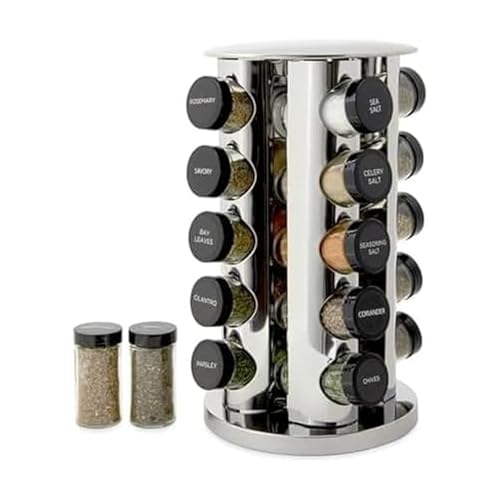
SET INCLUDES: 1 rotating spice rack and 20 prefilled, glass spice jars with removable sifter and labeled black caps

Complete Spice Solution: This bamboo spice organizer comes pre-filled with 18 essential spices, providing you with a ready-to-use collection that eliminates the need to purchase individual spice containers separately and saves you time setting up your kitchen

Gourmet Collection Filled 12 Jar Wooden Spices Rack, constructed from high–quality glass and wooden easel. The pre–filled set is perfect for neatly storing organic herbs and spices, with a free standing wooden spice rack base providing easy access to the jars.
Difference Between Herbs and Spices
Herbs and spices both add flavor, but they usually come from different parts of plants. Herbs come from the leafy green parts of plants. Basil, parsley, cilantro, mint, oregano, and thyme are common examples.
Spices usually come from seeds, bark, roots, fruits, pods, or flower parts. Cinnamon is bark, black pepper is a dried fruit, cumin is a seed, turmeric is a rhizome, and cloves are dried flower buds. Knowing the difference helps you choose the right ingredient and add it at the right time.
| Type | Plant Part | Examples | Best Use |
|---|---|---|---|
| Herbs | Leaves and tender stems | Basil, parsley, cilantro, oregano, thyme | Freshness, aroma, sauces, soups, salads |
| Spices | Seeds, bark, roots, fruits, pods, flower buds | Cumin, cinnamon, pepper, turmeric, cloves | Depth, warmth, color, heat, complexity |
Essential Spices Every Beginner Should Have
A strong beginner spice collection should cover salty, spicy, earthy, smoky, herbal, warm, and sweet flavors. You can make many everyday meals with only a small set.
[Amazon Products Picked for You]

Essential 10-Spice Collection: Includes garlic powder, onion powder, chili powder, paprika, crushed red pepper, seasoned salt, Italian seasoning, chicken seasoning, garlic salt, and cinnamon powder.

QUALITY FLAVOR: Each salt or pepper grinder delivers freshly ground flavor to your favorite foods.

Assortment featuring 16 organic herbs, spices and blends
Salt and Black Pepper
Salt is not technically a spice, but it is the most important seasoning in your kitchen. It makes food taste more complete and helps other flavors stand out. Black pepper adds mild heat and sharpness. Use both in small amounts while cooking, then adjust at the end.
Garlic Powder
Garlic powder gives food a savory base without peeling or chopping fresh garlic. It works well in roasted vegetables, chicken, soups, sauces, burgers, beans, and quick marinades. It is also useful when fresh garlic might burn too quickly.
Cumin and Coriander
Cumin tastes warm, earthy, and slightly nutty. It is excellent in chili, tacos, beans, lentils, rice, curries, roasted carrots, and grilled meats. Coriander has a lighter, citrus-like flavor that balances cumin well. Together, they add depth without making food too hot.
Paprika and Chili Powder
Paprika adds color and gentle sweetness. Smoked paprika adds a deeper barbecue-like note. Chili powder usually blends dried chiles with spices such as cumin, garlic, and oregano, so it brings warmth and complexity. Check the label because heat levels vary by brand.
Oregano and Thyme
Dried oregano is a staple for pizza, pasta sauce, roasted vegetables, chicken, and Mediterranean-style dishes. Thyme has a woodsy aroma that works well in soups, stews, roasts, beans, and potatoes. Both are strong, so begin with a small amount.
Cinnamon and Nutmeg
Cinnamon and nutmeg are useful for more than desserts. Cinnamon works in oatmeal, apples, baked goods, stews, and some savory rice dishes. Nutmeg adds warmth to cream sauces, mashed potatoes, pumpkin dishes, and baked treats. A little nutmeg goes a long way.
| Spice or Herb | Flavor Profile | Best Pairings | Beginner Tip |
|---|---|---|---|
| Cumin | Warm, earthy, nutty | Beans, meats, lentils, stews, tacos | Toast briefly for a deeper flavor. |
| Coriander | Light, citrusy, floral | Fish, vegetables, curries, salads | Use with cumin for balance. |
| Paprika | Sweet, mild, sometimes smoky | Chicken, potatoes, eggs, soups | Use smoked paprika when you want a grilled taste. |
| Turmeric | Earthy, bitter, golden | Rice, lentils, curries, soups | Use lightly because it can turn bitter. |
| Cinnamon | Sweet, warm, woody | Oatmeal, apples, baked goods, stews | Try a small pinch in savory dishes. |
How to Use Spices Effectively
Using spices well is about timing, amount, and balance. Some spices taste best when they cook with the dish. Others are better near the end, where their aroma stays fresh.
Understand Spice Flavor Profiles
Before adding a spice, ask what the dish needs. If it tastes flat, it may need salt or acid. If it tastes plain, it may need warmth from cumin, sweetness from paprika, brightness from coriander, or heat from chili flakes. If it tastes heavy, fresh herbs, lemon, vinegar, or a lighter spice can help.
Start with the Right Amount
For a new spice, start small. For a meal serving 3 to 4 people, try 1/4 teaspoon of a strong spice or 1/2 teaspoon of a milder spice. For cayenne, cloves, nutmeg, and turmeric, use even less at first. Stir, cook briefly, taste, and adjust.
Simple Beginner Formula
For vegetables: oil + salt + garlic powder + paprika or thyme.
For beans: onion + garlic + cumin + chili powder + oregano.
For rice: butter or oil + turmeric or cumin + bay leaf + salt.
For chicken: salt + pepper + garlic powder + paprika + thyme.
Toast Whole Spices for More Aroma
Toasting whole spices can make them taste deeper and more fragrant. Place the spices in a dry pan over medium heat. Stir or shake the pan for 30 to 60 seconds, just until the aroma rises. Remove them from the heat before they darken too much. Burned spices taste bitter.
Bloom Ground Spices in Oil
Blooming means heating ground spices in oil or butter for a short time before adding liquid. This helps the flavor spread through the dish. Add the spices after onions or garlic have softened, stir for 20 to 30 seconds, then add broth, tomatoes, coconut milk, or another liquid so the spices do not burn.
Grind Only What You Need
Whole spices usually keep their aroma longer than pre-ground spices. If you have a spice grinder or mortar and pestle, grind small amounts when you need them. This is especially useful for cumin, coriander, black pepper, cloves, and cardamom.
Common Mistakes When Cooking with Spices
- Adding spices too late: Many spices need a little heat and time to release flavor.
- Using too much at once: Start with a small amount, especially with hot or bitter spices.
- Skipping salt: Spices add character, but salt helps the whole dish taste complete.
- Keeping old spices too long: If a spice has little aroma, it will add little flavor.
- Using one strong spice alone: Balance heat, sweetness, earthiness, herbs, salt, and acid.
- Storing spices near heat: Heat, light, air, and moisture can make spices fade faster.
How to Store Spices
Store spices in airtight containers in a cool, dry, dark place. A cabinet or drawer away from the stove is better than a rack above the oven. Keep lids closed tightly and avoid shaking spice jars directly over steaming pots because moisture can enter the jar.
Label jars with purchase dates if you refill containers. Check spices by smell, color, and taste. If the aroma is weak or dusty, the spice may still be safe but will not add much flavor. Buy smaller amounts of spices you do not use often.
| Storage Question | Best Practice |
|---|---|
| Where should spices be kept? | In a cool, dry, dark cabinet or drawer. |
| Should spices go near the stove? | No. Heat and steam can weaken flavor faster. |
| How do you know a spice is old? | It smells weak, looks dull, or adds little flavor when tasted. |
| Should you buy whole or ground spices? | Choose ground spices for convenience and whole spices for longer-lasting aroma. |
Easy Spice Blends to Create at Home
Homemade spice blends help you cook faster and control the flavor. Mix small batches first so the blend stays fresh.
Italian Blend
Mix dried basil, oregano, thyme, rosemary, garlic powder, and a little black pepper. Use it in pasta sauce, garlic bread, roasted vegetables, chicken, and soups.
Taco Seasoning
Mix chili powder, cumin, paprika, garlic powder, onion powder, oregano, salt, and black pepper. Add cayenne or red pepper flakes if you want more heat. Use it with ground beef, chicken, beans, roasted sweet potatoes, or tofu.
Simple Curry-Style Blend
Mix turmeric, cumin, coriander, ginger, black pepper, and a small pinch of cinnamon or fenugreek if you have it. Use this blend in lentils, chickpeas, chicken, vegetables, and coconut milk sauces.
All-Purpose Roasted Vegetable Blend
Mix paprika, garlic powder, thyme, black pepper, and a little salt. Toss vegetables with oil and this blend before roasting.
Simple Recipes That Showcase Spices
The best way to learn spices is to cook with them often. Start with easy dishes where you can taste what each spice adds.
Easy Chicken Curry
- Ingredients: Chicken, onion, garlic, ginger, curry-style spice blend, coconut milk, salt, and oil.
- Method: Cook onion in oil until soft. Add garlic and ginger. Stir in the spice blend for 20 to 30 seconds. Add chicken and cook until lightly browned. Pour in coconut milk, simmer until the chicken is cooked through, and serve with rice.
- Why it works: The spices bloom in oil before the coconut milk is added, which gives the sauce more flavor.
Spiced Roasted Potatoes
- Ingredients: Potatoes, oil, salt, garlic powder, paprika, thyme, and black pepper.
- Method: Cut potatoes into small pieces. Toss with oil and spices. Roast until browned and tender, turning once during cooking.
- Why it works: Paprika adds color, garlic adds savoriness, and thyme gives the potatoes a fragrant finish.
Marinade for Grilled Vegetables
- Ingredients: Olive oil, balsamic vinegar or lemon juice, Italian blend, salt, and black pepper.
- Method: Mix the marinade, toss with vegetables, and let them sit for 20 to 30 minutes. Grill or roast until tender.
- Why it works: Acid brightens the vegetables while herbs and spices add aroma.
Incorporating Spices into Everyday Dishes
You do not need a complicated recipe to use spices. Add one or two spices to meals you already make.
- Breakfast: Add cinnamon or nutmeg to oatmeal, pancakes, French toast, yogurt, or baked fruit.
- Lunch: Sprinkle smoked paprika on eggs, roasted chickpeas, sandwiches, or salad bowls.
- Dinner: Use garlic powder, thyme, cumin, or paprika in roasted vegetables, grilled proteins, soups, rice, and beans.
- Snacks: Add chili powder and lime to popcorn, or cinnamon to apple slices.
Themed Cooking Nights Based on Spice Profiles
Themed cooking nights help you learn how spices work in different cuisines. Choose one theme, cook two simple dishes, and notice which spices repeat.
| Theme | Suggested Spices and Herbs | Recipe Ideas |
|---|---|---|
| Italian Night | Oregano, basil, thyme, garlic | Pasta sauce, bruschetta, roasted vegetables |
| Mexican-Inspired Night | Cumin, chili powder, paprika, oregano | Tacos, beans, rice, quesadillas |
| Indian-Inspired Night | Turmeric, cumin, coriander, ginger | Curry, lentils, spiced rice |
| Middle Eastern-Inspired Night | Cumin, coriander, sumac, za’atar | Hummus, kebabs, roasted vegetables, flatbread |
Expanding Your Spice Collection
Once you use your beginner spices often, expand based on the meals you cook most. Do not buy every spice at once. A smaller collection that you use often is better than a large rack of stale jars.
[Amazon Products Picked for You]
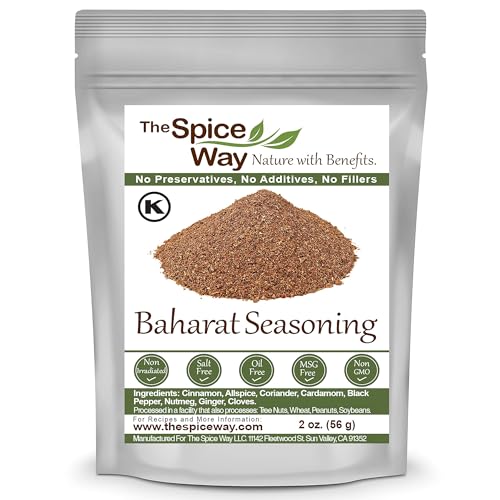
WHAT IS BAHARAT - A traditional blend used mostly with Mediterranean cuisine meat and poultry dishes.

1.87 oz organic shawarma seasoning

TRADITIONAL MIDDLE EASTERN BLEND – A warm, aromatic mix of allspice, cinnamon, black pepper, clove, nutmeg, coriander, and ginger—used for centuries in Lebanese and regional cuisines.
Choosing High-Quality Spices
Look for spices from stores with good turnover. Check packaging dates when available. Choose whole spices when you want stronger aroma and have a way to grind them. Choose ground spices when convenience matters more.
Smell matters. Fresh spices usually have a clear aroma as soon as you open the jar. If a spice smells flat, musty, or dusty, it will not do much for your food.
Exploring Global Spices
Global spices can make familiar meals feel new. Add them slowly so you learn what each one contributes.
| Spice | Common Cuisine Use | Common Uses |
|---|---|---|
| Saffron | Mediterranean, Middle Eastern, South Asian | Rice, risotto, paella, desserts |
| Star Anise | Chinese and Vietnamese cooking | Broths, braises, soups, spice blends |
| Za’atar | Middle Eastern cooking | Flatbread, dips, roasted vegetables, chicken |
| Sumac | Middle Eastern and Mediterranean cooking | Salads, grilled meats, rice, yogurt sauces |
| Fenugreek | Indian and North African cooking | Curries, lentils, spice blends, pickles |
Less Common Spices to Try Later
Try sumac when you want a tangy flavor without adding liquid. Try fennel seed for a sweet, licorice-like note in sausage, tomato sauce, bread, and roasted vegetables. Try cardamom in desserts, tea, rice, and some savory dishes. Try asafoetida carefully, as it has a very strong aroma and only a tiny pinch is needed.
Safety and Allergy Note
Spices are used in small amounts, but people with allergies or sensitivities should still read labels carefully. Spice blends may contain salt, sugar, sesame, mustard, wheat-based anti-caking ingredients, or other ingredients depending on the brand. If you have a medical condition, take medication, are pregnant, or plan to use spice supplements, ask a qualified healthcare professional for advice.
Resources for Learning More About Spices
To build confidence, use resources that explain flavor pairings, cooking methods, and regional cuisines. Spice-focused cookbooks, cooking classes, reputable spice shops, and recipe sites with tested recipes can all help. Keep notes when you cook so you remember which spice combinations you liked.
Conclusion: Embracing Your Spice Journey
Spices make cooking more creative, but you do not need to learn everything at once. Start with a small set, cook simple meals, taste often, and adjust slowly. Over time, you will understand which spices add warmth, heat, brightness, color, sweetness, or depth.
Your spice journey should be practical and enjoyable. Try one new spice at a time, make small blends at home, and use spices in meals you already cook. The more you practice, the easier it becomes to build flavor with confidence.
Final Recommendation
If you are starting from zero, buy a few versatile spices first: black pepper, garlic powder, cumin, paprika, chili powder, oregano, thyme, cinnamon, and nutmeg. Add coriander, turmeric, ginger, smoked paprika, bay leaves, and red pepper flakes once you are ready to cook more soups, curries, beans, rice dishes, and roasted vegetables.
Related Guides
FAQ
What are cooking spices?
Cooking spices are flavoring ingredients that usually come from seeds, bark, roots, fruits, pods, or flower parts of plants. They add heat, sweetness, color, earthiness, aroma, or depth to food.
How do spices differ from herbs?
Herbs usually come from leafy parts of plants, while spices usually come from non-leafy parts such as seeds, bark, roots, and dried fruits. Basil and parsley are herbs. Cumin, cinnamon, and pepper are spices.
What spices should a beginner buy first?
A good starter set includes salt, black pepper, garlic powder, cumin, paprika, chili powder, oregano, thyme, cinnamon, and nutmeg. These cover many everyday dishes without overwhelming your pantry.
How much spice should I use?
Start with 1/4 teaspoon for strong spices or 1/2 teaspoon for milder spices in a dish serving 3 to 4 people. Taste and adjust as the dish cooks.
When should I add spices while cooking?
Add many ground spices after onions or garlic soften, then stir them briefly in oil before adding liquid. Add delicate fresh herbs near the end so their flavor stays bright.
Should I toast spices?
Toasting whole spices can improve aroma and depth. Heat them in a dry pan for a short time, stir often, and remove them before they burn.
Are whole spices better than ground spices?
Whole spices usually keep their aroma longer, while ground spices are easier to use. Beginners can start with ground spices and add whole spices later.
How should spices be stored?
Store spices in airtight containers in a cool, dry, dark place. Keep them away from heat, sunlight, and steam.
How do I know if a spice is old?
Smell it. If the aroma is weak, dusty, or barely noticeable, the spice will not add much flavor. You can also check whether the color has faded.
What are easy spice blends to make at home?
Try Italian blend with basil, oregano, thyme, and rosemary. Try taco seasoning with chili powder, cumin, paprika, garlic powder, and oregano. Try a simple curry-style blend with turmeric, cumin, coriander, ginger, and black pepper.
Can spices be used in sweet dishes?
Yes. Cinnamon, nutmeg, ginger, cardamom, cloves, and allspice work well in oatmeal, baked fruit, cakes, cookies, pies, and warm drinks.
Can spices replace salt?
Spices can add flavor, but they do not fully replace salt. If you are reducing sodium, use spices, herbs, lemon, vinegar, garlic, and onion to make food taste more balanced.
Are spice blends worth buying?
Spice blends are convenient, but check the label. Some blends include added salt, sugar, or anti-caking ingredients. Making your own blend gives you more control.
What is the easiest way to learn spices?
Use one new spice at a time in a simple dish. Write down what you added and how it tasted. This helps you learn faster and avoid repeating mistakes.
