You care about cars for many reasons: design, engineering, culture, or the sheer joy of the road. This list brings together narrative histories, insider accounts, memoirs, and a timeless kids’ book so you can find the perspective you want.
Whether you want deep context about how automobiles shaped society, a behind-the-scenes look at product development, raucous racing tales, or a picture book to spark a child’s curiosity, these selections help you choose the right next read. The picks cover different kinds of automotive books rather than pretending one title is best for every reader.
Quick Verdict: Choose Engines of Change for broad car-and-culture history, Car: A Drama of the American Workplace for an inside look at vehicle development, Cannonball! for outlaw-road-race history, Iacocca for leadership and Detroit history, and Richard Scarry’s Cars and Trucks and Things That Go for young vehicle fans.
Before You Buy: Check the edition and format on the retailer page. Page counts, cover designs, and included material can vary between hardcover, paperback, and ebook editions.
Affiliate disclosure: This roundup contains Amazon affiliate links. If you buy through them, we may earn a commission at no extra cost to you.
Top Picks
|
Category |
Product |
Best For |
|---|---|---|
|
🏆 Best Cultural History |
Car culture and social history |
|
|
💼 Best Insider Account |
Inside vehicle development |
|
|
🎯 Best Auto-Industry Strategy |
Auto-industry strategy |
|
|
⭐ Best Racing Stories |
Racing and road-trip history |
|
|
🚀 Best Leadership Memoir |
Leadership and Detroit history |
|
|
🎨 Best New Journalism |
Car-culture journalism |
|
|
🔰 Best Industrial Epic |
Industrial and corporate history |
|
|
👶 Best Kids Classic |
Young vehicle fans |
[Amazon Products Picked for You]


How We Selected These Books
You want books that are authoritative, readable, and relevant to your interests. We prioritized works that combine strong reporting or first-person access with clear storytelling, and we looked for titles that illuminate different angles: cultural impact, industry process, leadership lessons, racing lore, and early learning. For kids’ selections we favored durability, age-appropriate language, and illustrations that invite repeated reading.
Edition quality and broad reader reception also influenced our choices so you get a mix of enduring classics and practical buys. We do not treat changing retailer ratings, review counts, prices, or availability as fixed facts.
Trust note: Reader-sentiment summaries and charts are snapshots from the review material used when this roundup was prepared. Current ratings, review counts, prices, formats, and availability can change, so confirm those details on the retailer page before buying.
Engines of Change: A History of the American Dream in Fifteen Cars
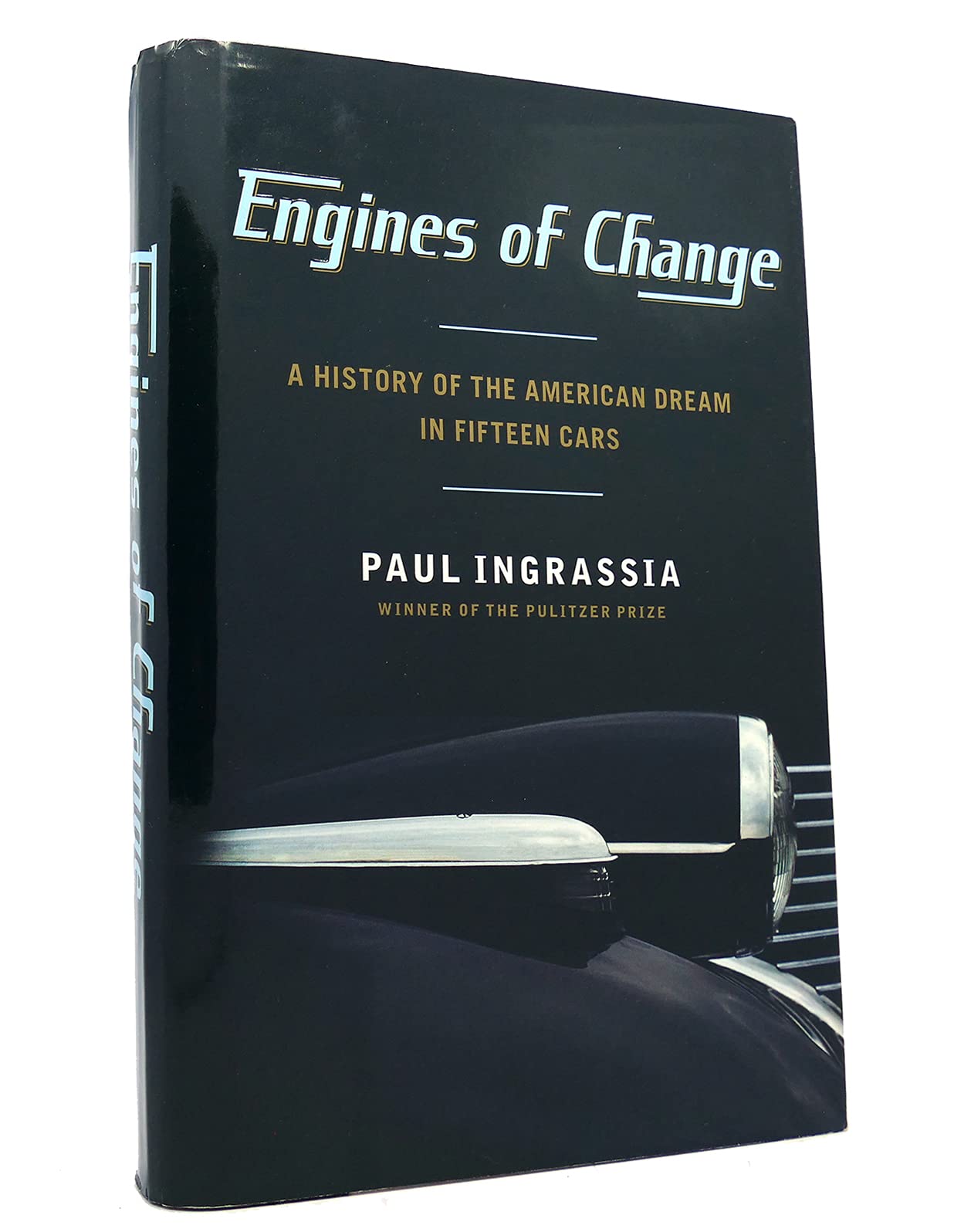
You get a readable, wide-ranging tour of American culture by following fifteen landmark cars. The book balances history, reporting, and personality so you can enjoy it on a weeknight or pull specific chapters when you need context for a discussion or project. Read it to deepen your understanding of automotive influence on design, labor, and consumer taste, or keep it on the shelf as a go-to backgrounder before car shows, club meetings, or classroom discussions.
If you appreciate history with personality, this is an easy book to recommend.
[Amazon Products Picked for You]


What People Say
Readers often praise the book’s engaging storytelling and the way each selected car is used to illuminate a larger moment in American life. People like the mix of humor and reporting and find specific chapters especially memorable, though some note minor editorial errors and wish for tighter proofreading.
Overall Sentiment: Positive

When It Helps
|
Situation |
How It Helps |
|---|---|
|
Preparing for a car-club talk |
You can pull one of the focused chapters as a concise historical vignette to anchor a short presentation. |
|
Researching cultural context |
The book connects engineering and marketing decisions to social trends, giving you context you can cite or adapt. |
|
Casual weekend reading |
Each standalone chapter makes it easy to read in short sessions without losing the thread. |
Educational Value
The book teaches you to see automobiles as cultural artifacts, not just machines. It helps you understand links between technology, business, and consumer behavior while offering approachable examples and primary anecdotes that enrich your perspective.
Reading Experience
|
Feature |
Ease Level |
|---|---|
|
Readability |
Easy |
|
Chapter Structure |
Easy |
|
Reference Use |
Moderate |
|
Technical Depth |
Moderate |
Versatility
You can use this book as light reading, a reference for essays or talks, or a gift for enthusiasts who appreciate the social side of cars. Its chapter-based format makes it versatile across audiences.
Who Should Buy This
Buy it if you want an accessible history of American life told through influential cars, with chapters that work well for both leisure reading and quick reference.
Who Should Avoid This
Skip it if your priority is repair instruction, model-specific technical data, or a workshop manual; this is cultural history rather than a hands-on automotive guide.
How It Solves Questions
If you need to explain why a particular model mattered or trace how automotive choices influenced broader culture, the book provides concise, source-based narratives that help you form credible, engaging explanations.
Key Benefits
- Clear cultural framing that links cars to broader social change
- Engaging narrative voice that keeps history accessible
- Focused chapters you can read independently for quick reference
Check Product Details on Amazon
Car: A Drama of the American Workplace
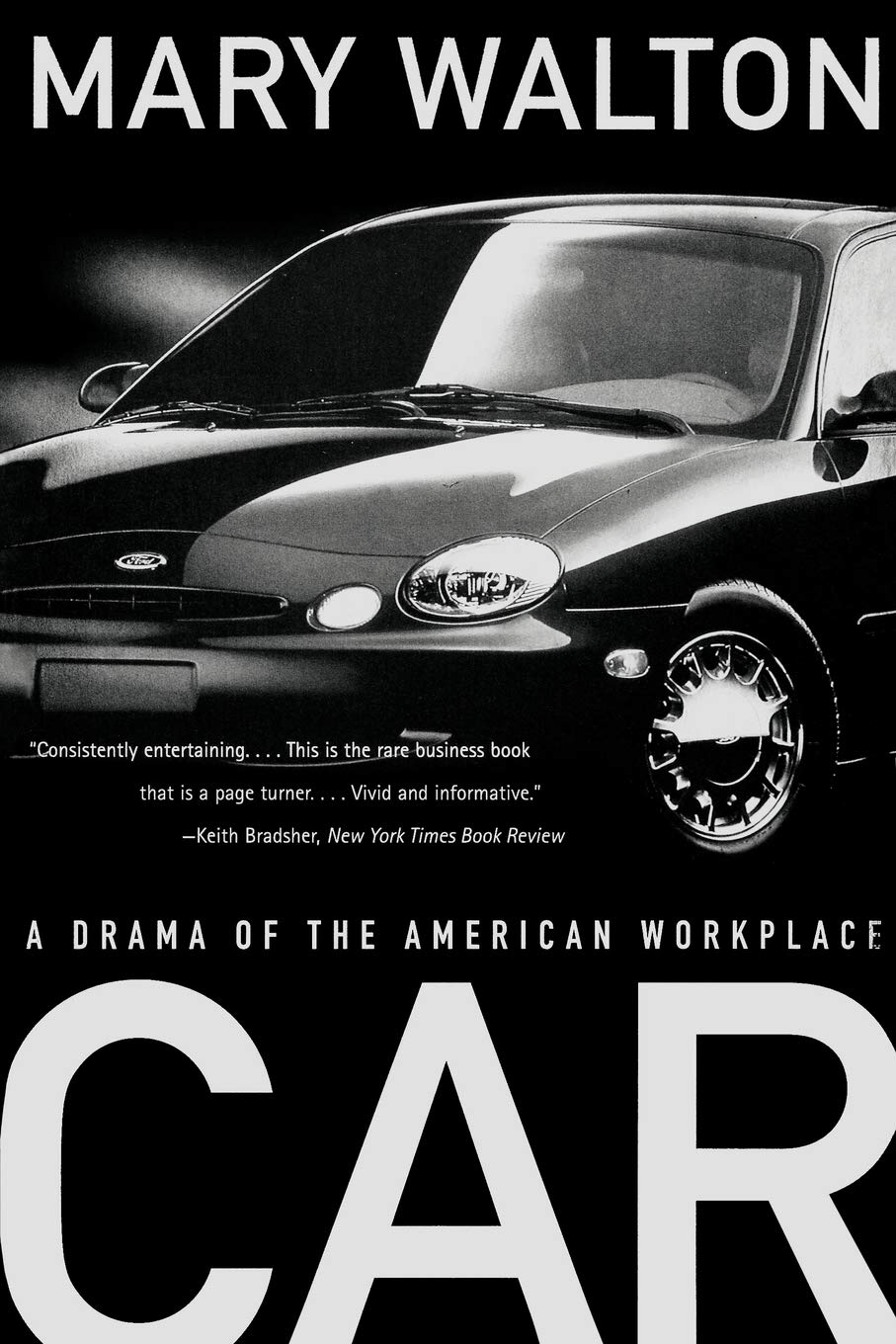
You get a deep, narrative-driven look at how a major car redesign is conceived, engineered, and brought to market. The book reads like a workplace drama, so you can follow individual personalities as well as process steps, which makes it useful whether you’re reading for pleasure or preparing material for a discussion or class.
Use it for relaxed evening reading, prep for a club talk, or as a case study in product development. If you appreciate detailed access and human-scale storytelling, this one fits well on your shelf.
What People Say
Readers consistently praise the book’s level of access and narrative drive, noting how the author turns complex product development into compelling storytelling. Many highlight the vivid depiction of team dynamics and the practical insight it offers into design and manufacturing, while a few mention they wished the book had even more detail in some areas.
Overall Sentiment: Positive

When It Helps
|
Situation |
How It Helps |
|---|---|
|
Preparing a case-study or class |
The book provides real-world examples of project management, design trade-offs, and cross-functional tensions you can cite in discussions or assignments. |
|
Leading a car-club presentation |
You can draw short, dramatic anecdotes to illustrate how decisions shaped the final vehicle, making a talk more engaging for a mixed audience. |
|
Weekend reading |
The narrative pace and human stories make it easy to read a chapter at a time without losing momentum or context. |
Educational Value
The book teaches you how product decisions emerge from technical constraints, corporate culture, and consumer expectations. It’s a practical example of how engineering, marketing, and management interact on a large-scale project.
Reading Experience
|
Feature |
Ease Level |
|---|---|
|
Readability |
Easy |
|
Chapter Navigation |
Easy |
|
Technical Detail |
Moderate |
|
Reference Use |
Moderate |
Versatility
You can read it for entertainment, use it as a business-school style case, or reference specific episodes when explaining auto industry processes to others. It works across audiences from enthusiasts to students.
Who Should Buy This
Buy it if you want a detailed, people-focused case study of how a major production car moved from design decisions to engineering, manufacturing, marketing, and launch.
Who Should Avoid This
Skip it if you want a broad history of many automakers or a technical Taurus repair guide; its strength is one development program and the people behind it.
How It Solves Questions
If you need to illustrate how design choices get made or why projects face delays and trade-offs, the book supplies concrete episodes and outcomes that help you explain those dynamics clearly.
Key Benefits
- Exceptional insider access that reveals day-to-day development decisions
- Readable narrative that keeps process details engaging
- Great for both casual readers and business or engineering discussions
Check Product Details on Amazon
Car Guys vs. Bean Counters
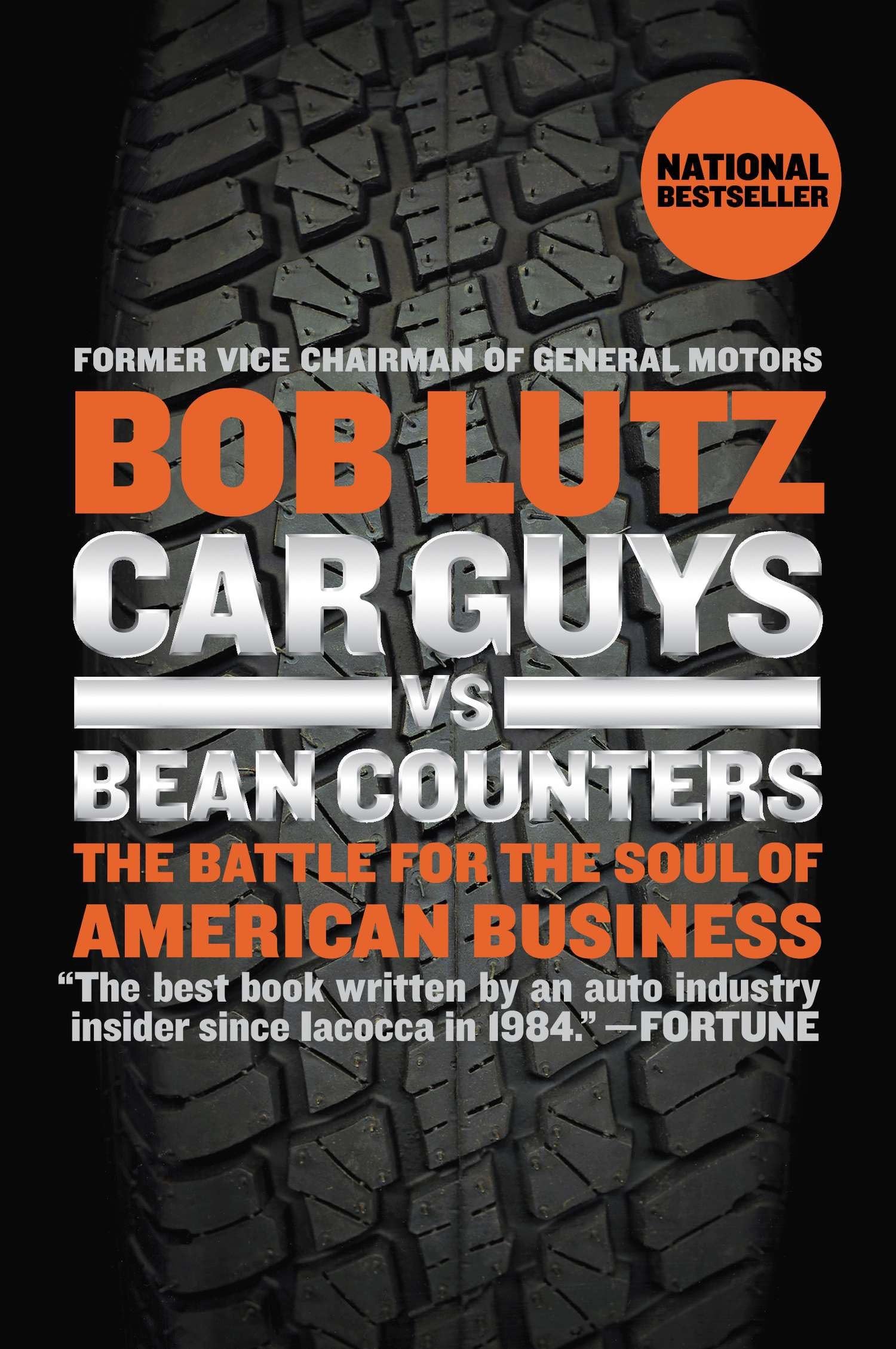
You get a brisk, opinionated tour through the tensions between product-minded engineers and cost-focused managers at one of America’s largest automakers. The book mixes memoir with business analysis, so it works whether you want a lively read on a weekend or concrete examples for a class or meeting.
Read it to sharpen your sense of how corporate incentives shape product choices, hand a chapter to a friend who loves industry stories, or use it as source material when debating auto-industry strategy. If you like books that challenge conventional thinking while delivering real insider anecdotes, this one is a solid pick.
What People Say
Readers repeatedly note the book’s value as an insider’s view and appreciate the clear examples of how product decisions are made. Many praise the pace and storytelling, while others flag the author’s strong opinions and occasional blind spots as points to read with a critical eye.
Overall Sentiment: Positive

When It Helps
|
Situation |
How It Helps |
|---|---|
|
Classroom Case Study |
You can draw real episodes that illustrate trade-offs between engineering goals and corporate cost targets. |
|
Club Discussion |
Short, vivid stories provide easy conversation starters about strategy and product choices. |
|
Weekend Reading |
The brisk pace and anecdotal style make it an engaging choice for relaxed, single-session reads. |
Educational Value
The book helps you understand how leadership decisions, financial pressures, and engineering priorities interact in large-scale product development. It’s a useful supplement for business, engineering, or design discussions.
Reading Experience
|
Feature |
Ease Level |
|---|---|
|
Readability |
Easy |
|
Chapter Length |
Easy |
|
Industry Jargon |
Moderate |
|
Reference Use |
Moderate |
Versatility
You can use it as a conversation starter, a business-case example, or a personal memoir that illuminates corporate dynamics. It fits audiences from hobbyists to students studying management.
Who Should Buy This
Buy it if you enjoy opinionated executive memoirs and want a product-first argument about management, design, engineering, and corporate decision-making.
Who Should Avoid This
Skip it if you want a neutral academic history. The book is intentionally shaped by Bob Lutz’s personal experience and point of view.
How It Solves Questions
If you need examples of how organizational priorities affect product outcomes, the book supplies concrete episodes and viewpoints that help explain why good engineering sometimes loses to short-term financial pressures.
Key Benefits
- Firsthand perspective from a senior auto executive that reveals internal decision-making
- Concise, readable chapters that suit both casual and analytical readers
- Practical illustrations of product versus financial priorities in big companies
Check Product Details on Amazon
Cannonball!

You get a high-energy chronicle of the Cannonball runs that reads like a series of campfire stories from the road. The book alternates between Yates’s reporting and firsthand contributions, so you can pick it up for a long sit-down or read a single chapter during a commute.
It’s a good fit when you want entertaining automotive lore, context for films or documentaries about the era, or a lively companion for a road-trip playlist. If you enjoy gritty, character-driven automotive history, this delivers memorable scenes and plenty of color.
Context note: The book covers an illegal road race. Treat it as automotive history and storytelling, not as guidance for public-road driving.
What People Say
Readers frequently praise the book’s vivid storytelling and the depth of detail from people who actually ran the Cannonball. Many enjoy the mix of memoir and reportage, saying the firsthand accounts make the era feel immediate, while a minority note the book’s nostalgic tone and occasional partisan takes.
Overall Sentiment: Positive

When It Helps
|
Situation |
How It Helps |
|---|---|
|
Road-Trip Listening Prep |
You can mine short, vivid chapters to set a thematic soundtrack or conversation for a long drive. |
|
Club Meeting Anecdotes |
The book supplies colorful stories you can share to spark discussion about racing culture and history. |
|
Contextual Research |
If you’re exploring how public attitudes toward regulation and driving evolved, the book offers firsthand perspectives and period context. |
Educational Value
The book teaches you how outlaw events reflected and shaped attitudes about speed, regulation, and automobilia. It’s especially useful for understanding subcultural narratives and the role of journalism in preserving automotive folklore.
Reading Experience
|
Feature |
Ease Level |
|---|---|
|
Readability |
Easy |
|
Narrative Variety |
Easy |
|
Reference Use |
Moderate |
|
Historical Context |
Moderate |
Versatility
This is equally at home as an entertaining weekend read, a source of clubroom anecdotes, or supporting material for documentaries and essays about road culture. The blend of voices broadens its appeal beyond hardcore racing fans.
Who Should Buy This
Buy it if you want first-person color, road-racing lore, and the history of the Cannonball events from the journalist who created them.
Who Should Avoid This
Skip it if you are looking for legal driving advice, modern track technique, or a conventional motorsport reference. The appeal here is historical storytelling about an illegal road race.
How It Solves Questions
If you need to explain why outlaw races captured the public imagination or want primary-source color for a talk or article, the book supplies concrete episodes and perspectives that make abstract points more compelling.
Key Benefits
- Authentic participant voices that bring the races to life
- Well-paced storytelling that keeps you engaged chapter to chapter
- Rich cultural detail that situates the races in broader automotive history
Check Product Details on Amazon
Iacocca: An Autobiography

You get a first-person tour of mid-century auto leadership and the crises that shaped a major manufacturer. The book mixes boardroom strategy, manufacturing challenges, and memorable personal anecdotes so you can read it for both insight and entertainment.
It works as evening reading, a source for classroom discussion about leadership, or a reference when you want concrete examples of turning around a struggling company. If you value clear lessons from someone who lived the industry, this is a practical, readable choice.
What People Say
Readers frequently highlight the book’s straightforward voice and the usefulness of Iacocca’s management lessons. Many appreciate the historical detail and how the memoir connects high-level decisions to real outcomes, while some note that parts feel dated, which is expected for a memoir from this era.
Overall Sentiment: Positive

When It Helps
|
Situation |
How It Helps |
|---|---|
|
Business-Class Case Study |
You can use real episodes to illustrate leadership choices, restructuring, and crisis management in discussions or assignments. |
|
Club Presentation |
Short, vivid stories provide approachable anecdotes to open conversations about corporate history and product decisions. |
|
Personal Development |
The memoir offers practical examples of perseverance and decision-making you can adapt to your own leadership challenges. |
Educational Value
The book teaches how executive decisions, public pressure, and manufacturing realities interact to shape outcomes. It’s a solid primer on leadership, negotiating with stakeholders, and the cultural forces that influence automotive businesses.
Reading Experience
|
Feature |
Ease Level |
|---|---|
|
Readability |
Easy |
|
Anecdotal Structure |
Easy |
|
Use as Reference |
Moderate |
|
Historical Context |
Moderate |
Versatility
This memoir suits casual listeners, students of business, and enthusiasts interested in industry history; its mix of stories and lessons makes it useful across settings.
Who Should Buy This
Buy it if you want a first-person account of leadership at Ford and Chrysler, including the business pressures and turnaround decisions that shaped Iacocca’s career.
Who Should Avoid This
Skip it if you want a current management handbook or an independent corporate history; it is a memoir rooted in one executive’s perspective and era.
How It Solves Questions
If you need concrete examples of crisis response, turnaround strategy, or stakeholder negotiation, the book supplies real-world scenarios that make those concepts tangible.
Key Benefits
- Direct leadership lessons from a prominent industry figure
- Engaging, plainspoken narrative that’s easy to follow
- Historical perspective that remains relevant to modern auto business
Check Product Details on Amazon
The Kandy-Kolored Tangerine-Flake Streamline Baby

You get a sharp, scene-driven anthology that reads like an audio documentary on the era. Wolfe’s essays move from Las Vegas to custom car garages and social salons, so you can pick a piece for light evening reading or use a chapter to frame a discussion about 1960s culture. It’s handy when you want evocative snapshots rather than a single continuous narrative, and it works well as a conversation starter at meetups or a reference for cultural writing. Read it if you appreciate lively prose that cuts to the character of a place and time.
What People Say
Readers frequently praise Wolfe’s knack for observation and the vividness of his scenes, saying the essays bring people and places to life. Many highlight the strength of the opening pieces on Las Vegas and kustom car culture, while some note that later essays are less consistent in impact.
Overall Sentiment: Positive

When It Helps
|
Situation |
How It Helps |
|---|---|
|
Prepping a club talk |
Short essays offer vivid anecdotes you can use to illustrate cultural trends or spark discussion. |
|
Casual reading |
You can enjoy a single essay in one sitting without needing to follow a long narrative thread. |
|
Researching cultural history |
The pieces provide primary-style snapshots useful for essays on media, leisure, and mid-century American tastes. |
Educational Value
The book is a practical example of New Journalism and shows how immersive reporting captures cultural moods. It’s useful for learning narrative techniques and for understanding how car culture intersected with entertainment and social change.
Reading Experience
|
Feature |
Ease Level |
|---|---|
|
Readability |
Easy |
|
Essay Length |
Easy |
|
Use as Reference |
Moderate |
|
Cultural Context |
Moderate |
Versatility
This collection works as a gift for curious readers, a classroom text for journalism or cultural studies, or a sourcebook for anyone interested in the stylistic side of car lore.
Who Should Buy This
Buy it if you want energetic New Journalism and cultural writing that includes a famous look at custom-car culture alongside essays on other parts of 1960s America.
Who Should Avoid This
Skip it if you want a book devoted entirely to automobiles. This is a broader essay collection, so the car material is only part of the experience.
How It Solves Questions
If you need striking examples to explain how media shapes perceptions of car culture or want colorful source material for a piece or presentation, Wolfe’s essays provide concrete, quotable scenes that clarify abstract ideas.
Key Benefits
- Distinctive narrative voice that makes scenes memorable
- Rich cultural detail that situates car culture within broader society
- Standalone essays that are easy to read in short sittings
Check Product Details on Amazon
Fordlandia

You get a richly reported account that reads like an industrial adventure. The author traces Ford’s ambition, the logistical and cultural clashes in Brazil, and the broader consequences for labor and environment, so it works whether you’re reading for pleasure or pulling material for a talk or paper.
Use it as a long-form read on a train, background for a lecture on corporate expansion, or a book-club pick when you want debate-worthy themes. If you appreciate meticulous research delivered with narrative energy, this is a strong choice.
What People Say
Readers commonly praise the depth of research and the way the book situates Ford’s project within larger economic and cultural patterns. Many highlight vivid storytelling and useful footnotes that support further reading, while a few note that similar Amazon-era accounts can create some thematic overlap for readers who’ve recently read related titles.
Overall Sentiment: Positive

When It Helps
|
Situation |
How It Helps |
|---|---|
|
Preparing a lecture or paper |
Provides primary-rich examples and documented episodes you can cite to illustrate corporate expansion and its consequences. |
|
Book-club discussion |
Supplies provocative themes—ambition, colonialism, environment—that spark debate and varied viewpoints. |
|
Long-form leisure reading |
The narrative momentum and episodic structure make it engaging for extended reading sessions. |
Educational Value
The book trains you to see industrial projects as social experiments, offering concrete lessons about management hubris, cross-cultural missteps, and the limits of transplanting business models across contexts.
Reading Experience
|
Feature |
Ease Level |
|---|---|
|
Readability |
Moderate |
|
Chapter Structure |
Easy |
|
Use as Reference |
Moderate |
|
Depth of Detail |
Moderate |
Versatility
You can read it for history, use it for academic or media research, or recommend it to anyone curious about how industrial ambition intersects with culture and ecology.
Who Should Buy This
Buy it if you want deeply researched corporate and industrial history centered on Henry Ford’s Brazilian rubber project and the cultural assumptions behind it.
Who Should Avoid This
Skip it if you mainly want stories about specific Ford cars, racing, or vehicle engineering. The focus is Ford’s industrial venture in the Amazon rather than automobiles themselves.
How It Solves Questions
If you need to explain why a technically ambitious project failed or how corporate culture clashes can undermine operations, the book offers concrete case material that clarifies those dynamics.
Key Benefits
- Deep archival research that uncovers lesser-known episodes
- Narrative that connects industrial ambition to social and environmental impact
- Suitable for both casual readers and academic use
Check Product Details on Amazon
Richard Scarry’s Cars and Trucks and Things That Go

You’ll find this book perfect for short read-aloud sessions or longer exploratory time on the floor with a toddler. The oversized pages and densely illustrated spreads encourage you and your child to point out details, invent stories, and play search-and-find games.
It’s a reliable go-to for quiet mornings, car-obsessed birthday gifts, or classroom circle time. If you want a children’s book that rewards repeat reading and sparks curiosity about how things move, this one fits that role well.
What People Say
Buyers frequently highlight how this book becomes a favorite for multiple children across generations, noting its replay value and the joy kids get from finding small details on each page. Parents mention the clear illustrations and how the book helps expand vocabulary and imaginative play, while caregivers appreciate its sturdiness for repeated use.
Overall Sentiment: Positive

When It Helps
|
Situation |
How It Helps |
|---|---|
|
Bedtime Reading |
Short scenes and repeating motifs make it easy to wind down while keeping a child engaged without needing a long attention span. |
|
Gift For Young Children |
The book’s broad appeal and replay value make it a safe, well-received present for birthdays or baby showers. |
|
Preschool Activities |
Use pages for group observation games, vocabulary drills, or as prompts for drawing and storytelling exercises. |
Educational Value
The book supports early literacy by encouraging naming, sequencing and descriptive language. Its visual density trains observational skills and offers natural prompts for conversation, role play, and basic counting.
Reading Experience
|
Feature |
Ease Level |
|---|---|
|
Readability |
Easy |
|
Interaction (Search-And-Find) |
Easy |
|
Durability |
Easy |
|
Group Use |
Moderate |
Versatility
You can use it for one-on-one reading, as a circle-time prop in preschool, or as a quiet independent look-book for toddlers; its scope fits playtime, learning activities, and gift-giving.
Who Should Buy This
Buy it for children who enjoy vehicles, detailed illustrations, search-and-find play, and repeated read-aloud sessions. The publisher lists the book for ages 3–7.
Who Should Avoid This
Skip it if you need a nonfiction car-history book for older readers or a title focused only on cars; the book explores many kinds of transportation through imaginative picture-book scenes.
How It Solves Questions
If you need a dependable way to reduce screen time, occupy a child during transitions, or introduce basic vocabulary and storytelling, the book provides repeatable, low-friction activities that engage young learners.
Key Benefits
- Rich, detailed illustrations that invite repeated discovery
- Designed for shared reading to build vocabulary and storytelling
- Durable, large format that holds up to frequent handling
Check Product Details on Amazon
Related Guides
FAQ
How Do I Choose The Right Book?
Start by matching the book’s angle to what you want to learn or enjoy. If you’re curious about social impact and cultural context, pick a cultural history; if you want behind-the-scenes process and team dynamics, choose an insider account; for racing lore pick a narrative-driven chronicle and for young children select a picture book with durable pages and rich illustrations. Think about reading length, whether you need chapters that stand alone for quick reference, and whether the book will serve as leisure reading, class material, or a gift.
Are These Books Accessible For Non-Experts?
Yes, most selections are written for a general audience and avoid heavy technical jargon, so you can follow narratives about people, companies, and cultural moments without an engineering background. Some titles offer deeper business or industry detail useful for students and professionals, but they remain readable; use chapters selectively if you want lighter reading sessions.
For kids, choose a picture book designed for shared reading to build vocabulary and observation skills.
Can I Use These Books For Talks, Classes, Or Gifts?
Absolutely — many of these books contain self-contained episodes and vivid anecdotes that work well as presentation vignettes or classroom case studies. Pull one chapter to illustrate a point, pair passages with images or slides for clarity, and cite concrete examples to anchor theoretical points; when gifting, pick a title that matches the recipient’s interest, and for young children favor the picture book for its repeat-read value and interactive illustrations.
Reader Preferences
Match the book to the kind of automotive story you actually want. Choose Engines of Change for social and historical framing, Car: A Drama of the American Workplace for immersive product-development reporting, and Car Guys vs. Bean Counters for an opinionated executive view of product strategy. Choose Cannonball! for racing lore, Fordlandia for industrial history, and Iacocca for leadership memoir. The Kandy-Kolored Tangerine-Flake Streamline Baby is best if you want broader 1960s cultural journalism that includes custom-car culture, while Richard Scarry’s book is the clear child-focused pick.

Wrapping Up
You now have choices that cover car culture, product development, business leadership, racing history, industrial ambition, and children’s vehicle reading. Pick Engines of Change for broad cultural history, Fordlandia for industrial history, Car: A Drama of the American Workplace for development-team access, Car Guys vs. Bean Counters for an executive product-strategy argument, Cannonball! for outlaw-road-race history, and Iacocca for leadership memoir. Choose Tom Wolfe when you want wider 1960s cultural journalism with a notable custom-car component, and choose Richard Scarry for a young vehicle fan.
Use this list to match your curiosity to the right tone and depth so your next automotive read fits your goals.
Quick Comparison
| Product Name | Image | Author | Publisher | Publication Date | Print Length* |
|---|---|---|---|---|---|
| Engines of Change: A History of the American Dream in Fifteen Cars |
|
Paul Ingrassia | Simon & Schuster | May 2012 | 395 pages |
| Car: A Drama of the American Workplace |
|
Mary Walton | W. W. Norton & Company | February 1, 1999 | 394 pages |
| Car Guys vs. Bean Counters: The Battle for the Soul of American Business |
|
Bob Lutz | Portfolio | May 28, 2013 | 272 pages |
| Cannonball! |
|
Brock Yates | Motorbooks | October 12, 2003 | 256 pages |
| Iacocca: An Autobiography |
|
Lee Iacocca with William Novak | Bantam | 1986 | 365 pages + front matter |
| The Kandy-Kolored Tangerine-Flake Streamline Baby |
|
Tom Wolfe | Picador | November 24, 2009 | 368 pages |
| Fordlandia |
|
Greg Grandin | Picador | April 27, 2010 | 432 pages |
| Richard Scarry’s Cars and Trucks and Things That Go |
|
Richard Scarry | Golden Books | June 1, 1998 | 72 pages |
*Edition note: Page counts and publication details can vary by format and edition. The table uses cataloged details for the linked or closely corresponding editions where verifiable; confirm the current Amazon listing before ordering.
This roundup is reader-supported. When you click through qualifying affiliate links, we may earn a referral commission at no extra cost to you.