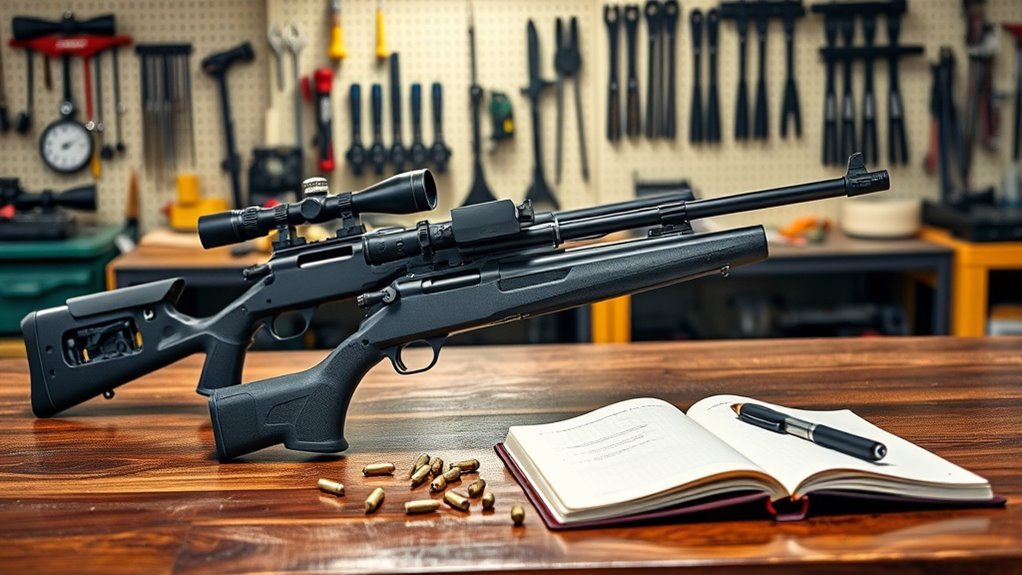
PCP semi-auto airguns use compressed air reservoirs and regulated valves to deliver multiple consistent shots with low recoil and minimal manual cycling. They are valued for fast follow-up shots, steady velocity, and quieter operation than many spring-powered guns. Buyers should compare caliber, shot count, weight, ergonomics, and whether the rifle is regulated. Fill method compatibility matters too, since hand pumps, SCUBA tanks, and compressors affect convenience and cost, and more details clarify which model fits the intended use.
Key Takeaways
- PCP semi-auto airguns use high-pressure air for fast follow-up shots, low recoil, and consistent velocity.
- They usually offer dozens of shots per fill, making them efficient for target shooting and varmint control.
- Compared with break-barrel airguns, PCP models are faster to shoot and generally more accurate shot-to-shot.
- Choose caliber based on use: .177 for precision targets, larger calibers for heavier game.
- Check regulator type, weight, ergonomics, and refill compatibility with pumps, SCUBA tanks, or compressors before buying.
What Is a PCP Semi-Auto Airgun?
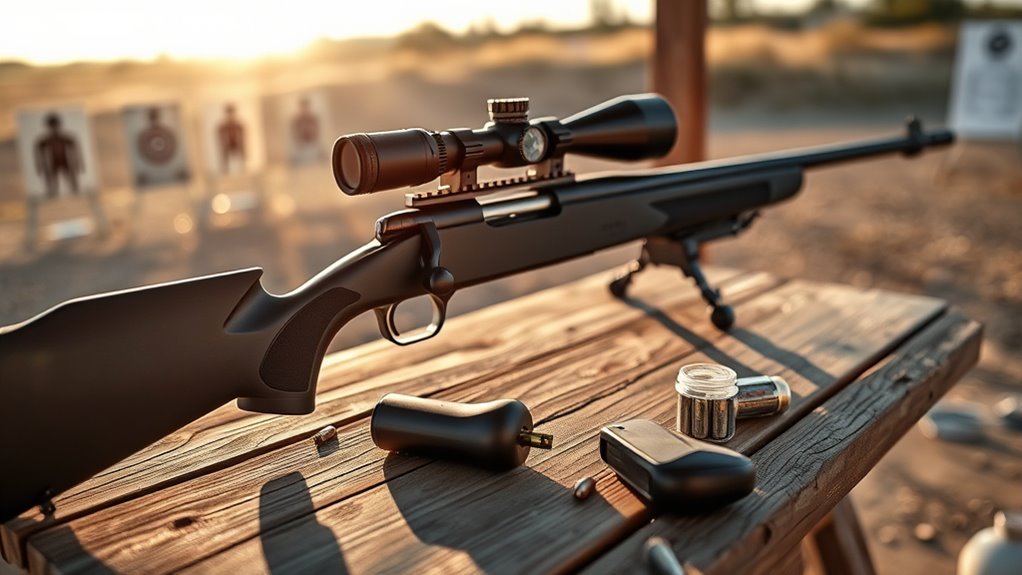
A PCP semi-auto airgun uses compressed air stored in a high-pressure reservoir to fire successive shots with minimal delay between each discharge.
In PCP air systems, the Pre-Charged Pneumatic format supports repeated firing from a single fill, giving the platform a practical role in field use and disciplined target work.
A regulated valve system is often employed to keep pressure output stable, which helps preserve consistency in velocity, point of impact, and shot-to-shot performance.
Many models deliver dozens of shots before replenishment is needed, reducing interruption during extended sessions.
Many models deliver dozens of shots before replenishment is needed, minimizing interruption during extended sessions.
The low-recoil design supports steadier control under rapid fire, while integrated suppressors may reduce report for quieter operation.
As a result, the format combines efficiency, consistency, and discretion in a compact mechanism.
How PCP Semi-Auto Airguns Work
PCP semi-auto airguns operate from a high-pressure reservoir that supplies compressed air to the firing system.
A regulated valve meters this air to cycle the action automatically, chambering the next pellet after each discharge.
This mechanism supports rapid follow-up shots with consistent velocity and minimal manual intervention.
PCP Air Supply
At the heart of a PCP semi-auto airgun is a high-pressure reservoir, typically charged to around 3,000 to 4,500 PSI, which stores the compressed air needed to cycle the action and propel successive shots.
In PCP airguns, this high-pressure reservoir supplies energy with little recoil, supporting controlled strings of fire. The regulated valve system meters air output, promoting consistent velocity and practical accuracy.
- Fill options include hand pumps, SCUBA tanks, and compressors, each balancing autonomy, cost, and convenience.
- Calibers range from .177 target models to .35+ hunting setups, extending operational flexibility.
- Stable air delivery reduces shot-to-shot variation, giving the shooter more freedom from mechanical noise and recoil.
Semi-Auto Cycling
Because the action is driven by regulated bursts of compressed air, semi-auto PCP airguns can cycle after each shot without manual cocking or bolt operation. This valve control releases a measured pulse, keeping output stable across multiple shots and preserving accuracy. The mechanism often uses a push or pull transfer system, letting PCP airguns fire in rapid succession with minimal effort.
| Feature | Effect |
|---|---|
| Regulated valve | Consistent power |
| Low recoil | Easier control |
| Multi-shot fill | Dozens of shots |
| Integrated suppressor | Reduced report |
For shooters seeking freedom from repetitive loading, the semi-auto design supports efficient strings of fire while remaining quiet, precise, and mechanically straightforward.
Why Choose a PCP Semi-Auto Airgun?
PCP semi-auto airguns are selected for their rapid firing cycle, which supports quick follow-up shots without manual reloading interruptions.
Their regulated air delivery and minimal recoil help preserve shot-to-shot consistency, improving practical accuracy in both target and field use.
This combination of speed and control makes them technically well-suited for applications requiring efficient, precise shot placement.
Speed And Follow-Up Shots
Speed matters most when a follow-up shot can be taken instantly, and that is where PCP semi-auto airguns stand out. Their cycling mechanism removes the need to reload after each discharge, preserving speed in hunting and controlled target work.
Models such as the Umarex Gauntlet can send repeated shots from a single charge, sometimes dozens or even hundreds, which supports long sessions without interruption.
- Rapid follow-up shots reduce delay when multiple targets appear.
- PCP semi-auto systems maintain firing rhythm with minimal manual input.
- Integrated suppressors can preserve discretion while sustaining output.
This combination gives the shooter practical independence: fewer pauses, less handling, and more time on target.
In varmint control, that efficiency can be decisive.
Accuracy With Low Recoil
Precision improves naturally when recoil is kept to a minimum, and that is a major advantage of PCP semi-auto airguns. The low recoil profile supports tighter accuracy, since the shooter is not forced to manage disruptive movement after each discharge.
Compressed air supply keeps pressure steady, helping preserve point-of-impact consistency at extended range. Many models sustain multiple shots with little velocity drop, which supports repeatable results across a full string. This mechanical stability is especially relevant for users seeking liberated control over target work or field use.
Some designs also integrate suppressors, reducing report without affecting the firing cycle. With calibers from .177 to .35+, the platform remains adaptable, offering precision-oriented performance for both small game and larger hunting applications.
Best PCP Semi-Auto Airguns for Adults
Among the best PCP semi-auto airguns for adults, models such as the Umarex Gauntlet stand out for combining true semi-automatic operation with PCP consistency. This allows rapid follow-up shots without significant stock adjustment while still delivering eraser-sized groups.
These PCP airguns deliver semi-automatic functionality that supports controlled, repeatable strings with notable accuracy. This makes them practical for adult shooters seeking efficient field use and disciplined range sessions.
- Umarex Gauntlet: around $300, strong value, up to 65 shots per fill.
- High-pressure reservoir platforms: stable pressure, minimal recoil, quiet operation with suppressors.
- Fill options: hand pump, SCUBA tank, or compressor; roughly $10 per tank.
For adults prioritizing performance and autonomy, the best rifles pair modest cost with consistent power delivery. Their regulated air supply helps preserve point of impact across extended shot cycles, while the low recoil impulse improves comfort and shot placement.
PCP Semi-Auto vs Break Barrel Airguns
PCP semi-auto airguns and break barrel airguns differ most clearly in how they cycle, with PCP models such as the Umarex Gauntlet using stored air pressure to enable rapid follow-up shots with minimal recoil, while break barrel rifles require the shooter to cock the barrel or action before every shot.
This distinction shapes handling, cadence, and practical use. A PCP semi-auto supports fast, continuous firing for varmint control and target strings, while a break barrel favors simplicity and portability.
PCP systems usually hold regulated pressure across multiple shots, producing steadier velocity and better accuracy. By contrast, break barrel performance can vary as barrel movement affects the shot cycle.
Break barrel models often weigh less and cost less up front, yet they generally offer reduced power and consistency. PCP semi-auto platforms require higher initial investment and filling equipment, but they can deliver more repeatable output, greater control, and a stronger path toward liberated shooting performance over time.
What to Check Before You Buy
Before buying a PCP semi-auto airgun, the buyer should evaluate the reservoir capacity, because tank size directly affects shot count per fill and determines how practical the rifle will be during longer sessions. Air reservoir capacity should match the intended cadence of fire, whether for field use or extended range work.
- Confirm the caliber aligns with the mission: .177 favors precision target shooting, while larger bores such as .35 support heavier game applications.
- Compare regulated models with unregulated designs; regulated models generally hold velocity steadier, supporting repeatable accuracy and reducing the need for manual correction.
- Assess weight, balance, and ergonomics, since liberated, sustained shooting depends on a platform that remains manageable and efficient over time.
Compatibility with available filling equipment should also be verified, including pumps, SCUBA tanks, or compressors, so the system remains practical and self-sufficient.
How to Fill a PCP Airgun
Once the rifle’s reservoir capacity, caliber, regulation, and handling characteristics have been evaluated, the next practical step is understanding how the system is filled.
PCP airguns accept air through a filling process that may use a hand pump, a SCUBA tank, or a high-pressure compressor. SCUBA tanks are often preferred because they combine convenience with efficient transfer. Hand pumps remain economical, yet they demand substantial physical effort, especially as pressure climbs.
Typical fill levels range from 3,000 to 4,500 PSI, and reaching that range is necessary for stable shot strings and consistent performance. When selecting a compressor, it should be rated specifically for high-pressure air to reduce wear and prevent poor fills.
Typical fill levels range from 3,000 to 4,500 PSI for stable shot strings and consistent performance.
Before firing, the pressure gauge should be checked to confirm adequate charge. Operating below target pressure can degrade accuracy, reduce output, and limit the airgun’s intended performance.
Smart Buying Tips for PCP Semi-Autos
A well-chosen PCP semi-auto should be matched to its refill method, since hand pumps, SCUBA tanks, and high-pressure compressors each impose different levels of cost, effort, and convenience. A PCP semi-auto with a regulated action is often preferred because stable velocity supports tighter groups and repeatable performance.
- Evaluate the air reservoir capacity; a larger tank, such as systems offering about 65 shots per fill, extends freedom between refills.
- Match caliber to purpose: .177 suits target work, while larger bores serve hunting roles where impact energy matters.
- Weigh portability against steadiness; lighter rifles move easily in the field, while heavier designs can damp recoil but reduce mobility.
Selection should also reflect maintenance access, fill equipment availability, and the user’s intended range of use.
A practical buy balances autonomy, precision, and efficient resupply, letting the shooter act with minimal dependence and maximal control.
Frequently Asked Questions
What Are the Disadvantages of a PCP Air Rifle?
Disadvantages of a PCP air rifle include Maintenance challenges, Cost considerations, and Weight issues. It also requires air refills, pressure-management knowledge, and periodic seal inspection, making operation less portable, more complex, and less convenient overall.
What Is the Best Semi-Automatic PCP Air Rifle?
The Umarex Gauntlet is often regarded as the best semi-automatic PCP air rifle, combining pneumatic technology, accurate rapid fire, and practical value. Its shooting experience is quiet, recoil-free, and supported by essential maintenance tips.
Which PCP Air Gun Is the Most Accurate?
The most accurate PCP air gun is typically a regulated, match-grade model; like a scalpel in skilled hands, it excels in precision shooting. Accuracy still depends on pellet selection and maintenance tips, plus shooter consistency.
What Is the Best PCP Air Rifle for a Beginner?
The Umarex Gauntlet is often the best beginner PCP air rifle, combining regulated consistency, magazine-fed ease, and low recoil. Useful beginner tips include budget options and maintenance basics, plus a compressor or tank investment.
Conclusion
In the end, PCP semi-auto airguns stand apart for their rapid follow-up shots and steady power, yet they also demand more equipment, more maintenance, and more careful setup than break-barrel models. Their efficiency is matched by complexity; their convenience is balanced by filling requirements. For adult buyers, the best choice depends on purpose, budget, and experience. A well-matched PCP semi-auto rewards precision and speed, while a poor purchase quickly exposes its mechanical and logistical demands.
