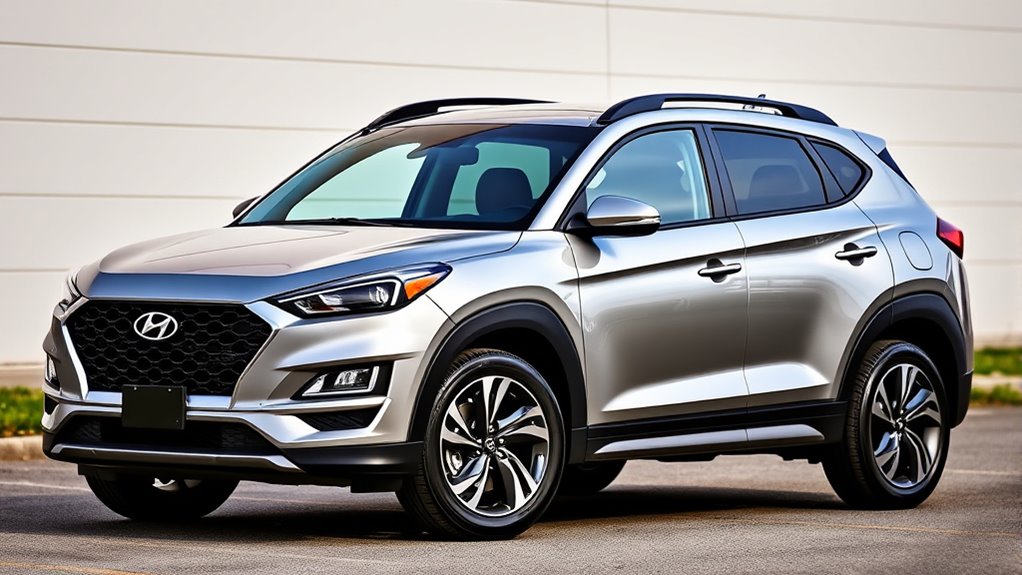
Hyundai Tucson 2025 N Line S roof bars can be a practical upgrade if the fit is correct and the load needs are clear. Designed for Tucson models from 2022 to 2026, they offer a stated 165 lb capacity and an aerodynamic shape that should limit drag and noise. The main questions are whether OEM or aftermarket bars suit the vehicle best, and how much roof clearance remains once they are installed.
Are Hyundai Tucson Roof Bars Worth It?
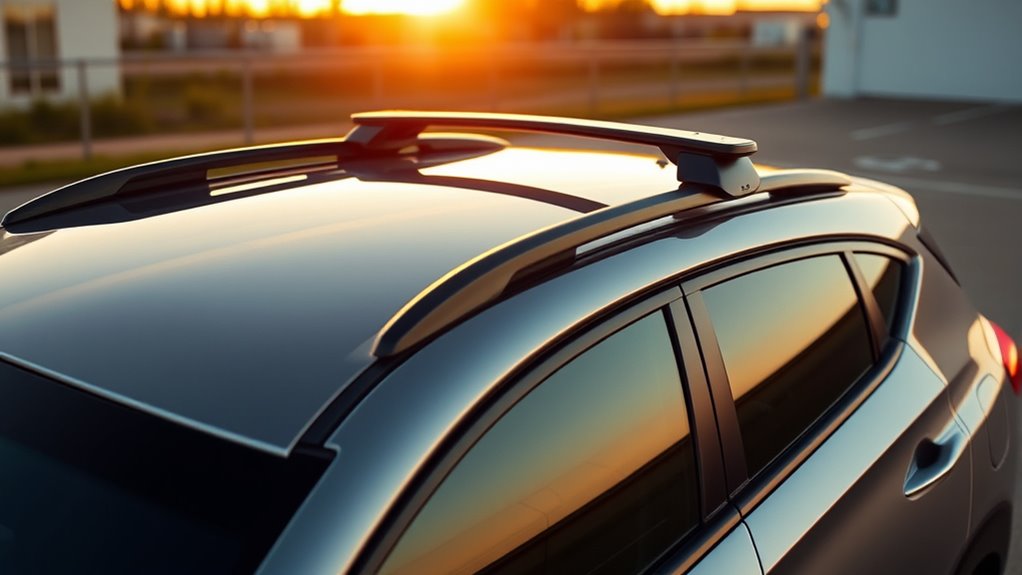
Yes—Hyundai Tucson roof bars are generally worth it for owners who need extra carrying capacity and flexibility. They expand the vehicle’s utility by adding space for gear, outdoor equipment, bike racks, and cargo boxes, which supports more independent travel.
When load is distributed evenly, the system supports a 165-lbs weight limit, giving practical room for many common hauling needs. The bars are also engineered for Hyundai Tucson models from 2022 to 2026, with roof side rails providing a secure mounting base and a stable fit.
Their aerodynamic shape helps reduce wind resistance and cabin noise, which can preserve comfort and efficiency on longer drives. Quality roof bars may also help shield the roof from damage caused by direct loading.
For owners seeking versatility without sacrificing order or control, they offer a disciplined, adaptable transport solution.
Check 2026 Tucson N Line Fitment
For owners considering the 2026 Tucson N Line, fitment should be confirmed against roof bars made for 2022–2026 Tucson models with flush side rails. Correct fitment supports secure mounting, preserves vehicle function, and helps keep loading simple and independent. The low-profile, aerodynamic design of compatible roof bars can reduce wind resistance and cabin noise, while also maintaining a clean look.
| Checkpoint | What to verify | Why it matters |
|---|---|---|
| Model range | 2022–2026 Tucson | Guarantees compatibility |
| Rail type | Flush side rails | Matches mounting system |
| Load limit | 165 lbs evenly distributed | Protects structure |
| Sunroof clearance | OEM guidance | Avoids interference |
| Inspection | Regular maintenance | Preserves safety |
Before installation, OEM guidelines should be reviewed carefully, especially if a sunroof is present. After fitting, periodic inspections help verify that the roof bars remain secure and free from wear, supporting safe cargo use and dependable fitment.
Best Budget Roof Bars for the Tucson
Budget roof bars for the Tucson should balance cost, fitment, and durability, especially on the 2026 Hyundai Tucson N Line with flush side rails.
The Aluminum Roof Rack Cross Bars stand out as a budget-friendly choice, supporting up to 165 lbs when the roof rack load is spread evenly. That capacity suits light cargo, freeing space inside the cabin without excessive expense.
Budget-friendly Aluminum Roof Rack Cross Bars support up to 165 lbs for light cargo and everyday use.
Fitment depends on correct attachment points and recommended crossbar spacing, which helps preserve handling and reduces stress on the body structure.
For drivers seeking a more refined setup, the Thule WingBar Edge offers an aerodynamic profile and strong construction, though its $649.85 price places it beyond true budget territory.
Compatibility with flush side rails remains the key factor, and both OEM and aftermarket options can serve if installation is secure.
Regular checks for wear, tightness, and weight distribution help maintain safety and extend service life.
OEM vs Aftermarket Roof Bars
OEM roof bars for the Hyundai Tucson are engineered for exact fitment, making them a straightforward choice for models with factory flush side rails and often backing that fit with manufacturer warranty coverage.
OEM Roof Bars suit drivers who want a controlled, factory-aligned solution with minimal guesswork. Their installation is usually direct, and compatibility is predictable, which reduces friction for owners seeking a clean, liberated setup without unnecessary adjustments.
Aftermarket Roof Bars broaden choice. They offer more styles, pricing tiers, and customization, so users can select a setup that better matches personal preference or budget.
That freedom comes with tradeoffs: fitment, installation effort, and hardware quality may vary across brands. Some require extra tools or small adjustments.
Cost often favors aftermarket options, yet OEM parts may deliver stronger confidence in finish and compatibility. For many Tucson owners, the decision rests on balancing affordability against precision and ease.
What Tucson Roof Bars Can Carry Safely
The 2026 Hyundai Tucson N Line roof bars are rated to carry up to 100 kg (220 lbs) when the load is distributed evenly across the bars.
Proper weight balance helps maintain vehicle stability and reduces stress on the mounting points.
Cargo should be secured firmly and kept within the roof dimensions to limit movement, wind lift, and damage risks.
Safe Load Limits
Hyundai Tucson roof bars are rated to carry up to 100 kg (220 lbs) on the 2026 Tucson N Line, with the load distributed evenly across both bars for safe transport.
These safe load limits define the maximum weight the system can manage without undue stress. Exceeding the limit can damage the vehicle, reduce handling stability, and create avoidable risk during travel.
Cargo should be secured firmly, kept within the roof’s dimensions, and positioned so it does not interfere with sunroof function.
Routine inspections of the rack, fasteners, and cargo are recommended during transit to confirm compliance with weight guidelines.
Respecting the stated capacity preserves performance, supports safe movement, and allows practical freedom for carrying gear.
Even Weight Distribution
Even with a 100 kg (220 lbs) maximum load limit, Tucson roof bars carry gear safely only when the weight is spread evenly across both bars and kept balanced on the rack.
This even weight distribution protects handling, preserves the load capacity, and reduces stress on mounts. Heavier items belong closer to the vehicle’s center, where they are less likely to shift.
- Place dense cargo centrally.
- Spread lighter items outward.
- Secure straps before travel.
- Recheck the load during stops.
Uneven loading raises the center of gravity, which can increase rollover risk in sharp turns or sudden maneuvers.
A balanced setup supports stable movement and helps the driver maintain control without unnecessary restriction.
How to Install Roof Bars on a Tucson
Installing roof bars on a 2025 Hyundai Tucson N Line begins with confirming that the vehicle has flush side rails and selecting crossbars that match the factory mounting points.
The crossbars should be aligned evenly on the rails, then secured with the supplied clamps and tools according to the manufacturer’s instructions.
After tightening all bolts to the specified torque, the installer should verify that the bars are level and perform a light-cargo test to confirm stability and sunroof clearance.
Choosing Compatible Crossbars
For the 2025 Tucson N Line S, crossbars should be selected specifically for the 2022–2026 Hyundai Tucson with flush side rails to guarantee proper fit and secure mounting. Compatibility depends on vehicle-specific clamps, rail spacing, and the cross bars profile. Generic hardware can compromise stability and create noise.
- Verify fitment for Tucson N Line S
- Confirm a 165 lb load limit
- Choose even-load, low-profile bars
- Check clamp and fastener design
Well-matched crossbars support freedom to carry gear without excess bulk. Weight should be distributed evenly to preserve handling and reduce stress on the roof system.
Manufacturer guidance should be matched to the chosen kit, and regular inspection remains essential after travel. Carefully selected cross bars deliver reliable compatibility and lasting performance.
Safe Installation Steps
A proper roof bar installation on the 2025 Hyundai Tucson N Line begins with confirming that the vehicle has flush side rails, since this is required for a secure fit.
The installation steps then move to cleaning the roof area and side rails, removing dirt or grit that could compromise contact.
Next, the roof bars are aligned to manufacturer specifications, with crossbars set evenly and attached directly to the rails.
Clamps and bolts are then tightened firmly, following the recommended torque values so the system remains stable under load.
After setup, the roof bars should be checked regularly, especially before trips, to confirm tightness and safety.
This method supports secure transport while preserving control and independence.
Cut Wind Noise and Fuel Use
The Hyundai Tucson 2025 N Line roof bars are shaped to reduce drag, which can lower wind noise and improve highway fuel economy by about 1–2 mpg. This low-profile design helps cut wind noise and supports better fuel use at steady speeds, giving drivers a quieter, freer drive on open roads.
- Aerodynamic crossbars create less resistance than bulky racks.
- Reduced drag can ease engine strain during long highway runs.
- Lower noise levels improve cabin comfort at higher speeds.
- Regular cleaning and inspection keep performance consistent.
When installed correctly, the bars preserve balanced handling while limiting turbulence over the roofline. Their compact form is especially useful for drivers seeking efficiency without excess bulk.
For those who value mobility and control, the design offers a practical compromise: less noise, less drag, and more efficient travel with minimal sacrifice in everyday use.
Keep Cargo Secure on Long Drives
Low-drag roof bars support efficient highway travel, but long-distance trips also depend on how firmly cargo is secured. High-quality tie-downs keep items from shifting, which helps maintain stability and prevent damage on the road. Weight should be spread evenly across the roof and kept within the 100 kg limit.
| Checkpoint | Action | Result |
|---|---|---|
| Tie-downs | Use rated straps | Less movement |
| Load spread | Balance weight | Better control |
| Load size | Stay within roof dimensions | Lower risk |
| Road checks | Inspect often | Fewer surprises |
| Driving | Slow for turns | Stable handling |
Before departure, all fasteners should be tightened, and large items should not extend beyond the roof area. During the drive, cargo should be monitored and adjusted if needed. A calmer pace, especially on curves or in gusts, helps preserve control and protect both vehicle and load.
Avoid Sunroof and Clearance Issues
Careful roof bar placement is essential on the 2025 Hyundai Tucson N Line so the sunroof can open and close without obstruction. The setup should preserve sunroof clearance and keep the cabin free for open-air driving. A measured approach supports freedom without compromising function.
- Position crossbars at least 6 inches from the sunroof edge.
- Verify total rack height against garage and low-overhang clearance.
- Test full sunroof travel after installation for any contact points.
- Load cargo so large items avoid the sunroof zone and respect the roof weight limit.
Precise fitting reduces noise, wear, and interference. It also prevents the crossbars from limiting movement when the sunroof is tilted or retracted.
Before any trip, the owner should confirm that both bar spacing and vehicle clearance remain within safe limits. This guarantees the roof system works cleanly, and the vehicle stays ready for unrestricted use.
Frequently Asked Questions
What Roof Racks Are Compatible With My Hyundai Tucson?
Compatible roof racks for the Hyundai Tucson include flush-rail cross bars, raised-rail systems, and vehicle-specific aerodynamic bars.
The Aluminum Roof Rack Cross Bars suit 2022–2026 models with flush rails, while the Thule WingBar Edge fits raised rails.
Proper roof rack types should match the mounting style exactly.
Installation tips include checking load limits, distributing weight evenly, and using locking hardware to protect freedom of movement and security.
How Do I Know if My Roof Bars Will Fit My Car?
Fit depends on the car’s roof rail type, crossbar spacing, and the bar’s load rating.
Like a key seeking its matching lock, the right system aligns with manufacturer specifications. He or she should check the owner’s manual, measure attachment points, and confirm compatibility with roof bar materials.
Practical installation tips include tightening to spec and verifying clearance.
If the vehicle’s maximum load is exceeded, the bars are unsuitable.
Can You Put Roof Racks on a Hyundai Tucson?
Yes, roof racks can be put on a Hyundai Tucson when the rack matches the vehicle’s rail type and model year.
Proper fit gives practical roof rack benefits: extra cargo space, easier transport, and greater versatility.
Installation tips include checking compatibility with the specific trim, following the manufacturer’s torque and load instructions, and keeping weight within the typical 165 lb limit.
Secure mounting preserves safety and handling.
Which Hyundai Tucson to Stay Away From?
The safest caution is usually aimed at the most troubled trims, not the flashy ones that promise freedom.
Hyundai Tucson reliability and Hyundai Tucson reviews suggest avoiding versions with reported infotainment lag, firm suspension, weak cargo space, or noisier engines under load.
A hybrid may be less suitable for those needing maximum storage.
Detachment helps: the best choice is the one whose flaws do not quietly dictate daily use.
Conclusion
Hyundai Tucson 2025 N Line S roof bars appear to be a practical choice for drivers needing extra carrying space. They are designed to fit Tucson models from 2022 to 2026, which supports good compatibility and a secure install. Their 165 lb capacity covers most everyday cargo needs. Like a well-tailored suit, the aerodynamic shape balances function and appearance, while also helping reduce wind noise and drag during travel.

