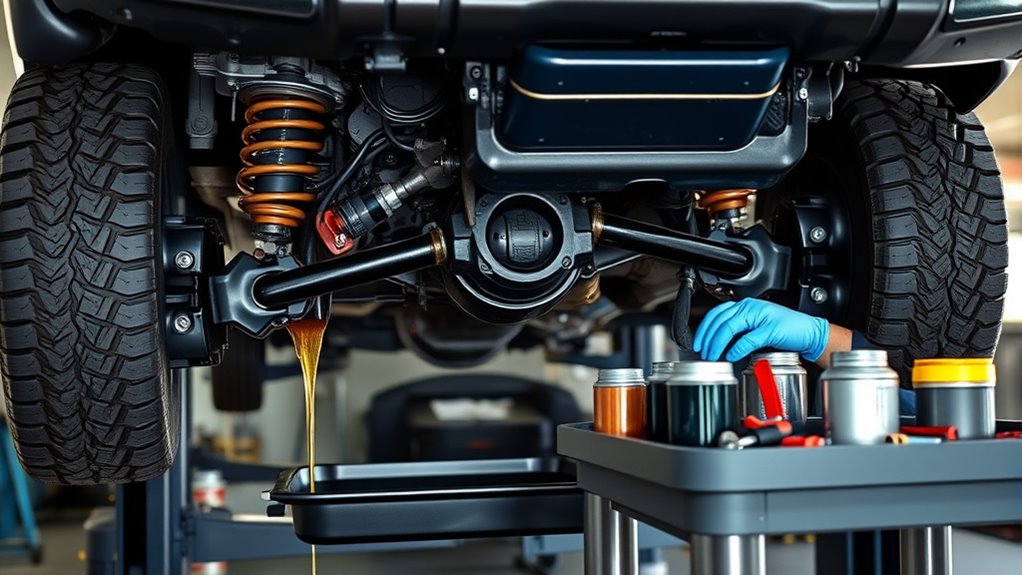
At 75,000 miles, a 2016 Toyota Tacoma Off Road starts to demand closer attention. Fluids, brakes, belts, plugs, and drivetrain wear all become part of the equation. Steering shake, creaks, VVT-i ticking, and fuel economy changes can point to deeper issues. Some owners can handle the work themselves; others may prefer a shop. The next steps depend on what is found during inspection.
Tacoma 75,000-Mile Service Checklist
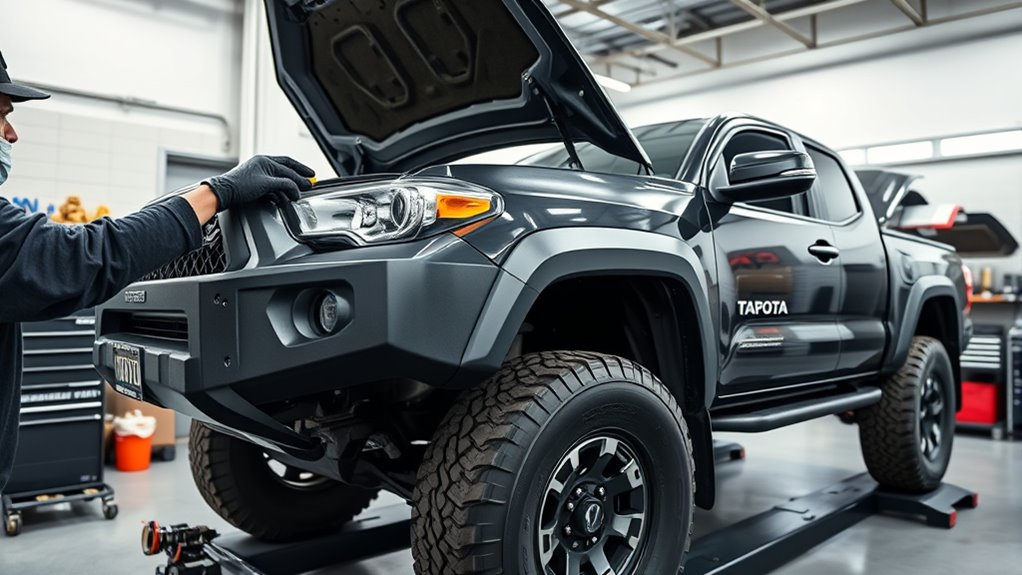
At 75,000 miles, the 2016 Toyota Tacoma should receive a thorough service inspection that includes transmission fluid, differential fluid, and transfer case oil to confirm proper lubrication and drivetrain performance.
This Toyota Tacoma Maintenance interval also calls for spark plug replacement if service has been delayed, since worn plugs can reduce combustion efficiency and throttle response.
Tire rotation and brake inspection support even wear, dependable stopping power, and safer operation on uneven terrain.
The engine air filter should be examined and replaced if restricted, because airflow loss can impair fuel economy and drivability.
The VVTi system also merits scrutiny for ticking noises, a symptom that may indicate developing mechanical concerns.
A disciplined maintenance approach preserves mechanical integrity, supports independent travel, and reduces the risk of avoidable failure.
Each item should be documented, completed to specification, and verified during road testing after service.
Tacoma Fluids to Change at 75,000 Miles
By 75,000 miles, the Tacoma’s fluid service should include an engine oil and filter change, with oil ideally replaced at 5,000-mile intervals to preserve engine protection and performance. This schedule supports stable lubrication, reduced wear, and consistent output for drivers who depend on mechanical autonomy.
Transmission fluid should be inspected and replaced if degradation, discoloration, or shifting irregularity is present. Fresh differential fluid is also required to maintain axle lubrication, control heat, and protect gear surfaces under load.
The transfer case must be checked and renewed to sustain reliable four-wheel drive engagement and limit internal wear. Brake fluid should not be ignored; it absorbs moisture over time, lowering boiling point and compromising hydraulic response.
Together, these fluid services preserve efficiency, durability, and control without unnecessary intervention. A disciplined approach to oil every 5,000 miles and scheduled drivetrain maintenance keeps the Tacoma prepared for demanding use.
Inspect Tacoma Brakes, Belts, and Plugs
Brake service should be inspected carefully at 75,000 miles, with pads and rotors checked for wear, uneven contact, or reduced thickness that could compromise stopping performance.
The brake pads should be measured against service limits, and the entire system should be evaluated for leaks, contamination, or abnormal noises that may signal hidden faults.
Brake pads should be measured against service limits, with the system checked for leaks, contamination, or abnormal noises.
Brake fluid should also be examined; if it appears dark or contaminated, replacement is warranted because moisture absorption reduces hydraulic efficiency and control.
Belts deserve close inspection for cracks, fraying, glazing, or slack, since compromised tension can reduce engine reliability and limit mechanical freedom.
Spark plugs should be replaced if they have not been serviced near the recommended 30,000-mile interval, because worn electrodes can diminish combustion quality, fuel economy, and throttle response.
Together, these checks preserve dependable braking, efficient operation, and the owner’s ability to travel with confidence and independence.
Diagnose Tacoma Steering Shake and Creaks
A steering wheel shake in a 2016 Toyota Tacoma, even after tire balancing and alignment correction, can indicate worn rotors or deteriorated suspension components that require inspection.
At 75,000 miles, the steering and front suspension should be evaluated without delay, because small faults can reduce control and freedom on the road.
Creaking over bumps often points to bushings, control arms, or struts losing integrity. Prompt diagnosis limits secondary damage and preserves dependable handling.
- Front wheels vibrating at highway speed
- Dry creak from the suspension over rough pavement
- Loose control arms under load
- Strut movement with visible wear
- Rotors showing uneven contact or heat marks
A methodical inspection of suspension components, steering joints, and brake hardware helps isolate the source of the steering wheel shake.
When these signs are addressed early, the Tacoma remains safer, quieter, and ready for demanding use.
Track Down VVT-I Ticking and Poor MPG
VVT-i ticking in a 2016 Toyota Tacoma often traces back to dirty or degraded engine oil, so timely oil changes are one of the first checks when top-end noise appears. Fresh, correct-spec oil supports cam phaser operation and can reduce VVT-i ticking that otherwise suggests neglected lubrication.
If fuel economy has fallen to about 13 mpg, attention should shift to wear items that limit combustion efficiency. Old spark plugs, especially beyond 30,000 miles, can weaken spark quality and raise consumption. A restricted engine air filter can further choke airflow, so replacement may improve fuel efficiency immediately.
Transmission fluid should also be inspected; low or contaminated fluid can produce harsh shifts and jerking that waste energy. Suspension or bushing wear should not be ignored, because creaks often indicate alignment or load-distribution issues that subtly reduce fuel efficiency.
Addressing these systems restores smoother operation, frees performance, and supports dependable trail and highway capability.
DIY or Shop for Tacoma Service?
Choosing between DIY maintenance and professional shop service for a 2016 Toyota Tacoma at 75,000 miles depends primarily on mechanical skill, available tools, and the complexity of the task. Simple inspections and fluid top-offs may suit DIY maintenance, while spark plug replacement or transmission fluid checks demand greater precision.
Proper torque, clean work practices, and quality parts protect long-term reliability. However, labor savings can vanish if specialized tools must be purchased or mistakes require correction.
Proper torque and clean work preserve reliability, but tool costs and mistakes can erase DIY savings.
- A jack stand under a lifted Tacoma
- Fresh plugs laid beside a socket set
- Fluids measured in clear graduated containers
- A dealership bay with scan equipment
- An owner’s manual open to service intervals
Professional shop service, especially at a Toyota dealership, provides calibrated equipment and factory-aligned procedures.
For those seeking mechanical independence, manuals and forum guidance can support informed work. For others, trained technicians reduce the risk of overlooked maintenance items and preserve vehicle integrity.
Frequently Asked Questions
What Maintenance Does a Toyota Tacoma Need for a 75K Mile Service?
A Toyota Tacoma at 75,000 miles typically needs an oil change, tire rotation, spark plug replacement, and inspection of transmission, differential, and transfer case fluids.
Brake pads, rotors, steering, and suspension components should be examined for wear or abnormal vibration. If shifting is harsh or jerky, fluid service is prudent.
This maintenance regimen preserves mechanical autonomy, extends drivetrain life, and supports safe, efficient operation without unnecessary dependency on avoidable repairs.
What Is Included in a 75000 Mile Service?
A 75,000 mile service includes engine oil and filter replacement, spark plug inspection or replacement, brake inspection, tire rotation, and fluid replacement for transmission, differential, and transfer case systems.
It also typically covers suspension, bushings, steering components, and VVTi noise checks.
This maintenance supports mechanical reliability, reduces wear, and preserves independent, self-directed mobility through disciplined preventive care rather than reactive repair, keeping the vehicle ready for demanding use and continued freedom.
What Does the 80,000 Mile Service on a Toyota Tacoma Include?
An 80,000-mile Toyota Tacoma service includes brake inspection, fluid checks, filter replacement, spark plug replacement if needed, and drivetrain lubrication.
A plausible theory is that disciplined maintenance preserves mechanical autonomy by preventing avoidable failure. Technicians typically inspect transmission, differential, and transfer case fluids, suspension, steering, and tire maintenance needs.
Replacing the engine air filter and cabin filter supports engine performance, while monitoring wear items helps sustain safe, independent operation.
How Much Does a 60,000 Mile Service for a Toyota Tacoma Cost?
A 60,000-mile Toyota Tacoma service typically costs $300 to $600. Cost factors include dealership labor rates, parts quality, and whether fluid replacements are added.
Service intervals usually cover oil and filter changes, tire rotation, brake inspection, and key fluid checks. If transmission, differential, or transfer case fluids are changed, the total rises.
Independent shops often reduce expense while preserving proper maintenance, supporting practical freedom from unnecessary dealership pricing.
Conclusion
At 75,000 miles, the 2016 Toyota Tacoma Off Road benefits from systematic inspection and fluid renewal to preserve drivetrain integrity, braking performance, and steering precision. Addressing wear items, diagnosing shakes or creaks, and investigating VVT-i ticking or poor fuel economy helps prevent minor faults from becoming costly repairs. Whether completed in a shop or by a skilled owner, this service acts like a tune-up for the truck’s backbone, sustaining reliability for demanding terrain and long-term use.

