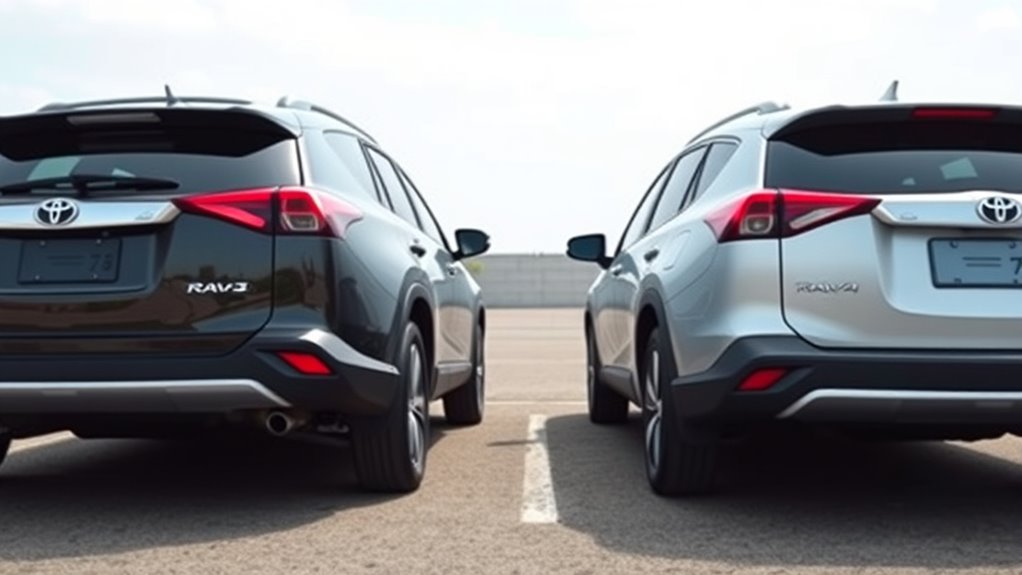
Newer RAV4 models are slightly shorter than the 2013 version, though the difference is small. The 2019 RAV4 measures 180.9 inches in length, compared with 181.1 inches for the 2013 model. That modest change reflects a shift toward easier city driving and tighter parking. The question is whether the shorter body also changes comfort, cargo room, or overall practicality in ways worth noticing.
Are Newer RAV4s Shorter Than the 2013 Model?
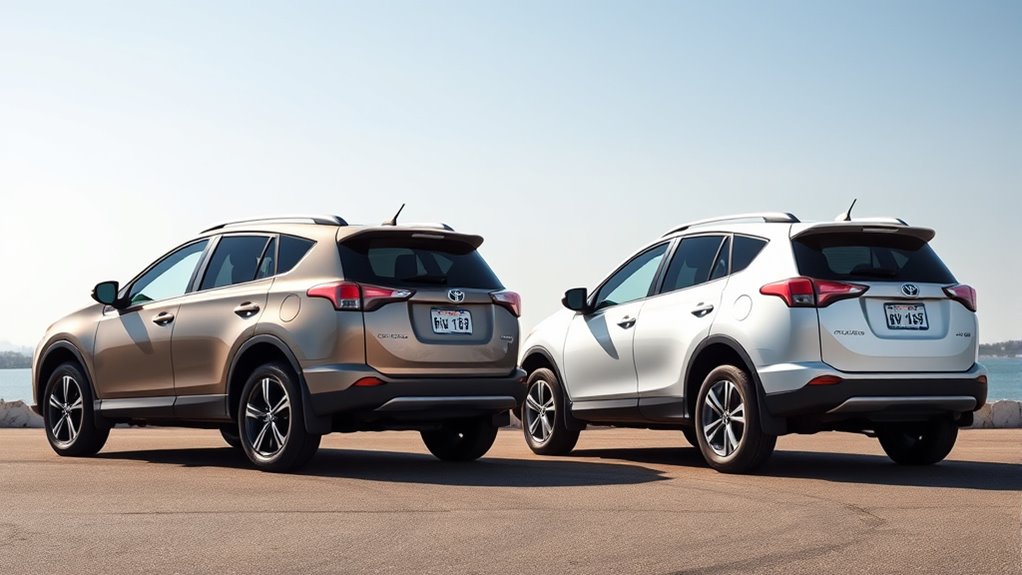
Yes—some newer Toyota RAV4 models are slightly shorter than the 2013 version. The 2013 RAV4 measures 181.1 inches in overall length, while the 2019 RAV4 comes in at 180.9 inches, showing that newer RAV4s can be marginally reduced in size.
This shift reflects a design direction that favors a more compact, assertive profile rather than a purely larger body. In practical terms, the change in exterior dimensions is small, but it can influence how the vehicle feels in tight spaces and urban settings.
The rear design also contributes to the revised stance, giving newer RAV4s a different visual balance. However, exact measurements vary by model year and trim, so direct comparison remains important.
2013 RAV4 Length, Wheelbase, and Cargo Space
Building on the comparison of exterior size, the 2013 Toyota RAV4 measures 180.9 inches in overall length and rides on a 104.7-inch wheelbase, giving it a stable foundation for both handling and cabin packaging.
That RAV4 length reflects a 205 mm increase over the prior model, while the longer wheelbase supports a more settled ride and efficient interior layout.
The longer wheelbase supports a more settled ride and an efficient interior layout.
In practical terms, the cargo space is sized for flexible use: 38.4 cubic feet with the rear seats raised and 73.4 cubic feet with them folded flat.
The loadspace length reaches 40.4 inches, allowing larger items to fit with less compromise. A top-hinged tailgate also improves access to the rear area, making loading and unloading more straightforward.
Why Toyota Made the New RAV4 Shorter
Toyota shortened the newer RAV4 to improve design efficiency and make the SUV easier to maneuver in urban settings.
The reduced length supports simpler parking and tighter handling without sacrificing cabin or cargo space.
It also helps align the model with consumer demand for more compact, practical crossovers.
Design Efficiency
Design efficiency played a central role in the newer RAV4’s shorter proportions, with the design aimed at improving urban maneuverability and making parking easier in tight spaces.
Toyota used a more compact layout to support fuel efficiency while preserving interior room and passenger comfort. The shorter body also reduced mass, which can improve handling and road agility.
A slimmer profile created a more aerodynamic form, lowering drag and helping fuel economy ratings versus the 2013 model. The result is a modern look that aligns with contemporary tastes and reflects thoughtful design efficiency.
- Compact exterior
- Spacious cabin
- Lower drag
- Lighter weight
- Cleaner silhouette
Urban Maneuverability
A shorter overall length helps the newer RAV4 move more easily through crowded streets and tight parking spaces.
Toyota reduced dimensions to strengthen urban maneuverability, giving the SUV a tighter turning radius for narrow lanes, quick lane changes, and simpler parking.
The updated package delivers a class-leading 10.6-meter turning circle, which supports confident movement in dense traffic.
This design also reflects demand for compact SUVs that preserve versatility while remaining practical in city use.
A streamlined body can aid aerodynamics and reduce drag, which may support fuel efficiency during stop-and-go driving.
For drivers seeking more freedom in urban settings, the shorter RAV4 is engineered to handle congestion with less effort and more precision.
How the Shorter RAV4 Handles in Traffic
Compared with the 2013 version, newer RAV4 models are shorter overall, which improves maneuverability in city traffic and makes them easier to place in tight spaces. This compact design gives drivers a more agile response in crowded streets, where quick adjustments matter.
A shorter turning radius helps the vehicle slip through congestion with less effort, while improved visibility supports safer lane changes and merging. The streamlined shape also adds stability at higher speeds, which can aid on-ramp acceleration and highway entry.
In stop-and-go traffic, the newer layout often feels more responsive, reducing the strain of frequent braking and repositioning.
- Easier gap selection in dense traffic
- Less effort in tight turns
- Better visibility during merges
- Stable behavior at higher speeds
- More responsive feel in slow traffic
What the Shorter RAV4 Means for Cabin Space
The shorter overall length of newer RAV4 models can influence cabin packaging, which may mean less rear seat legroom and reduced cargo volume than the 2013 RAV4. That earlier model used a 104.7-inch wheelbase to support more interior space, helping create a comfortable cabin for passengers and gear. Newer designs may favor a sportier shape, so room distribution can feel tighter, especially in the rear seats.
| Area | 2013 RAV4 | Shorter newer RAV4 |
|---|---|---|
| Rear seats | More legroom | Possibly reduced |
| Cargo area | 38.4/73.4 cu ft | Potentially less |
| Cabin feel | Spacious | More compact |
Such changes can matter for people seeking freedom from cramped travel. A smaller footprint may still serve urban use, but the tradeoff often appears in interior space rather than utility.
Which RAV4 Size Fits Your Driving Needs?
RAV4 exterior length has changed from about 182.3 inches in the 2013 model to around 180.9 inches in newer versions, creating a more compact footprint.
The shorter size can improve city maneuverability and make parking easier, while the similar wheelbase helps preserve balanced handling and interior space.
Buyers who prioritize cargo and cabin room may still find the larger 2013 model appealing, especially with its stronger space advantage when the seats are folded.
Exterior Length Changes
Across newer model years, the RAV4’s exterior length has remained remarkably steady, with the 2013 model measuring about 181.1 inches and later versions such as the 2019 and 2021 models coming in at roughly 180.9 inches.
This slight shift shows successive generations did not chase smaller dimensions; instead, they preserved usable cabin room and cargo space. The exterior length change is minimal, so the overall footprint feels familiar.
- 2013: about 181.1 inches
- 2019: about 180.9 inches
- 2021: about 180.9 inches
- 38.4 cubic feet behind rear seats
- 73.4 cubic feet with seats folded
This approach supports practical freedom, favoring passengers and load-carrying versatility over size reduction.
City Maneuverability Benefits
For city driving, the 2013 Toyota RAV4’s 181.1-inch length and 10.6-meter turning circle offer a balance of interior space and easy low-speed maneuvering, though newer, more compact models are often better suited to tight parking spaces and crowded streets.
Its dimensions support confident city maneuverability, especially where frequent turns and narrow lanes demand control.
By contrast, newer RAV4 versions emphasize compact design, which can improve parking ease and agility in congested areas. This suits urban driving that favors responsiveness over size.
Drivers should weigh their routes and routines carefully. The 2013 model may suit those who value room and steady handling, while shorter newer models better serve commuters seeking freedom from stress in dense city traffic and limited curb space.
Cargo And Cabin Space
Cargo and cabin space remain closely matched between the 2013 Toyota RAV4 and newer versions, making size differences less important than layout efficiency. Newer models are slightly shorter, yet cargo capacities stay strong at 37.6 cubic feet behind the seats and 69.8 cubic feet with them folded.
- Rear seat legroom stays generous
- Spacious cabin dimensions support daily freedom
- Loadspace length remains highly usable
- Wheelbase consistency preserves passenger comfort
- Versatile storage aids independent travel
The 2013 model’s 104.7-inch wheelbase carries forward in newer RAV4s, helping maintain open seating.
Rear seat legroom, about 38.9 inches in the older model, is still ample in later versions. The load area also remains practical, with little reduction in usable length.
Frequently Asked Questions
Is the New RAV4 Smaller Than the Previous Model?
The new RAV4 is generally not smaller than the previous model. A size comparison shows the overall length remains close to the 2013 version, with design changes focused more on interior space than shrinking the vehicle.
Its wheelbase has stayed consistent, supporting roomy packaging. In objective terms, the newer RAV4 preserves similar exterior dimensions while improving cabin usability, rather than pursuing a reduced footprint or a meaningfully smaller body.
Was 2013 a Good Year for RAV4?
Yes, 2013 was widely regarded as a strong year for the RAV4.
Like a well-cut tool, it offered a practical balance of utility and efficiency.
The 2013 RAV4 performance was solid with a 2.5-liter engine.
The 2013 RAV4 features improved space and aerodynamics, and 2013 RAV4 reliability earned favorable long-term reports.
For drivers seeking dependable mobility and freedom from frequent repairs, it remained a compelling choice.
Which RAV4 to Stay Away From?
The 2013 RAV4 and 2014-2018 models are the ones to stay away from if concerns center on Reliability ratings, Engine performance, and Interior space.
The 2013 has recall worries, while 2014-2018 may suffer liftgate, glare, and reverse-shift transmission issues.
The 2019 redesign is generally the stronger choice, with better handling and fuel efficiency, though slightly less Interior space in some trims.
Which Version of RAV4 Is the Best?
The best RAV4 depends on priorities, but the 2019 and newer Hybrid options often stand out as the strongest overall choice.
They combine solid performance specs, better fuel economy, and upgraded interior features without sacrificing practicality.
For those who value simplicity and proven reliability, the 2013 model remains a respectable option.
Yet for drivers seeking more freedom, efficiency, and technology, newer hybrid RAV4s usually deliver the most balanced package.
Conclusion
In the broad sweep of Toyota’s evolution, the newer RAV4 does stand slightly shorter than the 2013 model—just enough to echo the old lesson that refinement often arrives in small measures. The 2019 RAV4’s 180.9-inch length trims a fraction from the 2013’s 181.1 inches, improving urban ease without sacrificing practicality. For drivers weighing space against maneuverability, the difference is modest, but meaningful, much like a subtle turn of the wheel that changes the whole road ahead.

