A 1968 Mustang with a WR5 plug may need a colder heat range if it shows signs of detonation, plug fouling, or elevated combustion temperatures. Autolite 24 or 25 are common options to contemplate, depending on engine setup and operating load. Plug gap, timing, and fuel mixture also affect heat range choice. The right replacement is not always obvious, and the wrong one can hide a deeper tuning issue.
What Replaces a WR5 in a 1968 Mustang 302
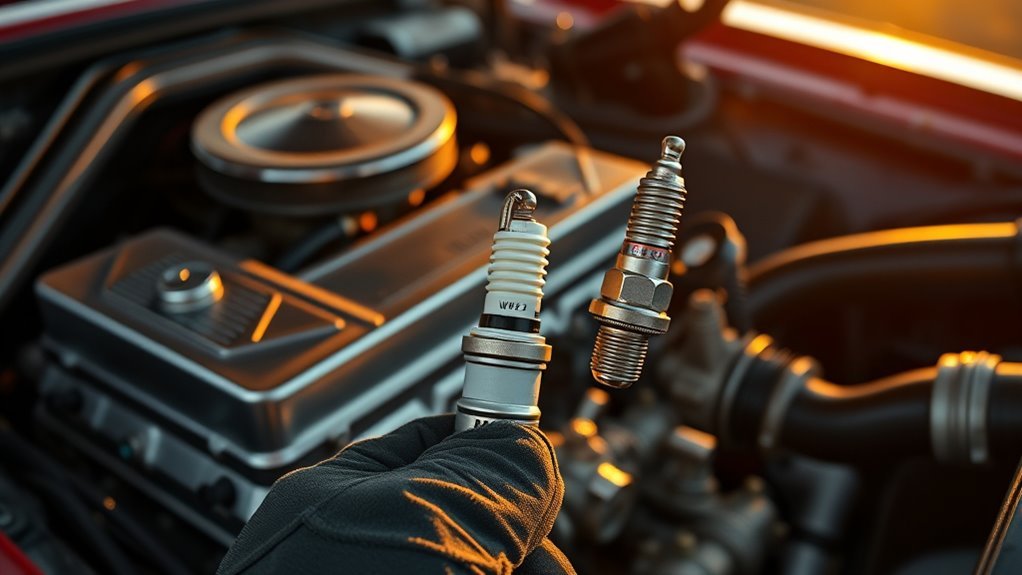
A WR5 in a 1968 Mustang 302 can be replaced with a colder spark plug such as an Autolite 24 or 25 when the engine is operated under higher load, modified conditions, or other high-stress use.
These colder plugs dissipate heat faster, reducing the chance of pre-ignition and detonation when the engine is pushed beyond stock duty. Selection should match the heat range to the build, compression, and intended abuse.
Colder plugs shed heat faster, helping curb pre-ignition and detonation when the engine is pushed hard.
A plug that is too cold may foul; one that is too hot may invite damage. The gap should be checked and set to specification, typically around 0.0205 inches, to preserve reliable ignition.
After installation, engine behavior should be monitored closely. Fuel mixture and timing may need adjustment to keep combustion clean and stable.
Used correctly, colder plugs support freer operation, not constraint, by helping the engine endure load without self-destructing.
Best Colder Spark Plugs for a 1968 Mustang 302
For a 1968 Mustang 302, a colder heat range such as Autolite 24 or 25 is often the practical choice when high load, higher compression, or cam changes raise combustion temperatures.
These plugs are designed to fit the 302 application while shedding heat faster, which helps reduce pre-ignition and maintain stable operation.
Plug selection should still follow the manufacturer’s heat-range guidance, and the gap should be set correctly, typically near 0.0205 inches, for proper ignition performance.
Best Plug Heat Range
Choosing the correct heat range is critical on a 1968 Mustang 302, especially in high-performance or heavy-load use where a colder spark plug can help reduce pre-ignition and detonation.
For this engine, colder plugs such as Autolite 24 or 25 are common choices when WR5 heat range proves too hot. These plugs shed heat faster, support cleaner combustion, and reduce fouling when the mixture runs rich. That keeps the engine free to deliver consistent power without thermal stress.
Timing and air-fuel ratio still must be checked, since a colder range cannot correct bad calibration.
Plug color should be inspected regularly; a clean tan insulator indicates the colder plugs are operating correctly. If deposits or glazing appear, further tuning is needed.
302 Mustang Fitment
On a 1968 Mustang 302, Autolite 24 or 25 colder spark plugs are a practical fit when the engine sees higher compression, aggressive timing, or sustained load.
These colder plugs reduce heat retention at the tip, helping resist pre-ignition and detonation in modified V8 setups.
Gap control matters; about 0.0205 inches is a solid starting point for stable ignition under load.
If the engine idles rough or begins to foul, tuning may need adjustment rather than a hotter plug swap.
Plug color should be inspected regularly for mixture and combustion clues.
Tan, clean electrodes suggest workable calibration; heavy soot or glazing points to correction.
For a liberated, hard-running 302, fitment is not guesswork; it is measured, monitored, and tuned.
How to Match Plug Heat Range to Your 302
Matching plug heat range to a 302 requires choosing a colder plug that sheds heat fast enough to control combustion temperature without causing fouling.
For a 1968 Mustang 302, plugs about two steps colder than OEM, such as Autolite 24 or 25, are often used when the engine runs hotter, sees high compression, or shows detonation under load.
Signs that a colder range is needed include spark knock, overheated electrodes, or inconsistent plug coloration after inspection.
Matching Heat Range
A 302 Mustang benefits from a colder spark plug when the engine is operated under higher loads, elevated compression, or boost, because a lower heat range number sheds combustion heat more effectively than a stock WR5-style plug.
For a liberated, performance-focused setup, colder plugs such as Autolite 24 or 25 can better control chamber temperature and resist pre-ignition and detonation. The match should be made with the full combination in view: compression ratio, induction, timing, fuel quality, and driving demand.
Plug gap should remain compatible with the ignition system, often near 0.0205 inches, rather than opened excessively. Heat range choice is confirmed by inspection; a stable tan or light gray plug supports the tune, while persistent fouling suggests the plug is too cold for the engine’s operating pattern.
Signs You Need Colder Plugs
Signs that a 302 needs a colder plug usually show up in the plugs themselves and in how the engine runs under load.
Excessive carbon on the electrodes, black soot, rough idle, or a plug face that looks bright white or very light gray can point to a heat range mismatch.
Hotter plugs that trigger pre-ignition or detonation are another warning. In these cases, colder plugs shed heat faster and help keep combustion stable, especially in engines with higher compression, added boost, or aggressive timing.
For a 1968 Mustang 302, many builders move two steps colder than OEM to support performance parts and hard driving. That choice gives the engine more freedom to run cleanly without heat stress.
Signs Your WR5 Is Too Hot?
When WR5 plugs run too hot, the evidence often appears in the plug itself and in engine behavior. Among the clearest signs your WR5 is too hot?
Carbon buildup, which can signal heat is driving the plug beyond its ideal range. A bright white electrode also points to lean operation and excessive plug temperature, a condition that can invite damage.
Carbon buildup and a bright white electrode can signal a WR5 plug running too hot.
Rough idling or startup misfiring suggests the plug is not shedding heat efficiently. More serious warning signs include pre-ignition and detonation, both of which punish performance and durability.
For a practical check, inspect the insulator nose; if it stays above 842°F during operation, the plug is likely running too hot. That reading supports a move to a colder plug, giving the engine safer combustion margins and steadier control.
WR5 Vs TR6 Vs Autolite 24/25: Which Fits?
For a 68 Mustang, the WR5 serves as the standard heat range, while the TR6 and Autolite 24/25 are colder choices better suited to modified engines, higher compression, or sustained load.
WR5 is the safe baseline for stock tune, but TR6 drops operating temperature and better resists pre-ignition when the combustion chamber runs hotter.
Autolite 24/25 sits in the same colder-plugs territory, with heat ranges that can support performance use without becoming excessively cold.
The choice depends on compression ratio, fuel, and duty cycle: mild street engines usually stay with WR5, while freer-breathing or harder-driven setups may benefit from TR6 or Autolite 24/25.
These colder plugs can protect power and reliability under pressure, but they are not universal upgrades.
If the engine spends most of its life lightly loaded, excess cooling may invite fouling.
The fit is found by matching heat range to demand, not by chasing the coldest available plug.
Set the Spark Plug Gap for Strong Spark
Once the heat range is matched, the spark plug gap should be set to support a strong, stable spark. For most 1968 Mustang spark plugs, 0.030 inches is the factory baseline, while 0.028 to 0.030 inches often suits colder burning plugs in performance use. A tighter gap can sharpen spark energy and help combustion stay efficient, but the setting should not be pushed so wide that misfire appears. Use a feeler gauge, not guesswork, to hold repeatable accuracy.
| Gap | Effect | Use |
|---|---|---|
| 0.028″ | Stronger spark | Performance street |
| 0.030″ | Factory baseline | Stock or mild setup |
| Wider than spec | Weaker ignition | Avoid unless specified |
Wear and carbon can change the gap over time, so spark plugs should be checked regularly. Precise gap control keeps ignition disciplined and the engine free to respond.
Check Timing Before You Change Plugs
Before changing spark plugs, ignition timing should be verified, because incorrect timing can create poor combustion and hide the real problem.
On a 1968 Mustang 302, the target idle range is typically 10 to 14 degrees before top dead center. A timing light gives the clearest reading, allowing the mechanic to check timing against factory specification rather than guess.
If timing is off, the engine may respond poorly, run less efficiently, and leave the driver chasing plugs that are not the true fault. Adjusting timing first can restore throttle response and improve combustion quality, which matters before selecting a colder plug.
Regular timing checks also protect engine health, since small deviations can raise emissions and reduce performance.
For anyone seeking freedom from unnecessary parts changes, the disciplined path is simple: check timing, set it correctly, then evaluate whether plug replacement is still justified.
That approach saves time and avoids wasted effort, and cost.
Fix Rich Running That Fouls Plugs
If ignition timing is correct and spark plugs still show black, sooty deposits, a rich fuel mixture is a likely cause of fouling on a 1968 Mustang 302. Carbon builds when combustion temperature stays too low to burn fuel residue, often under 842°F.
The engine may show black exhaust tips, a rough idle, and weak throttle response. That condition should be corrected before assuming the plug heat range is wrong. Carburetor circuits need adjustment, and fuel pressure should be verified so excess fuel is not masking the spark.
Inspecting plugs after a short run gives clear evidence: gunked-up electrodes point to richness, while bright white plugs suggest a lean condition.
If the mixture cannot be cleaned up quickly, colder plugs can help shed heat and resist pre-ignition, but they are a support measure, not a cure. The practical path is to tune the fuel system first, then confirm the plugs stay clean.
Frequently Asked Questions
Is It Better to Run a Colder Spark Plug?
Yes, a colder spark plug is better only when the engine demands it. For a higher-compression, modified, or hard-driven setup, it can reduce knock and improve Performance Impact by shedding heat faster.
In a mild street engine, it may cause fouling, rough idle, and weaker combustion. The correct heat range should match load, fuel, and timing, not preference.
Freedom in tuning comes from using the plug the engine actually needs.
What Spark Plug Is Hotter, 5 or 6?
6 is hotter than 5. In Spark Plug Types, the higher number usually indicates a colder plug that sheds heat faster.
A useful statistic: a one-step heat-range change can meaningfully alter combustion temperature under load.
For practical tuning, the operator should choose the plug that matches compression, timing, and driving style.
Freedom from pre-ignition and fouling comes from selecting the correct heat range, not guessing.
Does a Hotter Spark Plug Burn Better?
Not necessarily; a hotter spark plug does not automatically burn better. It can improve Spark Plug Efficiency when an engine needs extra heat to keep the plug clean and firing consistently.
Yet if the heat range is too high, combustion can become unstable, raising detonation or pre-ignition risk. The proper plug frees the engine from compromise: match heat range to tune, load, and temperature, not to assumed “hotter is better” logic.
How to Make a Spark Plug Run Hotter?
A spark plug can be made to run hotter, like a small flame freed from the cold, by choosing Spark Plug Types with a higher heat range, tighter gap, shorter insulator nose, stronger coil, and correct timing.
These changes retain more heat, raise combustion temperature, and improve efficiency. The result is a hotter operating plug, but only within safe limits to avoid preignition, detonation, and engine damage.
Conclusion
For a 1968 Mustang 302, a colder plug than WR5 is often an Autolite 24 or 25, with heat range chosen to match compression, fuel, and load. If the old plug showed soot, detonation marks, or overheating, the swap is justified. The spark gap should be set near 0.0205 inches, and timing checked before blame is placed on the plug. When fuel mixture is corrected, the new plug often appears to solve the issue by coincidence.
