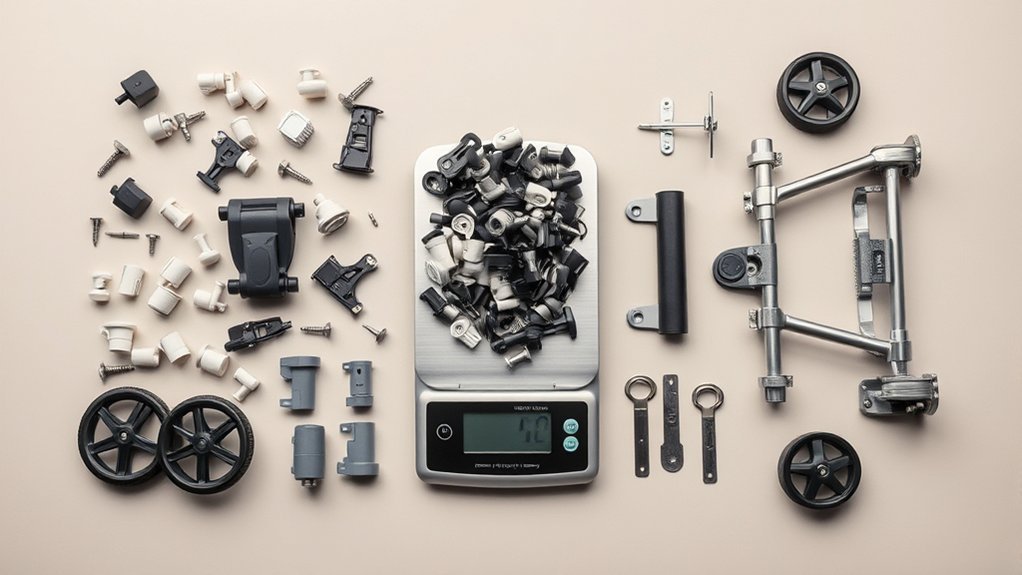
Baby stroller materials shape safety, weight, and long-term durability. Aluminum and steel frames generally outperform plastic by offering better structural reliability, with aluminum lowering carry weight and steel improving stability under heavier use. Safer models pair metal frames with GOTS-certified organic fabrics or OEKO-TEX Standard 100 Class I textiles to limit harmful substances. Buyers should avoid added flame retardants, PFAS, and weak plastic stress points. Material differences become clearer when comparing travel, city, and everyday stroller needs.
Which Stroller Materials Are Safest and Non-Toxic?
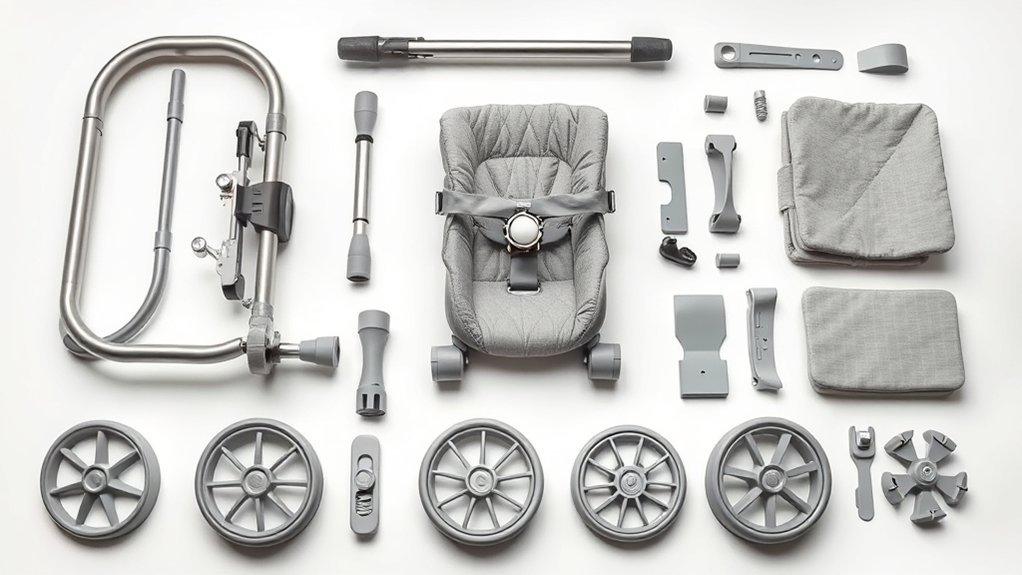
When evaluating which stroller materials are safest and non-toxic, the lowest-risk options typically pair aluminum or steel frames with certified natural fabrics such as GOTS-certified organic cotton, linen, or hemp. This combination reduces chemical exposure while supporting stroller safety through durable materials that resist corrosion, fatigue, and premature failure.
Aluminum frames offer low weight without relying on plastics that may introduce BPA or phthalates. Non-toxic fabrics made from natural fibers also limit contact with toxic dyes, finishes, and other avoidable contaminants.
Aluminum frames reduce weight without added plastic risks, while natural fabrics help limit exposure to dyes, finishes, and avoidable contaminants.
A standards-driven approach prioritizes proof over marketing. Fabrics carrying OEKO-TEX Standard 100 Class I or GOTS-certified organic cotton credentials provide stronger assurance that harmful substances remain restricted.
Equal caution applies to padding and water-resistant treatments: buyers seeking liberation from hidden toxics should avoid added flame retardants and PFAS. Across current evidence, aluminum and steel frames paired with certified non-toxic fabrics present the clearest lower-risk path for everyday infant transport.
Which Stroller Frame Materials Are Best?
Frame material shapes not only chemical exposure but also structural reliability, daily handling, and long-term wear. Evidence favors metal over plastic components when durability and compliance with safety standards are prioritized. Among common options, aluminum frames and steel frames each solve different risk profiles without promising total freedom from tradeoffs.
- Aluminum frames support strong maneuverability, resist corrosion, and suit frequent travel or urban use where repeated lifting matters.
- Steel frames provide greater stability and durability under heavy loads, rough surfaces, and prolonged use, though they reduce portability.
- Plastic components may lower cost, but they are more vulnerable to cracking, deformation, and performance loss over time.
Weight considerations influence control, but frame choice should align with verified testing and intended conditions.
Shoppers seeking liberation from avoidable failure often compare frame strength alongside stroller seats, synthetic fabrics, and natural materials, choosing systems that minimize weak points while preserving consistent performance and confidence.
What Stroller Materials Affect Weight Most?
Weight in a stroller is driven first by structural material, with the frame accounting for the largest share in most designs. From a risk and standards perspective, frame material sets the baseline for stroller weight and transport burden. Aluminum frames reduce mass and support easier lifting, while steel frames increase load because strength comes with density. This tradeoff matters for users seeking freer movement through stairs, transit, and storage constraints.
Beyond the frame, plastic components in joints, trays, and housings can lower stroller weight, although reduced mass may introduce durability concerns under repeated stress. Weight variability also rises when premium models use carbon fiber to combine strength with low mass at higher cost.
Fabric and padding add measurable grams, especially when natural materials such as cotton replace lighter synthetic materials like polyester. Finally, design efficiency determines how well total material use is controlled, minimizing excess without undermining safety, stability, or required function in daily operation.
How Stroller Materials Affect Comfort and Wear
Several material choices determine whether a stroller remains comfortable in routine use or begins to show early wear under repeated loading, cleaning, and weather exposure. In evidence-based assessments of stroller materials, comfort and durability are linked to frame mass, textile breathability, padding chemistry, and maintenance performance.
- Frame balance: aluminum frames reduce weight and improve maneuverability, lowering handling strain, while steel can raise durability but adds mass.
- Surface contact: seat fabrics such as organic cotton or mesh limit heat buildup, supporting comfort during longer rides and reducing sweat-related irritation.
- Padding and hygiene: polyurethane foam exposed to harsh chemical treatments may undermine comfort and safety; removable, machine-washable covers preserve cleanliness and extend service life.
Standards-driven buyers seeking liberation from avoidable risk often favor non-toxic materials, including phthalate-free plastics and natural fibers.
These selections can improve wear resistance, reduce chemical exposure, and support a cleaner, more hygienic seating environment over repeated use cycles for families.
Best Stroller Materials for Travel, City, and Daily Use
When stroller use is matched to environment, material selection becomes a primary control for reducing handling strain, structural wear, and comfort-related failure.
For travel strollers, aluminum frames are generally preferred because their lightweight properties lower lifting demand, improve maneuverability, and reduce transit friction in airports, buses, and stairs. Typical travel strollers weigh about 11 to 15 pounds, which supports faster storage and less fatigue.
For city strollers and daily use, steel frames provide higher durability and greater stability under repeated loading, curb impacts, and rough pavement. The tradeoff is mass; models for daily use often exceed 20 pounds, which can increase carrying burden.
Plastic components may support lower cost and reduced weight, but in joints and connection points they present elevated failure risk under stress.
Fabric materials should also meet practical exposure demands. Breathable options improve thermal comfort, while water-resistant surfaces strengthen usability across changing weather and extended urban routines.
Frequently Asked Questions
How Much Do Baby Strollers Weigh?
Baby strollers generally weigh 10–30 pounds; stroller weight comparison shows lightweight stroller benefits and heavy stroller disadvantages. Stroller material effects influence travel stroller options, folding stroller convenience, durable stroller choices, stroller safety features, carrying capacity considerations.
What Is the Rolls-Royce of Strollers?
Bugaboo is widely regarded as the Rolls-Royce of strollers; evidence cites luxury stroller features, premium materials, stroller safety standards, high end brands, travel friendly options, stroller resale value, eco friendly choices, and performance comparisons.
Which Non-Toxic Baby Stroller Is Best?
The best non-toxic baby stroller is typically judged by non toxic materials and safety ratings, with eco friendly options, durability factors, comfort features, price comparisons, brand reviews, user testimonials, design aesthetics, and warranty details guiding selection.
Are Graco Strollers Heavy?
Yes—like sturdy ships, Graco strollers are often moderately heavy, typically 18–30 pounds. Evidence from Graco stroller reviews cites Graco stroller safety, longevity, features, folding, comparisons, comfort, styles, accessories, and maintenance as compensating factors.
Conclusion
In the end, stroller materials reward boring scrutiny more than flashy marketing. The safest choices tend to be those that meet recognized standards, limit questionable chemical exposure, and balance structural strength with manageable weight. Ironically, the “premium” option is not always the wisest if it adds mass, heat, or wear risk without measurable benefit. For travel, city use, or daily routines, evidence favors materials selected for tested safety, durability, and practical performance—not showroom drama.
