
Cuzmok is a Chinese vacuum brand, but its company ownership and the manufacturing location of an individual vacuum are separate details. If you own a Cuzmok cordless vacuum, knowing where to find support and how to maintain its battery, filters, and floor brush can help you avoid unnecessary repairs. This guide explains the brand’s background and the practical checks that can restore normal performance.
Quick Answer
Yes, Cuzmok is a Chinese vacuum brand. Its US trademark records identify a Chinese owner, and its products are associated with China-based manufacturing. The brand sells cordless vacuum cleaners and provides online troubleshooting support. For existing owners, common problems include battery faults, blocked filters, tangled floor brushes, and restricted airflow.
Key Takeaways
- Cuzmok’s US trademark is associated with a Chinese company, but individual product labels provide more specific manufacturing information.
- Use the original charging adapter and disconnect the vacuum from the charger before operating it.
- A vacuum that shuts down may have a clogged filter, tangled brush, loose battery, or activated temperature protection.
- Cuzmok recommends allowing at least one hour of cooling after battery temperature protection activates.
- For frequent use, replace the HEPA filter every three months and follow the manufacturer’s cleaning instructions.
- Contact Cuzmok support if electrical faults, missing seals, or persistent brush problems remain after basic troubleshooting.
Is Cuzmok a Chinese Vacuum Brand?
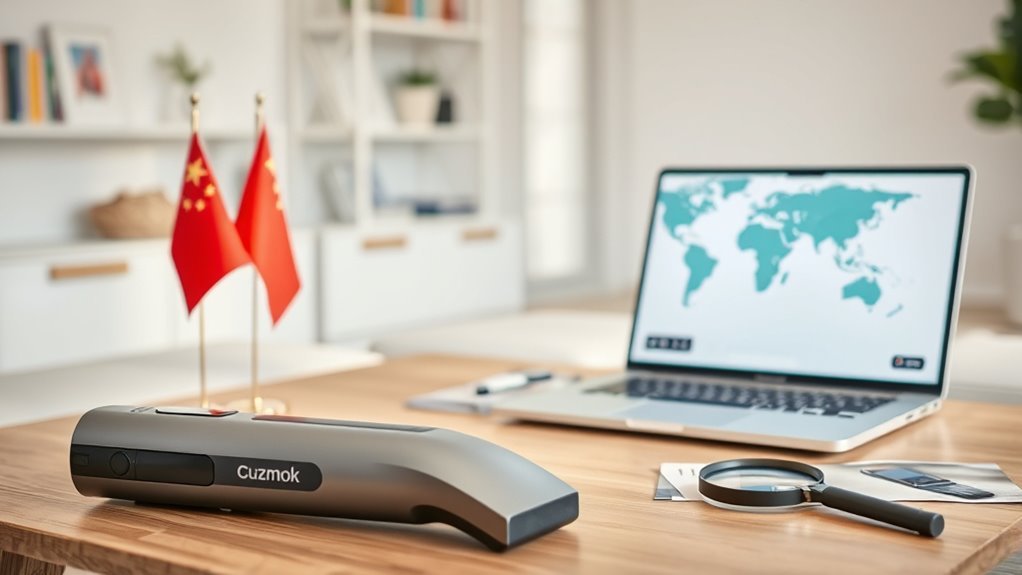
Yes. Cuzmok is a Chinese vacuum brand with manufacturing based in China. Its US trademark records provide a more specific way to establish its business background.
The CUZMOK trademark, US serial number 98541002, was filed on May 9, 2024, and registered on February 4, 2025. Trademark listings identify Menghai Chuangsheng E-Commerce Co., Ltd., a company in Yunnan, China, as the owner.
You can use the USPTO trademark database to look up the registration using its serial number.
However, trademark ownership does not identify the factory that assembled every product. For a specific vacuum, its product label, packaging, and manufacturer information provide more direct evidence of country of origin.
China-based production helps Cuzmok offer competitive pricing. Its product range focuses on practical household cleaning, including cordless stick vacuums designed for hard floors, carpets, and pet hair.
The official Cuzmok website lists vacuum cleaners with features such as detachable batteries, HEPA filtration, anti-tangle brush designs, and LED lighting. Available features depend on the individual model.
The company also emphasizes modern cleaning technology and user-friendly design. However, detailed information about its individual manufacturing facilities, research operations, and production costs is not established by the product listings alone.
For buyers, the useful distinction is between the brand’s Chinese business background and the actual specifications, warranty coverage, and replacement-part availability of the vacuum being considered.
What Every Cuzmok Owner Should Check First
If your Cuzmok vacuum loses power or suction, begin with the charger, battery, dust cup, and airflow path. These checks can identify common problems without opening the motor housing or attempting electrical repairs.
Before buying replacement parts, identify your vacuum’s model and check that the part is compatible.
- Charging setup: Confirm that you are using the original adapter and that its cable and connector are undamaged.
- Battery pack: Check that the removable battery is seated correctly and has no visible damage.
- Dust cup: Empty accumulated debris and inspect the inlet for blockages.
- Filters: Remove loose dust according to the maintenance instructions and check whether replacement is due.
- Floor brush: Remove hair, thread, and fibers that prevent the roller from turning.
- Air ducts: Inspect the extension tube and connections for trapped debris.
After cleaning, reinstall every component securely and test the vacuum. If performance returns to normal, the problem was likely related to an obstruction or an improperly fitted component.
If the machine still shuts down, check whether temperature protection has activated before assuming that the motor has failed.
Where Cuzmok Support Can Help Most
Cuzmok provides an online troubleshooting FAQ and lists Support@Cuzmok.com as its support email. Its support documentation also refers customers to live chat for floor-brush problems.
The official Cuzmok support and troubleshooting page covers charging failures, automatic shutdowns, brush faults, poor suction, and debris falling from the vacuum.
Use the channel that matches your problem and the information you need to share.
| Support channel | Best use |
|---|---|
| Detailed product inquiries and fault reports | |
| Live chat | Interactive troubleshooting when available |
| FAQ | Common charging, suction, and brush problems |
| Support team | Replacement parts and unresolved faults |
| Live chat | Guidance on persistent floor-brush failures |
Email is useful when you need to describe a fault or include photographs. Live chat may be more convenient for questions that require several troubleshooting steps.
Actual response times and availability can vary. Keep your order information, model details, and a short description of the problem ready before contacting support.
Why Your Cuzmok Vacuum Won’t Turn On?
A Cuzmok vacuum that will not start may have a depleted battery, charging problem, poorly installed battery pack, or internal protection fault. Brush and filter blockages can also contribute to automatic shutdowns.
Start with the power supply, then inspect the removable components.
Power Source Checks
First, charge the vacuum with its original adapter. Once charging is complete, disconnect the adapter before attempting to operate the machine.
Check the outlet and inspect the charging cable for visible damage. Avoid using an adapter with an incompatible electrical rating.
| Check | What to inspect | Result |
|---|---|---|
| Charger | Original adapter and cable | Compatible charging connection |
| Charging | Disconnect before operation | Vacuum can restart normally |
| Battery | Charge and visible damage | Identify possible battery failure |
| Body | Signs of liquid exposure | Possible internal damage |
| Support | Problem continues | Request further diagnosis |
Cuzmok’s cordless dry vacuums are not intended for collecting liquids. Moisture entering the electrical components or filters can damage the machine.
Warning: Stop using a battery that is swollen, leaking, unusually hot, or visibly damaged. Do not open the battery pack, attempt to repair its cells, or continue charging a damaged unit.
Battery Pack Issues
A removable battery that is not seated correctly can prevent the vacuum from starting. Battery damage or temperature protection can produce similar symptoms.
Follow these checks in order:
- Charge the battery using the original adapter.
- Disconnect the charger before attempting to start the vacuum.
- Remove and reseat the battery if your model allows it.
- Inspect the battery housing and contacts for visible damage.
- Replace a failed battery with a compatible replacement specified for your model.
If the vacuum stopped after heavy use, allow it to cool before restarting. Cuzmok’s troubleshooting guidance specifies at least one hour when the battery’s high-temperature protection has activated.
If it still fails after cooling, charging, and reseating the battery, contact support rather than repeatedly attempting to restart it.
Brush And Filter Blockages
A clogged filter or jammed floor brush can trigger shutdowns even when the battery is charged. Restricted airflow can also make the motor work harder and reduce cleaning performance.
Turn off the vacuum and disconnect it from the charger before cleaning.
- Remove the dust cup and empty it.
- Inspect the filter for accumulated dust.
- Clear hair and debris from the floor brush.
- Check the extension tube and dust cup inlet.
- Reinstall the components securely before testing.
If the machine starts normally afterward, the obstruction was likely contributing to the failure.
Why Your Cuzmok Vacuum Won’t Charge?
If your Cuzmok vacuum does not charge, the likely causes include an unsuitable adapter, damaged charging equipment, poor contact, or a failed battery pack.
Inspect the external charging components before considering battery replacement.
- Check the original adapter. Inspect its cable, connector, and casing for damage. Replace a faulty adapter with a compatible unit specified for your vacuum.
- Inspect the charging connection. Make sure the connector is seated properly and that the charging area is clean and dry.
- Restart the charging process. Disconnect the adapter, reconnect it correctly, and check whether the charging indicator responds.
- Inspect the removable battery. Confirm that it is installed securely and shows no visible damage.
- Seek battery replacement guidance. If the adapter and connections are sound but charging still fails, the battery may need replacement.
Do not assume a missing charging indicator always means the battery has failed. The adapter, cable, and electrical connection should be checked first.
A properly charging vacuum should respond according to its model’s normal charging-indicator behavior. If no response appears after the basic checks, contact support.
Why the Floor Brush Stops Working
A Cuzmok floor brush may stop spinning because hair or debris has jammed the roller. If cleaning does not help, the extension tube’s internal wiring or the brush head itself may be faulty.
Cuzmok provides a specific test to help separate these problems.
Tangled Brush Issues
Hair, threads, and fibers can wrap around the brush roller and prevent it from turning. This can reduce debris pickup even when the main vacuum motor continues operating.
Clean the roller before replacing any parts.
- Switch off the vacuum and disconnect the charger.
- Remove the brush roller if your model’s design allows it.
- Carefully clear wrapped hair, threads, and compacted debris.
- Check the roller ends and brush housing for remaining obstructions.
- Reinstall the roller and confirm that it moves freely before restarting.
Inspecting the brush after cleaning sessions can help prevent repeated tangles, especially in homes with pets or long hair.
If the roller remains stuck after cleaning, inspect it for wear or damage rather than forcing it to rotate.
Wiring And Brush Faults
If the clean brush still will not work, Cuzmok recommends disconnecting the extension tube and attaching the floor brush directly to the main unit.
If the brush operates in this configuration, the extension tube is likely faulty and should be replaced. If the brush still does not work, the brush head may require professional assessment.
| Check | Likely Fault | Action |
|---|---|---|
| Brush head | Hair or debris | Clean the roller and housing |
| Tube wiring | Internal electrical fault | Test brush directly on main unit |
| Connections | Loose or poor contact | Disconnect and reseat securely |
Perform the attachment test only with the vacuum switched off while connecting or removing parts. Do not dismantle the powered brush or attempt internal wiring repairs.
If the brush fails in both configurations, contact Cuzmok support for repair or replacement guidance.
How to Fix Poor Debris Pickup
Weak debris pickup usually results from restricted airflow, dirty filters, a blocked dust cup, or a damaged seal. Check the airflow path before assuming that the vacuum’s motor has lost suction.
A useful inspection follows the route debris takes from the floor brush to the dust cup.
- Empty the dust cup. Remove accumulated debris and inspect the inlet.
- Clean the filters. Remove loose dust according to the manufacturer’s maintenance instructions.
- Inspect the sealing rubber ring. Check the extension tube connection for a missing, damaged, or incorrectly seated seal.
- Clear the floor brush. Remove tangled hair and fibers that prevent debris from entering the vacuum.
- Inspect the extension tube. Remove trapped paper, hair, and other material that restricts airflow.
A missing rubber seal can allow air to leak through the connection instead of being drawn through the floor head. Cuzmok advises contacting customer service for a replacement when the seal is missing or damaged.
The manufacturer recommends replacing the HEPA filter every three months for frequent use. A heavily clogged filter may need attention sooner.
Cuzmok does not recommend washing its HEPA filter with water. If it has been washed, it must be completely dry before reuse. Never reinstall a damp filter.
Debris falling from the vacuum after shutdown can also indicate a blocked dust cup, dirty filter, or obstruction near the suction inlet.
Check for sticky food particles and large debris trapped in the floor brush or tube. These materials can obstruct collection even when the vacuum appears to have normal power.
After maintenance, reassemble the vacuum and test pickup on a small area. If suction remains weak despite a clear airflow path and properly installed filters, request further support.
When to Contact Cuzmok Support
Contact Cuzmok when cleaning and basic troubleshooting do not restore normal performance. Persistent charging failures, damaged electrical parts, missing seals, and brush faults may require replacement components or professional assessment.
Email Support@Cuzmok.com with your model information and a clear description of the problem.
Support is particularly useful when:
- The vacuum will not start after charging, cooling, and reseating the battery.
- The charger or battery appears damaged.
- The vacuum repeatedly shuts down despite clear filters and airflow passages.
- The floor brush fails when connected directly to the main unit.
- The extension tube fails the manufacturer’s brush test.
- A missing or damaged rubber seal continues to cause suction loss.
- Debris falls out after shutdown despite cleaning the dust cup and air ducts.
If the vacuum won’t start after basic troubleshooting, contact support to help identify battery or clog-related faults.
Include the troubleshooting steps already completed and any unusual sounds, indicator behavior, or visible damage. Photographs may help when explaining a damaged component.
Also ask whether the required replacement part is available for your specific model before purchasing a generic alternative.
Frequently Asked Questions
What Are People Saying About the Cuzmok Vacuum Cleaner?
Cuzmok reviews describe strong suction, lightweight handling, and useful performance on mixed floors. Some owners also report charging, battery, and filter-maintenance concerns. Experiences can vary by model, so compare feedback for the exact vacuum you are considering rather than relying on the brand’s overall reputation.
What Is the Best Chinese Brand for Vacuum Cleaners?
Several Chinese vacuum brands offer competitive products, including Xiaomi, Roborock, Dreame, Ecovacs, and ILIFE. Their product ranges serve different needs, from cordless cleaning to robotic vacuuming. Compare cleaning performance, navigation features, replacement-part availability, warranty terms, and price before choosing a specific model.
Is Tineco as Good as Dyson?
Tineco can meet the same everyday cleaning needs as Dyson for some users, but performance depends on the models compared. Dyson offers cordless vacuum technology, while Tineco’s product range includes cordless vacuums and wet-dry floor washers. Compare similar machine types, cleaning performance, maintenance needs, and cost.
Which Vacuum Is Made in the USA?
Manufacturing origin must be checked for the specific vacuum model, not assumed from the brand name. Kenmore, Hoover, and Bissell sell products with different manufacturing arrangements. The FTC’s Made in USA guidance explains that an unqualified US-origin claim requires a product to be all or virtually all made in the United States.
Conclusion
Cuzmok is a Chinese vacuum brand, and its manufacturing background helps explain its position in the household cleaning market. For owners, reliable operation depends on proper charging, clear airflow passages, clean filters, and a working floor brush.
Start with basic maintenance whenever performance drops. If the problem persists, use the manufacturer’s troubleshooting guidance and request model-compatible replacement parts through support.
Sources
- United States Patent and Trademark Office: Official trademark search resource for checking Cuzmok registration information.
- Cuzmok Official Website: Product range and advertised vacuum features.
- Cuzmok Support and Troubleshooting: Manufacturer guidance for charging, battery protection, floor-brush testing, filter replacement, airflow problems, and support contact information.
- Tineco Official Products: Cordless vacuum and wet-dry floor-washer product categories.
- Federal Trade Commission — Complying with the Made in USA Standard: Requirements for substantiating US-manufacturing claims.
