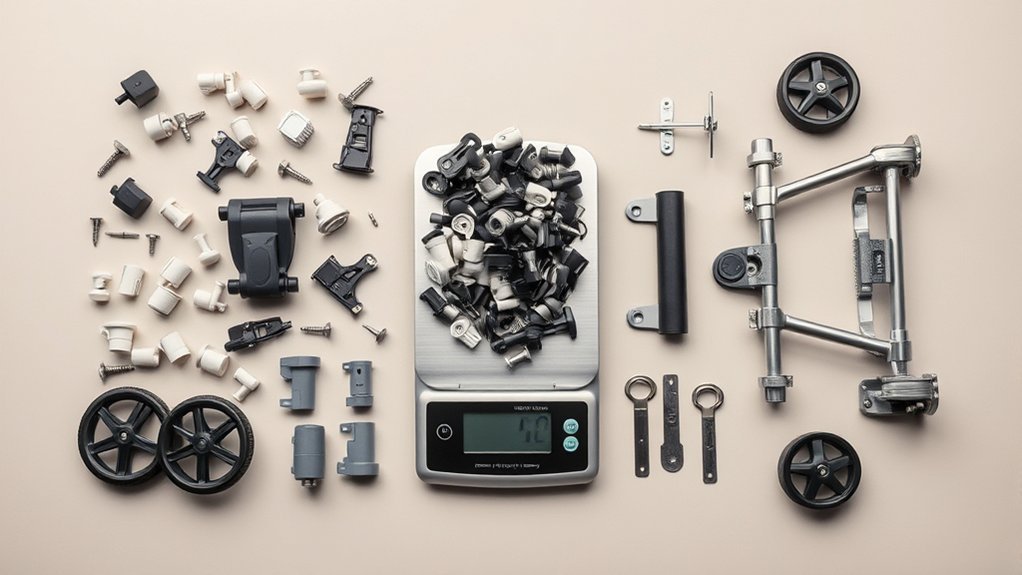
Baby stroller materials affect how easily you lift, steer, clean, and maintain a stroller. The frame supports the structure, while the fabric, padding, wheels, and joints influence comfort and daily wear. Understanding these differences helps you choose a stroller that suits your child and your routine without relying on vague safety claims.
Quick Answer
Aluminum frames offer a useful balance of strength and low weight, while steel provides strength at a higher weight. For fabrics, look for verified OEKO-TEX STANDARD 100 Class I or GOTS certification. However, no material alone guarantees safety. The complete stroller must meet applicable safety requirements and suit your child’s size and needs.
Which Stroller Materials Are Safest and Non-Toxic?
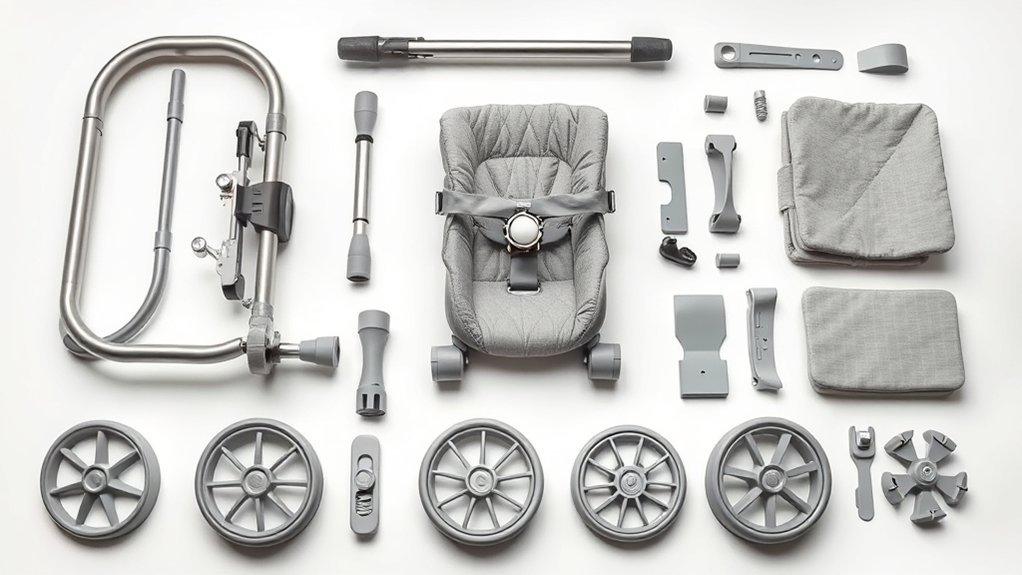
The safest stroller materials are those used in a properly designed, tested product. Aluminum and steel offer dependable structural options, while certified textiles provide greater assurance about substances in the fabric.
However, neither a metal frame nor an organic fabric label proves that an entire stroller is safe.
In the United States, the Consumer Product Safety Commission’s stroller requirements cover stability, brakes, restraints, folding mechanisms, structural integrity, wheels, and other potential hazards.
These requirements are based on ASTM F833 and are more relevant to overall stroller safety than frame material alone.
Which Fabrics Have Meaningful Safety Certifications?
Natural fibers such as organic cotton, linen, and hemp can provide comfortable seating surfaces. Polyester and other synthetic fabrics can also be suitable when they meet applicable chemical and performance requirements.
The fiber name alone does not tell you which dyes, coatings, finishes, or other treatments were used.
Two certifications are particularly useful when evaluating stroller textiles:
- OEKO-TEX STANDARD 100: Tests textiles and covered components against limits for harmful substances. Product Class I has the strictest requirements and is intended for babies and young children.
- GOTS: Covers certified organic fibers and requirements for textile processing, including restrictions on certain chemical inputs.
The OEKO-TEX STANDARD 100 certification requirements distinguish between four product classes according to intended use and skin contact.
For a stroller seat or liner intended for an infant, Class I certification is a useful feature to look for.
GOTS certification needs similar care. A stroller may contain certified organic fabric without the entire stroller being GOTS-certified.
Under the official GOTS labeling requirements, certified goods must carry the appropriate label information. Buyers should distinguish a claim about one fabric component from a claim about the finished product.
What About PFAS, Flame Retardants, and Plastic?
PFAS are a large group of chemicals used in some water- and stain-resistant products. Some stroller fabrics may use water-resistant treatments, so it is reasonable to ask what the manufacturer uses.
The EPA identifies water- and stain-repellent fabrics among consumer products that can contain PFAS.
If reducing these substances matters to you, look for clear manufacturer statements about PFAS and added flame retardants for the specific stroller model.
Also consider the following components:
- Padding: Check the foam type, removable covers, and any disclosed chemical treatments.
- Plastic trays and joints: Look for sturdy construction, smooth edges, and secure attachment.
- Handles and coatings: Check for peeling, cracking, or damaged finishes.
- Seat fabric: Choose material that is comfortable, easy to maintain, and supported by meaningful testing information.
Plastic is not automatically unsafe, and natural fabric is not automatically free from harmful substances. Product design, processing, testing, and condition all matter.
Likewise, polyurethane foam is not inherently evidence of a dangerous stroller. The relevant questions concern its formulation, treatments, and applicable testing.
Which Stroller Frame Materials Are Best?
Aluminum is a practical choice when low weight matters. Steel offers strength but is denser, while engineered plastics and carbon-fiber components can serve specialized roles.
The complete frame design matters more than choosing a material by name alone.
A stroller’s tubing, connections, hinges, wheel assemblies, and folding locks must work together to support the child safely.
| Frame Material | Main Advantages | Main Tradeoffs | Practical Use |
|---|---|---|---|
| Aluminum | Low weight, corrosion resistance, and good structural performance when properly engineered. | Strength depends on alloy, tubing, joints, and overall design. | Travel and everyday strollers. |
| Steel | Strong, durable construction with established manufacturing methods. | Higher density and greater carrying weight; corrosion protection matters. | Heavier-duty designs where portability is less important. |
| Engineered Plastic | Low weight and flexibility for molded parts. | Performance depends on formulation, reinforcement, and stress at connection points. | Trays, housings, joints, and selected structural components. |
| Carbon Fiber | High strength-to-weight potential. | Higher cost and specialized construction or repair requirements. | Selected premium lightweight designs. |
Aluminum usually makes sense when you regularly lift a stroller into a vehicle or carry it upstairs. Steel may suit designs where additional weight is acceptable.
However, steel does not automatically make a stroller more stable. Wheelbase, center of gravity, load distribution, and frame geometry also affect tipping resistance.
Similarly, plastic components are not inherently weak. A properly engineered plastic joint can perform its intended job, while a poorly designed metal connection can still fail.
Before buying, inspect the folding mechanism and check whether the frame locks securely when opened.
What Stroller Materials Affect Weight Most?
Frame construction, wheels, suspension, seat structure, and accessories all affect stroller weight. Aluminum can reduce frame mass, but a large aluminum stroller may still weigh more than a compact model using other materials.
That is why total assembled weight matters more than frame material alone.
Fabric and padding also contribute to weight. Cotton, polyester, mesh, and foam differ in density, thickness, and construction, but fabric choice is only one part of the final result.
Plastic components can reduce weight in selected areas. Carbon fiber can also offer a favorable strength-to-weight ratio, although it generally comes at a higher cost.
How Much Difference Does Stroller Design Make?
Manufacturer specifications show how widely stroller weight can vary. The following examples compare complete stroller models rather than isolated frame materials.
| Stroller | Listed Weight | Design Category |
|---|---|---|
| Bugaboo Butterfly | 16.09 lb with seat | Compact travel stroller |
| Graco Modes Pramette | 20.9 lb | Full-size stroller |
| Bugaboo Fox 5 | 26.9 lb with seat | All-terrain stroller |
Sources: Bugaboo’s official stroller comparison and Graco’s Modes Pramette specifications.
These are model-specific figures, not universal weight ranges for every stroller in each category.
Also check whether a listed weight includes the seat, bassinet, bumper bar, and other accessories. Manufacturers may describe different configurations.
How Stroller Materials Affect Comfort and Wear
Comfort depends on seat fabric, padding, airflow, suspension, and overall stroller design. Durability depends on how well those materials handle repeated folding, cleaning, weather, and everyday loading.
The most expensive or heaviest material does not necessarily provide the most comfortable ride.
- Frame balance: A well-designed frame supports predictable handling. Lower overall weight can make carrying and maneuvering easier.
- Seat fabric: Cotton and breathable mesh can help manage heat and moisture. Polyester offers durability and can be easier to maintain, depending on its construction.
- Padding: Supportive foam and properly fitted seat covers improve comfort. Check whether padding remains secure and retains its shape.
- Wheels and suspension: These affect vibration and ride quality, particularly on uneven pavement. Frame material alone cannot determine how smoothly a stroller rides.
- Cleaning: Removable covers can simplify maintenance, but follow the manufacturer’s washing instructions for each component.
Pay particular attention to the harness. It needs to remain secure, correctly adjusted, and free from damage.
Do not assume every fabric component is machine washable. Some stroller seats require spot cleaning, while removable inserts may have different care instructions.
Which Parts Usually Need Regular Inspection?
Folding hinges, wheel connections, brakes, harness attachments, and frequently loaded joints deserve regular attention.
Check for visible cracks, loose hardware, unusual movement, damaged fabric, or a frame that no longer opens and locks correctly.
Plastic parts exposed to repeated stress may crack or deform, while metal parts may show bending, corrosion, or damaged connections.
If a structural component is damaged, stop using the stroller until the manufacturer confirms an appropriate repair or replacement.
Do not attempt to strengthen a failed hinge or structural joint with an improvised repair.
Best Stroller Materials for Travel, City, and Daily Use
Choose stroller materials according to where and how you will use the stroller. Frequent lifting favors lighter construction, while regular walks on uneven ground make wheel quality, suspension, and frame design especially important.
There is no single material combination that suits every household.
Travel Strollers
Aluminum frames are useful for travel because they can reduce carrying weight without requiring an oversized structure.
Compact folding mechanisms, durable fabric, and secure wheel connections are equally important.
If you regularly use buses, trains, stairs, or airports, compare the complete stroller’s weight and folded dimensions.
Also test the folding mechanism. A low listed weight offers little benefit if the stroller is difficult to fold, carry, or store.
City Strollers
City strollers benefit from maneuverable wheels, dependable brakes, and a frame that handles repeated folding and curb transitions.
Aluminum can provide a useful balance of portability and strength. Steel components may also be appropriate where additional structural mass is acceptable.
For urban use, consider how easily the stroller moves through narrow spaces and how much storage room it needs.
Breathable seat fabric and removable covers also help with regular use.
Everyday and Rough-Surface Strollers
For longer walks and uneven surfaces, prioritize the complete chassis, wheel size, suspension, and suitable tires rather than frame material alone.
A robust stroller may use aluminum, steel, engineered plastic, or a combination of materials.
Water-resistant fabrics can improve convenience during changing weather, but confirm the treatment used if you want to avoid intentionally added PFAS.
Choose a model with a manufacturer-approved weight limit and an appropriate seating arrangement for your child’s age and development.
What Should You Inspect Before Buying?
A short hands-on inspection can reveal practical differences that material descriptions cannot show.
- Open the stroller and confirm that its folding locks engage securely.
- Test the parking brake and check that the wheels remain firmly attached.
- Inspect the harness, buckles, seams, and padding.
- Lift the folded stroller to judge whether its weight is manageable.
- Check the fabric’s care instructions and any certification claims.
- Confirm the approved child weight, seating configuration, and accessory compatibility.
- Inspect plastic joints and metal connections for visible defects.
The American Academy of Pediatrics recommends a stable stroller with dependable brakes, secure folding mechanisms, and a properly used five-point harness.
It also advises against hanging bags from stroller handles because this can cause tipping.
Warning: Keep children away from folding hinges when opening or closing a stroller. Never use a damaged stroller or exceed its stated weight limits. Engage the parking brake whenever the stroller is stopped.
Before purchasing a new or secondhand model, search the CPSC recall and product safety warning database using its brand and model information.
For a secondhand stroller, confirm that all original parts are present and that the product has not been recalled.
Frequently Asked Questions
How Much Do Baby Strollers Weigh?
Baby strollers commonly weigh around 10 to 30 pounds, although some models fall outside this range. Compact travel designs tend to be lighter than larger full-size or all-terrain models. Check the manufacturer’s assembled weight and whether it includes the seat and accessories before comparing products.
What Is the Rolls-Royce of Strollers?
Bugaboo is a well-known premium stroller brand associated with refined design, comfort features, and high-end construction. However, the Rolls-Royce comparison is subjective. A luxury stroller is not automatically safer, lighter, or more suitable for every family. Compare its specifications, safety compliance, weight, and practical features before deciding.
Which Non-Toxic Baby Stroller Is Best?
A suitable lower-exposure stroller combines verified safety compliance with transparent information about its fabrics, padding, and chemical treatments. Look for relevant OEKO-TEX or GOTS certification and clear manufacturer statements about PFAS and added flame retardants. No single certification establishes that an entire stroller is free from every potentially harmful substance.
Are Graco Strollers Heavy?
Some Graco strollers are moderately heavy, particularly full-size models with multiple seating configurations. The Modes Pramette weighs 20.9 pounds according to Graco’s specifications. Other models vary, so compare the exact stroller rather than assuming every Graco product has the same weight or portability.
Is Polyester Less Safe Than Organic Cotton?
Polyester is not automatically less safe than organic cotton. Chemical treatments, textile testing, and the finished product’s construction matter more than fiber type alone. Certified organic cotton provides information about fiber production, while appropriate textile testing helps assess restricted substances in the finished material.
Can a Newborn Sleep in a Stroller?
A regular stroller seat is not a substitute for an approved infant sleep surface. If your baby falls asleep in a stroller, move them to a firm, flat sleep surface on their back as soon as practical. Follow the manufacturer’s instructions for newborn use and any approved bassinet attachment.
For additional guidance on infant sleep, see the American Academy of Pediatrics’ safe sleep recommendations.
Conclusion
The most suitable baby stroller materials balance tested safety, durability, comfort, and manageable weight. Aluminum offers practical portability, steel provides strength, and properly designed plastic components can serve important functions.
For fabrics, prioritize meaningful certification and transparent information about chemical treatments rather than relying on natural or premium labels alone.
Compare complete stroller specifications, inspect the frame and folding mechanism, and choose a model that meets your child’s needs and your daily routine.
Sources
- U.S. Consumer Product Safety Commission: Mandatory stroller safety requirements, structural integrity, brakes, restraints, and relevant product safety rules.
- Hohenstein: OEKO-TEX STANDARD 100: Textile testing requirements and Product Class I certification.
- Global Organic Textile Standard: Organic textile certification and labeling requirements.
- OEKO-TEX Label Check: Verification of certification labels and numbers.
- U.S. Environmental Protection Agency: PFAS in consumer products and potential exposure sources.
- American Academy of Pediatrics: How to Choose a Safe Baby Stroller: Stroller stability, brakes, harnesses, and safe handling.
- Bugaboo Stroller Comparison: Manufacturer-listed stroller weights and design differences.
- Graco Modes Pramette Specifications: Official stroller weight and product specifications.
- CPSC Recalls and Product Safety Warnings: Product recall and safety warning information.
- American Academy of Pediatrics: Safe Sleep Recommendations: Appropriate infant sleep surfaces and guidance when a baby falls asleep in a stroller.
