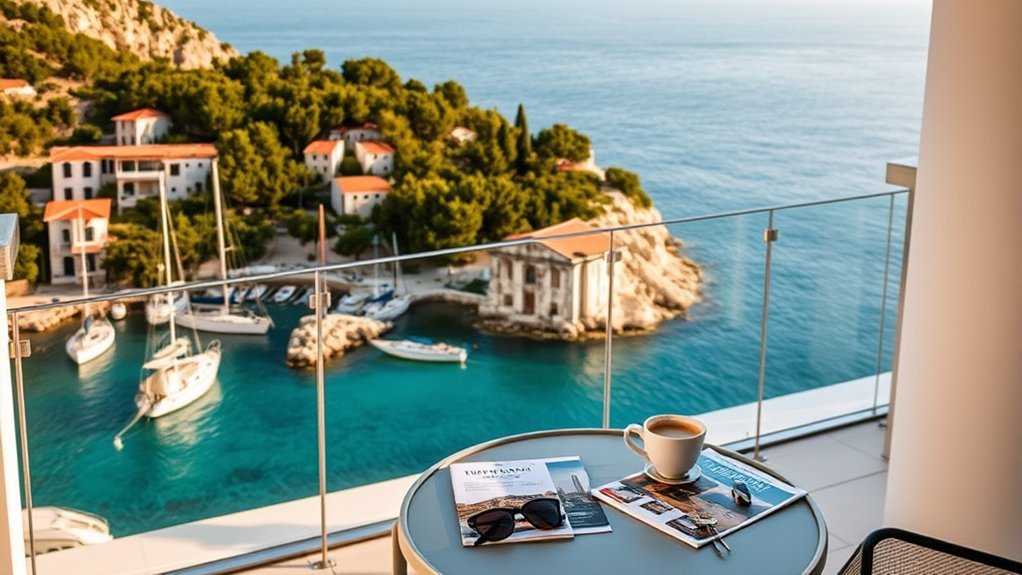
Croatian holiday apartments can offer strong rental yields and asset growth, especially on the Adriatic coast in Istria and Dalmatia. EU and EEA buyers can purchase freely, while most non-EU buyers need reciprocity approval and all buyers need an OIB tax number. Before committing, a buyer should verify title, permits, zoning, and any aktivna plomba, then confirm short-term rental licensing rules, tourist taxes, and total acquisition costs. The key checks and trade-offs become clearer next.
Can Foreign Buyers Purchase Holiday Apartments in Croatia?
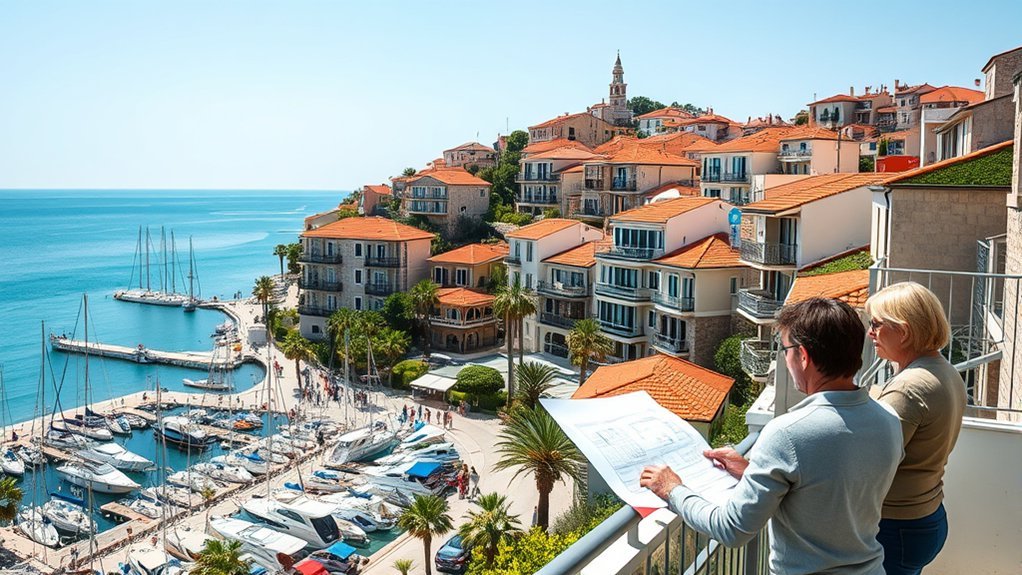
Yes—foreign buyers can purchase holiday apartments in Croatia, but the applicable route depends on nationality and regulatory compliance. Within the property market, EU citizens and EEA nationals face no ownership restrictions, creating a relatively direct path to property ownership.
Non-EU purchasers, by contrast, usually need Ministry of Justice approval under reciprocity rules, a process often taking 30 to 90 days.
Non-EU buyers typically require Ministry of Justice approval under reciprocity rules, with processing often extending from 30 to 90 days.
A Croatian OIB tax number is required before any transaction can progress. Risk-aware buyers typically commission title searches to verify ownership status, encumbrances, and unresolved legal liabilities.
For those seeking broader flexibility, acquisition through a Croatian company can open access to property types otherwise harder to secure directly.
However, operating holiday apartments as short-term rentals introduces another compliance layer: registration with the Ministry of Tourism and a valid tourist license.
In practical terms, foreign buyers can enter Croatia’s market, but freedom of use depends on disciplined due diligence and legal execution.
Why Buy a Holiday Apartment in Croatia?
Why consider Croatia for a holiday apartment investment? The case rests on momentum, yield potential, and buyer access.
Croatian property values rose about 10% between 2024 and 2025, signalling an investment opportunity supported by demand rather than speculation alone. Strong tourism growth, with arrivals exceeding 20 million, underpins the rental market and reduces vacancy risk for a well-positioned holiday home.
For investors seeking more flexibility and less dependence on one location, Croatia offers credible rental income prospects. Gross yields of roughly 5% to 12% can make a holiday apartment financially compelling, especially on the Adriatic coast during peak season.
EU citizens face no purchase restrictions, while many non-EU buyers can enter under reciprocity rules, widening access to Croatian property.
Risks remain: seasonality, operating costs, and regulatory change require disciplined property management.
Still, for buyers pursuing lifestyle freedom with asset backing, the market presents a pragmatic balance of use and returns.
Where Should You Buy in Croatia?
Where a buyer chooses to purchase in Croatia will largely determine occupancy, pricing power, and regulatory exposure. For buyers seeking flexibility and income autonomy, the Adriatic coastline offers the strongest strategic case.
Istria and Dalmatia continue to dominate demand for holiday apartments because of sustained tourist flows, established amenities, and enduring coastal appeal. These markets also show stronger rental potential, with yields in prime micro-locations often outperforming inland alternatives.
However, buying property in Croatia requires more than following demand. Coastal property has benefited from notable market momentum, but access, season length, and licensing rules still shape performance.
Regulatory considerations are especially relevant for short-term rentals, which require registration and tourist licences and may face annual day limits. EU citizens face fewer barriers when buying property in Croatia, while non-EU buyers encounter added structuring complexity.
For many investors, liberation comes from choosing locations where demand, compliance, and operational control remain aligned.
What Does a Holiday Apartment in Croatia Cost?
Location choice sets the income profile, but pricing determines whether a Croatian holiday apartment can sustain target returns after tax and operating costs. Across Croatia, holiday apartments typically trade between €1,500 and €3,500 per square meter, with the Dalmatian Coast, Istria, and beautiful islands commanding the upper band.
In 2025, average property value growth reached roughly 10%, signalling demand strength but also tighter entry margins.
Gross rental returns near major tourist centres generally range from 5% to 12%, varying by asset quality, season length, and micro-location.
Purchase costs require discipline: buyers of existing units face 3% real estate transfer tax, while notary and related fees often add 1% to 2%.
A flat 10% Croatian tax on seasonal rental income, effective from January 2025, directly affects net rental returns and exit planning.
For investors seeking greater financial liberation, disciplined underwriting matters more than postcard appeal alone.
Can You Legally Rent It to Tourists?
Legal lettability in Croatia depends first on tourist rental licensing, as short-term units must be registered and obtain Kategorizacija following inspection.
Commercial viability is then shaped by zoning and ownership rules, with municipal caps often limiting tourist use to roughly 60 to 120 days per year and local authorities able to impose additional restrictions.
Compliance risk remains material because tenant registration, tourist tax payments, and the 10% flat tax from January 2025 all affect operating margins and enforcement exposure.
Tourist Rental Licensing
Most Croatian holiday apartments can be rented to tourists only if they are formally registered with the Ministry of Tourism and obtain a tourist licence, or “Kategorizacija,” after inspection and classification.
For any property purchase, this compliance path directly shapes freedom of use, risk exposure, and projected rental income.
- A tourist license is mandatory for legal short-term rentals.
- Kategorizacija inspection determines classification and market positioning.
- Municipal caps often limit letting to 60–120 days annually.
- Owners must register guests and pay tourist tax, personally or through an agency.
From January 2025, rental income from short-term leases is taxed at a flat 10%, with double-taxation relief where applicable.
Buyers should model licensing delays, local day limits, tourist tax administration, and maintenance costs before committing capital.
Zoning And Ownership Rules
Licensing determines whether short-term letting is formally permitted, but zoning and ownership rules determine whether a property can be used that way at all.
Croatia’s zoning laws are municipal, so permitted short-term rentals may be capped at roughly 60 to 120 days annually, depending on location and planning status.
Ownership rights also matter. EU buyers generally face fewer hurdles, while non-EU purchasers must confirm reciprocity and may need Ministry of Justice approval before entering the market with confidence.
Properties near national parks or heritage zones can fall under a tighter legal framework, limiting tourist use despite a valid tourist license.
Because approval requires property inspection and classification, investors should treat pre-purchase due diligence as essential.
Ongoing compliance includes tenant registration and budgeting for 10% rental income tax from January 2025.
How Do You Check Title, Permits, and Plomba?
A prudent buyer begins with the zemljišna knjiga to verify legal ownership and identify liens, disputes, or other restrictions that could impair value or transferability.
Permit checks should then confirm that building and occupancy approvals are in place through the relevant municipal authorities, since missing documentation can limit use and resale potential.
Any aktivna plomba warrants close scrutiny in the land registry, and local legal counsel is often used to assess unresolved filings before capital is committed.
Title Search Basics
- Confirm the seller matches the registered owner and that shares, boundaries, and recorded burdens align with the marketed asset.
- Check for aktivna plomba, a warning sign that unresolved filings may delay transfer or reduce freedom to transact.
- Verify whether the unit also appears in the Knjiga položenih ugovora, relevant in some counties and material to ownership rights.
- Use a skilled property lawyer to reconcile registry data, permits, and supporting documents, reducing execution risk and preserving buyer autonomy and future resale flexibility.
Permits And Plomba
Risk-aware buyers also compare the apartment’s actual construction and any renovations against issued permits. Missing permits can restrict financing, resale, rental licensing, or later alterations.
An active plomba may reveal pending claims, corrections, or disputes, and should be clarified before funds are released. A local lawyer typically reviews registry extracts, municipal files, and transaction timing, then guides property registration.
Filing within 60 days supports cleaner transfer mechanics, lower fees, and greater control over the asset’s future.
How Do You Buy Safely in Croatia?
How can a buyer reduce transaction risk when purchasing a holiday apartment in Croatia? A disciplined Purchase process matters more than optimism. Market freedom comes from verified facts, not assumptions, and from treating Tax, title, and compliance as core investment variables.
Transaction risk falls when buyers verify title, tax, and compliance instead of relying on optimism or market narratives.
- Obtain a Croatian OIB first. This tax number is mandatory for property ownership registration and every formal payment step.
- Order a full zemljišna knjiga title search. It confirms ownership, exposes liens, disputes, or recorded restrictions before commitment through any real estate agency.
- Use a qualified property lawyer. Independent legal review protects contract terms, checks local compliance, and limits costly errors.
- Model all costs and rights carefully. Existing homes usually trigger 3% transfer tax, plus notary fees of roughly 1% to 2%, and possible annual local taxes.
Residency requirements also require sober analysis. Property ownership alone does not create residency rights, so buyers seeking lifestyle liberation should evaluate temporary residency criteria separately.
Frequently Asked Questions
What I Wish I Knew Before Going to Croatia?
One should know Croatia rewards preparation: Croatian cuisine varies regionally, Local customs matter, Hidden gems require planning, Travel tips reduce friction, Real estate costs surprise, Cultural festivals drive crowds, and Language barriers affect independence and transactions.
What Is the Biggest Predator in Croatia?
Croatia’s biggest predator is the brown bear, shaping predator prey dynamics and ecological balance. Wildlife conservation, biodiversity protection, and tourism impact management in national parks and coastal ecosystems support freer, risk-aware stewardship of natural assets.
Why Are People Moving Away From Croatia?
People move away from Croatia due to rising cost of living, limited job opportunities, weak political stability, strained healthcare services, housing market pressures, climate considerations, and cultural differences, seeking freer, lower-risk futures elsewhere abroad.
Can You Wear Red in Croatia?
Yes, red can be worn in Croatia; within Croatia fashion and Croatian colors, its cultural significance is positive. Analytical travel tips note local customs accept red across beach attire and festive clothing, presenting minimal social risk.
Conclusion
Buying a holiday apartment in Croatia can offer lifestyle appeal and solid rental potential, but the market rewards careful analysis, not guesswork. Foreign buyers should weigh location, pricing, legal eligibility, title status, permits, and rental rules before committing. In this market, the devil is in the details: overlooked plomba issues or missing approvals can quickly erode value. A disciplined, well-advised purchase process helps reduce risk and improves the chances of a sound long-term investment.
