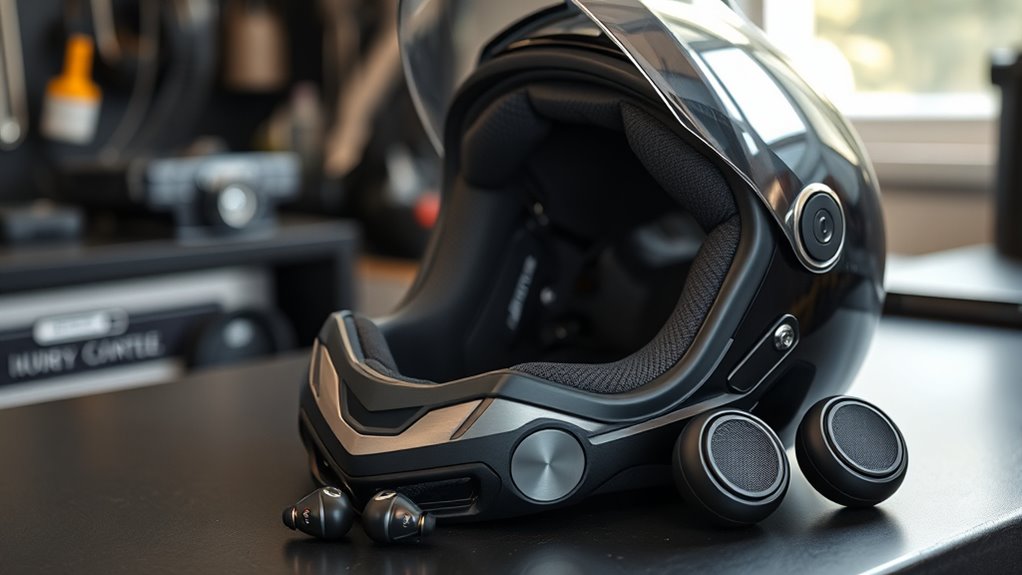
Ear pods can work under a motorcycle helmet, but fit is the first issue to check. Bulky stems, hard shells, and poor seal can create pressure points and reduce hearing safety. Low-profile earbuds with secure tips, good passive isolation, and optional noise cancellation tend to perform better. The real question is not just sound quality, but whether they stay comfortable, compatible, and usable at speed. What matters next is easy to miss.
Can Motorcycle Earbuds Work in a Helmet?
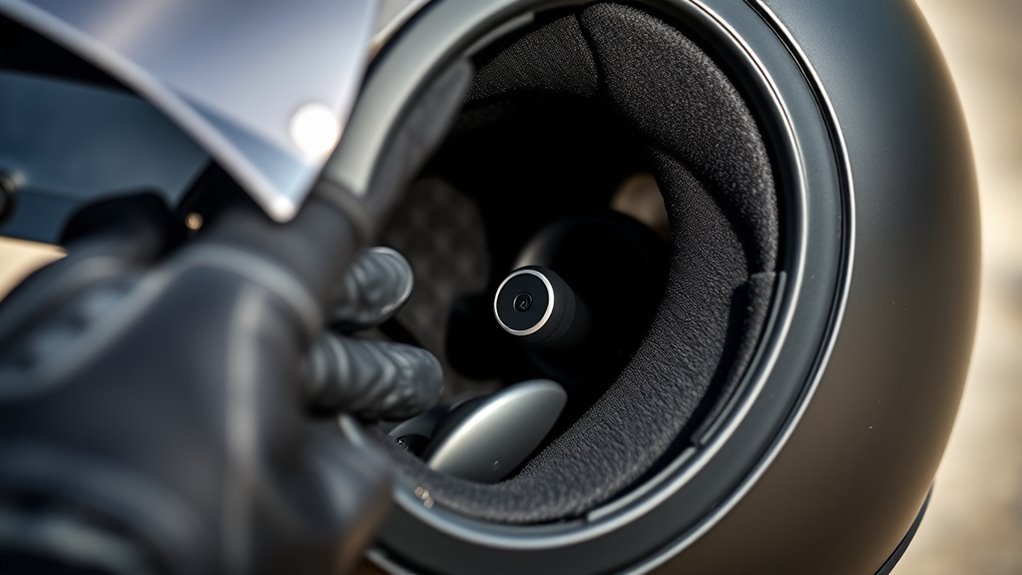
Yes—motorcycle earbuds can work inside a helmet, provided the fit is secure and the design is compatible with the helmet’s interior. For many riders, motorcycle earbuds offer a practical path to independent travel, especially when Bluetooth models remove cable clutter and reduce entanglement risk.
The main technical advantage is controlled audio delivery: noise cancellation helps suppress wind turbulence, which can improve sound quality at speed. Fit and comfort remain essential because earbuds that suit one rider may not suit another, particularly across different helmet designs with varying liner thickness and speaker pockets.
Custom-molded options can increase stability, comfort, and isolation, though their cost is higher than standard units. A well-matched setup supports safer, freer riding by keeping communication and navigation audible without demanding constant adjustment.
The best choice is one that stays discreet, secure, and acoustically effective throughout the ride.
Why Helmet Fit Matters for Earbuds
Helmet fit directly affects how earbuds sit against the head, with pressure points often pushing them out of position or creating discomfort during long rides.
A low-profile earbud design is generally better suited to a snug helmet because it reduces contact interference and maintains a more stable fit.
Proper alignment between helmet padding and earbud shape also helps preserve noise isolation and audio clarity while supporting rider safety.
Helmet Pressure Points
A properly fitted motorcycle helmet is essential when earbuds are worn, because even small fit errors can create pressure points that turn into pain during a ride.
Helmet pressure points are reduced when proper helmet fit keeps the shell snug without excess squeeze. If the helmet shifts, earbuds can be dislodged, and the rider loses comfort and control.
Ear canal shape also matters, since different ears require different support inside the helmet. Models with speaker pockets can spread load more evenly across contact areas, helping the setup stay comfortable during long use.
For greater relief, custom-molded earbuds follow the ear’s unique contours and minimize pressure points. The result is a safer, freer ride with fewer distractions and less fatigue.
Low-Profile Earbud Fit
Low-profile earbuds are important inside a motorcycle helmet because excess bulk can press against the padding, create pressure points, and distract the rider during long trips.
A low profile design helps preserve a snug and comfortable interface with the helmet shell, reducing unwanted movement and improving comfort.
- Choose models with multiple ear tip sizes.
- Prioritize noise isolation to limit wind noise.
- Confirm a secure fit before riding.
- Check that the earbuds do not shift during helmet removal.
With proper ear tip sizes, the rider can gain better acoustic seal and steadier sound without sacrificing safety.
This practical fit supports freedom on the road by keeping attention on the ride, not on equipment.
Best Motorcycle Earbuds to Try First
For first-time use, budget options such as the JBL Endurance Run 2 and Anker Soundcore Liberty 4 NC offer practical starting points, balancing cost, battery life, and dependable audio.
Helmet compatibility remains critical, with lower-profile models like the Sony LinkBuds S and AirPods Pro 2 generally fitting more securely under tighter padding.
Safety and sound quality should be evaluated together, since stable placement, effective noise control, and manageable controls matter as much as output fidelity while riding.
Top Budget Picks
Several budget-friendly motorcycle earbuds stand out for riders who want a practical first purchase without sacrificing helmet compatibility or basic performance.
Galaxy Buds suit music playback and everyday use, while remaining easy to manage with helmets.
Anker Soundcore Liberty 4 NC adds adaptive noise canceling and up to 50 hours of battery life, making these wireless earbuds a strong value choice.
Sony Linkbuds S stay compact, use reliable Bluetooth, and help reduce dropouts during a ride.
JBL Endurance Run 2 offers an affordable wired fallback for riders who accept a cord.
QCY C1 Wireless Headphones provide budget-friendly Bluetooth 5.2 and a magnetic neckband for added control.
- Galaxy Buds
- Liberty 4 NC
- Linkbuds S
- QCY C1
Best Under-Helmet Fit
When selecting earbuds for use under a motorcycle helmet, a low-profile design is critical to reduce pressure points, improve comfort, and preserve the helmet’s proper fit.
For many riders, Apple AirPods Pro 2 are a strong first choice because their multiple ear tip sizes support a snug fit, while noise cancellation and sound quality remain highly regarded.
Anker Soundcore Liberty 4 NC offers a practical balance of comfort, adaptive noise cancellation, and value for longer rides.
Sony WF-1000XM5 delivers a secure fit and strong noise cancellation, though the price is higher.
For the most liberated, fatigue-resistant setup, custom-molded earbuds can improve fit and comfort over extended motorcycle use, while also helping maintain consistent sound quality.
Safety And Sound Quality
Safety and sound quality should be treated as the first filter when choosing motorcycle earbuds, since effective noise cancellation can improve audio clarity and help reduce wind interference at speed.
For riders seeking liberation, wireless earbuds are the safer choice because cables can snag in a fall. Low-profile comfort also matters, especially under a helmet.
- Apple AirPods Pro 2: snug fit, strong noise cancellation.
- Sony WF-1000XM5: high sound quality in wind.
- Anker Soundcore Liberty 4 NC: practical Bluetooth options, long battery life.
Test each set at riding speed to confirm safety and sound quality.
A helmet-compatible design should preserve movement, reduce pressure points, and maintain control access with gloves.
Bluetooth Comms vs. Motorcycle Earbuds
Bluetooth communication systems generally provide a more complete and rider-friendly solution than motorcycle earbuds, especially for riders who need music, phone calls, and navigation prompts without removing their hands from the handlebars.
A Bluetooth communicator gives wireless control, cleaner integration with helmet speaker pockets, and better sound quality in motion. Premium units often add noise cancellation, which helps preserve clarity at highway speed and supports safer attention management.
By contrast, motorcycle earbuds are usually simpler and cheaper, but they mainly serve music playback and may lack the same functional range. Wired earbuds can also introduce a safety hazard if a cable snags during a fall or quick movement.
For riders seeking practical liberation from cables and constant device handling, dedicated Bluetooth systems usually deliver the stronger balance of convenience, safety, and performance. They also tend to stay more comfortable on long rides, with secure helmet-specific placement and fewer compromises than generic earbud setups.
How to Protect Your Hearing on Long Rides
Long rides expose riders to constant wind noise that can gradually cause noise-induced hearing loss, making effective hearing protection essential. During riding, the goal is to reduce wind noise while preserving awareness and control. High-quality motorcycle earplugs or custom earplugs can filter harmful noise without isolating the rider from communication systems, supporting safer, more liberated travel.
Long rides demand hearing protection that cuts wind noise while preserving awareness, control, and communication.
- Reusable earplugs, such as Alpine MotoSafe Tour, can filter sound and remain comfortable under a helmet.
- Disposable plugs, like Howard Leight Laser Lite, suit single-use needs but may reduce intercom clarity.
- A proper fit helps maintain consistent noise reduction over extended distances.
- Regular inspection and cleaning keep hearing protection effective and comfortable.
With correct use, riders can limit exposure, protect long-term hearing, and keep essential sounds available. The most practical strategy is not maximum silence, but controlled attenuation that reduces fatigue while preserving the cues needed for confident, independent movement.
What to Check Before You Buy
Beyond hearing protection, riders also need earbuds that work reliably inside a helmet and in changing road conditions. Buyers should first assess noise cancellation or strong isolation, since wind and engine noise can mask navigation prompts and calls.
Fit and comfort matter next: low-profile shells should sit flush, stay stable, and avoid pressure points during long rides. A wireless headphone option is usually safer than cabled models because it removes snag hazards and supports freer movement.
Controls should be glove-friendly, with raised buttons or simple touch functions that can be reached without releasing the bars. Durability is another filter; weather resistance and rugged housings help the device survive rain, sweat, dust, and vibration.
Riders comparing systems should also consider compatibility with motorcycle intercoms, especially when group communication or passenger contact is needed. The best choice preserves attention, supports autonomy, and reduces avoidable distractions.
Frequently Asked Questions
What Earbuds Should I Wear With a Motorcycle Helmet?
Low-profile wireless earbuds with strong earbud comfort and fit compatibility suit a motorcycle helmet best.
Models with noise cancellation and good sound quality reduce wind interference while preserving audio clarity.
Wireless options avoid cable snag risks and support safer handling.
Priority should go to slim buds with secure seals, stable Bluetooth, and reliable safety features.
Water resistance and long battery life further improve practicality for freer, longer rides.
What Are the Best Headphones to Wear Under a Motorcycle Helmet?
The best headphones under a motorcycle helmet are low-profile earbuds with strong sound quality, high comfort level, and reliable noise isolation.
Apple AirPods Pro 2, Sony WF-1000XM5, and Anker Soundcore Liberty 4 NC are practical picks; Cardo Packtalk Pro offers superior safety and compatibility options for riders.
Battery life and water resistance matter for long trips.
A secure, unobtrusive fit supports focus, mobility, and personal freedom.
What Are the Best Headphones to Use Inside a Motorcycle Helmet?
Inside a motorcycle helmet, the best headphones are low-profile wireless earbuds with strong sound quality and reliable noise isolation.
A rider comparing them to well-fitted gloves finds that comfort level matters as much as control.
Models like AirPods Pro 2, Sony WF-1000XM5, and Soundcore Liberty 4 NC balance battery life, transparency modes, and durability.
Buyers should check compatibility issues with helmet padding, then choose within a practical price range.
How to Wear Earbuds Under a Motorcycle Helmet?
Wear low-profile earbuds before sliding on the helmet, then make fit adjustments until pressure points disappear.
Helmet compatibility improves with slim shells and snug ear tips, preserving earbuds comfort and sound isolation without forcing the pads.
Noise cancellation should remain moderate to avoid masking traffic. A neckband or short cable can reduce shifts, but safety concerns require keeping volume low and testing movement, visor closure, and helmet stability before riding.
Conclusion
Motorcycle ear pods can work well in a helmet when they are low-profile, stable, and compatible with the rider’s gear. A proper fit reduces pressure points, improves comfort, and helps preserve sound quality at highway speeds. For example, a rider using well-fitted noise-isolating earbuds on a long commute may arrive less fatigued and more alert. Before buying, it is essential to check helmet clearance, intercom compatibility, noise reduction, and ease of cleaning.

