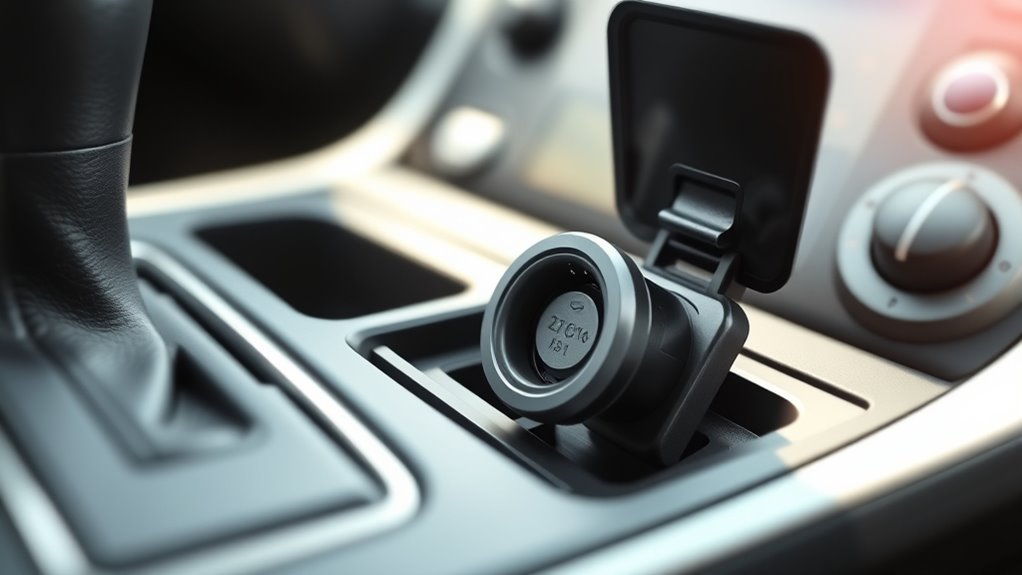
The 2017 Toyota Camry cigarette lighter outlet is a 12-volt accessory socket, usually protected by a 15-amp fuse in the driver-side fuse box. It is meant for low-draw devices such as phone chargers and tablets, not heavy loads like compressors or large inverters. If it stops working, the fuse, socket fit, corrosion, or relay should be checked first. Proper testing and replacement steps can restore power, with more setup details below.
Key Takeaways
- The 2017 Toyota Camry cigarette lighter fuse is usually a 15-amp fuse in the driver-side fuse box under the steering wheel.
- If the outlet stops working, check the fuse first, then inspect the socket for debris, corrosion, heat damage, or loose contact.
- Replace a blown fuse only with the same 15-amp rating, and fully insert it before testing the outlet again.
- Each 12-volt power outlet is generally rated for about 120 watts, so avoid high-draw devices like large inverters or compressors.
- Test the outlet with ignition in Accessory or On, using a multimeter or known-good charger to confirm about 12 volts.
Why Your Camry Power Outlet Stops Working
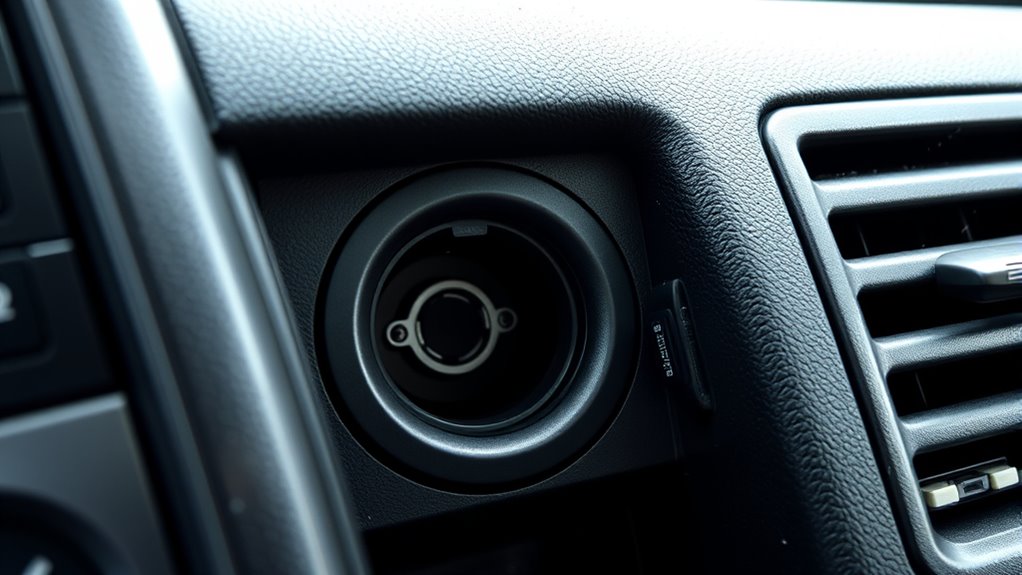
In many cases, a 2017 Toyota Camry power outlet stops working because a 15-amp fuse has blown after a high-draw accessory was used, especially if both 120-watt outlets were loaded at the same time.
The power outlets are designed for moderate loads, and exceeding that limit can trigger a blown fuse. When a socket dies, the most practical first step is to inspect the related 15-amp fuses and confirm whether replacement is needed.
Because both outlets may share one circuit, a fault in one can disable both. Devices that draw too much current, such as inverters or compressors, can overload the system and interrupt power delivery.
If the outlets fail after simultaneous use, the issue usually points to fuse protection rather than damaged hardware. Checking the fuse box under the driver’s side dashboard can quickly identify the problem and restore electrical access with minimal delay.
2017 Toyota Camry Cigarette Lighter Fuse Location
The 2017 Toyota Camry cigarette lighter fuse is located in the fuse box under the dashboard on the driver’s side. In the Toyota Camry, this protected circuit supports the lighter socket and both power outlets, usually through a 15-amp fuse. The owners manual identifies the exact fuse position, which helps avoid guesswork and preserves self-reliance.
- Remove the black fuse-box cover to expose the layout.
- Locate the 15-amp fuse assigned to the lighter socket circuit.
- Use the fuse chart in the owners manual for confirmation.
- Refit the cover only after any fuse is seated firmly.
This setup keeps access straightforward and practical. For drivers who value autonomy, the under-dash location allows fast service without unnecessary shop dependency.
Clear labeling and a standard amp rating make the system easy to identify, inspect, and restore when power is lost.
How to Check the Cigarette Lighter Fuse
The fuse box should be located beneath the steering wheel on the driver’s side, where the black cover can be removed to access the cigarette lighter fuse.
The 15-amp fuse should be inspected for a broken wire, discoloration, or other visible damage that indicates failure.
If the fuse is blown, it should be removed with a fuse puller or pliers and replaced, then seated firmly before testing the outlet.
Locate Fuse Box
Beneath the driver’s side dashboard, near the brake pedal, sits the 2017 Toyota Camry fuse box. This location supports a clear dashboard layout overview and basic electrical system basics for quick service access.
Removing the cover reveals the fuse map, which identifies the cigarette lighter circuit and its 15-amp protection. For practical fuse accessibility tips, keep the area unobstructed and use steady light.
- Park safely and switch off the ignition.
- Open the lower dash panel area.
- Remove the fuse box cover to view the diagram.
- Locate the 15-amp fuse tied to the outlet.
This setup lets the owner act with autonomy, tracing power control directly. The box placement is standardized, so the search stays efficient and technical.
Inspect Fuse Condition
With the 15-amp fuse identified in the driver-side fuse box, the next step is to inspect its condition for continuity failure or heat damage. The vehicle should remain off, with the handbrake engaged. Remove the fuse cover, then use a fuse puller or pliers to lift the fuse cleanly. Visual fuse inspection methods are straightforward: examine the metal strip inside for a break, discoloration, or melting. Common fuse issues include a cracked element and darkened housing.
| Check | Result |
|---|---|
| Metal strip intact | Fuse serviceable |
| Strip broken or burned | Fuse faulty |
If damage is confirmed, practical fuse replacement tips call for a 15A unit of the same rating, seated firmly. These steps preserve access and control.
Replace Blown Fuse
A blown cigarette lighter fuse in a 2017 Toyota Camry should be replaced with a new 15-amp fuse after the driver-side dashboard fuse box is opened and the damaged fuse is removed for inspection. The outlet uses common fuse types, so matching amperage matters.
- Remove the fuse box cover.
- Pull the fuse with a fuse puller or pliers.
- Inspect for a broken element or discoloration.
- Install a 15A replacement and test the outlet.
Safety precautions include switching the ignition off and using only the correct rating.
If the fuse blows again, the circuit may need deeper troubleshooting tips, including checking the device and outlet for shorts.
A valid replacement restores power and preserves electrical freedom.
How to Replace the Power Outlet Fuse Safely
To replace the power outlet fuse safely, the 2017 Toyota Camry owner should locate the black fuse box under the driver’s side dashboard and remove its cover, noting the fuse layout for both cigarette lighter outlets before touching anything.
Observe basic safety precautions: switch the ignition off, keep hands dry, and avoid probing the panel blindly. The outlets typically use 20 amp fuse types, so replacement should match the original rating exactly.
Use a fuse puller or small pliers to grip a damaged fuse firmly and pull it straight out without stressing adjacent circuits. Insert the new fuse fully into the slot, since partial seating can leave the outlet dead.
After installation, inspect the area for proper outlet maintenance and then test both power outlets before closing the cover. This method protects the electrical system, restores function, and keeps the driver independent from unnecessary service delays.
What the Camry Cigarette Lighter Outlet Can Power
After verifying the fuse and restoring power, the 2017 Toyota Camry’s cigarette lighter outlet can be used for low-demand electronics such as smartphones, tablets, and GPS units. Its charging capacity is typically 120 watts per outlet, which supports common personal devices without strain.
Device compatibility remains best when loads stay modest and steady, preserving electrical reliability.
Device compatibility remains best when loads stay modest and steady, preserving electrical reliability.
- Smartphones: safe for routine charging.
- Tablets: suitable if draw remains within rating.
- GPS units: efficient, low-power use.
- Small USB adapters: acceptable when wattage stays low.
When both outlets operate simultaneously, total capacity is limited to 180 watts, so power limitations become important. High-draw appliances and larger inverters can exceed the 15-amp fuse protection and should be avoided.
Even with inverter efficiency near 85 percent, demand rises quickly. The practical rule is simple: keep connected devices under the rated wattage, and the outlet remains useful, orderly, and ready for everyday mobility.
What to Plug Into a Camry Power Outlet
The 2017 Toyota Camry’s power outlets are best used for low-load 12-volt accessories that stay within the 120-watt limit per outlet, such as smartphone chargers, portable GPS units, and compact USB adapters.
These device recommendations keep power consumption predictable and preserve accessory compatibility with the vehicle’s electrical design. A small inverter may also be suitable when its draw remains modest and the connected load stays under the rated maximum.
For dual use, the combined demand should remain below 180 watts so both 15-amp fuses are not stressed. Any accessory should be verified for 12-volt operation before insertion, since mismatched voltage can create electrical issues and unnecessary interruption.
Devices above 120 watts belong on a fused direct-battery connection, not the cabin outlet. Practical selection gives drivers clean, independent power for travel tools without surrendering control to oversized loads.
Common Reasons a Camry Power Outlet Fails
Common Camry power outlet failures usually trace back to a blown 15- or 20-amp fuse, often triggered by an overdrawn accessory that exceeds the 120-watt outlet limit. A weak 12-volt socket can also interrupt contact, while dirt, corrosion, or bent terminals create common device issues.
In some cases, the accessory relay fails, cutting power to both outlets on the shared circuit.
- Check the fuse first; it is the fastest fault point.
- Inspect the socket for debris, heat damage, or loose fit.
- Test the outlet with a known-good device to isolate the fault.
- Verify the accessory relay if the fuse and socket appear sound.
These troubleshooting techniques support quick diagnosis and help restore reliable service.
Practical outlet maintenance tips include keeping the socket clean, avoiding overloaded chargers, and retesting periodically.
For drivers seeking electrical freedom, disciplined checks prevent small faults from becoming dead outlets and keep accessories powered when needed.
Can You Run an Inverter From the Outlet?
Yes, a small inverter can run from the 2017 Camry’s 12-volt outlet, but only within the circuit’s limits. Each cigarette lighter outlet is rated at 120 watts, so inverter compatibility depends on keeping power draw below that threshold.
A small inverter can run from the Camry’s 12-volt outlet, but only within the circuit’s limits.
Used together, the two outlets can support 240 watts total, but that does not create extra headroom for one device. A 350-watt inverter may be connected only if its actual load stays within the outlet limit; at peak efficiency losses of about 85%, it can demand roughly 25 amps, which may trip the 15-amp fuse and threaten outlet safety.
A 750-watt inverter exceeds the outlet’s capacity and should be wired directly to the battery. Before connecting any high-draw appliance, check fuse ratings and match the inverter to the circuit.
For practical freedom, the rule is simple: respect the limit, or choose a direct battery setup.
How to Test the Outlet After Repairs
After repairs, the outlet should be tested with the ignition in the On or Accessory position to confirm power delivery.
A multimeter set to DC voltage can verify about 12 volts at the terminals, and a known good device can confirm practical operation.
If no output is present, the 15-amp fuse protection and all connections should be checked for security and corrosion.
Power Outlet Function Test
To verify a repaired 2017 Toyota Camry cigarette lighter outlet, plug in a known working device such as a phone charger and confirm that it powers on. This simple check supports outlet troubleshooting tips and helps isolate common device issues without guesswork.
- Test both front and rear outlets with the same charger.
- Observe steady power delivery, not intermittent contact.
- If no power appears, inspect the plug, socket, and wiring for looseness or damage.
- Apply voltage measurement techniques with a multimeter; 12 volts should be present at the outlet.
If both outlets remain dead, the fault likely lies beyond the socket itself, in accessory relay control or the harness. A clean electrical path restores dependable access and keeps the driver’s options open.
Verify Fuse Protection
Once the outlet itself has passed a function check, fuse protection should be verified at the driver-side dashboard fuse box. Locate the power-outlet fuse, typically 15-20 amps, and confirm the correct fuse types and fuse ratings for the circuit.
| Step | Action |
|---|---|
| 1 | Remove the fuse with a fuse puller or pliers |
| 2 | Inspect for a broken filament or heat damage |
| 3 | Install a new fuse only if the old one is blown |
| 4 | Refit the cover, then test with a compatible device |
Proper fuse installation preserves safety and keeps the outlet free to function. Replace only with the same amperage rating; larger fuses can defeat protection. After the cover clicks secure, power the outlet again and confirm stable operation.
Frequently Asked Questions
Which Pin Is Positive on a Cigarette Lighter Plug?
The center pin is positive on a cigarette lighter plug. Proper cigarette lighter maintenance supports voltage safety and plug compatibility; the outer casing is negative, reducing short-circuit risk and ensuring aftermarket accessories function correctly.
How Many Amps Is a Cigarette Lighter Socket?
A cigarette lighter socket typically handles 10 to 15 amps, a narrow gate for power accessories. For cigarette lighter safety, socket maintenance matters; exceeding rating risks blown fuses and electrical damage.
Which Fuse Is the Cigarette Lighter on a Toyota Camry?
The Toyota Camry cigarette lighter uses the 20-amp fuse in the driver-side fuse box. For cigarette lighter history, car accessory safety, and outlet maintenance tips, inspect that fuse first, then replace only with matching rating.
How Many Watts Is a Car Cigarette Lighter Port?
Typically, a car cigarette lighter port supplies about 120 watts; with 85% inverter efficiency, usable output drops further. It supports light car accessories and charging devices, but respecting electrical safety prevents overloads and blown fuses.
Conclusion
To conclude, the 2017 Toyota Camry cigarette lighter outlet is usually restored by checking the correct fuse, confirming the socket has power, and replacing any damaged component with care. Owners should verify load limits before plugging in chargers, compressors, or small inverters. If the outlet still fails after a safe test, the wiring or socket assembly may need inspection. Once repaired, the outlet should respond like a reliable switchboard, ready for everyday use.