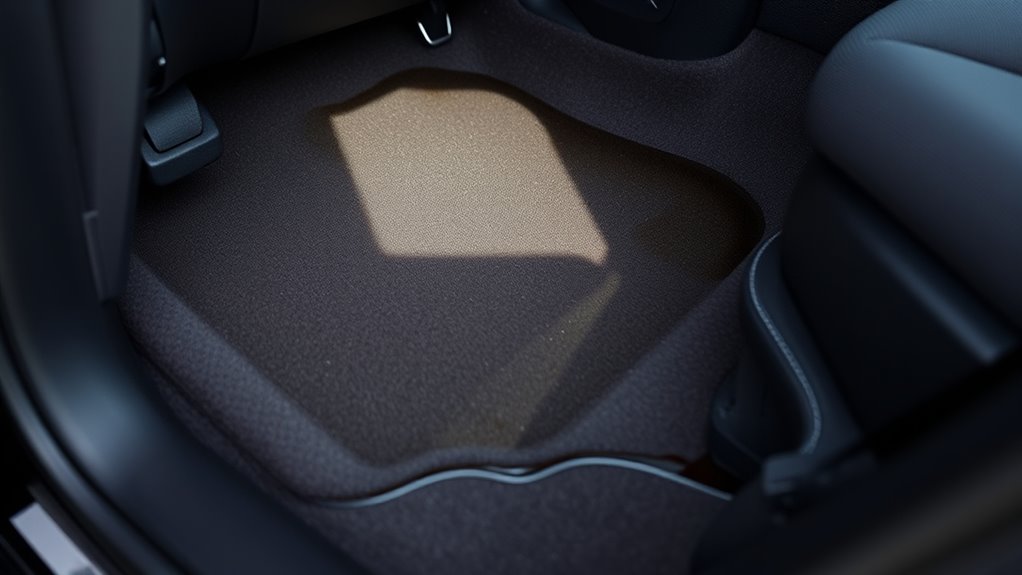
A wet rear floorboard on the driver’s side of a Toyota Camry often points to a leak that is not immediately visible. The source may be a blocked A/C drain, failed door or window seals, or water entering from the trunk and spare tire well. Each path can leave the carpet damp while the actual entry point stays hidden. Identifying the cause requires a methodical check, and the next clues are not always where they seem.
Why Your Toyota Camry Rear Floorboard Is Wet
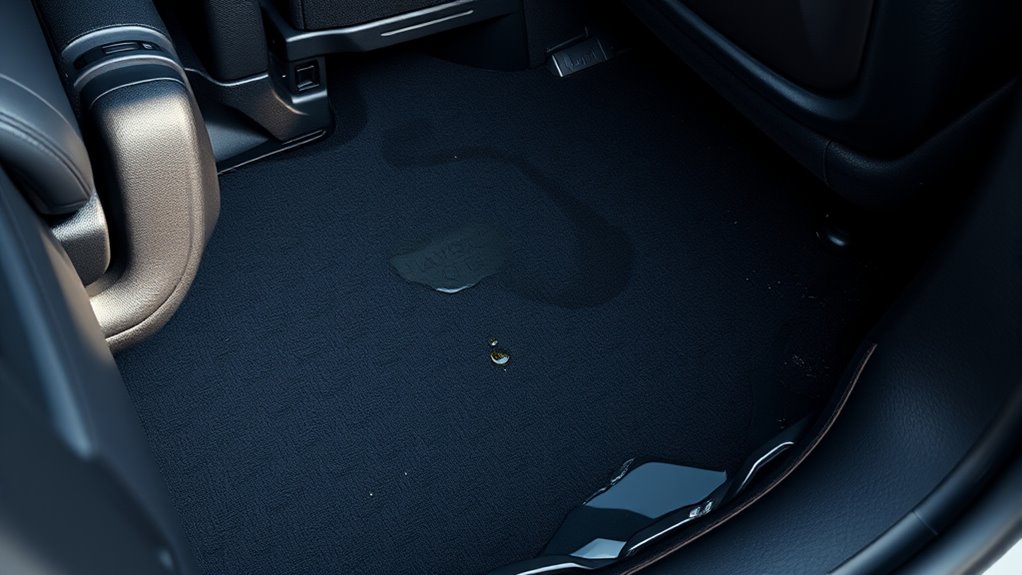
A wet rear floorboard in a Toyota Camry typically points to a drainage or sealing fault rather than a simple spill. The rear floorboard should be treated as evidence of water intrusion migrating from another path, not as an isolated cabin event.
Common sources include rainwater entering through compromised window, door, or sunroof seals, and hidden leakage from the trunk area that collects in the spare tire well before spreading forward.
Technicians often verify suspected leaks by observing seams with soapy water and looking for bubbling at weak points. If the rear floorboard is damp after rainfall, the body openings deserve close inspection, because failed seals allow moisture to bypass intended barriers and undermine the vehicle’s dry interior.
Regular maintenance of seals and drainage passages preserves cabin integrity and prevents recurring intrusion. A systematic diagnosis supports freedom from guesswork, wasted repairs, and preventable water damage.
Check the A/C Drain First
The A/C drain on a Toyota Camry is typically located beneath the vehicle near the passenger footwell, where debris can obstruct the outlet and allow condensate to back up into the cabin.
A blocked drain often presents as water pooling in the floorboards, especially after A/C use on humid days.
Clearing the tube with a flexible nylon line can restore flow without damaging the drain.
A/C Drain Location
Because a blocked condensate line is a common cause of interior water accumulation, the Toyota Camry’s A/C drain should be checked first, as it is typically located under the vehicle near the passenger footwell.
This A/C drain location allows evaporator moisture to exit beneath the chassis rather than migrate into the cabin. If the passage is obstructed, condensation can back up and collect on the floorboards, including the rear area.
Inspection should focus on verifying that the outlet is present, unobstructed, and not dripping excessively after extended A/C operation.
The objective is straightforward: confirm that water is leaving the system at the proper exterior point. Establishing the drain’s position and condition provides a fast, disciplined diagnostic path and supports a more liberated, leak-free cabin environment.
Clear The Drain
Clearing the A/C drain should be the first corrective step when a Toyota Camry shows interior water intrusion, especially if moisture is appearing on the driver’s or passenger’s floorboard after air conditioning use.
A blocked A/C drain can trap condensation and force water into the cabin, often pooling on the driver’s side rear floorboard. The drain is located under the vehicle near the passenger footwell.
A flexible tool, such as string trimmer line, can be inserted to dislodge debris without damaging the passage. This simple diagnostic action restores proper drainage and protects interior freedom from unwanted dampness.
If water persists after clearing the A/C drain, further inspection of door seals, windows, and other leak paths is warranted.
Regular maintenance prevents recurrence and preserves effective condensation evacuation.
Rule Out Rain Leaks in the Cabin
Rain intrusion should be isolated first with a controlled hose test over the windshield, roof, door frames, and rear glass to identify the entry point.
Window seals should then be inspected for cracks, hardening, or misalignment that could permit cabin leakage.
The sunroof drain tubes should also be checked for blockage, since restricted drainage can force water into the interior.
Rain Test Inspection
A controlled hose test should be used to simulate rainfall and isolate external water entry points on the Toyota Camry. During this rain test inspection, water should be directed methodically at the windows, sunroof, and door seals while the interior is monitored for intrusion.
The rear driver-side floor deserves close attention, because localized pooling there suggests a leak path distinct from the air-conditioning drain. The spare tire well should also be checked for standing water, which may indicate rear body seal leakage.
Soapy water applied to window seams can reveal bubbles that confirm air paths capable of admitting rainwater. After the test, the vehicle should sit and be rechecked; any reappearance of moisture helps verify the source before repair, supporting a precise, self-directed diagnosis.
Window Seal Check
Window seals should be inspected for visible cracking, gaps, or deterioration, since even minor damage can admit rainwater into the Toyota Camry cabin.
| Check | Diagnostic focus |
|---|---|
| Visual inspection | Cracks, splits, hardening |
| Water test | Spray around window edges |
| Leak points | Corners and seams |
The window seals must remain continuous and pliable. A gentle water test, applied around the glass perimeter, helps confirm whether moisture enters the cabin. If leakage appears, the technician should examine corners and edges first, because wear and poor seating often begin there. A soapy water solution may expose intrusion points by forming bubbles at failures in the seal. Worn window seals should be renewed promptly to preserve the interior, prevent recurring water intrusion, and keep the vehicle free from avoidable damage.
Sunroof Drain Check
If window seals remain intact yet the cabin still shows signs of moisture, the sunroof drainage system should be checked as a possible rain-entry source. Each corner of the sunroof is equipped with a drain tube intended to route water away from the interior.
When debris blocks these passages, water can accumulate and migrate into the rear floor area. A diagnostic test requires pouring a small amount of water into the sunroof channels and observing discharge at the drain exits. Free flow confirms proper drainage; backing up indicates restriction.
Any blockage should be cleared promptly to restore the system’s function and prevent cabin leaks. Regular cleaning of the sunroof drains preserves drainage capacity and helps the vehicle remain dry, secure, and free from avoidable intrusion.
Inspect Door Seals, Window Tracks, and Vents
Door seals should be inspected for cracks, flattening, or separation, since worn or damaged seals can admit rainwater, especially around the rear door area where water often collects.
The door seals must seat evenly against the body; any gap, hardening, or distortion indicates a possible entry path for water.
Window tracks should also be examined for debris, corrosion, or standing moisture, because blocked tracks can divert water inward instead of through the intended drainage channels.
Those channels in the window frame must remain clear so runoff exits freely and does not pool near the rear floor.
Vent openings deserve similar scrutiny; obstructions, broken flaps, or damaged housings can force water back into the cabin during heavy rain or AC operation.
A hose test along door and window edges on a dry day can isolate leaks with precision, allowing the owner to restore a sealed, autonomous cabin without guessing.
Check the Spare Tire Well for Water
After confirming that door seals, window tracks, and vents are not admitting water, the inspection should move to the spare tire well. This area often reveals hidden intrusion because runoff from a compromised seal or fixture can collect there before reaching the rear floor board drivers side.
Any standing water, damp carpet, or residue in the spare tire well should be treated as diagnostic evidence, not a minor inconvenience. If the vehicle has not recently seen rain, moisture in this compartment is especially significant and may indicate an internal leak path.
Standing water in the spare tire well is diagnostic evidence, often signaling an internal leak path.
The technician should also examine the metal for rust, pitting, or impact damage, since corrosion and deformation can defeat sealing surfaces. Because water can migrate forward or upward from the spare tire well into the cabin, early detection matters.
Routine monitoring preserves structural integrity, limits mold growth, and supports a more direct, liberated repair process.
Test the Leak Source With Water and AC
To isolate the leak source in a Toyota Camry rear floorboard, a controlled water test should be performed by running water over the exterior, with attention to windows, sunroof edges, door seals, and rear body seams.
The cabin should be observed for intrusion at the passenger side floor and rear footwell while the water is applied gradually, not forcefully. If moisture appears, the entry path can be mapped by section.
- Apply water to one zone at a time, then pause and inspect for seepage.
- Use soapy water on seams and seals; bubbling identifies a breach.
- Operate the AC and monitor for condensation buildup, since a blocked drain can discharge into the interior.
The AC drain tube beneath the vehicle near the passenger footwell should also be checked externally for flow.
This method helps the vehicle owner identify the leak source precisely and reclaim a dry, usable cabin.
Clear the Drain and Dry the Carpet
A clogged A/C drain should be cleared promptly if water is pooling on the rear floorboard, since backed-up condensate can mimic or worsen a body leak. The drain tube should be checked for restriction, then cleared with a flexible tool such as string trimmer line to dislodge debris without puncturing the evaporator case.
After flow is restored, the A/C can be run for an extended period to confirm that condensate exits normally and does not return to the cabin. Any wet carpet padding must be removed and dried outside the vehicle, because trapped moisture sustains mold and mildew. The floor covering may be left exposed to air until fully dry.
During the same inspection, rear door seals and the trunk area should be evaluated for rain intrusion. This method isolates the drainage fault, restores a dry interior, and preserves the owner’s freedom from recurring dampness and hidden biological contamination.
Frequently Asked Questions
Why Does My Floor Board Get Wet on the Driver Side?
The floor board gets wet on the driver side because water is entering through Drainage Issues, most often a clogged A/C evaporator drain, failed door or windshield seals, or blocked sunroof channels.
These faults let condensation or rain collect inside the cabin instead of exiting externally.
A detached diagnostic approach would inspect drain passages, seals, and carpeting for moisture patterns, then correct the obstruction or seal failure to restore a dry, autonomous interior.
What Causes Water in the Back Floorboard of a Car?
Water in the back floorboard usually comes from hidden drainage issues, where condensation, rain, or runoff slips through the vehicle like a quiet tide.
A clogged A/C drain tube can spill moisture inside, while failed window, door, or sunroof seals admit rainwater.
Debris may block drain paths, and the spare tire well can reveal intrusion.
Systematic inspection restores control, clarity, and interior freedom.
My Toyota Camry Is Leaking Water. What Could Be Causing This?
Leak Diagnosis suggests clogged A/C drain tubes, degraded window or sunroof seals, or compromised trunk and rear-door weatherstripping.
Condensation may back up and saturate the cabin, while rainwater can enter through failed seams.
Inspect the spare tire well for pooled water, then test seals with soapy water to locate hidden ingress.
Clean drainage paths and renew aged gaskets to restore a dry, self-determined interior free from persistent intrusion.
What’s the Worst Year for a Toyota Camry?
The worst Toyota Camry year is often considered 2007, due to poor Camry reliability, engine defects, and excessive oil consumption.
Diagnostic reports also flag 2009 and 2010 for transmission and brake failures, while 2003 showed air-conditioning and wear issues.
From a liberation-oriented perspective, identifying these failure-prone years helps drivers avoid costly dependence on compromised systems and choose a model with stronger structural integrity and operational autonomy.
Conclusion
In a Toyota Camry with a wet rear floorboard on the driver’s side, the most likely causes are a clogged A/C drain, compromised door or window seals, or water intrusion from the trunk or spare tire well. Why let hidden moisture linger under the carpet like a silent fault line? A controlled inspection and hose test isolate the entry point quickly. Once identified, clear the drain, repair the seal, and dry the interior completely to prevent mold and repeat leakage.

