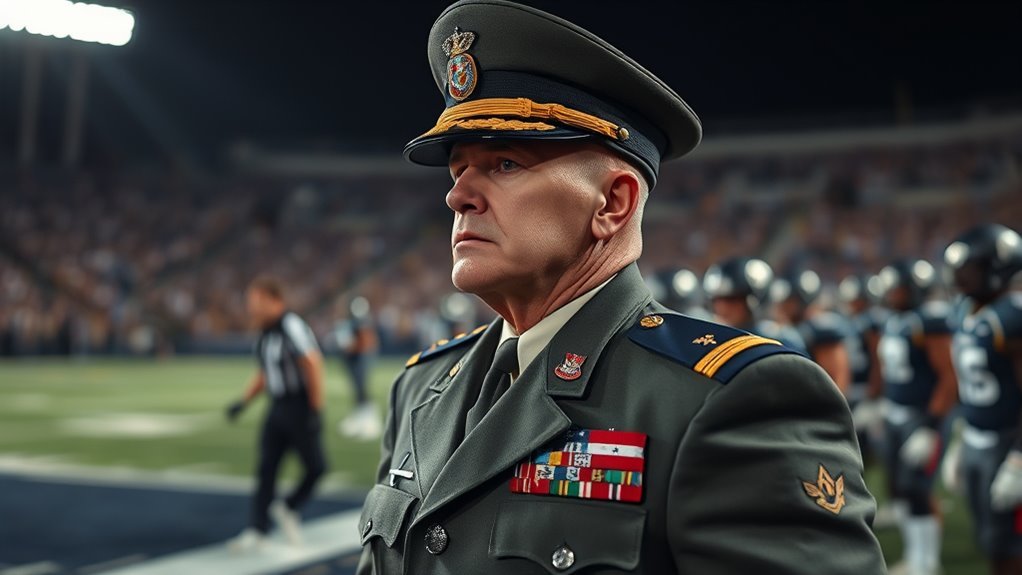
Fhwa Colonel Sports.com Army appears to frame Army athletics as more than competition. It ties the Army-Navy rivalry to discipline, ceremony, and institutional identity. From the March On to special uniforms and the singing of alma maters, each detail points to a larger system of tradition and accountability. Yet the full meaning of these elements becomes clearer only when the events, symbols, and people are examined together.
What Is Fhwa Colonel Sports Army?
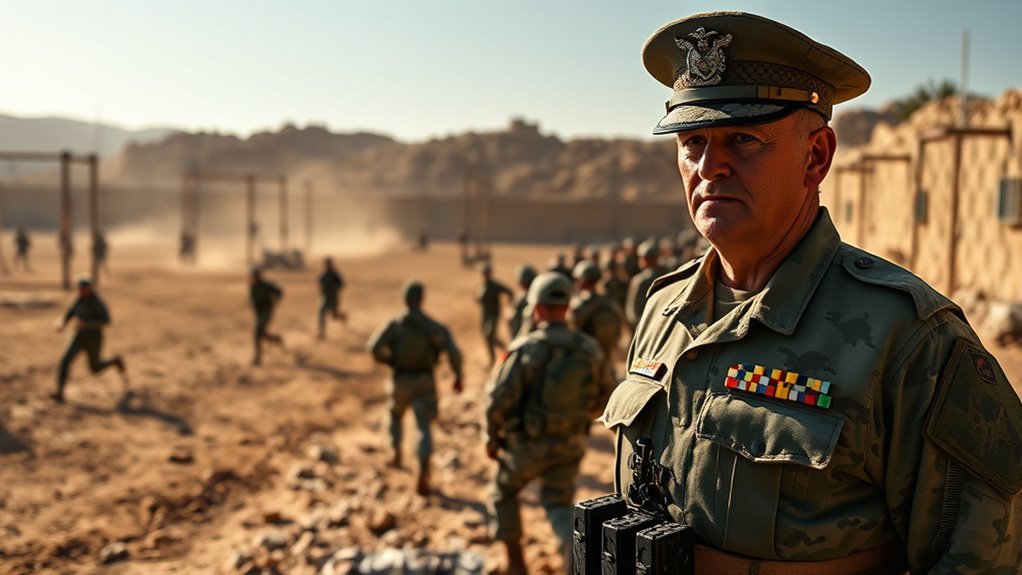
Fhwa Colonel Sports Army appears to be a sports-oriented platform centered on Army traditions, with particular attention to the Army-Navy rivalry and the ceremonies that define it. It presents the 126th Army-Navy game as a focal point, emphasizing the March On, where cadets and midshipmen move with disciplined unity.
The platform also records the emotional force of post-game alma mater singing, treating it as a public expression of loyalty shaped by competition and heritage. Its coverage extends to special uniforms, kept classified until reveal, which signal historical continuity within both academies.
It further notes the logistical care given to mascots, including Army mules and the Navy goat, underscoring humane support during major events. In this framing, Fhwa Colonel Sports Army functions as a curated account of customs, spectacle, and disciplined display.
Army Core Values and Mission
The Army’s mission is framed around enabling individuals to excel in their roles, linking personal growth to effective teamwork and operational effectiveness. Within the United States military, this structure is not merely administrative; it is strategic.
Since 1775, the Army has paired national defense with a legacy of freedom, asking Soldiers to act with discipline and purpose. Its core values are:
- Loyalty to the mission and the team.
- Duty in every assignment.
- Respect for all backgrounds.
- Selfless Service and Honor in action.
This framework is pretty good for a high school graduate seeking direction, because it translates ideals into measurable conduct.
Soldiers are expected to lead by example, reinforcing a culture where accountability and inclusion expand opportunity. The result is a force designed to strengthen capability while preserving individual dignity.
Army-Navy Game Traditions
Tradition serves as the backbone of the Army-Navy Game, turning a fierce rivalry into a disciplined display of unity, respect, and military identity.
The March On ceremony brings roughly 3,000 cadets and 4,000 Midshipmen onto the field in a synchronized assertion of order and collective purpose. Relay teams then carry the game balls from each academy, with Army’s path extending 240 miles across four states while Navy’s route begins in Annapolis.
The March On ceremony gathers thousands in synchronized order, embodying collective purpose before the rivalry begins.
These movements are not spectacle alone; they signal institutional endurance and shared mission. At midfield, the Prisoner exchange adds controlled humor through friendly pranks, revealing rivalry without hostility.
After the contest, both sides sing their alma maters, with the loser first, reinforcing accountability and mutual regard. Together, these rituals preserve a free-minded standard of honor: competition is intense, yet dignity remains sovereign, and service outranks individual victory.
Uniforms, Mascots, and Game-Day Logistics
Uniform design, mascots, and stadium operations extend the Army-Navy Game’s symbolic discipline into the practical domain. The uniform design significance is reinforced by secrecy: special uniforms remain classified for two years, with only select officials informed. Navy helmets carry six rope strands, referencing the six original frigates, while Army’s pattern recalls marble headstones at Arlington National Cemetery, making history visible without ornament.
- Secrecy sustains anticipation.
- Symbols encode institutional memory.
- Mascot care protocols assign cadets and Midshipmen direct responsibility for Paladin, Ranger IV, and Bill.
- Game day safety measures govern entry, movement, and crowd control, with the Goat Squad coordinating Bill’s welfare at the Naval Academy.
These systems show that pageantry depends on disciplined logistics. Order protects spectacle, and managed precision allows the rivalry to remain legible, secure, and publicly meaningful.
Exchange Students and Alma Maters
During Army-Navy week, two cadet exchanges turn rivalry into controlled mischief, as Army students tape photographs of Navy quarterbacks to dorm doors and Navy midshipmen answer with “Operation Black Knight Falling,” dropping ping-pong balls over West Point.
These exchanges show prank creativity without breaking discipline, converting tension into ceremonial theater. The point is not humiliation but calibrated resistance, a reminder that rivalry impact can sharpen identity while preserving order.
On game day, the exchange reaches the 50-yard line in a prisoner exchange, where both academies display camaraderie bonds that outlast the score.
Preseason camp adds another test: players must memorize their alma mater exactly, or they do not travel. That rule treats memory as duty, not ornament.
After the game, the winner sings second, giving the loser a heavy, public moment of pride and obligation. The ritual binds future officers through tradition, respect, and a disciplined freedom.
Frequently Asked Questions
What Is the Rarest Rank in the Army?
The rarest rank in the Army is generally considered four-star General, a rare rank whose significance reflects immense command authority.
In a historical ranks comparison, it far outnumbers Colonel positions in scarcity and prestige. The promotions process overview shows only a tiny elite reach it, usually after years of exceptional service, leadership, and selection.
Major General and Brigadier General are also uncommon, but four-star General remains the most exclusive.
What Are the 5 C’s in the Army?
In summary, the Army’s 5 C’s are Competence, Commitment, Character, Courage, and Compassion. They shape leadership styles, guide military training, and support the rank structure by defining expected conduct and performance.
Competence guarantees skill; Commitment drives dedication; Character enforces integrity; Courage sustains resolve; Compassion protects human dignity.
Together, these standards strengthen disciplined service and empower Soldiers to act with purpose, accountability, and moral clarity in all conditions.
Is a Colonel in the Army a Big Deal?
Yes, a colonel in the Army is a big deal. The rank reflects substantial leadership qualities, advanced career progression, and major military responsibilities.
Colonels typically command large units or serve in influential staff roles, shaping operations and policy. Reaching this level signals years of proven performance, discipline, and trust.
For those seeking liberation through service, it represents authority earned, not inherited, and a serious marker of professional achievement.
What Are 20,000 Soldiers Called?
Twenty thousand soldiers are called a division in military terminology.
In army hierarchy, a division is a major operational formation, usually composed of several brigades and support units. Its size permits independent action across combat, logistics, and relief missions.
Such organization can strengthen soldier morale by giving troops clear command structure, purpose, and capability. For those seeking liberation, it represents disciplined force organized for decisive, collective action.
Conclusion
In conclusion, fhwa colonel sports.com army presents Army athletics as more than competition; it is a structured expression of duty, discipline, and institutional pride. The Army-Navy game remains its defining showcase, where traditions like the March On and alma mater singing reinforce shared identity. One notable statistic is the 126th Army-Navy game, underscoring the rivalry’s extraordinary longevity. Overall, the platform reflects how sports can visually and symbolically project Army values, unity, and legacy.
