
Golf rangefinders should give you a useful distance quickly, without making you fight the controls or second-guess the reading. This guide compares laser and GPS models so you can match the device to your course-management style.
Among the currently verified picks, Precision Pro NX10 Slope stands out for its 5–999 yard range, 6x magnification and simple slope switch. For a lower-cost GPS-style option, Garmin Approach G12 gives front, middle and back yardages plus hazard information without aiming a laser.
We checked linked Amazon listings, manufacturer specifications, warranty details, product status and recall information, then corrected claims that no longer matched current sources.
Golf Rangefinders Compared
| Product | Best for | Range / coverage | Technology | Score |
|---|---|---|---|---|
| Discontinued model; existing owners or remaining seller stock | 5–1,300 yd | Laser, slope | 94/100 | |
|
Premium
|
Pin acquisition and pulse confirmation | 5–1,000 yd | Laser, slope | 88/100 |
|
Mid-range
|
Best overall verified pick | 5–999 yd | Laser, slope | 86/100 |
|
Mid-range
|
Cart-friendly rechargeable laser | Up to 900 yd | Laser, slope | 80/100 |
|
Budget
|
GPS clip-on course management | 42,000+ courses | GPS | 83/100 |
Golf Rangefinders: Our Top Picks
1. Bushnell Tour V6 Shift

Bottom line: The linked ASIN is the Bushnell Tour V6 Shift, not the plain Tour V6. Bushnell now marks the Tour V6 Shift as discontinued, so it stays here for accuracy but is not one of the recommended current picks.
- Technology: Laser with switchable slope, useful for practice and events
- Range / coverage: 5–1,300 yards, suited to long course sightlines
- Magnification: 6x, helps frame distant flags
- Power: CR2 battery, easy to replace between rounds
- Water resistance: IPX6, built for wet on-course conditions
PinSeeker with Visual JOLT gives visual and vibration feedback when the laser locks onto the flag. The Shift version also adds Bushnell’s slope switch, so you can disable compensated distance when competition rules require it.
The BITE magnetic mount keeps the unit accessible on a cart, while the 6x optics and long stated range suit golfers who prefer a traditional laser view. The main catch is product status: this generation has been replaced in Bushnell’s lineup.
Owner Sentiment Snapshot
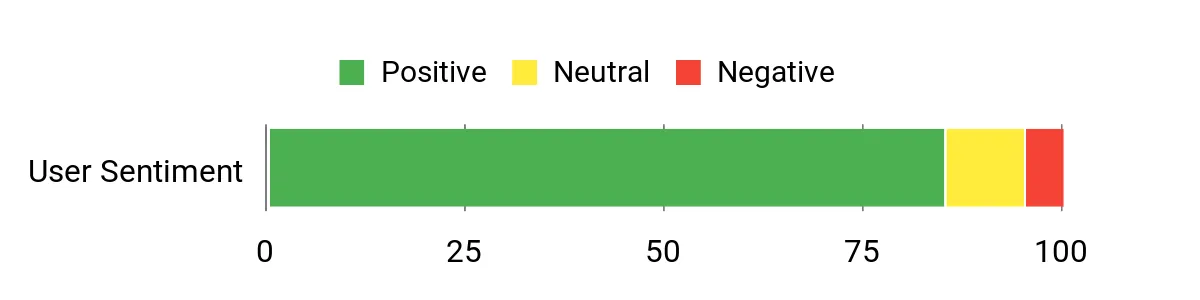
- Long 5–1,300 yard stated range
- 6x magnification with Visual JOLT feedback
- Slope switch for practice or tournament setup
- IPX6 weather resistance and magnetic cart mount
- Discontinued by Bushnell
- Uses a replaceable CR2 battery instead of USB charging
- Older generation than the current Tour V7 Shift
2. Callaway 300 Pro

Bottom line: The Callaway 300 Pro is a compact 6x laser for golfers who want clear pin-lock confirmation without a complicated interface. Its P.A.T. system can lock onto a pin at up to 300 yards, then gives a short vibration to confirm the target.
- Technology: Laser with switchable slope, flexible for practice and events
- Range / coverage: 5–1,000 yards, broad enough for course targets
- Magnification: 6x, useful for isolating a distant flag
- Power: Replaceable battery system, simple to service on the course
- Water resistance: Water/fog resistant, intended for normal golf conditions
The biggest correction from the old copy is the lock feedback: Callaway specifies a short vibrating pulse, not an audible chirp. That tactile confirmation helps you know the laser has found the pin instead of a background object.
The external slope switch makes the mode easy to identify before a competitive round. It also supports yards or meters and includes scan mode for checking more than one target as you look across the hole.
Owner Sentiment Snapshot
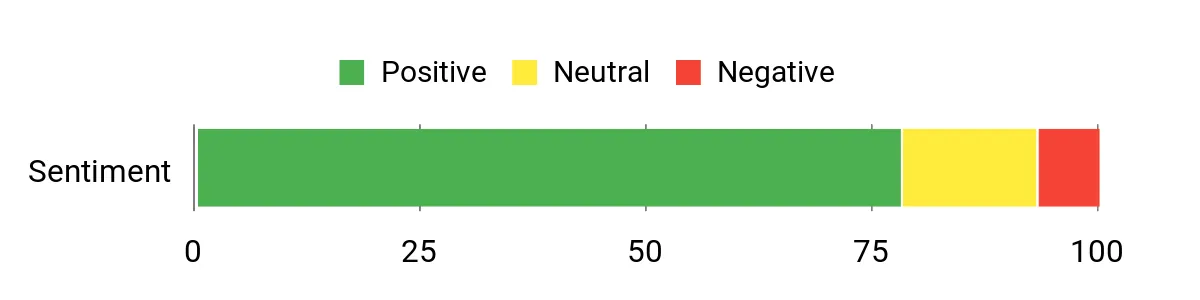
- P.A.T. can lock onto a pin up to 300 yards
- Pulse vibration confirms a successful pin lock
- 6x magnification and 5–1,000 yard stated range
- External slope switch is easy to verify before competition
- No rechargeable USB-C battery
- Manufacturer page currently lists the model as not available direct
- Laser aiming still requires a steady hand
3. Precision Pro NX10 Slope
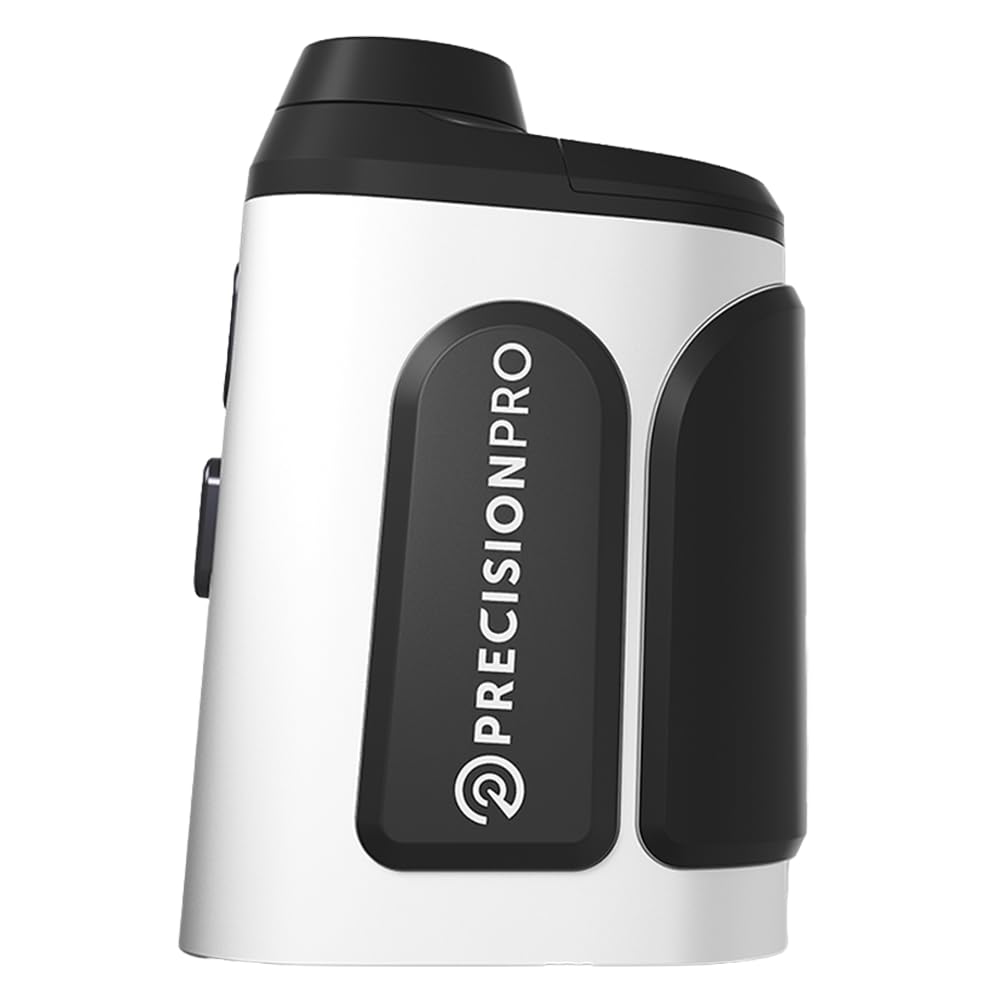
Bottom line: The Precision Pro NX10 Slope is the strongest current all-around laser in this list. It combines a 5–999 yard measurement range, 6x magnification, a physical slope switch and a three-year manufacturer warranty.
- Technology: Laser with switchable slope, straightforward for mixed play
- Range / coverage: 5–999 yards, enough for normal golf targets
- Magnification: 6x, supports precise target framing
- Power: Replaceable CR2 battery, no charging cable required
- Warranty: 3 years, longer coverage than many peers here
Precision Pro lists a 400-yard flag range, which is more useful than focusing only on the maximum reflective-target number. The current manufacturer specification also lists the NX10 at 12 ounces, correcting the older 15-ounce figure in the source article.
The unit works as a standalone laser with no app required. Its slope switch can be turned off for tournament-legal mode, and the magnetic mount is designed to hold the rangefinder on a cart bar between shots.
Owner Sentiment Snapshot
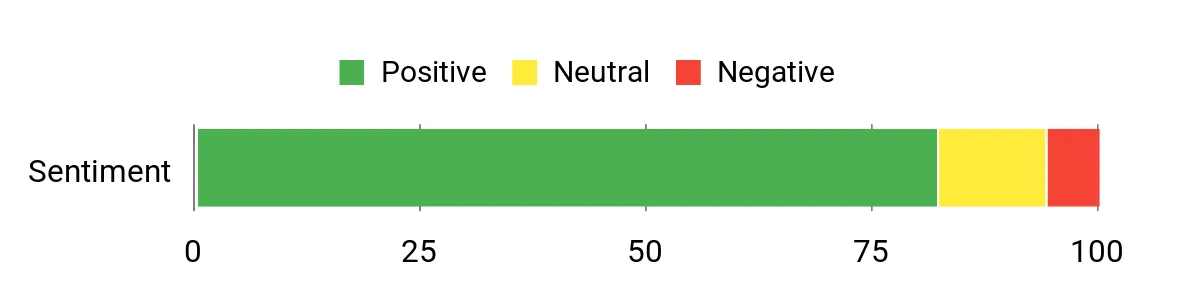
- 5–999 yard measurement range with 400-yard flag range
- 6x magnification with a physical slope switch
- Replaceable CR2 battery is easy to swap
- Three-year manufacturer warranty
- Interchangeable exterior plates for customization
- Not a rechargeable rangefinder
- No built-in GPS course mapping
- At 12 oz, it is not the lightest laser in the group
4. Blue Tees Series 3 Max+

Bottom line: The Blue Tees Series 3 Max+ suits cart golfers who want a built-in magnet and USB-C charging. Blue Tees currently lists 6x magnification, a 900-yard maximum range and IPX4 water resistance for this model.
- Technology: Laser with switchable slope, practical for everyday rounds
- Range / coverage: Up to 900 yards, sufficient for course targeting
- Magnification: 6x, helps identify flags at distance
- Power: USB-C rechargeable, avoids disposable battery swaps
- Water resistance: IPX4, suitable for light rain and splashes
Flag lock with pulse vibration gives tactile confirmation after you acquire the target. The magnetic mount keeps the unit close on a cart, and the slope switch lets you turn compensated yardage off when required.
The original article listed a 1,000-yard maximum. Blue Tees’ current Series 3 Max+ comparison now shows 900 yards, so this version uses the manufacturer’s current specification.
Owner Sentiment Snapshot
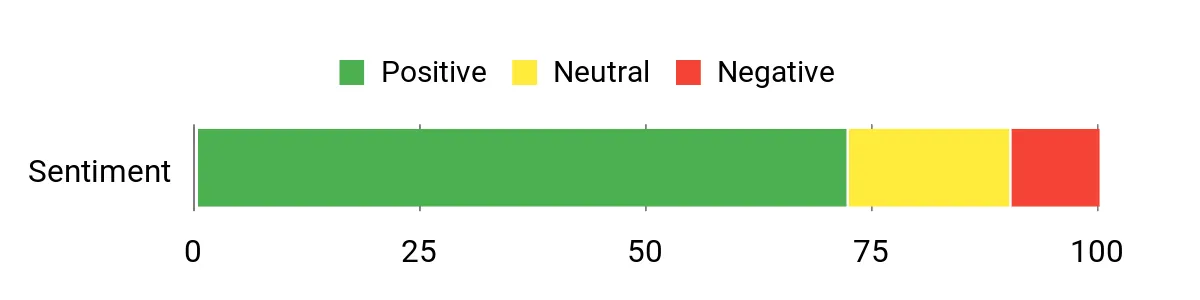
- USB-C rechargeable battery
- Built-in magnetic cart mount
- Flag lock with pulse vibration
- 6x magnification and slope switch
- IPX4 water resistance
- Manufacturer currently shows the Series 3 Max+ as sold out direct
- 900-yard manufacturer range is shorter than the old article claimed
- IPX4 is less protective than higher water-resistance ratings
5. Garmin Approach G12

Bottom line: The Garmin Approach G12 is the easiest pick here for golfers who prefer GPS course context over laser aiming. It comes with more than 42,000 preloaded courses and can show front, middle and back green distances, hazards and doglegs.
- Technology: GPS, no laser aiming required
- Range / coverage: 42,000+ preloaded courses, useful for travel
- Power: Built-in rechargeable battery, up to 30 hours in GPS mode
- Water resistance: IPX7, designed for wet outdoor use
- Display: 1.3-inch sunlight-readable screen, compact for clipping on
The G12 is more about course management than exact flagstick targeting. Big Numbers mode helps with quick checks, while Green View lets you see the green shape and move the pin position for a more useful reference.
It can pair with the Garmin Golf app for course updates and scorecard syncing. Optional Approach CT10 sensors add shot tracking, but they are sold separately.
Owner Sentiment Snapshot
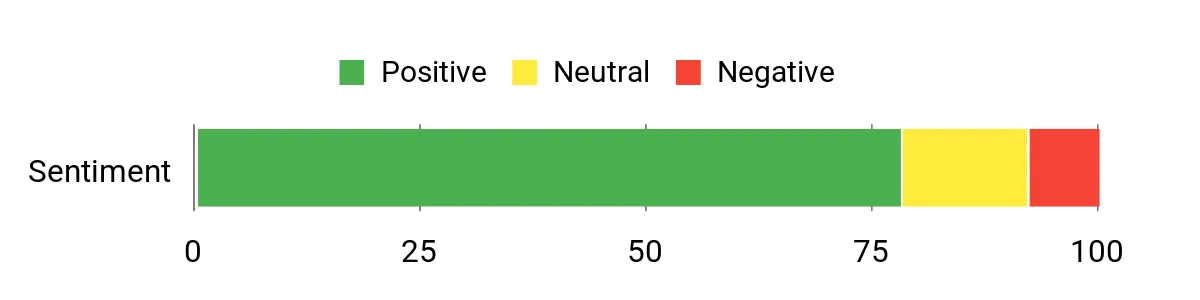
- More than 42,000 preloaded courses
- Up to 30 hours of GPS battery life
- IPX7 water rating
- Front, middle and back yardages plus hazards and doglegs
- Built-in clip and lanyard loop
- Does not give a laser-measured distance to the flagstick
- Course updates and syncing add app dependence for connected features
- CT10 shot-tracking sensors are sold separately
Precision Pro NX10 Slope vs Garmin Approach G12: Is the Upgrade Worth It?
The choice is less about one device replacing the other and more about how you measure distance. The NX10 gives exact laser readings to what you aim at, while the G12 gives broader GPS context for the hole.
- Targeting: NX10 measures a specific point; G12 shows mapped course distances.
- Slope: NX10 provides switchable slope compensation; G12 focuses on GPS yardages.
- Battery: NX10 uses a replaceable CR2; G12 recharges and runs up to 30 hours in GPS mode.
- Course awareness: G12 adds hazards, doglegs and green views without aiming.
Which Golf Rangefinder Should You Buy?
- For a current all-around laser: get the Precision Pro NX10 Slope.
- For fast pin-lock feedback: get the Callaway 300 Pro.
- For USB-C charging and cart mounting: get the Blue Tees Series 3 Max+.
- For GPS course management: get the Garmin Approach G12.
How We Chose
- Exact-model verification: We matched each article link to the model and ASIN it currently opens.
- Distance tools: We compared stated laser range, GPS course coverage, magnification and target-lock features.
- Competition settings: We checked whether slope can be disabled on models that offer it.
- Ownership basics: We checked battery type, water resistance and manufacturer warranty where current documentation was available.
- Product status: We reviewed manufacturer pages and recall searches so discontinued or unavailable models are not presented as current recommendations.
Golf Rangefinder Buying Guide
Laser vs GPS
Choose a laser when you want a distance to one exact target you can see. The Precision Pro NX10 Slope is the clearest fit here for that job. Choose GPS when you want front, middle and back green distances, hazard positions and course context without aiming; that is where the Garmin Approach G12 makes more sense.
Slope Compensation
Slope adjusts a distance for elevation, which is useful during practice and casual play. For competition, the important part is a clear way to turn slope off when the event rules require it. The Callaway 300 Pro, Precision Pro NX10 Slope and Blue Tees Series 3 Max+ all use an external slope-control approach.
Range and Magnification
Maximum laser range matters less than reliable flag acquisition at normal golf distances. Six-power magnification is common across the verified laser models here. Compare the stated overall range with the flag-specific range when the manufacturer provides one, as Precision Pro does for the NX10.
Battery Type
A replaceable CR2 battery is easy to swap, while USB charging reduces disposable battery use. The NX10 uses CR2 power, the Blue Tees Series 3 Max+ is USB-C rechargeable, and the Garmin Approach G12 has a built-in rechargeable battery rated for up to 30 hours in GPS mode.
Weather Resistance
Golf gear gets exposed to dew, rain and wet cart compartments. An IP rating gives you a clearer comparison than a vague “weather resistant” claim. In this group, the Blue Tees Series 3 Max+ is IPX4, the discontinued Bushnell Tour V6 Shift is IPX6, and the Garmin Approach G12 is IPX7.
Mounting and Carrying
Cart golfers often benefit from a built-in magnet because the rangefinder stays visible between shots. Walkers may prefer a clip, lanyard or lighter device. The Garmin G12 uses a built-in clip and lanyard loop, while several lasers use magnetic cart mounting.
Mistakes to Avoid When Buying a Golf Rangefinder
- Buying the wrong model generation: match the exact model name and ASIN before checkout.
- Assuming slope is always competition legal: confirm the feature can be disabled and follow local event rules.
- Comparing only maximum range: flag-lock behavior and optics matter more on normal approach shots.
- Ignoring battery style: decide whether you prefer replaceable CR2 power or USB charging.
- Forgetting course data needs: GPS users should update maps before unfamiliar rounds.
FAQs
Is a laser or GPS golf rangefinder better?
A laser is better when you want an exact distance to a visible target, while GPS is better for quick course context. Lasers can measure a flag, tree or bunker edge you aim at. GPS units show mapped front, middle and back green yardages plus hazards and doglegs, which can be faster on unfamiliar courses.
Are slope features legal for tournaments?
Slope itself is not generally used during rounds played under rules that prohibit elevation-adjusted distance. A rangefinder with slope can still be suitable when the slope function is clearly disabled. Check the event or local rules before play, then make sure the device is in its non-slope mode before the round starts.
How much range does a golf laser rangefinder need?
You rarely need the full marketing maximum to measure a normal golf flag. A more useful comparison is whether the device can reliably identify pins at the distances you commonly face. For example, Precision Pro separately lists a 400-yard flag range for the NX10 in addition to its longer overall measurement range.
What is the advantage of a GPS golf rangefinder?
GPS gives you course context without needing a direct line of sight or steady aim. A device such as the Garmin Approach G12 can show front, middle and back green yardages, hazards, doglegs and the green shape. That makes it useful for blind shots, unfamiliar courses and quick club-selection checks.
Should I choose rechargeable or replaceable batteries?
Choose rechargeable power if you prefer plugging the device in between rounds and avoiding disposable batteries. Choose replaceable batteries if you want to carry a spare and swap it immediately on the course. Both approaches work well; the better choice depends on how often you play and how you manage charging.
How do I keep rangefinder readings consistent?
For a laser, hold the device steady, aim at the intended target and use its vibration or visual lock cue when available. Keep the lens clean and confirm the correct mode before play. For GPS, install software and course updates so the device is working from current mapping data.
Final Verdict
For this golf rangefinder lineup, the Precision Pro NX10 Slope is the strongest current all-around choice because it combines a useful laser range, 6x magnification, switchable slope and a three-year warranty. The Garmin Approach G12 is the better fit when you want GPS course context instead of exact laser targeting.
For a GPS alternative, see the Garmin Approach G12. For pin-lock-focused laser use, see the Callaway 300 Pro.
Product Image Reference