
Choosing among the best Garmin Forerunner watches comes down to how much GPS precision, training analysis and navigation you actually need. The right model should fit your wrist, your running goals and the amount of data you want to use.
For most runners here, Garmin Forerunner 55 is the best overall because it is light, simple and rated for up to two weeks in smartwatch mode. The Garmin Forerunner 165 is the Best value pick if you want an AMOLED touchscreen and more modern training features.
These picks were checked against Garmin specifications and the linked Amazon listings, with battery, GPS, training tools, fit and current model status weighted most heavily.
Garmin Forerunner Watches Compared
| Product | Best for | Display | Battery: smartwatch / GPS | Case / weight | Score |
|---|---|---|---|---|---|
|
Budget
|
Best overall | 1.04-inch MIP | 2 weeks / 20 hr | 42 mm / 37 g | 83/100 |
|
Mid-range
|
Best value | 1.2-inch AMOLED | 11 days / 19 hr | 43 mm / 39 g | 88/100 |
|
Mid-range
|
Best training metrics | 1.3-inch AMOLED | 13 days / 20 hr | 46.1 mm / 47 g | 92/100 |
|
Premium
|
Best for small wrists | 1.2-inch AMOLED | 10 days / 18 hr | 42.4 mm / 42 g | 96/100 |
|
Premium
|
Premium pick | 1.4-inch AMOLED | 15 days / 26 hr | 47 mm / 56 g | 95/100 |
Best Garmin Forerunner Watches: Our Top Picks
1. Garmin Forerunner 55

Bottom line: The Garmin Forerunner 55 is the simplest route to useful running guidance in this group. Buy it if you value low weight, buttons and long battery life more than a touchscreen or advanced training-readiness metrics.
- Display: 1.04-inch MIP, readable without an AMOLED panel
- Smartwatch battery: Up to 2 weeks, fewer routine charges
- GPS battery: Up to 20 hours, enough for long activities
- Case / weight: 42 mm / 37 g, light for daily wear
The Forerunner 55 tracks pace, distance, speed and wrist heart rate, then adds daily suggested workouts that adapt to your history and recovery time. PacePro support can also give pace guidance for a selected course or distance.
Its button-first interface is useful in rain, sweat or gloves, and the 37 g weight keeps it unobtrusive for daily runs and overnight wear. You also get built-in profiles for running, cycling, pool swimming, HIIT, Pilates and breathwork.
Sentiment Snapshot
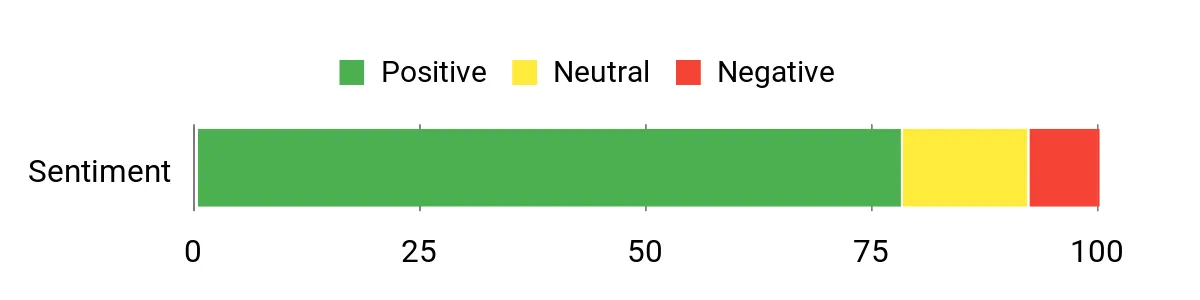
- Very light 37 g design
- Up to two weeks of smartwatch battery
- Daily suggested workouts and PacePro guidance
- Simple five-button operation
- No AMOLED touchscreen
- No multi-band GPS
- Lacks training readiness found on higher models
2. Garmin Forerunner 165

Bottom line: The Garmin Forerunner 165 is a strong step up when display quality and day-to-day usability matter. It keeps a compact 43 mm case while adding an AMOLED touchscreen, Garmin Pay and richer running metrics.
- Display: 1.2-inch AMOLED, bright full-color touchscreen
- Smartwatch battery: Up to 11 days, good daily endurance
- GPS battery: Up to 19 hours, suited to long runs
- Case / weight: 43 mm / 39 g, compact and light
Race-adaptive training plans can adjust suggested workouts around an event you add in Garmin Connect. Wrist-based running power and dynamics bring more detail than the Forerunner 55, while the morning report puts sleep, recovery and training information in one place.
The trade-off is positioning depth. This model does not include multi-band GPS or training readiness, and it is not the full triathlon-focused option that the 265, 570 and 970 are. For road running and everyday fitness, that simpler scope can be a good balance.
Sentiment Snapshot
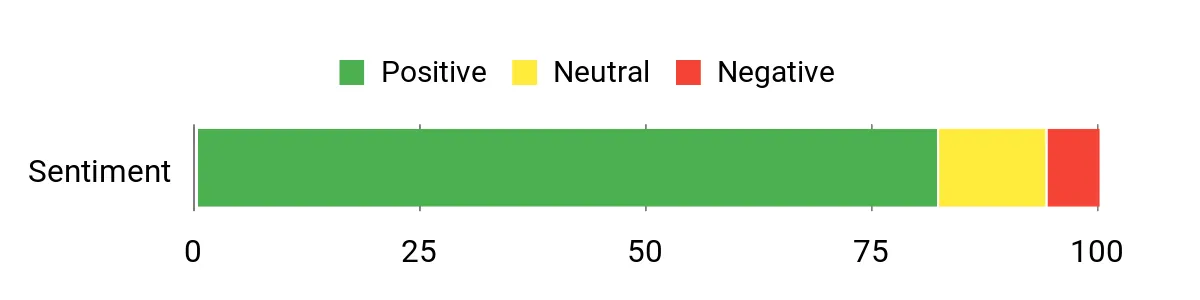
- 1.2-inch AMOLED touchscreen
- Up to 11 days of smartwatch battery
- Race-adaptive plans and Garmin Coach
- Wrist-based running power and dynamics
- No multi-band GPS
- No training readiness
- Less complete multisport support than higher models
3. Garmin Forerunner 265
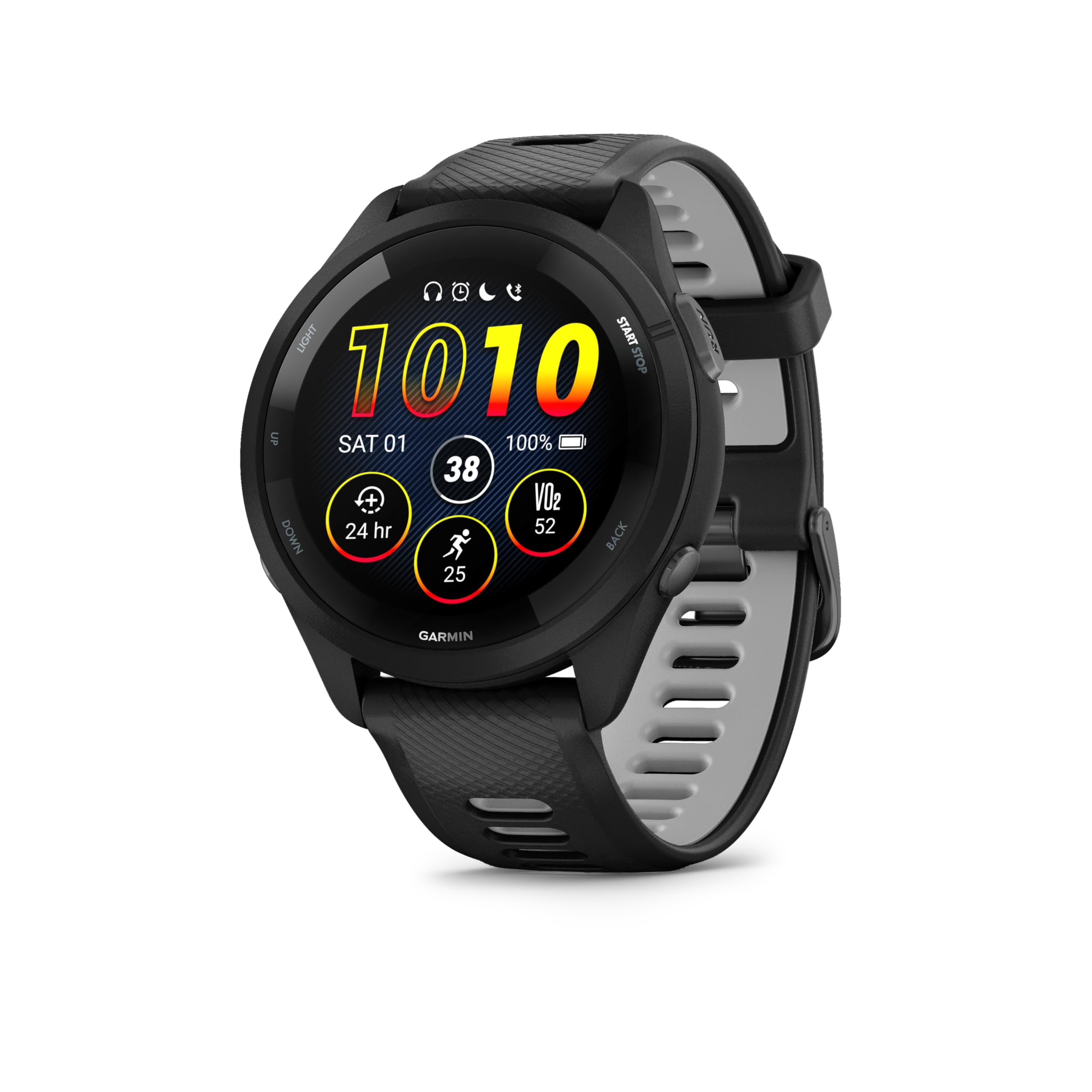
Bottom line: The Garmin Forerunner 265 is the training-focused sweet spot in this list. It combines AMOLED, multi-band GPS and training readiness without requiring you to move to the larger map-equipped flagship.
- Display: 1.3-inch AMOLED, more room for workout data
- Smartwatch battery: Up to 13 days, strong everyday runtime
- GPS battery: Up to 20 hours, solid for endurance sessions
- Case / weight: 46.1 mm / 47 g, larger training-focused fit
Training readiness brings sleep quality, recovery, training load and HRV status into a daily score you can use when planning hard or easy sessions. SatIQ and multi-band GPS improve positioning in challenging environments while balancing battery use.
You also get more than 30 activity profiles, including triathlon, cycling and open-water swimming, plus music storage and Garmin Pay. The linked version is the larger 46.1 mm Forerunner 265, so runners with small wrists should check fit before ordering.
Sentiment Snapshot
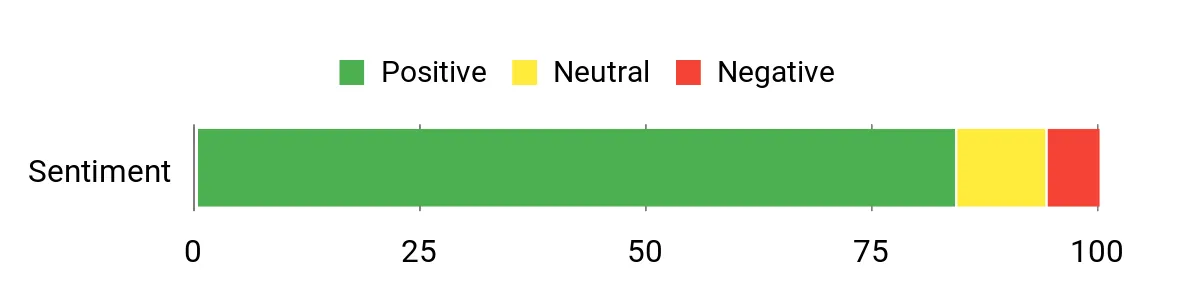
- Multi-band GPS with SatIQ
- Training readiness and training status
- More than 30 activity profiles including triathlon
- Music storage and Garmin Pay
- 46.1 mm case may feel large on small wrists
- No full-color built-in maps
- Multi-band GPS shortens battery versus GPS-only mode
4. Garmin Forerunner 570

Bottom line: The linked Garmin Forerunner 570 is the 42 mm version, making it the most compelling advanced option here for smaller wrists. It adds multi-band GPS, training readiness, music, Garmin Pay and phone-connected calling.
- Display: 1.2-inch AMOLED, compact full-color screen
- Smartwatch battery: Up to 10 days, balanced for daily wear
- GPS battery: Up to 18 hours, enough for long training days
- Case / weight: 42.4 mm / 42 g, smaller premium fit
Garmin combines its advanced running metrics with training status, wrist-based running power, running dynamics and daily training readiness. SatIQ and multi-band GPS are designed to improve positioning while managing battery use.
The built-in speaker and microphone let you make and take calls when the watch is paired with a compatible smartphone. It also supports music storage, Garmin Pay and triathlon coaching, so it works well as both a daily wearable and a serious training watch.
Sentiment Snapshot
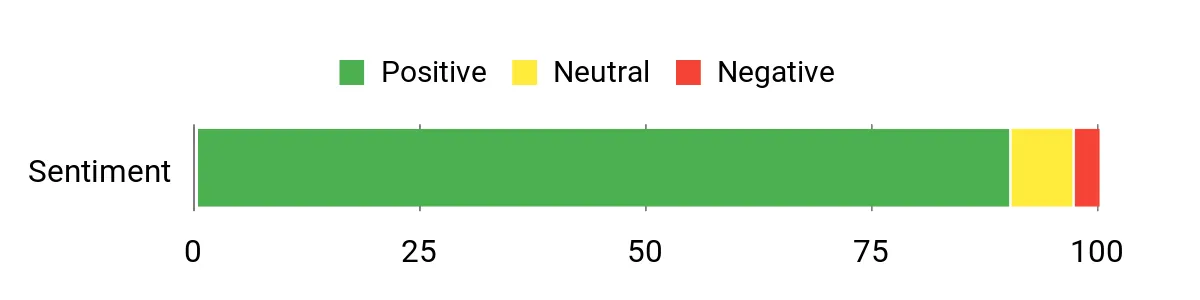
- 42.4 mm case fits smaller wrists better
- Multi-band GPS with SatIQ
- Training readiness and advanced running metrics
- Built-in speaker and microphone
- No built-in mapping like the Forerunner 970
- Shorter smartwatch battery than the 265 and 970
- Phone calling requires a paired compatible smartphone
5. Garmin Forerunner 970

Bottom line: The Garmin Forerunner 970 is the premium choice for runners and triathletes who will use maps, high-end materials and Garmin’s deepest performance tools. Its feature set is extensive, but the 47 mm case is the largest here.
- Display: 1.4-inch AMOLED, largest screen in this group
- Smartwatch battery: Up to 15 days, longest here
- GPS battery: Up to 26 hours, longest GPS-only limit here
- Case / weight: 47 mm / 56 g, large premium build
The 970 adds full-color built-in mapping and dynamic routing, which separates it from the other four picks. A sapphire crystal, titanium bezel and built-in LED flashlight also make it the most hardware-rich model in this comparison.
Its training tools include multi-band GPS, training readiness, running tolerance and advanced running metrics. Two headline metrics—running economy and step speed loss—require Garmin’s HRM 600 heart-rate monitor, so factor that accessory requirement into your decision.
Sentiment Snapshot
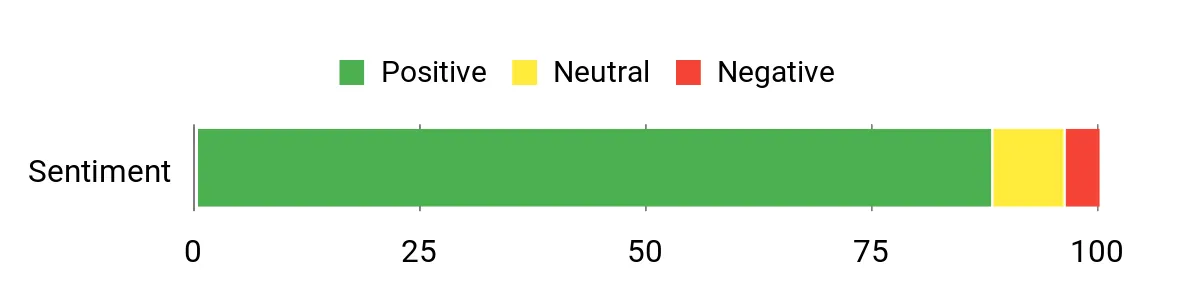
- Full-color built-in maps and routing
- Sapphire crystal and titanium bezel
- Multi-band GPS plus advanced training tools
- Built-in LED flashlight, speaker and microphone
- Largest and heaviest case in this shortlist
- Premium feature set can be unnecessary for basic running
- Running economy and step speed loss require HRM 600
Garmin Forerunner 55 vs Garmin Forerunner 165: Is the Upgrade Worth It?
The main trade-off is simplicity versus a brighter interface and richer running data. The Forerunner 55 lasts longer in smartwatch mode, while the Forerunner 165 adds AMOLED, touch controls and more modern training features.
- Display: the 55 uses a 1.04-inch MIP screen; the 165 uses a 1.2-inch AMOLED touchscreen.
- Battery: the 55 is rated up to two weeks in smartwatch mode versus 11 days for the 165.
- Training detail: the 165 adds wrist-based running power and dynamics plus race-adaptive plans.
- Everyday features: the 165 adds Garmin Pay while keeping traditional buttons alongside touch.
Which Garmin Forerunner Watch Should You Buy?
- Simple running and long battery: get the Garmin Forerunner 55.
- AMOLED value: get the Garmin Forerunner 165.
- Advanced training metrics: get the Garmin Forerunner 265.
- Advanced features on a smaller wrist: get the Garmin Forerunner 570.
- Maps and flagship hardware: get the Garmin Forerunner 970.
How We Chose
- GPS: we compared standard positioning with multi-band GPS and SatIQ where available.
- Training depth: we checked coaching, running dynamics, training readiness, multisport support and mapping.
- Battery and fit: we compared Garmin battery limits alongside case size, weight and wrist-fit ranges.
- Daily features: we considered display type, touch controls, music, payments, speaker and microphone features.
- Sources: specifications came from Garmin product comparisons, support documentation and announcements; linked variants were checked against their Amazon product pages, and safety/recall sources were checked for disqualifying issues.
Garmin Forerunner Buying Guide
GPS Accuracy and Multi-Band Positioning
Standard GPS is enough for many open-road runs. Multi-band positioning is more useful when signals reflect or get blocked around tall buildings, steep terrain or dense cover. In this group, the Garmin Forerunner 265, Garmin Forerunner 570 and Garmin Forerunner 970 include multi-band GPS; the 55 and 165 do not.
Display and Controls
The Garmin Forerunner 55 uses a sunlight-visible MIP display and button controls. The 165, 265, 570 and 970 use AMOLED touchscreens while still keeping physical buttons. Choose MIP if simplicity and long everyday battery matter most; choose AMOLED if you value a brighter, higher-resolution interface.
Training Readiness and Performance Metrics
Training readiness is most useful when you want one daily signal that considers recovery-related data before harder sessions. The Garmin Forerunner 265, Garmin Forerunner 570 and Garmin Forerunner 970 include it. The 55 keeps training guidance simpler, while the 165 offers useful running metrics without the full training-readiness layer.
Maps and Navigation
If you want full-color maps on the watch, choose the Garmin Forerunner 970. It is the only model in this shortlist with built-in mapping and routing. If you mostly follow familiar roads or use a phone for navigation, paying for the map hardware may add little value.
Case Size and Comfort
Case size matters during long runs and sleep tracking. The linked Garmin Forerunner 570 is 42.4 mm and fits Garmin’s stated 115–178 mm wrist range. The 55 is even lighter at 37 g. The 265 and 970 are larger, so check wrist circumference instead of relying on case diameter alone.
Battery Life
Battery claims depend on mode. Smartwatch limits run from 10 days on the linked 570 to 15 days on the 970, while GPS-only limits range from 18 to 26 hours across these five watches. Multi-band positioning, music and always-on display settings can reduce runtime, so compare the mode you use most.
Smart Features
The Garmin Forerunner 570 and Garmin Forerunner 970 add built-in speakers and microphones for phone-connected calling and voice features. Garmin Pay is available on the 165, 265, 570 and 970. Music storage is standard on the 265, 570 and 970, while the standard linked 165 is not the Music version.
Mistakes to Avoid When Buying a Garmin Forerunner
- Buying only by model number: compare the actual features you will use, not just the newest or highest number.
- Ignoring case size: measure your wrist and check the exact linked variant before ordering.
- Assuming every model has multi-band GPS: it is available on only some watches in this shortlist.
- Paying for maps you will not use: built-in mapping is valuable for navigation-heavy training, not every run.
- Overlooking accessory requirements: some advanced Forerunner 970 metrics require the HRM 600.
FAQs
Which Garmin Forerunner Model Should I Choose?
Choose the Garmin Forerunner 55 for simple running guidance, the Forerunner 165 for an AMOLED touchscreen and adaptive plans, and the Forerunner 265 for multi-band GPS plus training readiness. The Forerunner 570 adds a smaller premium case with speaker and microphone, while the Forerunner 970 is the one to choose here when you need built-in maps and flagship materials.
Which Garmin Forerunner Has the Longest Battery Life?
Among these five linked models, the Garmin Forerunner 970 has the highest quoted battery limits: up to 15 days in smartwatch mode and up to 26 hours in GPS-only mode. Battery life falls when you use features such as multi-band positioning, always-on display settings or music, so compare the mode you actually expect to use.
Which Garmin Forerunner Models Have Multi-Band GPS?
The Garmin Forerunner 265, Forerunner 570 and Forerunner 970 include multi-band GPS. That feature is useful when satellite signals are harder to receive, such as around tall buildings or dense cover. The Forerunner 55 and Forerunner 165 use standard satellite positioning, which keeps their feature sets simpler.
Which Garmin Forerunner Has Built-In Maps?
The Garmin Forerunner 970 is the only watch in this five-model shortlist with full-color built-in mapping. It can sync courses and provide turn-by-turn directions, making it the strongest fit here for runners and cyclists who want map-based navigation from the wrist. The other models focus more on workout and route data than full maps.
Which Garmin Forerunner Is Better for Small Wrists?
The Garmin Forerunner 570 linked here is the 42 mm version, with a 42.4 mm case and a stated wrist-fit range of 115–178 mm. The lighter Forerunner 55 is also compact at 42 mm and 37 g. Compare wrist circumference as well as case diameter before choosing, especially if you plan to wear the watch overnight.
Can I Swim With These Garmin Forerunner Watches?
Yes. Garmin rates all five models in this roundup to 5 ATM, so they are designed for swimming and everyday water exposure within Garmin’s stated water-rating limits. Activity support still differs by model: some watches offer broader multisport and open-water features than others, so choose based on the type of swimming or triathlon training you plan to track.
Do Garmin Forerunner Watches Work With iPhone and Android?
Yes. These Forerunner watches work with compatible iPhone and Android smartphones through Garmin Connect for setup, syncing, notifications and software updates. Connected functions vary by model. For example, the Forerunner 570 and 970 add speaker and microphone features when paired with a compatible phone, while the simpler models focus on notifications and activity syncing.
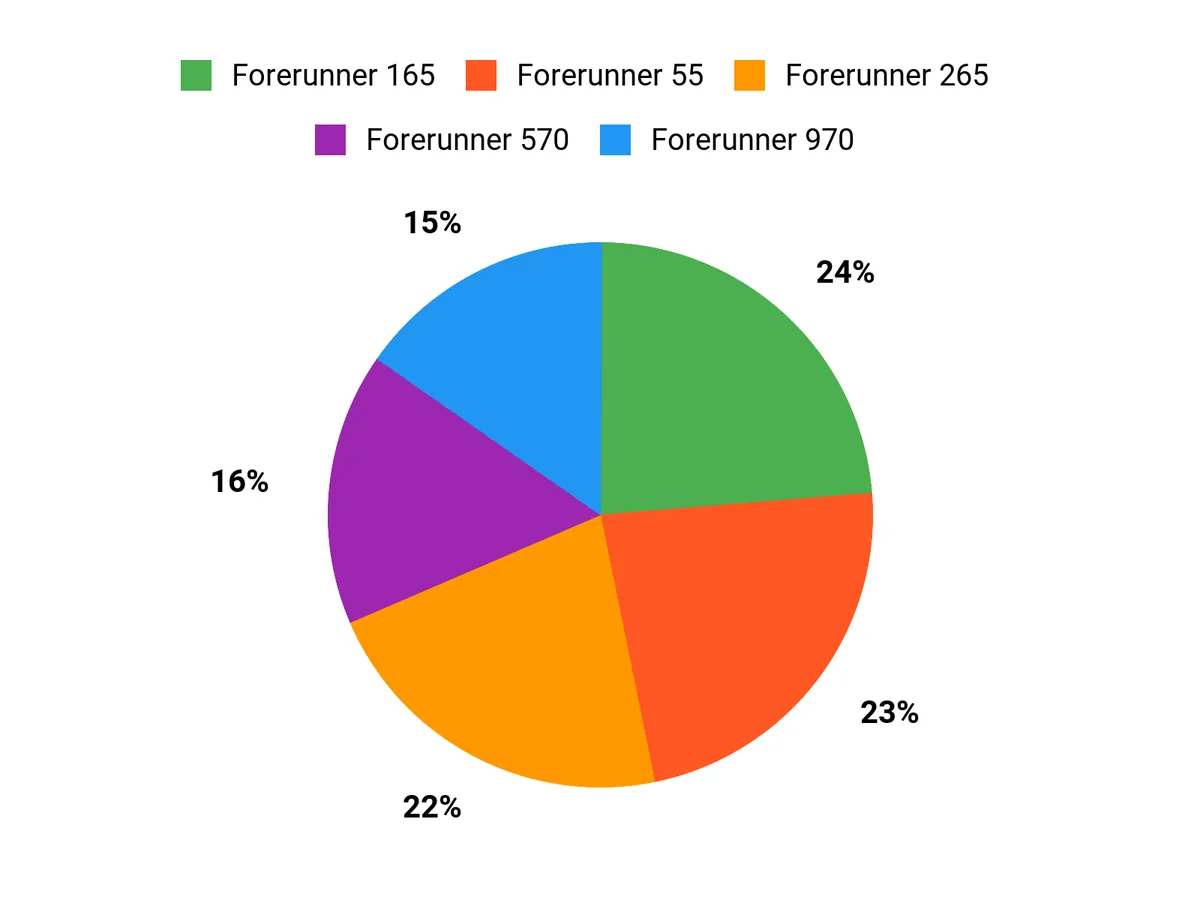
Customer Preferences
For a simpler experience, the Forerunner 55 and 165 keep the focus on core running and coaching. The 265, 570 and 970 make more sense as you add multi-band GPS, multisport training, advanced recovery data or map navigation to your priorities.
Final Verdict: Best Garmin Forerunner Watches
The Garmin Forerunner 55 remains the best overall pick in this five-watch roundup because it covers the essentials with low weight, simple controls and long battery life. Move up only when a specific feature—AMOLED, multi-band GPS, smaller premium fit or built-in maps—will materially improve how you train.
For a brighter everyday watch, see the Garmin Forerunner 165. For maps, sapphire and Garmin’s top training feature set, see the Garmin Forerunner 970.
