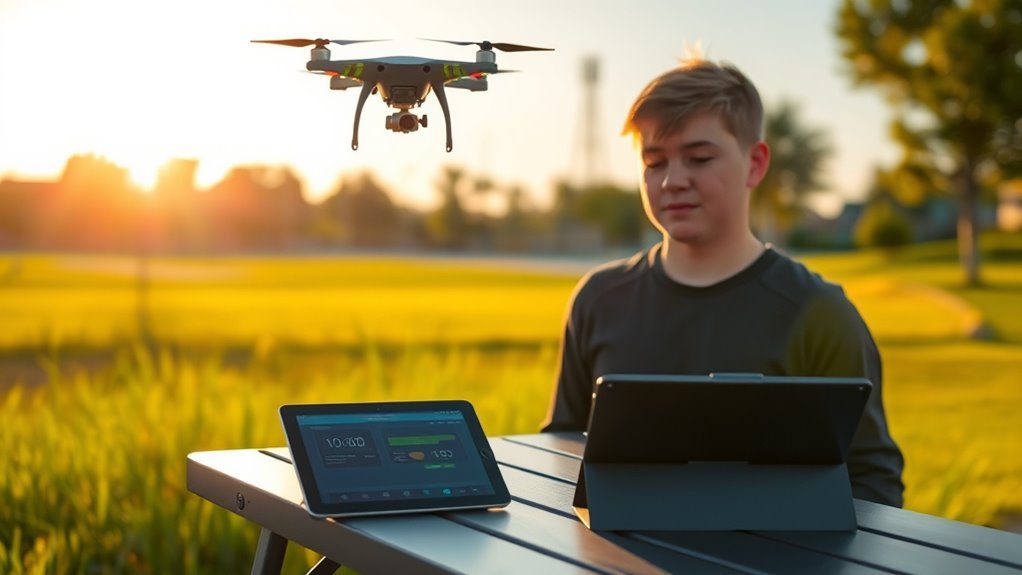
The FAA TRUST test is the required safety exam for many recreational drone pilots in the United States. It is free, brief, and available through FAA-approved providers online. Yet the process is not just a formality. It determines who can legally fly, what the test covers, and what proof must be kept after passing. A few details can prevent costly mistakes.
What Is the FAA TRUST Test?
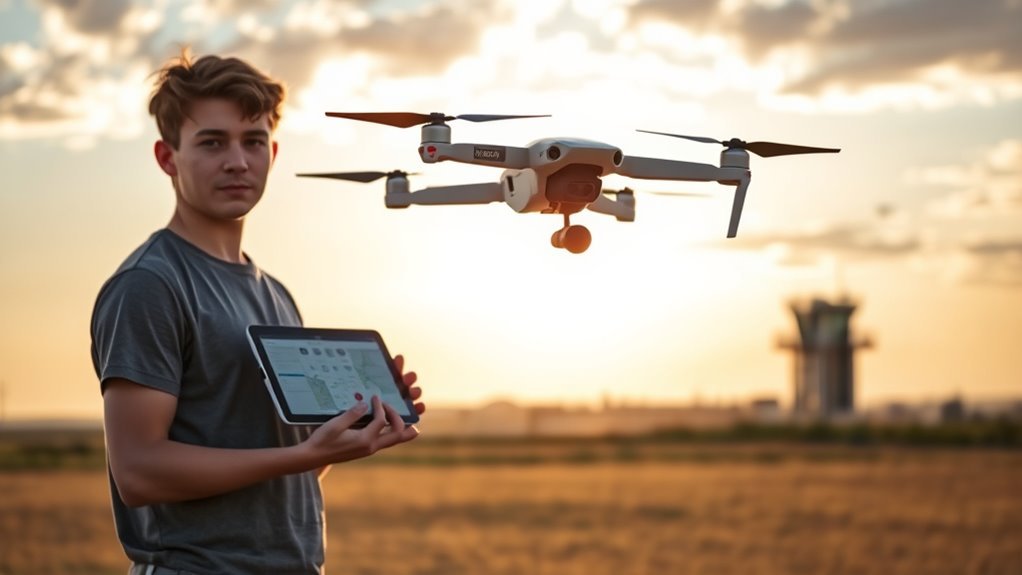
The FAA TRUST Test is a free online exam that recreational drone flyers must complete to demonstrate knowledge of safety practices and regulatory requirements.
Launched by the FAA in June 2021, TRUST serves as an aeronautical knowledge check for UAS operators in the recreational category. The online test is short, usually completed in about 30 minutes, and includes four quizzes with unlimited attempts until the applicant can pass.
Its structure is designed to deliver educational safety material without unnecessary barriers, supporting responsible freedom in the air. TRUST is administered through an FAA-approved Test Administrator, such as UAV Coach, which guarantees the content remains aligned with FAA rules and safe operating practices.
After successful completion, the flyer receives a completion certificate that should remain accessible during flight. This certificate functions as proof of compliance with recreational flying requirements and confirms the individual has met the FAA’s baseline knowledge expectation.
Who Needs the FAA TRUST Test?
Anyone who flies a drone in the United States for recreational purposes needs to take the FAA TRUST test, regardless of prior experience.
For recreational flyers, the TRUST requirement is mandatory and tied to legal compliance under FAA rules. The test applies to a UAS used for leisure, especially a drone over 0.55 lbs, which must also be registered with the FAA.
Passing the test produces a completion certificate that serves as proof of compliance and should be shown if law enforcement asks for it. Non-U.S. citizens may also take the test, expanding access to lawful recreational flight.
- Recreational drone operators
- Pilots of eligible UAS above 0.55 lbs
- Non-U.S. citizens seeking FAA compliance
The requirement is straightforward: anyone seeking to fly freely, yet within the law, must complete TRUST before operating recreationally.
Where Can You Take TRUST for Free?
Free TRUST testing is available through FAA-approved Test Administrators, including online options such as UAV Coach, with no cost to recreational flyers.
Since June 2021, the UAS Safety Test has been free for recreational drone flyers, with no hidden fees or required purchases. The TRUST exam may be completed online from home in about 30 minutes, giving users flexible access without travel or scheduling burdens.
FAA-approved Test Administrators offer unlimited attempts, so a failed effort does not create additional expense or delay. After passing, the completion certificate must be downloaded immediately, because administrators do not keep certificate records for later retrieval.
This simple process supports pilots who want lawful access to flight with minimal friction. For those seeking freedom in the skies, TRUST remains an accessible path to compliance, available through free, online providers like UAV Coach and other FAA-approved Test Administrators.
How the TRUST Test Format Works
Typically, the TRUST test is organized as four short quizzes that cover essential aeronautical knowledge for recreational drone flying and can be completed in about 30 minutes. For recreational flyers, the FAA approved test is designed for clarity and freedom, not pressure.
Reading materials appear first, allowing each participant to study before answering questions about airspace restrictions, safety, and basic operating rules.
- Four concise quizzes, not a single long exam.
- Unlimited retakes until the user can pass.
- Free access with no hidden fee.
Because the process is built for accessibility, users may repeat the test as often as needed. After a passing score is achieved, a completion certificate is generated.
That certificate should be downloaded, saved, or printed for future verification during drone operations. The format rewards preparation, patience, and informed compliance, giving recreational flyers a direct path to legal confidence.
What to Do After You Pass TRUST
After the TRUST test is passed, the certificate should be downloaded, saved, or printed immediately, since it may be required as proof of compliance if requested by law enforcement.
This FAA approved UAS Safety Test completion certificate should be kept accessible whenever recreational flyers operate a drone. It does not expire, but it should be stored securely and carried in a form that is easy to present.
If one loses your certificate, the only way to obtain a new one is to re-take TRUST, because test administrators do not retain issue records. For that reason, saving a digital copy and keeping a print copy is prudent.
After certification, pilots should also review local laws and airspace restrictions before flight. Responsible operation protects freedom in the sky while meeting federal and local requirements.
The certificate is not a flight authorization; it is verification of compliance.
Frequently Asked Questions
Where Can I Take the FAA Trust Test?
The FAA TRUST test can be taken through FAA testing locations using Online testing platforms approved by the FAA.
It is also often available through FAA approved schools, Community colleges, Aviation training centers, Public libraries, Local drone clubs, Drone meetups, and Educational workshops offering Remote testing options.
These pathways provide free access, flexible scheduling, and immediate certification, allowing participants to complete the requirement without unnecessary barriers or institutional gatekeeping.
How Hard Is the Trust Test?
Hardly a monster; the TRUST test is almost absurdly easy. With no prior drone knowledge required, it rewards basic reading over stress.
Test preparation tips, study resources, and practice quizzes quickly defeat common misconceptions and test anxiety. Passing strategies center on time management, feedback importance, and note-taking during the free training.
Its real world applications are modest, yet certification benefits are clear, and unlimited attempts make success highly likely.
Is the FAA Trust Test Free?
Yes, the FAA TRUST test is free.
This TRUST test overview shows that FAA regulations require no payment for the exam, certificate, or retakes.
Drone safety guidance is reinforced through a simple Certification process, supported by Test preparation, Online resources, and Learning materials.
The Importance of compliance is clear, and Frequently asked questions often address Common misconceptions about hidden fees.
It is available at no cost through approved administrators.
What Questions Are on the Trust Test?
The TRUST test asks multiple-choice questions on FAA regulations, drone safety, airspace classification, testing procedures, pilot responsibilities, and common mistakes.
It uses a simple exam format with educational resources and study tips provided before testing. Questions often cover registration weight limits, airspace rules, and legal duties.
The certification process is designed to confirm understanding, and unlimited retakes allow correction of errors until passing.
Conclusion
In conclusion, the FAA TRUST Test remains a simple, free compliance step for recreational drone pilots in the United States. It verifies basic aeronautical knowledge, is widely accessible through approved administrators, and requires only a modest time commitment. Once passed, the completion certificate should be saved carefully as proof of compliance. For anyone flying a drone over 0.55 pounds, skipping TRUST is not merely unwise; it is a digital-age folly with real regulatory consequences.
