Finding safe FPV spots starts before you arm the quad. You need a location that is legal, open enough for your skill level, respectful of nearby people, and away from restricted airspace, wildlife, traffic, and private property issues. A good spot is not just “empty space.” It is a place where you can fly while protecting your drone, your reputation, and everyone around you.
Quick Answer
To find safe FPV spots, check airspace first, confirm land access, avoid crowds and wildlife, respect noise rules, and choose open areas with clear recovery paths. Use official airspace tools, maps, local clubs, and pre-flight site checks before you fly.
Key Takeaways
- Check controlled airspace, temporary flight restrictions, parks rules, and local ordinances before flying.
- Get permission before using private land, empty lots, school fields, business properties, or farm areas.
- Avoid flying over people, moving vehicles, wildlife, roads, playgrounds, homes, and sensitive habitats.
- If you fly with FPV goggles, use a visual observer when required so the aircraft stays within unaided visual line of sight.
- Scout every spot for launch space, landing space, failsafe recovery, obstacles, noise concerns, and safe parking.
At a Glance
| Time Required | 10 to 30 minutes to screen a new location before your first flight |
| Difficulty | Easy to moderate, depending on local airspace and property rules |
| Tools Needed | Airspace app, weather app, Google Maps or Google Earth, local rules, and a pre-flight checklist |
| Cost | Usually free, unless you join a club, rent a field, or need a permit |
Understanding Local Regulations for FPV Flying
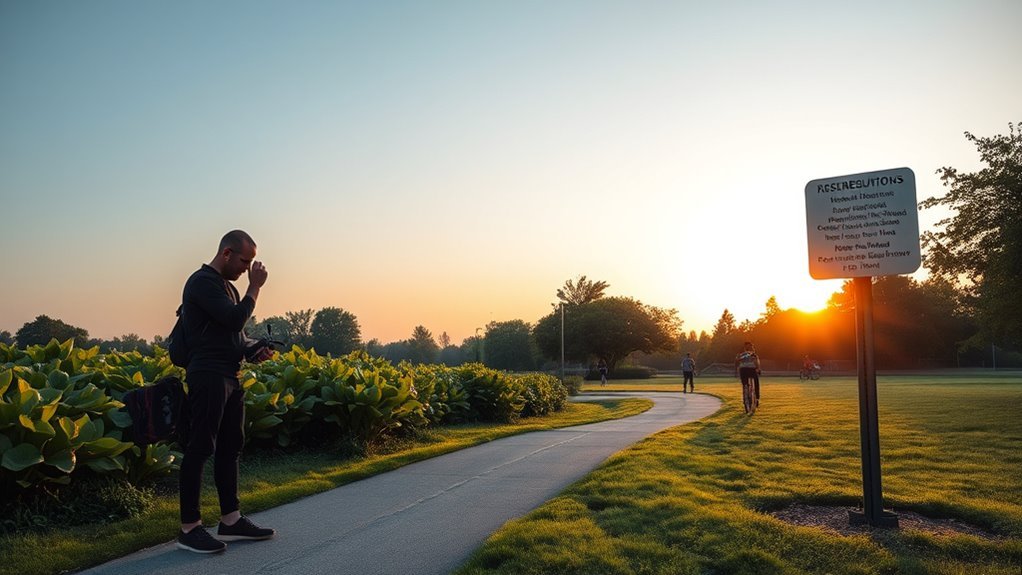
When you’re flying an FPV drone, understanding local regulations is crucial because drone rules can change by country, state, city, park, and property type.
In the United States, FPV pilots must follow Federal Aviation Administration rules for recreational or commercial drone operations. Recreational flyers should also pass The Recreational UAS Safety Test, often called TRUST, and carry proof of completion when flying.
You must keep the aircraft within visual line of sight. If you wear FPV goggles, use a visual observer when needed so someone can watch the drone directly without binoculars, a screen, or other visual aids.
Register drones that require registration, especially aircraft weighing 0.55 pounds or more. Registered drones may also need to meet Remote ID rules unless an exception applies, such as flying in an FAA-recognized identification area.
Familiarize yourself with no-fly zones, controlled airspace, temporary flight restrictions, stadium restrictions, emergency response areas, and local park rules. Areas near airports, military bases, prisons, power plants, and large public events often have added restrictions.
Warning: Do not assume an empty field is legal to fly. Always check airspace, property access, and local rules before launching.
If you’re considering long-range FPV flying, remember that flying beyond visual line of sight usually requires special authorization. Also check radio-frequency rules for your control link, video transmitter, antenna setup, and output power. Some equipment or power levels may require licensing or may be restricted in your area.
Following these safety steps helps you enjoy FPV while staying compliant and protecting access for other pilots.
The Importance of Respecting Private Property
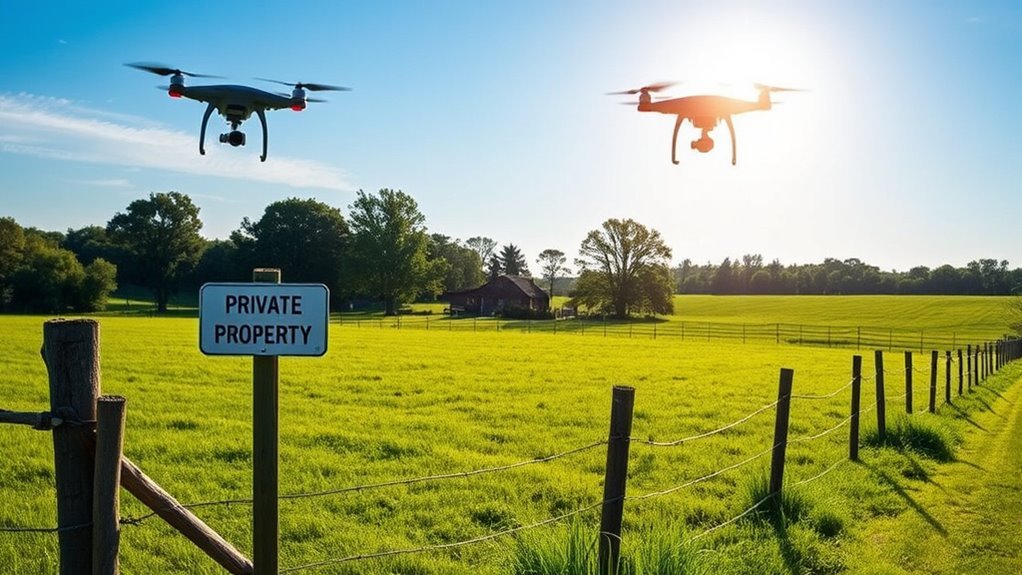
Understanding local regulations lays the groundwork for responsible FPV flying, but respecting private property takes your practice to the next level.
Keeping private property rights in mind helps you avoid trespassing complaints, awkward confrontations, and future bans. It also shows landowners that FPV pilots can act responsibly.
The best FPV spot is not just open and fun. It must also be legal, permitted, recoverable, and respectful to the people who live or work nearby.
- Verify Land Ownership: Check who owns the land before your drone flights to avoid trespassing on farms, business lots, school fields, construction sites, or utility property.
- Seek Permission: Contact property owners, park managers, clubs, or facility staff before flying. Permission can turn a questionable spot into a reliable flying location.
- Observe Local Norms: Be mindful of noise, parking, privacy, livestock, pets, and nearby homes. These factors shape how people view FPV flying.
- Prioritize Responsible Behavior: Your actions reflect on the entire FPV community. Careless flying can lead to stricter rules and lost access.
When you ask for permission, keep it simple. Explain what you fly, how long you plan to stay, where you will stand, how you will avoid people and property, and how you will recover a downed drone without damaging anything.
Navigating Noise Ordinances in Residential Areas
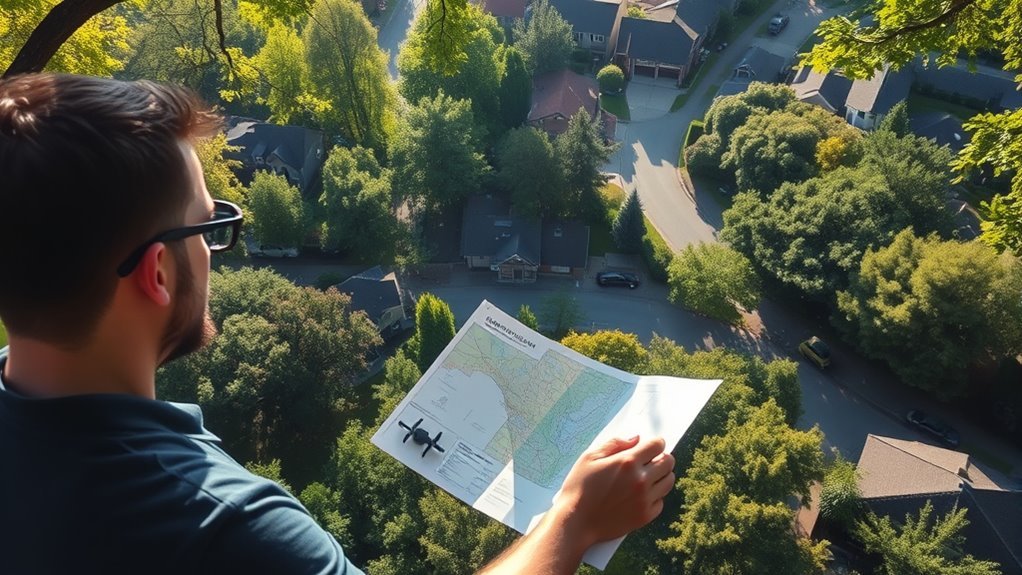
While flying your FPV drone can be an exhilarating experience, it’s important to understand the noise ordinances that govern residential areas. Many neighborhoods restrict loud activity during certain hours, especially early mornings, late evenings, and overnight.
Familiarizing yourself with local laws can help you avoid fines and complaints that could jeopardize your access to these areas. Some municipalities may reference decibel limits, nuisance noise, quiet hours, park rules, or disturbance complaints rather than drone-specific language.
Engaging with your neighbors about your flying schedule can foster goodwill and reduce potential issues. If noise becomes a concern, consider using quieter drone models, lower-pitch props, fresh propellers, smoother throttle control, or a larger open field farther from homes.
Pro Tip: Do a short hover and one gentle lap before a full session. If the sound carries farther than expected, move to a less sensitive location.
Identifying No-Fly Zones and Restricted Areas
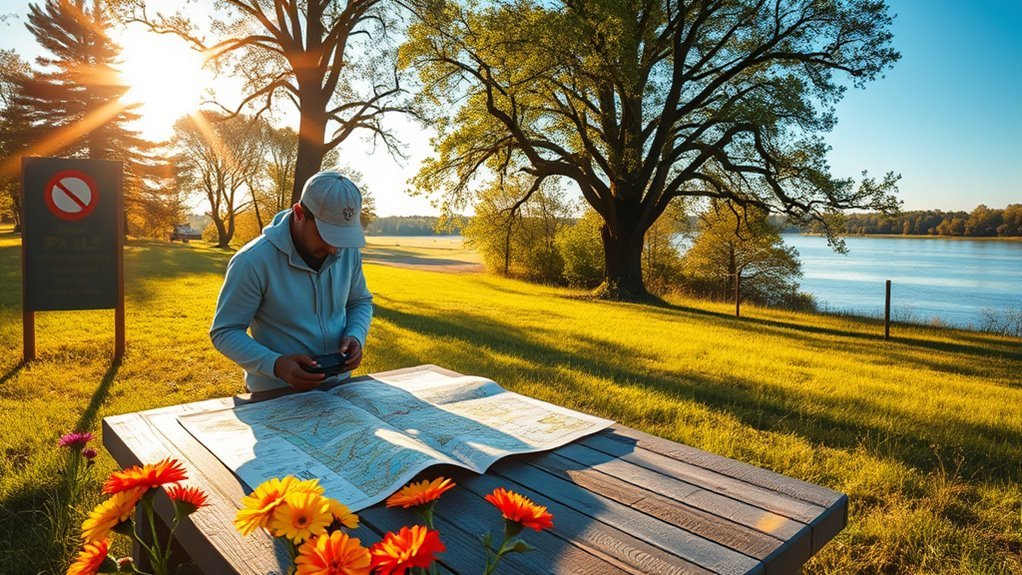
Before you take to the skies, research local regulations to identify no-fly zones, controlled airspace, temporary restrictions, and restricted areas.
Utilizing mapping tools such as FAA-approved B4UFLY services can help you understand nearby airspace before you fly.
Additionally, engaging with your community can provide insights into local restrictions and promote responsible flying practices.
Research Local Regulations
As you prepare to fly your drone, research the rules that dictate where you can and can’t operate. Ignoring these rules can lead to fines, lost access, or unsafe flights.
Keep these four points in mind:
- Identify Restricted Airspace: Areas near airports, heliports, military bases, stadiums, and emergency scenes may have restrictions.
- Understand Remote ID Requirements: Many registered drones must broadcast identification information unless an exception applies.
- Check Local Ordinances: Cities, counties, schools, and parks may have rules that limit takeoff, landing, or drone use on their property.
- Verify Restrictions in National Parks: The National Park Service generally prohibits launching, landing, or operating drones in national parks unless approved by the superintendent.
Stay informed and fly responsibly by consulting your aviation authority, local land managers, and trusted airspace tools before each session.
Use Mapping Tools
Knowing the local regulations is just the first step in safe drone operation. To identify potential FPV flying locations, use mapping tools like Google Maps to find green spaces, open fields, industrial edges, RC fields, and undeveloped areas. Always confirm access and ownership before heading out.
Check your local aviation authority’s website or approved airspace apps for the most current information on no-fly zones, especially near airports, heliports, military installations, and temporary restriction areas.
Google Earth can provide an aerial view of potential locations, helping you analyze terrain, trees, power lines, roads, water, fences, and recovery paths.
Street View can also help you evaluate parking, gates, signs, nearby homes, trails, and launch areas before you drive there.
Apps and community tools such as Spots.fpv, local FPV groups, and airspace apps can help you plan safe flying routes. Still, verify every shared spot because access rules and airspace can change.
Community Awareness Efforts
When engaging in FPV flying, community awareness is essential for identifying no-fly zones and restricted areas.
To support responsible flying practices, consider these guidelines:
- Familiarize Yourself: Know local regulations and no-fly zones, especially near airports, military bases, schools, hospitals, stadiums, and emergency response areas.
- Use Online Tools: Use FAA-approved airspace tools, local authority maps, and park websites for current restrictions.
- Follow Community Guidelines: Respect club rules, park signs, property rules, and posted flight restrictions.
- Connect with Local FPV Groups: Engage with communities or clubs for updates on safe locations, access issues, and new regulations.
Communicating With the Community
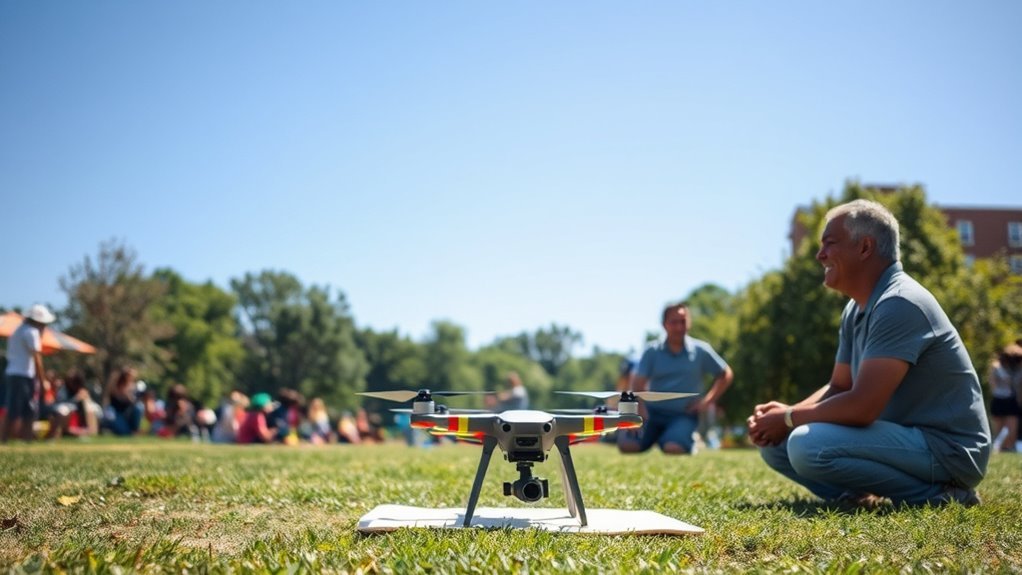
Building connections within the FPV flying community can improve your skills, help you find better spots, and keep you informed about local access issues. Engaging with local flying crews also helps you learn which locations are safe, which ones are sensitive, and which ones are no longer usable.
Use social media groups, local clubs, Discord servers, forums, hobby shops, and organized events to communicate with other pilots. Be respectful when asking for spots because many pilots protect locations after access problems or irresponsible flying.
| Tips for Communicating with the Community | Benefits |
|---|---|
| Attend local FPV events | Connect personally with pilots |
| Respect seasoned pilots’ opinions | Discover safer flying locations |
| Discuss safety concerns openly | Build positive relationships |
When you join a group session, ask about the flight line, pit area, spectator area, failsafe direction, frequency management, and recovery procedures before you plug in or arm your quad.
Assessing Environmental Impact During Flights
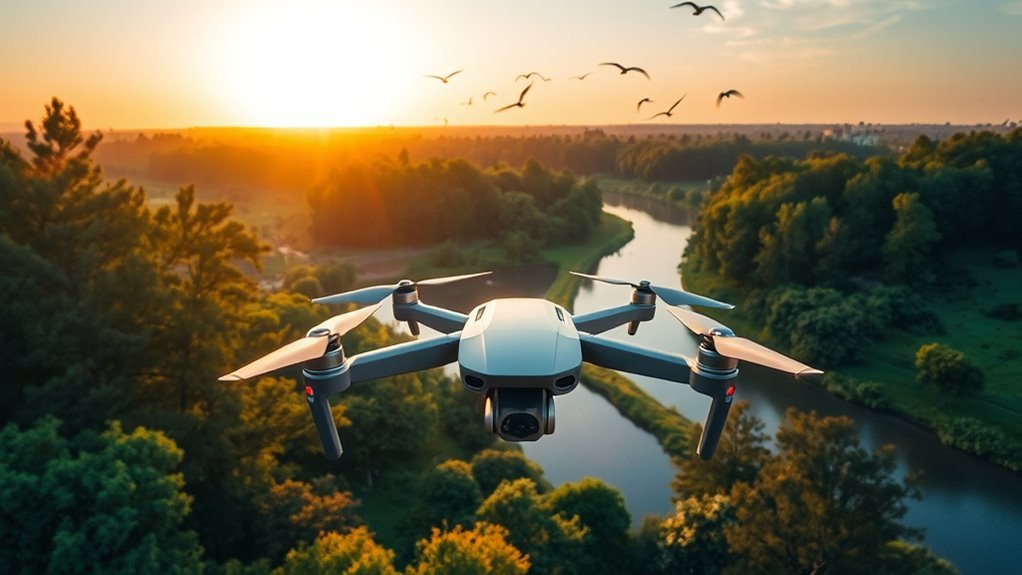
When you’re flying your drone, take into account the noise pollution it creates, especially in residential, rural, or natural areas.
Be mindful of how your flight might disturb local wildlife and their habitats, particularly during breeding, nesting, migration, or feeding seasons.
Noise Pollution Considerations
Considering noise pollution is essential for FPV drone pilots who want to minimize their environmental and community impact.
Keep these points in mind:
- Know the Regulations: Familiarize yourself with local noise ordinances, park rules, and quiet-hour restrictions.
- Choose Better Times: Fly when the location is less sensitive, but avoid early or late hours if nearby residents may be disturbed.
- Monitor Noise Levels: Smaller racing drones can sound sharp and high-pitched, especially during punch-outs, dives, and fast turns.
- Engage with Communities: Talk to local residents, park users, and landowners about concerns to promote responsible flying.
You can reduce noise by flying farther from homes, using smoother throttle inputs, avoiding repeated full-throttle passes, maintaining your props, and choosing a location with natural distance from people.
Wildlife Disturbance Awareness
While you’re enjoying the thrill of flying an FPV drone, be mindful of the potential impact on local wildlife.
Drone pilots should recognize that flying near wildlife can stress animals, especially during sensitive breeding and nesting seasons. Birds, nesting areas, shoreline habitats, wetlands, and protected species deserve extra caution.
Disturbance can change animal behavior, cause animals to flee, or interrupt feeding and nesting. To minimize these issues, avoid flying directly over wildlife, do not chase animals, and increase your distance if animals react to your drone.
Always check local regulations because some wildlife areas, refuges, beaches, wetlands, and conservation lands restrict or prohibit drone flights. The U.S. Fish & Wildlife Service and local conservation groups can help you understand rules for sensitive habitats.
Note: If birds circle, call, dive, flush, or leave a nest area, move away and end the flight. Wildlife reaction is a sign that your drone is too close.
Utilizing Technology for Spot Finding
As you explore the world of FPV flying, leveraging technology can greatly improve your spot-finding process.
Use these tools to narrow your options before you visit:
- Google Maps: Use it to identify potential FPV flying locations. Look for open fields, RC parks, undeveloped areas, industrial zones, and large spaces away from people.
- Google Earth: Get detailed aerial views that let you analyze landscapes, tree lines, terrain, obstacles, water, roads, and recovery areas.
- Street View: This feature offers ground-level insights into parking, fences, gates, signs, homes, traffic, and safe launch points.
- Spots.fpv App: Browse shared FPV flying spots from other pilots and get community insight, but always verify legality and access before flying.
Technology helps you screen a location, but it does not replace an on-site safety check. Walk the area before your first pack and look for people, animals, signs, power lines, antennas, water hazards, and emergency access routes.
How to Evaluate a New FPV Spot Before You Fly
A new location may look perfect online, but conditions can change once you arrive. Use a short site check before every session to avoid preventable problems.
- Check Airspace Again: Confirm that no new temporary flight restriction, emergency response activity, or controlled-airspace issue affects the spot.
- Read Posted Signs: Look for park rules, private property signs, permit requirements, restricted areas, or closing hours.
- Choose a Safe Launch Area: Pick a flat area away from people, vehicles, pets, dry grass, and loose debris.
- Plan Your Flight Box: Decide where you will fly, where you will not fly, and which direction your drone should failsafe if signal drops.
- Identify Obstacles: Look for trees, wires, poles, fences, towers, water, trails, roads, and buildings.
- Plan Recovery Routes: Make sure you can retrieve the drone without crossing dangerous areas or trespassing.
- Check Foot Traffic: Wait or move if walkers, cyclists, children, dogs, or sports teams enter the area.
- Start Small: Fly one gentle test pack before racing, diving, freestyle lines, or long-range routes.
Warning: Do not fly over moving vehicles, active roads, crowds, playgrounds, sports games, or people who are not part of your operation.
Optimal Times for FPV Flying
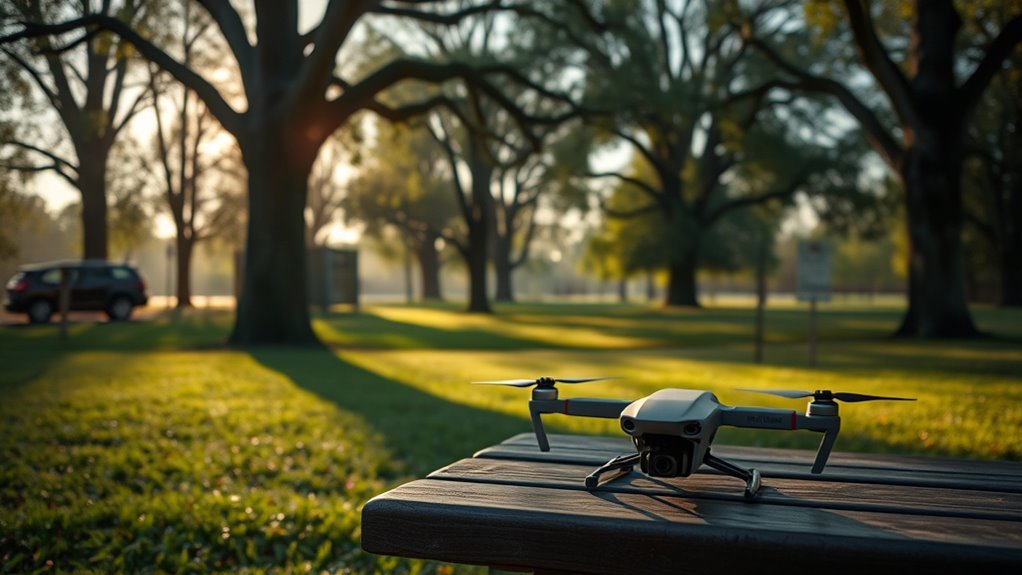
To maximize your FPV flying experience, choose ideal times that support both safety and enjoyment. Calm weather, good visibility, and low public activity make a major difference.
Early mornings and late evenings can offer calmer winds, but they may also conflict with quiet hours near homes. Midday can work well at empty industrial sites, club fields, or open rural areas, but glare and heat may affect visibility and battery performance.
Check the weather before heading out. Avoid flying in rain, fog, lightning risk, high winds, extreme heat, or conditions that reduce visibility.
Public holidays may create more open schedules, but they can also bring more people to parks and fields. Weekdays are often better for reducing conflicts with pedestrians, sports teams, and other park users.
Flexibility in your flying schedule can help you discover new spots that are less crowded. Keep local weather patterns, sunset times, park hours, and seasonal wildlife activity in mind when planning your FPV flights.
Engaging With Local FPV Communities
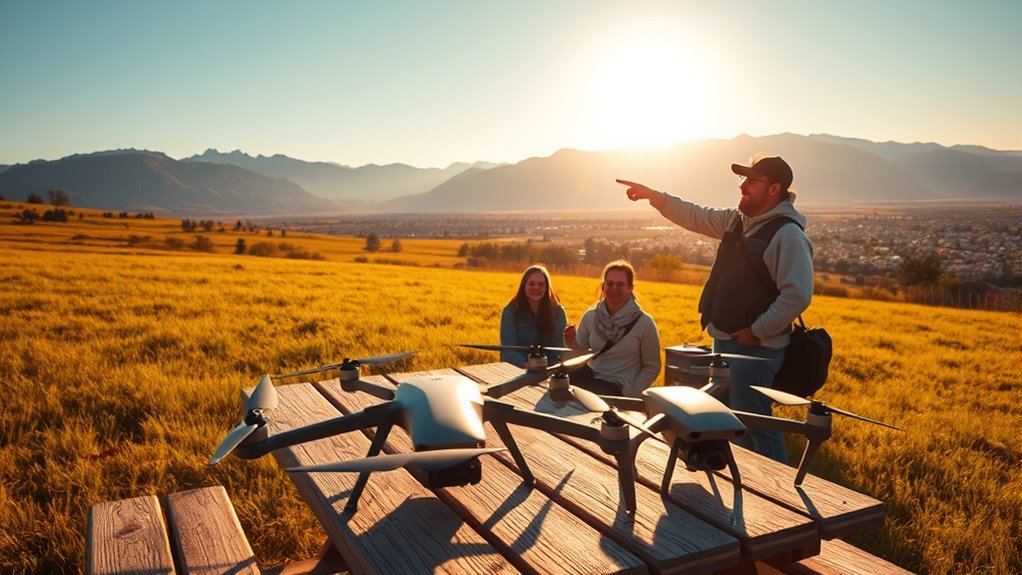
Engaging with local FPV communities is a great way to expand your network and discover new flying spots.
By participating in events and group flights, you can learn from experienced pilots and share your own knowledge.
These interactions not only enhance your skills but also promote responsible flying practices within the community.
Networking Opportunities for Pilots
While many pilots fly solo, connecting with local FPV communities can greatly enhance your experience and skills. By engaging with others, you’ll uncover unique flying spots and gain insights from experienced pilots.
Consider these networking opportunities for pilots:
- Join Local FPV Meetups: Groups and club sessions foster camaraderie and shared learning.
- Use Online Platforms: Social media groups, forums, and chat communities can help you find events and competitions nearby.
- Learn From Experienced Pilots: Their guidance on best practices, local regulations, gear setup, and spot etiquette can improve your flying.
- Engage With Flying Crews: Collaborating encourages responsible behavior and helps keep safe flying spots available for everyone.
Local Event Participation Benefits
Participating in local FPV events can greatly enhance your experience and skills as a pilot. These gatherings provide safety protocols, designated areas, and a more structured environment for learning.
You can learn from experienced pilots, collaborate on techniques, and discover new flying spots through networking.
| Benefit | Description | Example |
|---|---|---|
| Skill Development | Learn from experienced pilots | Workshops and demos |
| Community Engagement | Connect with fellow enthusiasts | Group flights |
| Safety Awareness | Understand and implement safety protocols | Designated pit areas |
| Exclusive Access | Discover unique flying locations | Club member spots |
| Networking Opportunities | Build relationships within the FPV community | Local meetups |
Engaging with local flying crews can boost your FPV journey and help you avoid preventable mistakes.
Best Practices for Safe and Responsible Flying
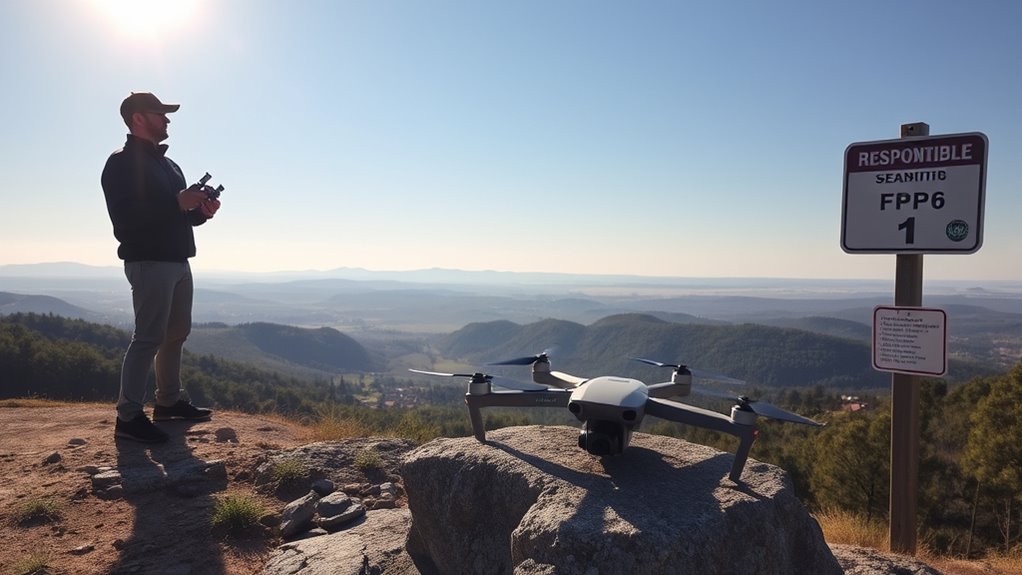
To guarantee a safe and responsible flying experience, start by verifying land ownership and obtaining permission before taking off. This helps you avoid trespassing and respect private property rights.
Follow these best practices:
- Maintain visual line of sight with your drone, using a visual observer when needed for FPV goggles.
- Familiarize yourself with local regulations, no-fly zones, Remote ID rules, and controlled-airspace requirements.
- Use technology like Google Maps, Google Earth, weather apps, and dedicated FPV or airspace apps to identify safer flight areas.
- Follow noise etiquette by avoiding loud flying in residential areas, near livestock, or around quiet public spaces.
- Keep a safe distance from people, vehicles, buildings, power lines, wildlife, roads, and emergency activity.
- Perform a pre-flight check before every session, including props, battery, failsafe, video link, control link, GPS status if used, and return or disarm behavior.
- Set a clear flight boundary so you know where you will turn around, where you will not fly, and where you can safely recover the drone.
Responsible flying is not only about avoiding crashes. It is about making sure your presence does not create risk, conflict, or damage.
Common Mistakes When Choosing FPV Spots
Many unsafe FPV sessions start with small assumptions. Avoid these common mistakes when choosing your next location:
- Assuming public land is open to drones: Some parks, beaches, preserves, and school fields restrict drone takeoff or landing.
- Ignoring recovery access: A spot is risky if a crash could put your drone behind a fence, in water, near traffic, or on private land.
- Flying too close to people: A quiet field can become unsafe when walkers, kids, dogs, cyclists, or sports teams arrive.
- Not checking temporary restrictions: Emergency scenes, events, stadium operations, and VIP movement can change airspace quickly.
- Trusting old spot lists: A shared FPV spot may no longer be legal, accessible, or welcome.
- Underestimating sound: A five-inch freestyle quad can carry farther than expected in quiet neighborhoods or open valleys.
Frequently Asked Questions
What are the dos and don’ts of flying FPV?
Do check airspace, confirm land access, get permission, inspect the site, use a visual observer when needed, and respect people nearby. Don’t fly over crowds, moving vehicles, wildlife, private property without permission, emergency scenes, or restricted airspace.
What is the FPV rule for drones?
FPV pilots must keep the drone within visual line of sight. If you use goggles and cannot directly see the aircraft, a visual observer should watch the drone with unaided vision and help you avoid hazards.
Is it illegal to fly an FPV drone?
It is not automatically illegal to fly an FPV drone, but you must follow aviation rules, airspace restrictions, registration rules, Remote ID requirements when applicable, and local property or park rules. Always check your location before flying.
What frequency is long-range FPV?
Long-range FPV setups may use different bands for control and video, including 900 MHz, 1.2 GHz, 2.4 GHz, and 5.8 GHz, depending on the equipment and country. You must follow local radio-frequency rules, power limits, licensing requirements, and aviation rules. Long range does not remove the need for legal visual line of sight unless you have proper authorization.
Can I fly FPV in a public park?
Sometimes, but not always. Public parks may have city, county, state, or park-specific rules that restrict launching, landing, or operating drones. Check posted signs, park websites, local ordinances, and airspace before you fly.
How do I know if an FPV spot is safe for beginners?
A beginner-friendly FPV spot should be wide open, legal, quiet, away from people and roads, free of power lines, and easy for drone recovery. Avoid tight gaps, water, rooftops, trees, and public areas until you have stronger control.
Conclusion
Finding safe FPV spots is part research, part etiquette, and part on-site judgment. You need to check airspace, respect private property, avoid sensitive areas, and choose locations where a mistake will not endanger people, animals, vehicles, or property.
Before every session, confirm the rules, walk the spot, watch for changing conditions, and communicate with nearby people when it helps. Smart preparation keeps your flights smoother, protects your gear, and helps the FPV community keep access to good locations.
Fly smart, stay respectful, and save the wildest lines for places that are truly open, legal, and safe.
Sources
- FAA Recreational Flyers & Community-Based Organizations — recreational drone rules and safety basics
- FAA TRUST Information — recreational flyer knowledge test requirement
- FAA Remote ID — Remote ID requirements and exceptions
- FAA B4UFLY — official airspace awareness tool information
- National Park Service Drone Policy — drone restrictions in national parks
- U.S. Fish & Wildlife Service National Wildlife Refuge System — wildlife refuge context and sensitive habitat awareness