
The launch of a new iPhone model always draws attention from consumers, analysts, competitors, carriers, app developers, and investors. Apple has built the iPhone into one of the most recognized consumer technology products in the world, so each release is more than a hardware update. It is also a major business event shaped by research, production planning, retail strategy, advertising, and consumer demand.
The latest iPhone model is typically marketed around improvements in camera quality, processing power, battery performance, display technology, software features, and the broader Apple ecosystem. These upgrades help Apple appeal to casual users, content creators, business customers, and technology enthusiasts. The excitement around a launch does not come from the device alone. It also comes from the carefully managed story Apple builds through launch events, media coverage, social platforms, retail displays, carrier promotions, and influencer attention.
To understand the marketing cost of a new iPhone, you need to look beyond advertising alone. The final cost picture includes research and development, manufacturing, logistics, retail operations, sales promotions, and brand-building campaigns that support the product before and after launch.
Quick Answer
The marketing cost of a new iPhone cannot be reduced to one public number because Apple does not break out iPhone-only campaign spending. The cost includes launch events, digital advertising, retail displays, carrier promotions, public relations, product placement, and global brand campaigns that support demand for the device.
Key Takeaways
- The new iPhone launch creates consumer excitement through product upgrades, brand trust, and carefully timed promotion.
- Research and development costs reflect Apple’s investment in hardware, software, security, camera systems, chips, and user experience.
- Production and manufacturing costs depend on materials, suppliers, labor, logistics, component availability, and quality control.
- Marketing and advertising costs include launch events, social media, video campaigns, public relations, retail displays, and carrier partnerships.
- Distribution, retail, sales, and promotional costs all influence how the iPhone reaches consumers and how the final price feels in the market.
Research and Development Costs
Research and development costs are a major part of the overall investment behind a new iPhone. Apple invests heavily in R&D to keep its products competitive in performance, design, privacy, accessibility, security, and ecosystem integration. This work begins long before a phone appears at a launch event.
R&D can include the exploration of new materials, chip development, display improvements, camera hardware, battery design, thermal performance, software features, and artificial intelligence tools that improve the user experience. For example, advanced camera processing requires both physical camera improvements and software algorithms that can handle color, low-light performance, portraits, stabilization, and video processing.
R&D costs are not limited to hardware. A new iPhone usually arrives alongside iOS updates, app improvements, privacy tools, security refinements, and features designed to work with other Apple devices. The development of iOS updates that accompany new hardware releases involves extensive testing and refinement.
Apple’s emphasis on privacy and security also adds to development costs. Features such as biometric authentication, on-device processing, secure messaging, and anti-tracking controls require specialized engineering. These investments support the premium positioning of the iPhone because users are not only buying a device. They are buying into a system of hardware, software, services, and long-term updates.
Note: Apple reports broad company-level spending categories, but it does not publicly separate the exact R&D or marketing cost for one individual iPhone model. Any iPhone-only cost estimate should be treated as an informed estimate, not a confirmed figure.
Production and Manufacturing Costs

Once the design and feature set of a new iPhone are finalized, production and manufacturing costs become a central part of the launch budget. These costs include sourcing raw materials, purchasing components, testing prototypes, building production lines, assembling units, inspecting quality, packaging devices, and preparing inventory for global release.
Apple’s supply chain is known for scale and efficiency, but it is also highly complex. The company works with suppliers and manufacturing partners across multiple countries. Production schedules can be affected by demand forecasts, labor availability, shipping capacity, trade rules, energy costs, exchange rates, and geopolitical issues.
The materials used in an iPhone contribute heavily to manufacturing cost. High-quality glass, aluminum or titanium frames, advanced display panels, camera modules, wireless components, batteries, sensors, and semiconductor chips all come from specialized suppliers. A small change in component design can affect cost across millions of units.
New technologies can also raise production costs. Improved camera sensors, brighter displays, faster processors, satellite-related features, stronger glass, better battery systems, or upgraded wireless hardware may require more expensive parts or new assembly processes. If demand for key components rises across the technology industry, Apple may face higher input costs as it competes with other companies for supply.
Quality control is another major cost driver. A premium device must meet strict standards before shipment. Apple must test durability, display performance, camera consistency, battery behavior, wireless function, software stability, and packaging accuracy. These checks add cost, but they reduce the risk of returns, defects, and reputation damage after launch.
Marketing and Advertising Costs
| Year | Marketing Costs | Advertising Costs |
|---|---|---|
| 2018 | 500,000 | 300,000 |
| 2019 | 550,000 | 320,000 |
| 2020 | 600,000 | 350,000 |
Marketing and advertising shape consumer perception and help drive sales for the new iPhone. Apple uses product launch events, video campaigns, digital advertising, retail storytelling, public relations, and media coverage to build demand before the device reaches stores.
Apple is known for polished marketing that focuses on real-life benefits rather than only technical specifications. A campaign may show better photos, smoother video, longer battery life, stronger privacy features, or easier communication with family and friends. This approach helps Apple connect product features to everyday use.
Advertising campaigns can appear across television, online video, search, social media, print, outdoor placements, retail displays, and carrier channels. These campaigns often rely on strong visuals, simple messaging, and carefully selected product demonstrations. High-profile creators, celebrities, reviewers, and influencers can also amplify attention around a launch.
In addition to traditional advertising methods, Apple leverages social media platforms to engage with consumers directly. Short videos, product clips, event highlights, photography examples, and user-generated content help keep the iPhone visible after the initial announcement. Social platforms also make it easier for Apple to reach specific audiences based on interests, location, device ownership, or purchase behavior.
Product launch events are another major marketing asset. These events create anticipation, attract media coverage, and give Apple a controlled way to explain the phone’s new features. Even people who do not watch the event may see headlines, summaries, comparison videos, and social posts afterward.
Pro Tip: When evaluating iPhone marketing costs, separate direct advertising from broader launch costs. A launch campaign can include paid ads, event production, retail displays, public relations, influencer outreach, carrier materials, and post-launch promotions.
[Amazon Products Picked for You]

Cell phone /Wallets display stand rack.

Compatibility & Camera Control Cutout: Specifically designed for iPhone Air 6.5 inch (2025). This iPhone air case magsafe features a custom-sloped cutout for the new Camera Control button, ensuring instant tactile responsiveness. It provides a precise fit with accurate cutouts for easy access to all other buttons, ports, and speakers, offering a solid and secure feel for seamless use at home, the office, or while traveling

【SMART DISPLAY & DETACHABLE STAND】 Elevate your charging setup. Unlike traditional adapters, our travel adapter features a newly designed detachable desktop stand for optimal stability and a perfect viewing angle. Paired with an HD color screen that displays real-time output power, temperature, and connection status, you'll always stay informed, whether you are working at a hotel desk or using it in an office.
Distribution and Retail Costs
The distribution and retail costs associated with launching a new iPhone are complex because Apple sells through multiple channels. Customers can buy directly from Apple’s website, Apple Stores, mobile carriers, electronics retailers, and approved resellers. This broad sales network helps Apple reach more buyers, but it also increases coordination and operating costs.
Shipping products from manufacturing facilities to warehouses, retail stores, and carrier partners requires detailed logistics planning. These costs can be affected by fuel prices, air freight demand, customs rules, local taxes, trade regulations, packaging requirements, and launch timing. Apple must also manage inventory carefully so stores have enough stock without creating waste or oversupply.
Retail locations add another layer of cost. Apple Stores require rent, staffing, training, security, utilities, store displays, repairs support, and customer service systems. The strategic placement of Apple Stores in high-traffic areas can be expensive, but it strengthens the brand and gives customers a hands-on way to experience the iPhone before buying.
Third-party retailers and carriers also need launch materials, product training, demo units, display stands, and sales support. These costs help create a consistent buying experience, whether someone shops online, visits an Apple Store, or upgrades through a carrier.
[Amazon Products Picked for You]

Movable Floorstanding Design: The innovative triangle-base design enhances stability and allows for easy mobility. Customize your display layout effortlessly to attract attention to your products.

DURABLE AND STABLE: This necklace display rack is made of high-quality metal, which is strong and durable, and can be used for a long time.

Premium Materials: Pegboard display stand be made of thickened iron plate, advanced surface coating treatment, rust-proof, scratch-resistant, wide base for a more stable center of gravity, not easily toppled
Sales and Promotional Costs

Bringing a new iPhone to market is a costly endeavor because sales promotion continues after the launch campaign begins. The sales and promotional costs of launching a new iPhone are a critical part of the device’s success. These costs include incentives, trade-in programs, financing options, carrier offers, retail training, demo devices, and promotional bundles that make upgrading feel easier for customers.
Apple may work with retailers and carriers to promote the device effectively. Carriers often advertise upgrade plans, trade-in credits, installment payments, or bundled service offers. These promotions can make a premium phone feel more accessible, especially for customers who do not want to pay the full price upfront.
[Amazon Products Picked for You]

Safe and Reliable (MFI Certified ):While purchasing a AISNI 20W iPhone fast charger 10 ft you may have dilemma-whether to choose 20W charger or 3rd party 20W charger. Most of the people think that, 3rd party chargers may not be safe and may affect the battery life in the long terms.However, it is not entirely true. 20W 10 ft iphone charger offers Multiple Safeguards Automatically. Multi-Charging Protection Keeps Your Device Safe From Over-Current Over-Voltage Over- Heating & Short-Circuiting.

WHAT IS THE SIM ADAPTER? This SIM card adapter will allow you to convert a Nano SIM card into a MICRO SIM card or a MINI SIM card, and this adapter will also let you convert a MICRO SIM card to a MINI SIM card. This adapter will allow you to put any SIM card inside a cell phone or tablet.
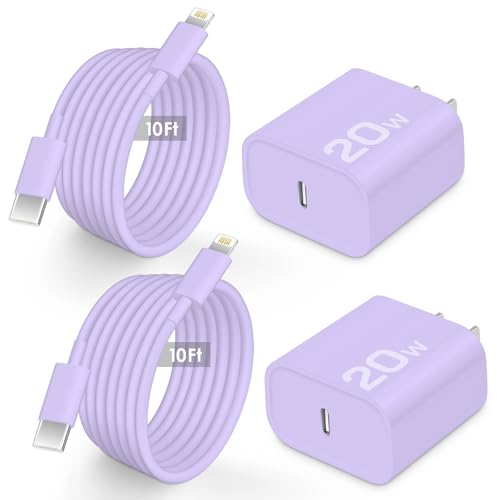
Safe and Reliable:While purchasing a 20W Phone fast charger 10 ft you may have dilemma-whether to choose 20W charger or 3rd party 20W charger. Most of the people think that, 3rd party chargers may not be safe and may affect the battery life in the long terms.However, it is not entirely true. 20W 10 ft Phone charger offers Multiple Safeguards Automatically. Multi-Charging Protection Keeps Your Device Safe From Over-Current Over-Voltage Over- Heating & Short-Circuiting.
Effective Promotional Strategies
Promotional tactics can influence consumer purchasing decisions during the initial launch period. Trade-in programs are especially powerful because they reduce the perceived cost of upgrading. Instead of focusing only on the full retail price, customers can compare the new iPhone against the value of their current device.
Financing options also play a major role. Monthly payment plans can make a higher-priced iPhone easier to fit into a household budget. Apple and its partners may also promote protection plans, accessories, cloud storage, or service bundles that increase the overall value of the purchase.
Retail staff training is another overlooked promotional cost. Sales teams need to understand the new iPhone’s camera features, battery claims, software updates, storage options, and model differences. Better training can lead to clearer recommendations and fewer confused customers.
Managing Promotion Costs
The costs associated with promotions must be managed carefully so they do not weaken profit margins. A generous trade-in offer or carrier discount may drive more sales, but it also has to make financial sense for Apple and its partners.
Promotion costs also depend on timing. Launch-period offers may be designed to create early momentum, while later promotions may support holiday demand, older model clearance, or competition against new devices from other brands. Apple must balance excitement, brand prestige, and affordability without making the product feel over-discounted.
Warning: Do not treat online estimates of iPhone marketing cost as confirmed unless they come from Apple’s own financial reporting or a clearly sourced industry analysis. Apple does not usually publish campaign-level costs for each iPhone model.
Analysis of Overall Marketing Cost
When you analyze the overall marketing cost associated with launching a new iPhone, each cost category connects to the others. R&D creates the product story. Manufacturing turns that story into physical devices. Distribution places the product in front of buyers. Advertising builds awareness. Promotions help convert interest into sales.
A complete financial picture includes more than paid ads. It includes all the work required to make people aware of the device, help them understand its value, and give them a convenient way to buy it. That is why the phrase “marketing cost” can be misleading if it only refers to commercials or social media ads.
Apple’s pricing strategy also depends on brand positioning. The company presents the iPhone as a premium product supported by design, performance, privacy, software updates, customer service, and ecosystem benefits. Substantial marketing investment reinforces this image and helps Apple stand apart in a crowded smartphone market.
For consumers, this means part of the iPhone’s price reflects more than the physical device. The price also reflects the development process, supply chain, retail experience, warranty support, software ecosystem, and the marketing system that makes the product desirable and easy to understand.
The real cost of launching a new iPhone is not just the cost of building the phone. It is the cost of creating demand, delivering the product globally, and maintaining the premium brand experience around it.
Why iPhone Marketing Costs Are Difficult to Estimate
The marketing cost of a new iPhone is difficult to estimate because Apple does not publish a model-by-model marketing budget. The company may report broader operating expenses, but those numbers do not isolate one product launch. As a result, public estimates often mix confirmed financial data with assumptions.
Another challenge is that iPhone marketing overlaps with Apple’s broader brand marketing. A campaign that promotes camera quality, privacy, services, or ecosystem features may support the iPhone, Apple Watch, AirPods, iCloud, Apple TV, and other products at the same time. Splitting those costs into one exact iPhone number is not simple.
Global launches make the estimate even harder. Apple may adjust campaigns by country, language, carrier partner, retail channel, and season. A launch in the United States may involve different promotional costs than a launch in Europe, India, Japan, or other major markets.
Major Cost Drivers Behind a New iPhone Launch
Several factors can raise or lower the cost of launching a new iPhone. The first is product complexity. A major redesign, new chip, new camera system, or new display technology can increase development, testing, manufacturing, and marketing work.
The second cost driver is scale. Apple launches the iPhone across many markets, which requires large inventory planning, shipping coordination, local marketing, customer support, retail training, and carrier alignment. A smaller smartphone brand may not face the same global launch burden.
The third cost driver is competition. If rival devices offer strong cameras, lower prices, foldable screens, faster charging, or artificial intelligence features, Apple may need to work harder to communicate why the iPhone is worth its price.
The fourth cost driver is customer expectations. iPhone users expect smooth setup, long software support, reliable service, polished retail experiences, and strong resale value. Meeting those expectations increases the cost of the entire product experience.
How Marketing Cost Affects Consumer Pricing
The intricate web of costs associated with launching a new iPhone impacts consumer pricing in several ways. Each stage, from research and development through production, marketing, distribution, and sales, contributes to the total investment Apple must recover through device sales and related services.
Many consumers are willing to pay a premium for the latest iPhone because of the brand’s perceived value, long-term software support, ecosystem convenience, camera quality, build quality, and resale strength. For these buyers, marketing reinforces confidence in the purchase.
Other consumers may feel priced out as premium smartphone costs rise. This creates an ongoing challenge for Apple. The company must protect profitability and brand prestige while still offering enough choices through older models, trade-in programs, financing, and carrier deals.
Understanding these underlying cost structures gives consumers better context when comparing iPhone prices. The final price is not only about parts and assembly. It also reflects engineering, software, logistics, retail support, promotions, and the marketing engine that surrounds each launch.
The marketing cost of the new iPhone is always a hot topic in the tech world because companies invest heavily in promoting their latest devices. Marketing helps build awareness, create trust, explain new features, and encourage customers to upgrade. If you are interested in learning more about how marketing affects product launches and purchase decisions, you can also read this article on whether a pizza oven is worth the investment. Just like with smartphones, marketing can play a major role in convincing customers to make a purchase.
Frequently Asked Questions
What is the marketing cost of the new iPhone?
The exact marketing cost of a new iPhone varies by model, market, campaign size, and promotional strategy. Apple does not usually publish a separate iPhone-only marketing budget, so public figures are best treated as estimates unless they come from official financial reporting or clearly sourced analysis.
What factors contribute to the marketing cost of the new iPhone?
The marketing cost is influenced by advertising campaigns, product launch events, public relations, influencer partnerships, social media content, retail displays, carrier promotions, product demos, trade-in offers, financing programs, and localized campaigns in different countries.
How does Apple allocate its marketing budget for the new iPhone?
Apple may allocate marketing support across online advertising, launch events, retail stores, product videos, social platforms, public relations, in-store promotions, carrier materials, product placement, and brand campaigns. The exact mix can change based on the model, market, and launch strategy.
What is the impact of marketing on the sales of the new iPhone?
Effective marketing helps create awareness, explain new features, generate interest, and influence upgrade decisions. It can also strengthen brand loyalty by showing how the iPhone fits into daily life, work, photography, entertainment, communication, and the wider Apple ecosystem.
How does Apple measure the effectiveness of its marketing for the new iPhone?
Apple can measure marketing effectiveness through sales performance, upgrade rates, website traffic, retail demand, customer engagement, brand awareness, campaign performance, media coverage, customer feedback, and return on investment. The company may also use market research to understand how consumers respond to its messaging.
Does the iPhone price include marketing costs?
Yes. Like most consumer products, the final price of an iPhone reflects more than parts and assembly. It also helps support research, software, logistics, retail operations, customer service, promotions, and marketing costs connected to the product and brand.
Why does Apple spend so much on iPhone marketing?
Apple spends heavily on marketing because the smartphone market is competitive and global. Strong marketing helps the company explain upgrades, protect its premium image, support retail and carrier partners, and keep the iPhone visible before, during, and after launch.
Sources
- Apple Investor Relations — official company financial reporting and investor resources.
- Apple Newsroom — official product launch announcements and company updates.
- Apple iPhone — official iPhone product information and feature positioning.
- Apple Retail — official information about Apple’s direct retail channel.

1 thought on “The Marketing Cost of the New iPhone”