
Trading in your car can lower the cost of your next vehicle, but the offer you receive depends on how well you prepare before you visit a dealership. A dealer will look at your vehicle’s condition, mileage, history, demand, and resale potential. When you understand those factors, you can clean up weak points, gather proof of care, compare offers, and negotiate with more confidence.
Quick Answer
To increase your car’s trade-in value, research its current market value, clean and detail it, fix small visible problems, gather maintenance records, avoid heavy personalization, and get more than one offer. Bring proof of service and be ready to negotiate based on comparable listings and trusted valuation tools.
Key Takeaways
- Research your car’s value before you talk numbers with a dealership.
- Clean, detail, and remove personal items before the appraisal.
- Fix small, obvious issues that can hurt first impressions.
- Keep service records organized so you can prove the car was maintained.
- Avoid spending heavily on upgrades that may not return more value.
- Compare trade-in offers and know when to walk away from a weak deal.
At a Glance
| Time Required | A few hours to a few days, depending on cleaning, repairs, and offer comparison |
| Difficulty | Easy to moderate |
| Tools Needed | Vehicle records, online valuation tools, cleaning supplies, tire gauge, repair receipts, payoff information if financed |
| Cost | Usually low if you clean the car yourself; repair and detailing costs vary by vehicle condition |
Understanding the Trade-In Process
The trade-in process is a pivotal aspect of purchasing a new vehicle. It allows you to offset the cost of your next car by exchanging your current one. This process usually begins when you visit a dealership and ask for an appraisal. The dealer evaluates your car’s condition, mileage, age, ownership history, accident history, local demand, and expected resale value before making an offer.
Understanding this process helps you avoid surprises. The appraisal is not based only on how your car looks. Dealers also consider auction values, retail demand, reconditioning costs, title status, mechanical condition, and how quickly they believe the car can be resold. A clean, well-documented vehicle usually gives you a stronger position than a car with missing records, warning lights, odors, or obvious neglect.
The trade-in process can vary from one dealership to another. Some dealerships may give you a quick appraisal after a short inspection. Others may perform a more detailed review, check vehicle history reports, inspect tires and brakes, or involve a used-car manager before giving you a number. Because of this, you should never assume the first offer is the best offer.
You can also improve your outcome by paying attention to timing. Trade-in values can shift based on fuel prices, seasonal demand, used-car inventory, interest rates, and local buyer preferences. For example, convertibles may attract stronger interest in warmer months, while trucks and all-wheel-drive vehicles may perform better in areas where buyers need towing ability or winter traction.
Note: A trade-in offer is usually lower than a private-sale price because the dealer must leave room for inspection, reconditioning, advertising, overhead, and resale profit.
Researching Your Car’s Value
Before stepping into a dealership, conduct thorough research on your car’s value. Online valuation resources such as Kelley Blue Book, Edmunds, and NADA Guides can help you estimate what similar vehicles may be worth. These platforms typically consider make, model, year, mileage, trim, options, condition, location, and market demand to generate a value range.
Use more than one valuation tool instead of relying on a single number. One site may estimate a higher value than another because each platform uses its own data and methodology. Look for a realistic range, then decide where your vehicle fits based on condition. A car with worn tires, faded paint, missing records, or accident history should not be priced like a clean, well-maintained example.
In addition to valuation tools, review local listings for comparable vehicles. Websites such as Autotrader and Craigslist can show what other sellers are asking for similar cars in your area. Compare year, mileage, trim level, engine, drivetrain, options, condition, and accident history. A low-mileage, one-owner vehicle with service records may command more than a similar car with unclear history.
This research equips you with data that can be used during negotiations. If a dealer makes a low offer, you can point to comparable listings and valuation ranges rather than relying on emotion. Being informed about your vehicle’s worth helps you advocate for a fair trade-in value and avoid being lowballed by a dealer who assumes you have not done your homework.
Pro Tip: Print or save screenshots of your valuation results and comparable local listings before you visit the dealership. Bring the evidence with you so you can support your counteroffer calmly.
Cleaning and Detailing Your Car

The appearance of your vehicle plays a significant role in its perceived value during the trade-in process. A clean and well-maintained car creates a positive first impression and can lead to a stronger appraisal. Before visiting the dealership, spend time cleaning both the interior and exterior of your vehicle.
Start with the basics. Wash the exterior, clean the wheels, wipe the door jambs, vacuum the seats and carpets, remove trash, clean cupholders, wipe the dashboard, and clear out the trunk or cargo area. A clean car helps the appraiser inspect it more easily and signals that you have cared for it.
Basic cleaning can improve presentation, but detailing goes further. Detailing may include shampooing carpets, conditioning leather seats, polishing trim, removing light stains, cleaning glass, and reducing odors. A vehicle that looks and smells fresh feels more desirable than one that looks neglected.
If you lack the time or equipment to detail your car yourself, consider hiring a professional detailing service. While this may cost extra, the improvement in presentation can make the appraisal conversation easier. However, do not overspend on detailing if your vehicle has major mechanical problems, severe body damage, or very high mileage. In those cases, the return may be limited.
[Amazon Products Picked for You]

🚗【Professional 26 Pcs-in-1 Car Cleaning Kit】 The complete and decent car detailing kit equipped with 5 * detailing brush set, 4 * drill brushes, 3 * wire brush, 2 * vent cleaning brush, 1 * wheel brush, 1 * tire brush, 1 * detachable handle, 4 * of strong water absorption cloth cover and a 100ml spray bottle, 1 * dash duster brush, 1 * towel, 1 * car wash mitt, 1 * storage bag. Excellent completion of all works required for external and internal details! A gift for car buffs. Best gifts for men, dad, father's day gifts tool.

【Value 27PCS-in-1 Car Detailing Kit】Our 27 pcs car detailing kit including car Detailing Drill Brushes*5, Car Detailing Brushes*5, Wire Brushes*3, car dash duster Brush*1, tire brush*1, air outlet brush*1, Car Wash Mitt*1, microfiber wax applicator*2, Car Washing Towel*2, Car Foam Drill Polishing Pads*2, Woolen Polishing Pad*2, Sponge Backer*1, tool box * 1. The car accessories for men can satisfy your car’s internal and external beauty and cleaning.(Drill not include). It's pefect valentines day gifts for him, men!

PROFESSIONAL 36PCS CAR DETAILING KIT: This all-in-one car cleaning kit includes car detailing drill brushes*4, car detailing brushes*5, wire brushes*3(steel, brass, nylon), car dash duster brush*1, wheel brush*1, tire brush*1, detachable handle*1, long-handle wheel brush*1, of strong water absorption cloth cover*4, dual head vent brush * 1, car foam drill polishing Pads*2, ultra soft detail brush * 2, woolen polishing pad*2, sponge backer*2, microfiber towels*2, tool box * 1, and more. This car wash kit is your ultimate solution for both interior and exterior auto detailing.
Addressing Minor Repairs
| Category | Metrics |
|---|---|
| Number of minor repairs | Focus on visible, low-cost issues such as bulbs, wiper blades, small trim pieces, and simple dents |
| Average time to address minor repairs | A few minutes to a few hours for simple items; longer for body or mechanical work |
| Cost of minor repairs | Only spend money where the improvement is likely to support a better appraisal or smoother negotiation |
Before trading in your vehicle, address minor repairs that could detract from its overall value. Small issues such as scratches, dents, cracked lights, worn wiper blades, missing floor mats, or burned-out bulbs may seem minor, but they can affect how the appraiser views the car.
Taking the time to fix these problems can improve your car’s appeal and potentially increase its trade-in value. For instance, replacing a cracked taillight or fixing a small dent can make the vehicle look better maintained. Simple repairs may also prevent the dealer from using visible flaws as reasons to reduce the offer.
In some cases, you can handle repairs yourself if you have the skills and proper tools. Replacing wiper blades, topping off fluids, installing a missing trim clip, or replacing an easy-access bulb may be simple. For issues involving brakes, suspension, warning lights, airbags, tires, or leaks, a professional inspection may be safer.
Weigh the cost of repairs against the likely increase in trade-in value. Not every repair will produce a return. Spending heavily on an older vehicle right before trade-in may not make sense if the dealer will still send it to auction. Prioritize repairs that are inexpensive, visible, and likely to improve confidence during appraisal.
Warning: Do not hide serious problems from the dealer. Undisclosed title, accident, flood, odometer, or mechanical issues can create legal and financial problems later.
[Amazon Products Picked for You]

Effective Car Scratch Remover – Our white car paint touch up pen, made with premium materials and advanced technology, is thick enough for a smooth, even, and glossy finish. It quickly repairs scratches and paint damage, blends seamlessly with the original paint, covers marks invisibly, and restores your car to like-new condition.
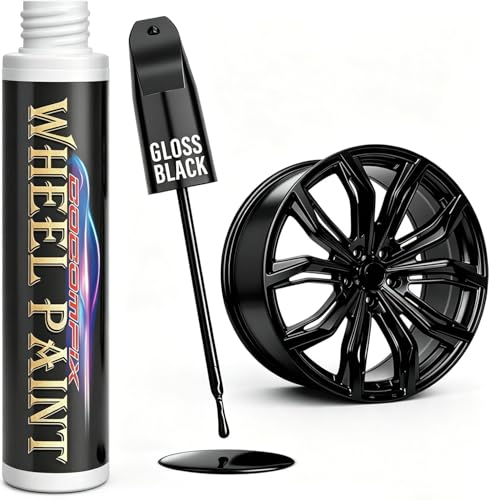
Instantly Restores Black Wheels' Mirror Shine: Quickly repairs car curb rash, scratches, scuffs, dings & even corrosion marks, easily hiding any wheel damage with strong coverage; our wheel paint for rims restores natural black luster of any glossy black alloy wheels
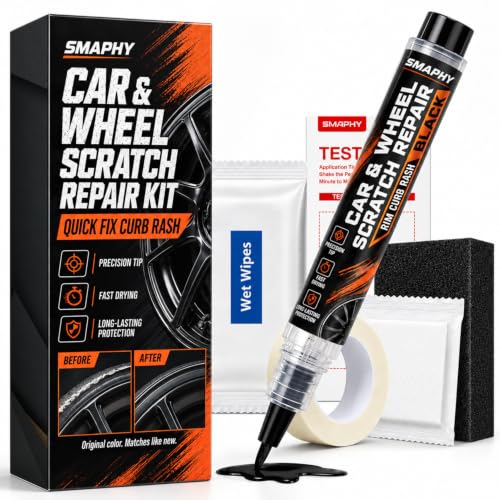
Fast Repairs Wheel Scratches & Curb Rash at Home: All-in-one kit; specially designed for repairing scratches, curb rash on alloy, steel wheels with OEM Car Wheel Curb Rash Repair kit, instantly restoring black gloss original wheel appearance at home
Keeping Up with Regular Maintenance
Regular maintenance is crucial for your vehicle’s longevity and trade-in value. A well-maintained car is more attractive to appraisers because it suggests fewer hidden problems. Routine services such as oil changes, tire rotations, brake inspections, fluid checks, filter replacements, and battery testing show that you have taken care of the vehicle throughout its life.
This proactive approach can lead to a stronger trade-in offer because it reflects positively on the car’s overall condition. Dealers often prefer vehicles that need less immediate reconditioning. A car with recent maintenance may be easier for the dealership to inspect, price, and resell.
Maintenance also affects how the vehicle feels during a short test drive or inspection. A car that starts smoothly, brakes properly, shifts cleanly, and has no warning lights is easier to appraise confidently. By contrast, squeaks, vibrations, warning lights, worn tires, or overdue maintenance can make a dealer build more risk into the offer.
Maintaining a consistent service history also strengthens your position during negotiations. Many buyers and appraisers are cautious about vehicles with incomplete maintenance records. Missing records can raise concerns about neglect or hidden repairs. When you can show that the vehicle has been serviced consistently, you make it easier for the appraiser to justify a better number.
Gathering Maintenance Records

Having comprehensive maintenance records readily available is an essential part of preparing for a trade-in. These documents serve as proof of your commitment to maintaining the vehicle and can influence its perceived value during appraisal.
Maintenance records should include receipts for oil changes, tire rotations, brake services, battery replacements, tire purchases, fluid services, inspections, and any repairs performed on the vehicle. If the work was completed at a dealership or repair shop, keep the invoices. If you performed basic maintenance yourself, keep receipts for parts and supplies.
Organize these records in a clear and accessible manner. You can create a folder, envelope, or digital file that places documents in chronological order. This makes it easier for the appraiser to review the vehicle’s history quickly. A neat record packet also shows that you are prepared and serious about the value of your car.
If you have had major repairs or replacements, such as transmission work, engine repairs, new tires, brake replacement, suspension service, or air-conditioning repairs, highlight those records. Major documented work can reassure the dealer that important issues have already been addressed. This transparency can support a more favorable appraisal outcome.
Considering Cosmetic Upgrades
While major modifications may not be advisable before trading in your vehicle, certain cosmetic upgrades can enhance its appeal without significantly affecting resale value. Simple improvements such as new floor mats, fresh wiper blades, clean headlights, odor removal, or touch-up paint on tiny chips can help the car feel better cared for.
Cosmetic upgrades should be practical and broadly appealing. Replacing missing knobs, cleaning cloudy headlights, repairing small upholstery issues, or removing bumper stickers can make the car look more neutral and easier to resell. These changes can create an impression of freshness that may help during the appraisal.
However, approach cosmetic upgrades with caution. Not all upgrades will return more than they cost. A full repaint, expensive wheels, premium audio upgrades, or custom interior work may not increase the trade-in offer enough to justify the expense. Dealers usually care more about resale demand, mechanical condition, mileage, title status, and overall presentation.
Focus on improvements that make the vehicle cleaner, safer, and more neutral. High-quality floor mats, replacement seat covers for badly worn seats, and simple trim repairs can improve comfort and appearance without changing the vehicle’s basic character. Small touches can contribute positively to how your car is perceived during the appraisal process.
[Amazon Products Picked for You]

All Weather Protection: CAR PASS all black heavy duty rubber car mats provide protection for your car's interior from rain,snow, dirt and mud.Easy to clean.Deep ridge channels specifically design to prevent fluids from leaking onto carpets

UNIVERSAL FIT. Classical Needle Puch Carpet made. Set of two front floor mats and two rear floor mats. Universal fit for suvs, sedans, cars, vans, trucks.

PREMIUM ALUMINUM-MOLDED CAR MATS - Sleek aluminum with full-circle iridescent inlay strip design, perfect for luxury car interior upgrades, stylish automotive floor protection, and car mat fit.
Avoiding Personalization
Personalizing your vehicle may reflect your unique style, but potential buyers may not share the same preferences. Custom modifications such as aftermarket rims, unusual paint colors, loud exhaust systems, body kits, decals, tinted lights, or personalized interiors can reduce your car’s appeal during the trade-in process.
Dealerships often prefer vehicles that remain close to original specifications because they are easier to market to a wider group of buyers. A stock vehicle usually gives the dealer more confidence that it will attract interest quickly. Heavy customization can make the car harder to price, inspect, finance, or resell.
Before trading in your car, consider reverting significant personalization back to factory specifications if it is practical and cost-effective. This could include removing decals, reinstalling original wheels, replacing heavily customized accessories, or restoring original parts that were altered during customization.
Keep any removed factory parts if you still have them. Original wheels, radios, floor mats, cargo covers, keys, owner’s manuals, and spare parts can help make the car feel more complete. By presenting your vehicle in a more original form, you increase its attractiveness to buyers who want a reliable car without modifications that could complicate future resale.
Presenting Your Car for Appraisal
The way you present your car during the appraisal process can significantly influence its perceived value. First impressions matter. Arrive at the dealership with a clean, organized, and well-maintained vehicle. Remove personal items from the cabin, glove box, center console, trunk, and cargo area. Make sure the exterior is free from dirt, leaves, and heavy debris.
Bring all keys, remotes, owner’s manuals, maintenance records, registration documents, title information, and loan payoff information if the vehicle is financed. Missing keys or paperwork can slow down the transaction and may affect the offer. A complete set of documents makes the process easier and shows that you are prepared.
During the appraisal, be ready to answer questions about your vehicle’s history and maintenance records. Mention recent repairs, new tires, brake work, battery replacement, or major service. If the car has known issues, be honest. Transparency helps avoid problems later and can keep the negotiation professional.
A polished presentation reflects well on you as a seller and sets a better tone for negotiations. It can also help the appraiser see beyond minor imperfections and focus on the vehicle’s overall condition. A well-prepared presentation can lead to a more favorable appraisal outcome.
Getting Multiple Trade-In Offers
One of the simplest ways to protect yourself from a weak trade-in offer is to get more than one appraisal. Different dealerships may value the same car differently based on their inventory, customer demand, used-car strategy, and confidence in reselling that model.
For example, a dealership that specializes in your vehicle’s brand may value it more than a dealer that rarely sells that type of car. A truck may perform better at a dealership with strong truck demand, while a fuel-efficient compact may attract more interest where commuter cars sell quickly.
Use competing offers as leverage. If one dealer gives you a stronger number, ask another dealer whether they can match or beat it. You do not need to be aggressive. A calm statement such as, “I have another written offer for this amount. Can you improve your trade-in number?” can be enough to restart the conversation.
Understanding Loan Payoff and Equity
If you still owe money on your car, understand your loan payoff before you trade it in. The payoff amount is the total needed to close the loan, and it may differ from the balance shown on your last statement. Contact your lender or check your account for the current payoff amount.
If your car is worth more than the payoff, you have positive equity. That equity can usually be applied toward your next vehicle. If your car is worth less than the payoff, you have negative equity. In that case, the remaining balance may be rolled into the next loan, which can increase your monthly payment and total borrowing cost.
Never judge a trade-in deal only by the monthly payment. Dealers can adjust loan terms, down payment, financing, and vehicle price in ways that make a payment look attractive while reducing your overall value. Look at the trade-in offer, new vehicle price, loan payoff, taxes, fees, interest rate, and loan term together.
Negotiating the Trade-In Value
Negotiation is an integral part of the trade-in process. Understanding how to advocate for your vehicle’s worth can help you achieve a better outcome. Armed with research on your car’s value and maintenance records, enter negotiations with confidence.
Be prepared to present data from valuation tools and local listings that support your desired trade-in price. Instead of saying only that you “think” the car is worth more, show why. Mention comparable listings, condition, service history, mileage, trim level, recent repairs, and any features that make your car more desirable.
During negotiations, remain calm and composed. If the initial offer falls short of your expectations, counter with evidence. You can say that the offer seems low compared with similar local vehicles or trusted valuation ranges. Highlighting specific features or recent repairs can strengthen your case and encourage the appraiser to reconsider.
Also separate the trade-in value from the price of the next vehicle. Some deals may look strong because the dealer increases the trade-in offer but reduces the discount on the next car. Others may show a lower trade-in number but a better purchase price. Focus on the total deal, not just one number.
A strong trade-in negotiation starts before you visit the dealership. Clean the car, organize records, know your payoff, and bring market data that supports your value range.
Knowing When to Walk Away
In some cases, despite thorough preparation and negotiation, you may receive an unsatisfactory trade-in offer. Knowing when to walk away from a deal is crucial. Accepting an offer that undervalues your vehicle can lead to regret, especially if you later discover that another dealership or private buyer would have paid more.
If negotiations stall or you feel pressured to accept a weak offer, trust your instincts and consider other options. Walking away does not mean abandoning your plans. It simply gives you room to compare offers, review the numbers, and decide whether the deal truly works for you.
You can explore other dealerships, online appraisal services, or private-sale options. A private sale may take more effort, but it can sometimes produce a higher price. Trading in is more convenient because the dealer handles much of the paperwork and can apply the value directly to your next purchase.
The automotive market changes based on demand, supply, location, and vehicle type. By remaining patient and open-minded, you increase your chances of achieving a fair trade-in value that reflects your car’s true condition and market appeal.
If you’re looking to maximize the value of your car trade-in, you may also be interested in learning how to effectively organize your vehicle’s interior space. Check out this article on maximizing drawer space and organizing tips for helpful advice on keeping your car tidy and efficient. By implementing these organization strategies, you can improve the functionality of your vehicle and make a better impression when it is time for appraisal.
Related Guides
Frequently Asked Questions
What factors affect the trade-in value of a car?
Factors that affect the trade-in value of a car include the make, model, year, mileage, trim, condition, accident history, title status, service records, local demand, and the dealer’s expected reconditioning costs.
How can I increase the trade-in value of my car?
You can increase the trade-in value of your car by keeping it well-maintained, saving service records, fixing minor issues, cleaning the interior and exterior, removing personal items, avoiding heavy modifications, and comparing offers from more than one dealer.
Should I get multiple trade-in offers for my car?
Yes. Getting multiple trade-in offers helps you understand what dealers are willing to pay and gives you leverage during negotiation. A dealer with stronger demand for your vehicle may offer more than another dealer.
Is it better to trade in my car or sell it privately?
It depends on your priorities. Trading in your car is convenient and can simplify the purchase process, but selling privately may bring a higher price. Consider your timeline, paperwork comfort level, safety, loan payoff, and the effort required to meet buyers.
What documents do I need to trade in my car?
You will typically need your car’s title, registration, driver’s license, service records, all keys, owner’s manual, and loan payoff information if you still owe money on the vehicle. Requirements can vary by state and dealership.
Should I repair my car before trading it in?
Repair small, visible, low-cost issues that improve presentation, such as burned-out bulbs, worn wipers, minor trim problems, or simple dents. Avoid expensive repairs unless the expected increase in trade-in value clearly outweighs the cost.
Sources
- Kelley Blue Book — guidance on improving car trade-in value through cleaning, repairs, records, and preparation
- Kelley Blue Book — vehicle valuation research and used-car value estimates
- Edmunds — vehicle pricing, appraisal research, and car shopping guidance
- J.D. Power — vehicle valuation and market information for car shoppers
