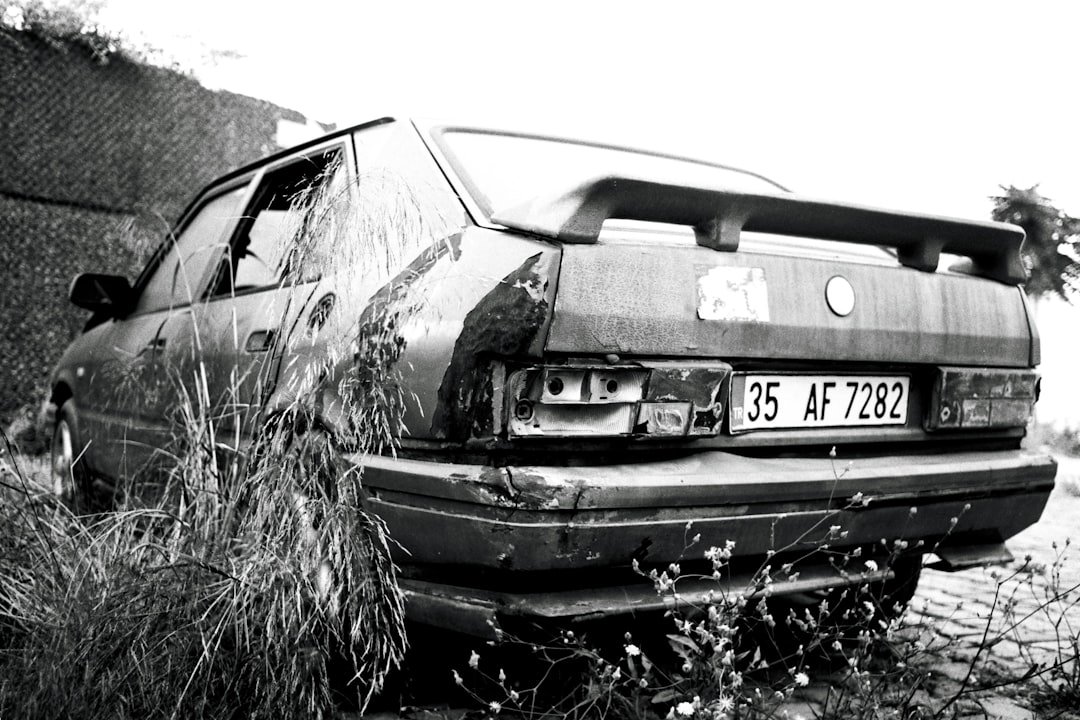
Before you buy a used car, checking its accident history helps you avoid hidden damage, safety concerns, and an unfair price. A vehicle history report can show reported crashes, title problems, airbag deployment, odometer issues, recalls, and service records. It will not catch every repair, so you should pair the report with a careful inspection and a trusted mechanic’s opinion.
Quick Answer
To check a car’s accident history, get the vehicle identification number (VIN), run it through a reputable vehicle history service, review title and damage records, check for open recalls, and have the car inspected by an independent mechanic before you buy.
Key Takeaways
- A clean-looking used car can still have past accident damage that affects safety, value, and future repair costs.
- Use the VIN to check reports from services such as Carfax, AutoCheck, and the National Motor Vehicle Title Information System.
- A vehicle history report is helpful, but it may not include every accident or repair.
- Frame damage, salvage titles, rebuilt titles, and airbag deployment deserve extra caution.
- Use accident history to negotiate the price, request repair records, or walk away from a risky deal.
At a Glance
| Time Required | 15 to 45 minutes for the report, plus extra time for inspection |
| Difficulty | Easy for basic checks; moderate when comparing records and inspection findings |
| Tools Needed | VIN, vehicle history report service, recall lookup, service records, and mechanic inspection |
| Cost | Free to paid, depending on the report provider and inspection option |
When considering the purchase of a used vehicle, one of the most critical steps is to check its accident history. This information can give you useful insight into the car’s past, including reported collisions, damage events, title issues, and possible repair patterns. Understanding a vehicle’s accident history helps you assess its current condition, future reliability, safety risks, and fair market value.
A car that has been involved in a serious accident may have underlying issues that are not immediately visible. Frame repairs, poor paintwork, flood-related damage, or faulty airbag replacement can lead to expensive repairs later. A vehicle’s accident history can also influence resale value. Cars with reported accidents often sell for less than similar vehicles with clean records, even when the repairs look professional.
Buyers who skip this step may overpay for a vehicle with hidden problems or reduced value. By being proactive and obtaining this information, you can make a more informed decision and choose a vehicle that better fits your budget, safety expectations, and long-term ownership plans.
Warning: A vehicle history report is not a guarantee that the car has never been damaged. Some accidents, private repairs, or unreported incidents may not appear in commercial reports.
Understanding the Impact of a Car’s Accident History on Its Value
The impact of a car’s accident history on its value is multifaceted. In general, vehicles with reported accidents tend to lose more value than vehicles with clean histories. Insurance companies, dealers, appraisers, and buyers often use accident history as one factor when estimating a car’s market value.
For instance, a car that has sustained significant structural damage may be valued much lower than a similar model with no reported accidents, even if the repairs were completed professionally. Buyers often worry about future alignment problems, uneven tire wear, water leaks, electronic issues, or reduced crash protection after a serious collision.
The type and severity of the accident also matter. A minor bumper scrape may have little effect on value if it was repaired correctly. However, major accidents that involve frame damage, airbag deployment, flood exposure, or salvage branding can reduce value substantially. Even if the vehicle looks clean after repairs, its history can affect resale potential for years.
Accident history does not automatically make a used car a bad buy, but it should change how carefully you inspect the vehicle and how much you are willing to pay.
Where to Find a Car’s Accident History Report

Finding a car’s accident history report has become more accessible because many records are now available through online databases. One of the most common ways to check this information is through dedicated vehicle history report services such as Carfax and AutoCheck. These platforms compile data from sources such as insurance records, repair facilities, auctions, title agencies, and law enforcement reports.
Potential buyers can also review information through the National Motor Vehicle Title Information System, which helps consumers check title history, salvage records, and total-loss information from approved data providers. This is especially useful when you want to confirm whether a vehicle has ever received a salvage or rebuilt title.
In addition to specialized services, buyers can check with state motor vehicle departments when available. Many states maintain title and registration records, although the details may vary. Some dealerships may also provide an accident history report during the sales process. This can be helpful, but you should still review the report yourself and compare it with the car’s condition.
How to Obtain a Car’s Accident History Report
| Car’s Accident History Report | Metrics |
|---|---|
| Number of Accidents | 5 |
| Severity of Accidents | Minor |
| Accident Dates | 2018-05-20, 2019-09-10, 2020-03-15 |
| Accident Locations | New York, Los Angeles, Chicago |
Obtaining a car’s accident history report is typically straightforward and can often be done online. For services like Carfax or AutoCheck, you need the Vehicle Identification Number, or VIN, to access the report. The VIN is a unique 17-character code assigned to each vehicle. You can usually find it on the driver’s side dashboard, inside the driver’s side door frame, on the registration, or on the insurance documents.
Once you enter the VIN into the report service’s website, you can purchase access to the report. The report may include recorded accidents, title history, odometer readings, ownership changes, open recalls, service records, and registration events. The exact information depends on the provider and the records available for that vehicle.
In some cases, you may be able to obtain a free report through dealership promotions or vehicle listing websites. If you are buying from a dealership, ask whether they provide a complimentary report. This can save money, but it should not replace your own review of the VIN, title, maintenance records, and vehicle condition.
Pro Tip: Always copy the VIN directly from the vehicle, not only from the online listing. A one-character typo can pull the wrong report.
[Amazon Products Picked for You]

Interpreting the Information in a Car’s Accident History Report
Interpreting the information in a car’s accident history report requires careful attention to detail. The report usually includes sections for accidents, title events, odometer readings, service records, ownership changes, and recall information. Do not focus on only one line. Review the full timeline to see whether the records tell a consistent story.
Start with the accident details. Look for the date of each incident, the reported severity, the location, the damaged area, and whether airbags deployed. These details help you judge how serious the accident may have been and what repairs were likely needed. A front-end collision with airbag deployment deserves more caution than a light cosmetic scrape.
Next, review title information. A salvage title usually means an insurance company considered the vehicle a total loss. A rebuilt title usually means the vehicle was repaired and passed a required inspection, but it may still carry added risk and reduced resale value. Also look for flood, fire, hail, lemon, or odometer brands.
You should also compare the report with what you see during your inspection. If the report says “minor damage” but you notice uneven body gaps, fresh paint on multiple panels, or warning lights on the dashboard, investigate further. Any mismatch between the report, seller’s explanation, and physical condition should raise a red flag.
The Importance of Verifying the Accuracy of a Car’s Accident History Report
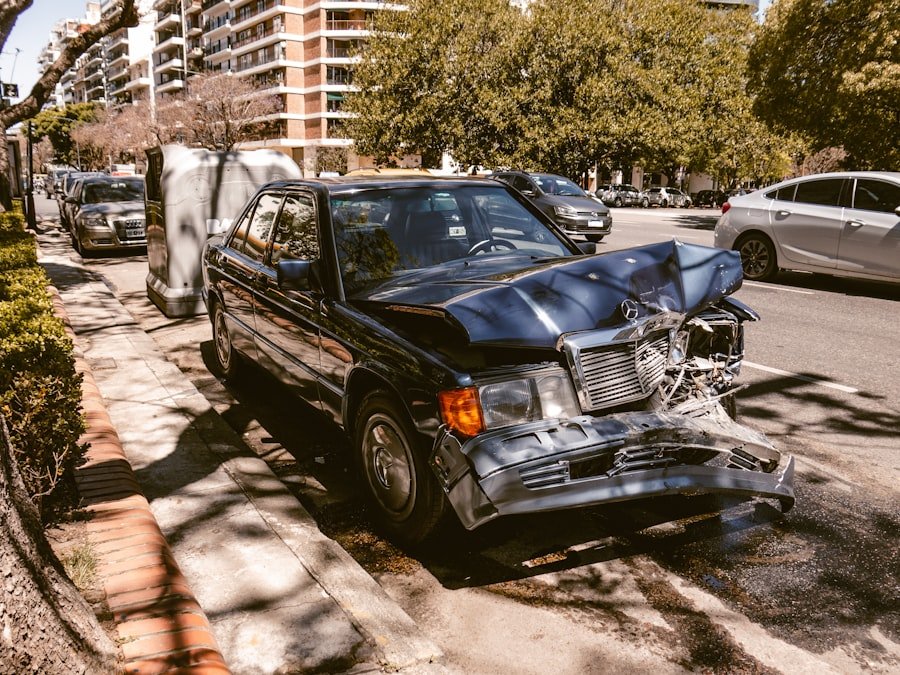
While vehicle history reports are valuable tools for potential buyers, you should verify their accuracy. Errors can occur because of delayed reporting, incomplete records, private repairs, or incorrect data entry. A report may show no accidents even if the vehicle had bodywork that was never reported to an insurance company.
One effective way to verify accuracy is to inspect the vehicle yourself and hire a professional mechanic or body shop technician to review it. A qualified technician can identify signs of previous repairs or damage that may not appear in the report. They may notice paint overspray, replaced panels, uneven welds, poor alignment, undercarriage damage, or corrosion near repaired areas.
You can also ask the seller for service records, repair invoices, insurance claim documents, and previous inspection reports. Speaking with previous owners, when possible, can provide more context. This multi-step approach helps you make decisions based on reliable information instead of relying on a single report.
Note: A clean report can support your decision, but it should never replace a pre-purchase inspection by someone who understands collision repairs.
What to Do If a Car’s Accident History Report Reveals Damage
If a car’s accident history report reveals damage, do not reject the vehicle automatically. First, assess the type and extent of the damage. A minor incident that only affected a bumper cover may be acceptable if the repair was done correctly. Major structural damage, airbag deployment, flood damage, or a salvage title requires far more caution.
Ask the seller or dealership for a detailed repair history. You want to know what was damaged, which parts were replaced, who completed the repair, and whether original equipment parts or aftermarket parts were used. Repair invoices can also show whether the work involved structural repairs, paintwork, suspension parts, sensors, or safety systems.
Next, have an independent mechanic inspect the vehicle thoroughly. A professional can tell you whether any problems remain from the accident and whether the repairs appear safe. If the mechanic confirms major damage or poor repair quality, you can negotiate a lower price, request repairs before purchase, or walk away from the deal.
[Amazon Products Picked for You]

Accurate Paint Thickness Measurement: Quickly and precisely check your car’s paint thickness to detect any previous repairs or repainting, helping you make informed decisions when buying used vehicles.

PROFESSIONAL USED CAR INSPECTION TOOL: Magnetic paint thickness pen comes with color-coded micron scale to quickly tell original factory paint, secondary repaint, thick bondo filler and hidden crash damage. A must-have screening gadget for used car buyers, auto detailers and body shop workers to avoid buying accident vehicles

Accurate Paint Thickness Measurement: Quickly and precisely check car paint thickness to spot repainting, filler and previous body repairs, ideal for used‑car buyers to make confident purchasing decisions.
Tips for Spotting Signs of Previous Accidents When Inspecting a Car
When inspecting a used car for signs of previous accidents, start with the body panels. Uneven gaps between doors, fenders, hood, and trunk can suggest that panels were replaced or repaired. Doors that close poorly, a hood that sits unevenly, or a trunk that leaks water can also point to past collision damage.
Look closely at the paint. Mismatched color, different texture, dull overspray, or tape lines can show that part of the car was repainted. Check the edges of doors, the inside of the trunk, the wheel wells, and the underside of the hood. Repainted areas are not always a problem, but they deserve questions.
Inspect the tires and suspension area. Uneven tire wear, pulling to one side, steering wheel vibration, or a crooked steering wheel can point to alignment or frame-related issues. Also look underneath the vehicle for bent metal, fresh undercoating, rust, or weld marks.
Finally, check for signs of airbag deployment. Missing airbags, replaced dashboard panels, uneven steering wheel trim, warning lights, or loose interior panels can point to a serious previous collision. If anything looks questionable, ask a mechanic or body shop to inspect the car before you buy.
How to Use a Car’s Accident History Report in Negotiating the Price
A car’s accident history report can be a powerful negotiation tool. If the report shows previous accidents, use that information to discuss a lower price based on diminished value, future repair risk, or reduced resale appeal. The more severe the damage, the stronger your negotiating position becomes.
For example, if a vehicle has multiple accident entries, a rebuilt title, or a history of structural damage, you can compare it with similar clean-title vehicles and explain why the price should be lower. You can also request that the seller provide repair records, complete needed repairs, or pay for a professional inspection before the sale.
Approach the negotiation calmly and with documentation. Instead of accusing the seller, point to the specific report entries and explain your concerns. This helps keep the conversation practical and focused on the vehicle’s condition, safety, and market value.
[Amazon Products Picked for You]


The Role of a Car’s Accident History in Making Informed Purchasing Decisions
The role of a car’s accident history in making informed purchasing decisions cannot be overstated. It is a core part of due diligence for any used vehicle. By understanding whether a car has been involved in minor fender benders, major collisions, salvage events, or title problems, you can better decide whether it fits your needs.
Accident history helps you evaluate more than price. It can influence safety, insurance costs, financing options, warranty eligibility, and resale value. Some buyers may be comfortable with a well-repaired minor accident if the price is fair. Others may prefer to avoid any accident history for peace of mind.
Having access to this information helps you avoid decisions based only on appearance, brand reputation, or a persuasive sales pitch. It allows you to compare the report, inspection results, seller’s explanation, and market price before making a final choice.
Additional Steps to Take to Ensure a Smooth Ride After Checking a Car’s Accident History
After checking a car’s accident history and making an informed purchase decision, take a few additional steps to protect your investment. Schedule regular maintenance with a qualified mechanic who can monitor the vehicle’s performance over time. This is especially important if the vehicle had previous collision repairs.
Keep copies of the accident history report, repair records, inspection report, and maintenance receipts. These documents can help you track future issues and support resale value if you sell the car later. They can also help a mechanic understand the vehicle’s history when diagnosing problems.
You may also consider an extended warranty or service plan if it is available and the terms make sense for your vehicle. Read the coverage carefully. Some plans may exclude pre-existing conditions, salvage-title vehicles, or damage related to past accidents.
If you’re interested in learning more about kitchen tips, you may want to check out this article on how to reheat pizza for crispy perfection. It offers helpful advice on getting your leftover pizza to taste just as good as when it was first delivered.
Related Guides
Frequently Asked Questions
What is an accident history report?
An accident history report is a document that provides information about reported accidents, damage, title issues, odometer records, ownership history, service records, and sometimes open recalls connected to a vehicle. It helps used-car buyers make a more informed decision before purchase.
How can I check a car’s accident history?
You can check a car’s accident history by using the VIN to obtain a vehicle history report from a reputable provider such as Carfax, AutoCheck, or an approved NMVTIS data provider. You should also check title records, recall status, repair records, and inspection findings.
What information is included in an accident history report?
An accident history report may include reported accidents, damage severity, title brands, salvage or rebuilt records, odometer readings, ownership changes, service records, registration events, and open recalls. The exact details depend on the report provider and available data.
Is it important to check a car’s accident history before buying?
Yes. Checking a car’s accident history can help you avoid hidden damage, safety concerns, title problems, and overpaying. It also gives you useful information for negotiation and helps you decide whether the vehicle deserves a professional pre-purchase inspection.
Are there any free ways to check a car’s accident history?
Some free tools can help with limited checks. The National Insurance Crime Bureau offers VINCheck for theft and salvage records, and the National Highway Traffic Safety Administration provides a free recall lookup. However, free tools may not provide the same depth as a paid vehicle history report.
Can a car have accident damage even if the report is clean?
Yes. A clean report does not prove the car was never damaged. Some crashes, private repairs, cosmetic work, or unreported insurance claims may never reach the report provider. That is why a physical inspection remains important.
Should I buy a car with a salvage or rebuilt title?
Only consider it with extreme caution. Salvage or rebuilt vehicles may cost less, but they can be harder to insure, finance, warranty, and resell. Have the vehicle inspected by a qualified mechanic and confirm all title rules in your state before buying.
Sources
- National Motor Vehicle Title Information System — supports title, salvage, and total-loss history checks.
- National Insurance Crime Bureau VINCheck — supports free theft and salvage record checks.
- National Highway Traffic Safety Administration Recalls — supports checking open safety recalls by VIN.
- Federal Trade Commission: Buying a Used Car From a Dealer — supports used-car due diligence and buyer protections.
- Carfax — supports commercial vehicle history report access.
- AutoCheck — supports commercial vehicle history report access.
