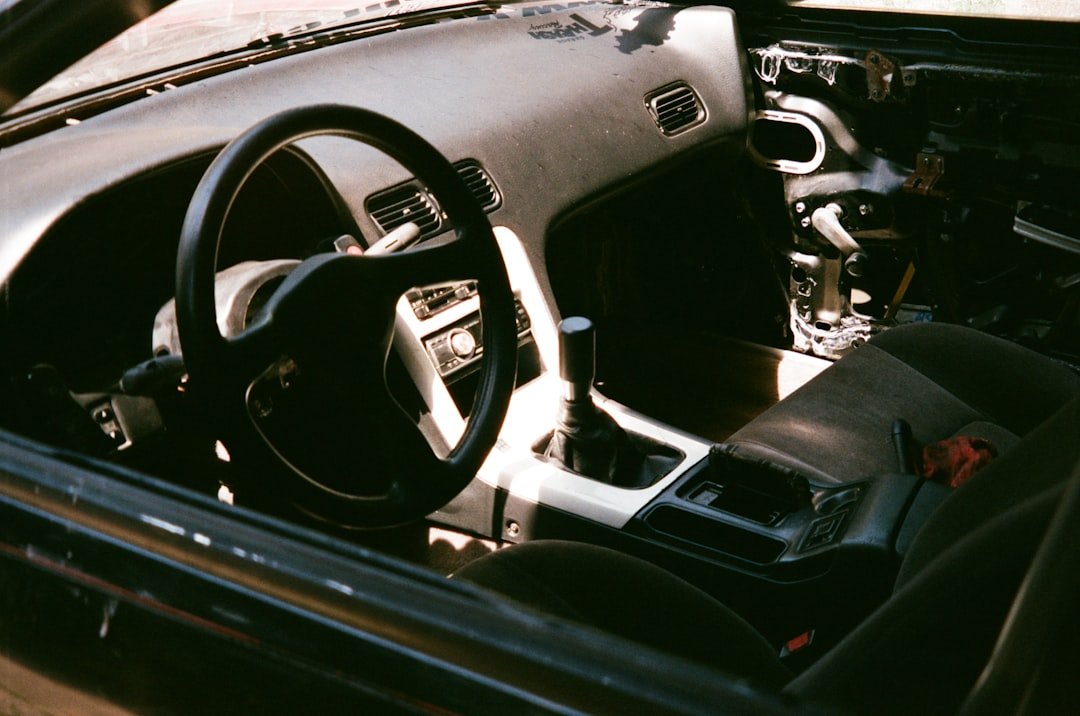
A clean car interior makes every drive more comfortable, healthier, and easier to manage. Dust, crumbs, spills, pet hair, body oils, and everyday grime can build up on seats, carpets, dashboards, cup holders, glass, and touchscreens. When you use the right car interior cleaner for each surface, you can remove dirt without damaging leather, fabric, vinyl, plastic, or electronics.
Cleaning your car cabin also helps protect your vehicle over time. Stains can set into upholstery, leather can dry out, and residue can leave dashboards looking dull. A simple routine with the right cleaner, soft cloths, and safe techniques keeps your interior fresher and helps preserve resale appeal.
Quick Answer
The best car interior cleaner depends on the surface you need to clean. Use an all-purpose interior cleaner for plastic and vinyl, a fabric or upholstery cleaner for cloth seats, a leather-safe cleaner for leather, and an ammonia-free glass cleaner for windows and screens.
Key Takeaways
- Match the cleaner to the surface: fabric, leather, vinyl, plastic, carpet, glass, or touchscreen.
- Always test a new cleaner in a hidden spot before using it across a large area.
- Spray cleaner onto a microfiber cloth instead of directly onto dashboards, buttons, vents, or screens.
- Vacuum first so loose dirt does not grind deeper into seats, carpets, or floor mats.
- Use low-odor or fragrance-free products if you are sensitive to strong scents or chemical smells.
At a Glance
| Time Required | 20 to 60 minutes for a basic interior clean; longer for deep stains or odor removal |
| Difficulty | Easy for routine cleaning; moderate for set-in stains, heavy pet odor, or neglected interiors |
| Tools Needed | Microfiber cloths, vacuum, soft brush, interior cleaner, glass cleaner, leather cleaner or conditioner when needed |
| Cost | Low for DIY cleaning supplies; higher for professional detailing or odor treatment |
Why a Clean Car Interior Matters
A clean car interior is not merely a matter of appearance. It plays a real role in comfort, vehicle maintenance, and your overall driving experience. You spend time inside your vehicle while commuting, running errands, carrying family members, traveling with pets, or taking long road trips. A tidy cabin can reduce stress, make the space easier to use, and help you stay focused while driving.
Regular cleaning also helps limit dust, pollen, food residue, pet dander, and odors that can collect inside a closed vehicle. These particles can settle into seats, floor mats, carpets, vents, and cup holders. If you wait too long, simple dirt can turn into stains, sticky buildup, or stubborn smells.
Regular interior cleaning helps protect the surfaces you touch every day, including seats, armrests, controls, steering wheels, carpets, and dashboards.
A clean interior can also support your vehicle’s resale value. Buyers often notice the condition of the seats, carpets, trim, and smell of the cabin before they focus on smaller details. A well-kept interior suggests that the vehicle received steady care.
This matters even more if you use your car for work, rideshare driving, deliveries, client visits, or business travel. A cluttered or dirty cabin can make a poor impression. Over time, neglected spills and grime may also lead to worn upholstery, stained carpets, cracked leather, or dull plastic trim.
Types of Car Interior Cleaners
Car interior cleaners are not all the same. Each type works best on specific materials, and using the wrong product can leave streaks, residue, discoloration, or dryness. Before you clean, identify the surface and choose a product made for that material.
All-purpose interior cleaners work well for many hard surfaces, such as vinyl, plastic, rubber trim, cup holders, door panels, and some dashboards. These cleaners are useful for everyday dirt and light grime. However, they may not be the best choice for leather, delicate screens, suede-like materials, or heavily stained fabric.
Fabric and upholstery cleaners are made for cloth seats, fabric inserts, carpets, and floor mats. Many come as sprays, foams, or diluted concentrates. They help lift stains and odors from fibers when paired with a soft brush and proper vacuuming.
Leather cleaners are designed for leather seats, steering wheels, shift knobs, and leather-trimmed panels. A good leather cleaner removes body oils and dirt without stripping too much moisture from the surface. Leather conditioners or protectants may also help reduce drying and cracking when used correctly.
Glass cleaners remove fingerprints, haze, and film from windows and mirrors. For interior use, ammonia-free glass cleaner is often safer around tinted windows and sensitive surfaces. Use a dedicated glass microfiber towel to reduce streaks.
Odor removers target smells from pets, food, smoke, mildew, and spills. Enzyme-based cleaners can help break down organic odor sources, while baking soda can absorb mild smells from carpets and fabric. Odor sprays that only add fragrance may mask the smell without fixing the cause.
Note: Avoid household cleaners that are too harsh for automotive surfaces. Strong solvents, bleach, abrasive powders, and high-ammonia products can damage trim, leather, coatings, screens, or tinted glass.
[Amazon Products Picked for You]

All-in-One Set, Intimate Combination: AstroAI windshield cleaner tool comes with 4 microfiber pads (one more than others), one 60ml spray bottle and a storage bag, making it an essential part of car cleaning kits. The telescoping handle(15.9-21in)can be disassembled into halves for storage, taking up minimal space inside your car.
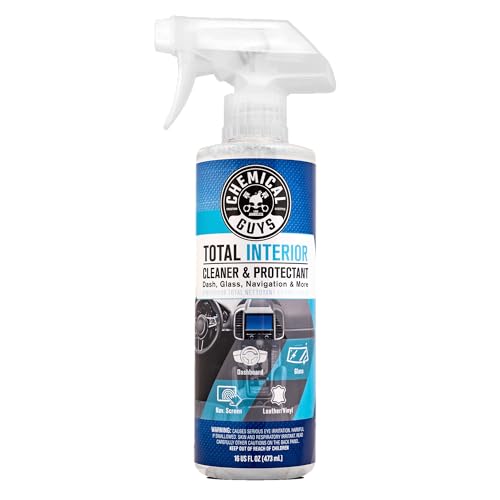
ALL-IN-ONE CAR INTERIOR CLEANER (SPI22016) – Favored by car care enthusiasts and detailers nationwide, this versatile formula cleans and protects leather, vinyl, plastic, rubber, and glass for a fresh, streak-free finish

Interior Car Cleaner Spray: One 16 fl oz bottle of Armor All Multi-Purpose Interior Car Cleaning Spray with odor elimination technology for fresh-smelling car
Choosing the Right Cleaner for Your Car Interior

Selecting the right cleaner starts with understanding your vehicle’s interior materials. A car with leather seats, fabric carpets, piano-black trim, touchscreens, and tinted glass needs more than one product. A cleaner that works on plastic may not be safe for leather. A fabric cleaner may leave residue on vinyl. A glass cleaner may not belong on a navigation screen.
Read the product label before using any cleaner. Look for the surfaces it supports, the surfaces it warns against, and the recommended application method. If the label says to dilute the product, follow the ratio. A cleaner that is too concentrated can leave residue or cause discoloration.
Think about the type of mess you need to remove. Dust and fingerprints may only need a mild interior detailer and a microfiber cloth. Grease, coffee, mud, makeup, sunscreen, ink, pet accidents, and food spills may need a more specific cleaner.
Also consider scent. Some cleaners leave a strong fragrance that may feel pleasant at first but overwhelming in a closed cabin. If you are sensitive to chemical smells, choose a fragrance-free, low-odor, or hypoallergenic product when available. The EPA notes that volatile organic compounds can affect indoor air quality, so it is smart to use cleaning products with proper ventilation and avoid overusing strong-scented formulas. Learn more from the EPA.
Finally, decide whether you want ready-to-use products or concentrates. Ready-to-use sprays are convenient for quick cleaning. Concentrates can be more economical for frequent detailing, but they require careful dilution.
[Amazon Products Picked for You]
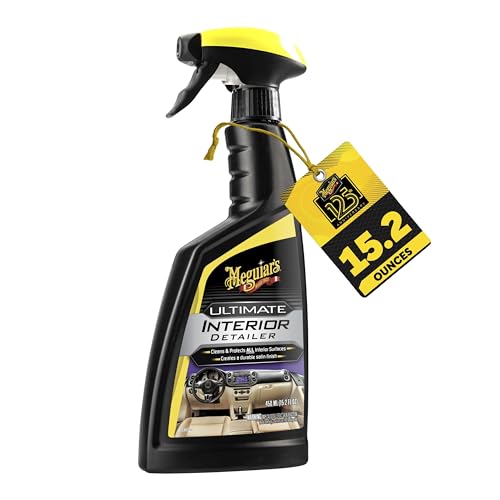
INTERIOR CLEANER: This car detailer spray cleans and protects all interior surfaces in one easy step, so you do not have to wait around for a fresh look. Keep your interior looking perfect with our showroom grade formula and ride off in style.

ALL PURPOSE CLEANER: Meguiar's Quik Car Interior Detailer Cleaner is a versatile cleaner formulated to work on a wide range of materials including plastics, vinyl, leather, rubber, metal, and LCD/navigation screens.

Protective Layer Application: After cleaning, it applies a protective coating that shields surfaces from dust, fingerprints, and daily wear, helping to maintain the pristine condition of your interior for longer.
Tips for Cleaning Different Types of Surfaces
| Surface Type | Cleaning Tips |
|---|---|
| Dashboard, Vinyl, and Plastic | Use an automotive interior cleaner and a microfiber cloth. Spray the cloth first, then wipe the surface to avoid oversaturation. |
| Glass and Mirrors | Use an ammonia-free glass cleaner and a lint-free glass towel. Wipe in one direction to reduce streaks. |
| Fabric Seats and Upholstery | Vacuum first, apply fabric cleaner lightly, agitate with a soft brush, and blot away residue with a clean damp cloth. |
| Leather Seats and Trim | Use a leather-safe cleaner with a soft cloth. Avoid soaking the leather, then condition it if the manufacturer recommends it. |
| Carpet and Floor Mats | Remove mats, shake out debris, vacuum thoroughly, spot-clean stains, and let the area dry fully before reinstalling mats. |
Cleaning each surface inside a car requires a slightly different technique. For hard surfaces such as dashboards, center consoles, door panels, and cup holders, microfiber cloths are effective because they trap dust without scratching most finishes. When using an all-purpose cleaner, spray the cleaner onto the cloth instead of directly onto the surface. This helps protect buttons, seams, vents, screens, and electronic components from excess moisture.
For fabric upholstery, vacuuming is the first step. Loose dirt can become embedded deeper into the fibers if you start scrubbing too soon. After vacuuming, apply fabric cleaner lightly and use a soft brush to work it into the stained area. Blot with a damp cloth to remove leftover cleaner, then allow the fabric to dry fully.
Leather surfaces need a gentler approach. Use a dedicated leather cleaner with a soft cloth and avoid harsh scrubbing. Too much liquid can soak into seams, perforations, or worn areas. After cleaning, a leather conditioner or protectant may help maintain flexibility and reduce drying.
Warning: Do not spray cleaner directly onto touchscreens, instrument clusters, switches, speakers, charging ports, or seat controls. Apply cleaner to a cloth first, then wipe gently.
DIY Car Interior Cleaning Solutions
DIY car interior cleaning solutions can be useful for light maintenance, especially if you want a low-cost option for simple messes. Still, they are not ideal for every surface. Always test a small hidden area before applying any homemade mixture across seats, carpets, leather, or trim.
One common DIY glass solution uses equal parts water and white vinegar in a spray bottle. It can help clean interior glass and reduce light haze. Use it sparingly and keep it away from sensitive trim, screens, and natural stone-style finishes. Wipe with a clean glass towel to avoid streaking.
Baking soda can work as a natural deodorizer for fabric upholstery and carpets. Sprinkle a light layer on the surface, let it sit for several hours or overnight, then vacuum thoroughly. This can help with mild odors from food or everyday use.
For tougher fabric stains, you can mix baking soda with a small amount of water to form a paste. Apply it to the stain, let it sit briefly, and gently agitate with a soft brush. Then wipe with a damp cloth and let the area dry. Avoid using this method on leather, suede, Alcantara-style materials, touchscreens, or delicate trim.
Pro Tip: Use the mildest cleaning method first. If water, a microfiber cloth, and gentle agitation solve the problem, you do not need stronger chemicals.
Best Practices for Using Car Interior Cleaners

To get better results and reduce the risk of damage, follow a simple process every time you clean your car interior. First, remove trash, personal items, loose accessories, and floor mats. Then vacuum seats, carpets, mats, under-seat areas, door pockets, and tight crevices.
Always test any cleaner on an inconspicuous area before applying it broadly. This matters most for leather, colored fabric, older plastics, glossy trim, and aftermarket accessories. Wait a few minutes and check for discoloration, residue, texture changes, or dye transfer.
Follow the manufacturer’s instructions for application, dwell time, dilution, and removal. More cleaner does not always mean better cleaning. Overusing product can leave sticky residue that attracts more dust.
Work in small sections instead of trying to clean the entire cabin at once. This keeps the product from drying on the surface before you wipe it away. Use separate cloths for glass, leather, hard trim, and fabric so you do not spread dirt or chemicals from one area to another.
Ventilation also matters. Open the doors or windows while cleaning when possible. This helps odors dissipate and allows damp seats or carpets to dry faster.
How to Remove Tough Stains and Odors
Tough stains and persistent odors can be frustrating, but fast action helps. If you spill coffee, soda, food, or other liquids, blot the area with a clean cloth instead of rubbing. Rubbing can spread the stain and push it deeper into the fibers.
For fabric upholstery, apply an upholstery cleaner according to the label directions. Use a soft brush to lift the stain, then blot with a clean damp cloth. Repeat gently rather than soaking the area. Too much water can leave moisture trapped in foam or carpet padding.
Ink stains may respond to rubbing alcohol applied carefully with a cotton swab or cotton ball, but this can also affect dyes. Test first in a hidden area and avoid oversaturating the fabric.
Pet odors, food odors, and organic spills often need more than fragrance. Enzyme-based cleaners can help break down odor-causing material instead of just masking the smell. Follow the product instructions closely because many enzyme cleaners need enough dwell time to work.
For mild odor in carpets or fabric, baking soda can help absorb smells. Sprinkle it lightly, let it sit overnight, and vacuum completely. If the smell remains, check under seats, between seat cushions, in trunk liners, under mats, and around vents for the source.
Protecting and Maintaining Your Car Interior
After your car interior is clean, protection helps keep it that way. Seat covers can shield upholstery from spills, sweat, pet hair, and wear. Floor mats protect carpet from mud, snow, road salt, sand, and food crumbs. Cargo liners can protect the trunk or hatch area from tools, sports gear, groceries, and pets.
Leather surfaces benefit from gentle routine cleaning. If your leather feels dry, use a leather conditioner or protectant that matches the material and manufacturer guidance. Avoid greasy products that leave seats slippery or transfer residue to clothing.
Dashboards and plastic trim may fade or dry from sun exposure. A UV-protectant interior dressing can help, but choose one with a low-sheen finish if you want to reduce glare on the windshield. Apply it evenly and wipe off excess product.
Regular vacuuming is one of the easiest ways to maintain the cabin. Aim for at least once a month, or more often if you drive with kids, pets, tools, food, or sports equipment. Keep a small trash bag in the car so wrappers, receipts, and tissues do not collect in door pockets and cup holders.
Professional Car Interior Cleaning Services
Professional car interior cleaning services are useful when your car needs more than a quick wipe-down. Detailers often use stronger vacuums, steam cleaners, carpet extractors, brushes, compressed air, and specialized products that can remove built-up grime more effectively than basic home tools.
A professional interior detail may include vacuuming, stain treatment, carpet shampooing, fabric extraction, leather cleaning, leather conditioning, dashboard cleaning, cup holder cleaning, vent cleaning, glass cleaning, and odor treatment. Some services also offer protective coatings for fabric, leather, vinyl, or plastic.
Professional cleaning can be worth considering after heavy spills, pet accidents, smoke exposure, water leaks, mildew smells, or long-term neglect. It may also help before selling a vehicle because a cleaner cabin can make the car feel better cared for.
However, not every service uses the same products or methods. Ask what is included, whether they use steam or extraction, how long drying takes, and whether their products are safe for your specific interior materials.
Eco-Friendly Car Interior Cleaning Options
Many drivers now look for eco-friendly car interior cleaning options. These products often use plant-based or biodegradable ingredients and may avoid harsher chemicals, dyes, or strong fragrances. Eco-friendly does not always mean safe for every surface, so you still need to read labels and test first.
The EPA’s Safer Choice program can help consumers identify products that meet safer chemical ingredient criteria. When choosing a cleaner, look for clear labeling, surface compatibility, and instructions that explain proper use and disposal. Visit the EPA Safer Choice program.
DIY options such as water, mild soap, vinegar, and baking soda can also reduce reliance on stronger cleaners when used appropriately. Use these only on compatible surfaces and avoid mixing chemicals. For example, never mix bleach with ammonia or acidic cleaners.
Eco-friendly cleaning also includes how you clean. Use washable microfiber cloths instead of disposable wipes when possible. Vacuum thoroughly before applying liquid products so you need less cleaner. Use only the amount needed, and avoid letting dirty runoff enter storm drains.
Reviews and Recommendations for the Best Car Interior Cleaners
When selecting car interior cleaners, user reviews and product recommendations can help you understand how a cleaner performs in real vehicles. Look for feedback from people cleaning the same type of surface you have, such as cloth seats, leather seats, rubber mats, vinyl trim, or pet-stained carpets.
Some popular car-care brands include Chemical Guys, Meguiar’s, Lexol, and 303. Chemical Guys Fabric Clean is often discussed for upholstery and carpet cleaning. Meguiar’s offers a wide range of interior detailers and cleaners for different surfaces. Lexol Leather Cleaner is commonly used for leather care. 303 Aerospace Protectant is known for UV protection on vinyl, rubber, plastic, and similar materials.
Do not choose a product based only on popularity. Check whether it matches your vehicle’s materials, whether it leaves a glossy or matte finish, whether it has a strong scent, and whether it requires dilution. A great cleaner for floor mats may be too strong for leather. A leather cleaner may not remove a deep carpet stain.
For most drivers, the best setup includes a gentle all-purpose interior cleaner, a dedicated glass cleaner, a fabric or carpet cleaner, a leather cleaner if the vehicle has leather, and several clean microfiber cloths. This gives you enough flexibility to clean most interior surfaces safely.
[Amazon Products Picked for You]

Safe for All Interior Surfaces: Formulated to clean and restore every interior surface, Xpress Interior Cleaner is safe for leather, vinyl, plastic, rubber, wood, and fabric. Unlike harsh cleaners that can dry out or discolor materials, this gentle yet effective formula lifts dirt and grime while preserving the original texture and appearance

3-in-1 Formula – Cleans, protects, and repels in one step, making it the ultimate interior care solution for your vehicle. Keep surfaces spotless while preventing future stains and buildup.
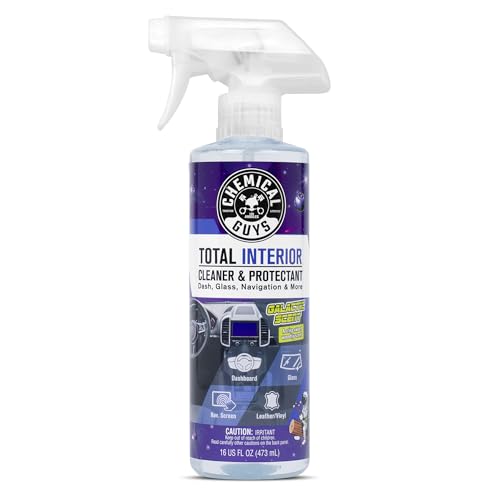
ALL-IN-ONE CLEANER (SPI23716) - Simplifies detailing with a single solution safe for dashboards, leather, vinyl, carpet, glass, plastic, and more in one easy-to-use spray.
Common Mistakes to Avoid
Many car interior problems come from using too much product or using the wrong product. Avoid soaking seats, carpets, or electronics. Excess moisture can create odors, leave water marks, or reach areas that are hard to dry.
Do not use abrasive pads on soft plastic, glossy trim, screens, or instrument clusters. These surfaces can scratch easily. Use a soft microfiber cloth and light pressure instead.
Also avoid cleaning hot surfaces in direct sun. Heat can cause cleaners to dry too quickly, leaving streaks or residue. Clean in shade or in a garage when possible.
Finally, do not ignore the source of odors. Air fresheners may make the cabin smell better for a short time, but they will not remove spilled milk, pet urine, mildew, smoke residue, or food trapped under seats.
Simple Car Interior Cleaning Routine
A simple routine keeps your car from reaching the point where it needs a major deep clean. Start by removing trash and personal items. Take out floor mats and shake them outside. Vacuum seats, carpets, mats, and crevices.
Next, wipe hard surfaces with an interior cleaner and microfiber cloth. Clean the steering wheel, gear selector, cup holders, door handles, dashboard, console, and armrests. These areas collect oils from your hands and should be cleaned regularly.
Then clean glass and mirrors with a lint-free towel. If your windshield has a film on the inside, clean it twice with fresh towels. Finish by treating stains, refreshing carpets, or conditioning leather if needed.
If you follow this routine every few weeks, you can prevent many stains and odors before they become difficult to remove.
Related Reading
If you are also improving your outdoor setup, you may be interested in choosing the right grill for your home. A good grill can make outdoor cooking and entertaining easier, just as the right cleaner can make vehicle care simpler. Read this guide on selecting the perfect gas grill for your home to compare useful buying factors.
Related Guides
Frequently Asked Questions
What is a car interior cleaner?
A car interior cleaner is a product designed to clean surfaces inside a vehicle, such as dashboards, seats, carpets, floor mats, door panels, cup holders, upholstery, and trim. Different cleaners are made for different materials.
What does a car interior cleaner do?
A car interior cleaner removes dust, dirt, grime, stains, fingerprints, body oils, food residue, and odors from interior surfaces. The result depends on the cleaner type, surface material, and how quickly you treat the mess.
What are the benefits of using a car interior cleaner?
Using a car interior cleaner helps maintain the appearance, comfort, and condition of your vehicle’s cabin. It can remove buildup, reduce odors, protect surfaces from long-term staining, and make the interior more pleasant for drivers and passengers.
How do you choose the best car interior cleaner?
Choose a cleaner based on the surface you need to clean. Use fabric cleaner for cloth seats, leather cleaner for leather, all-purpose interior cleaner for plastic or vinyl, and ammonia-free glass cleaner for windows. Also consider odor, residue, dilution, and surface compatibility.
How do you use a car interior cleaner safely?
Read the label, test the cleaner in a hidden area, vacuum loose debris first, and spray the cleaner onto a microfiber cloth instead of directly onto sensitive surfaces. Work in small sections and wipe away residue before it dries.
Are there different types of car interior cleaners?
Yes. Common types include all-purpose interior cleaners, fabric cleaners, carpet cleaners, leather cleaners, glass cleaners, odor removers, protectants, and disinfecting products. The best choice depends on the material and the cleaning problem.
Can you use household cleaners inside a car?
Some mild household solutions can work for light cleaning, but many household cleaners are too harsh for automotive interiors. Avoid bleach, abrasive powders, strong solvents, and harsh ammonia-based cleaners on leather, screens, tinted glass, and delicate trim.
How often should you clean your car interior?
Vacuum and wipe high-touch areas every few weeks for normal use. Clean more often if you carry children, pets, food, tools, sports gear, or rideshare passengers. Treat spills immediately so stains and odors do not set.
Sources
- U.S. Environmental Protection Agency: Volatile Organic Compounds’ Impact on Indoor Air Quality — supports guidance about ventilation and sensitivity to strong cleaning-product odors.
- U.S. Environmental Protection Agency: Safer Choice — supports guidance about choosing products with safer chemical ingredients.