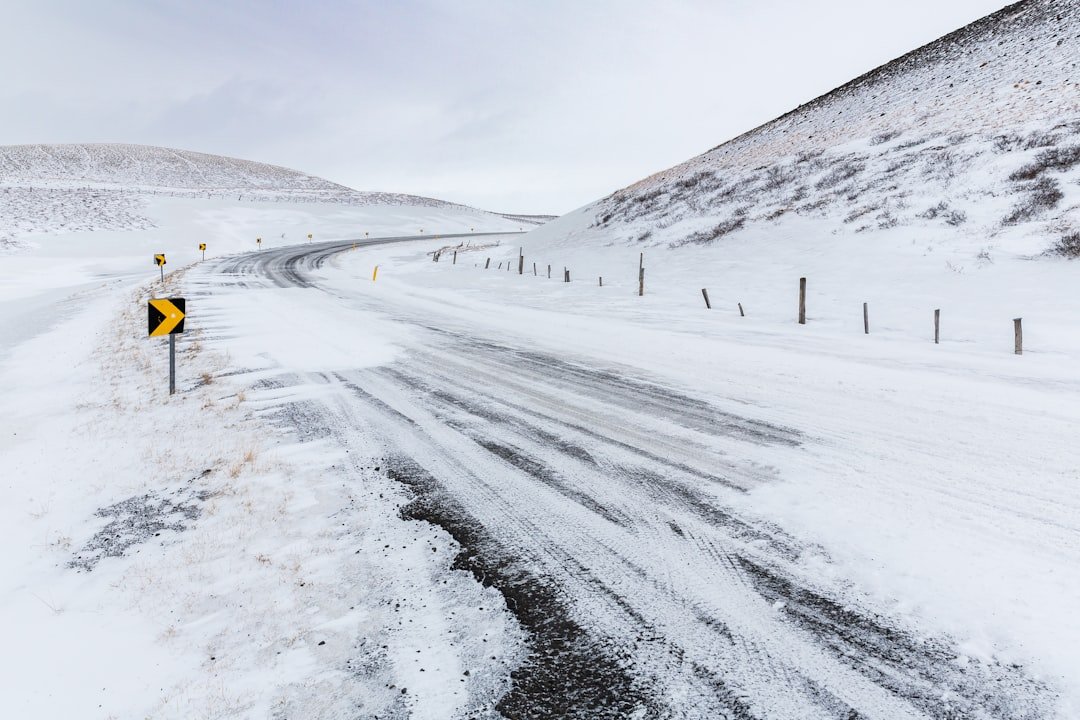
Driving in snow safely starts before you ever leave the driveway. Snow, slush, freezing rain, low visibility, and black ice can turn a normal trip into a stressful one within minutes. Your safest plan is to prepare your vehicle, slow down early, leave more space, and drive with smooth, calm movements.
According to the Federal Highway Administration, winter weather is linked to serious crashes, injuries, traffic delays, and road hazards across the United States each year. Those risks rise when drivers treat snowy roads like dry pavement. A safe winter driver does the opposite: you plan ahead, expect longer stopping distances, and give yourself extra time.
Quick Answer
To drive in snow safely, clear your vehicle, use good tires, slow down, increase your following distance, avoid sudden braking or steering, and watch for black ice. Keep an emergency kit in your car and check weather and road reports before you leave.
Key Takeaways
- Safe snow driving helps prevent crashes and protects everyone on the road during winter months.
- Prepare your vehicle by checking tire pressure, tread depth, fluid levels, lights, wipers, defrosters, and battery condition.
- Reduce speed, increase following distance, and avoid sudden steering, acceleration, or braking.
- Watch for black ice, snow drifts, shaded roads, bridges, overpasses, and areas where visibility drops quickly.
- Leave at least six seconds of following distance in snow, and add more space during storms or on icy roads.
- Use winter tires, tire chains, or other approved traction devices when road conditions and local rules call for them.
- If you get stranded, stay calm, call for help, use hazard lights, and stay with your vehicle when it is safer than walking.
- Winter driving etiquette includes clearing snow from your vehicle, yielding to snow plows, and giving other drivers extra room.
At a Glance
| Time Required | 10 to 20 minutes for a pre-drive vehicle check |
| Difficulty | Moderate, because snow driving requires patience and steady control |
| Tools Needed | Ice scraper, snow brush, flashlight, phone charger, emergency kit, tire gauge, and approved traction devices when needed |
| Cost | Low for basic supplies, higher if you need winter tires, chains, or battery service |
Preparing Your Vehicle for Winter Roads
Before driving in snowy conditions, make sure your vehicle is ready for cold weather. Start with the tires. Winter tires are designed for cold temperatures, snow, and ice. Their rubber stays more flexible in low temperatures, and their tread patterns help bite into snow better than many all-season tires.
If you live in an area with regular snow or freezing temperatures, consider using a full set of winter tires. Replacing only two tires can create uneven grip, which may make the vehicle harder to control. Check tread depth and tire pressure often, because cold air can lower tire pressure and reduce handling.
In addition to tires, inspect the battery, lights, brakes, wipers, washer fluid, heater, and defrosters. Cold weather can reduce battery performance, especially in older batteries. A weak battery that works in fall may fail on a freezing morning.
Visibility matters just as much as traction. Replace worn wiper blades, use winter-rated washer fluid, and clear snow and ice from every window, mirror, light, camera, sensor, and the roof. Snow left on the roof can slide onto your windshield or blow into traffic behind you.
Note: Keep a winter emergency kit in the vehicle. Include a blanket, water, snacks, flashlight, jumper cables, gloves, small shovel, ice scraper, phone charger, first-aid supplies, and a warning triangle or flares.
Tips for Driving in Snowy Conditions

When you drive in snow, your first safety move is to reduce speed significantly. Snow-covered roads can look manageable, but they may hide ice, slush, or packed snow. Slower speed gives you more time to react and helps your tires keep grip.
Snow-covered roads can be deceptively slippery. Drive slowly enough that you can stop, turn, and correct your path without panic.
A safe rule is to drive below the posted speed limit when conditions are poor. The exact speed depends on visibility, traffic, road treatment, tire condition, and how much snow or ice is on the road. If you feel your tires slipping, you are already going too fast for the conditions.
Avoid sudden movements with the steering wheel, accelerator, or brake pedal. Abrupt acceleration can spin the tires. Hard braking can trigger a skid. Sharp steering can cause the vehicle to slide wide through a turn. Use gentle inputs and give the vehicle time to respond.
When approaching a stop sign, traffic light, curve, or downhill section, slow down earlier than you would on dry pavement. Use steady braking, and let your anti-lock braking system work if your vehicle has it. If your car has ABS, press the brake firmly and do not pump the pedal.
Start, Stop, and Turn Smoothly
Starting from a stop can be tricky on packed snow. Press the accelerator gently. If the wheels spin, ease off and try again with less pressure. In some vehicles, a snow mode or traction-control setting can help reduce wheel spin.
Stopping takes longer in snow. Look farther ahead than usual so you can react early. If traffic ahead slows, begin easing off the accelerator before you need the brake. Smooth driving keeps weight balanced and helps your tires maintain contact with the road.
Turning also requires patience. Brake before the turn, not during the sharpest part of it. Enter the turn slowly, steer gently, and accelerate only after the vehicle is pointed where you want to go.
Warning: Do not use cruise control on snowy, icy, or wet winter roads. Cruise control can keep applying power when your tires lose grip, which may make a skid harder to recover from.
Understanding Road Conditions and Hazards
A clear understanding of road conditions is vital for safe winter driving. Snow can build up unevenly from one neighborhood to the next. One road may be plowed and treated, while the next may be covered with packed snow. Check local weather forecasts and road reports before you leave.
Use state or local transportation updates when available, especially before highway travel. Real-time road reports can help you avoid closures, steep untreated roads, and areas with heavy crashes or poor visibility.
The table below keeps the original road-safety metrics from the source article and presents them as a simple example of the kinds of road-condition trends drivers may review when thinking about winter risk.
| Metrics | 2019 | 2020 | 2021 |
|---|---|---|---|
| Number of road accidents | 1,200 | 1,150 | 1,100 |
| Percentage of accidents due to poor road conditions | 15% | 12% | 10% |
| Number of road maintenance projects | 50 | 55 | 60 |
| Percentage of roads with hazardous conditions | 8% | 7% | 6% |
Black ice is one of the most dangerous winter hazards. It forms when a thin layer of moisture freezes on the road, often making the surface look only wet or slightly shiny. You may find it on bridges, overpasses, shaded roads, ramps, and areas near water.
Snow drifts can also create sudden traction changes. A road may look clear, then a drift can cover part of a lane. Blowing snow may reduce visibility without warning. In those moments, slow down gradually, keep your headlights on, and avoid hard braking.
Pro Tip: If the road looks wet but the temperature is near or below freezing, treat the surface as possible ice. Slow down before bridges, curves, ramps, and shaded areas.
Maintaining Proper Following Distance
Maintaining enough following distance is crucial when driving in snow. On dry pavement, many drivers use a three-second rule. In snow, increase that gap to at least six seconds. Add more space during heavy snow, freezing rain, low visibility, or traffic with frequent stops.
To check your following distance, choose a fixed point ahead, such as a sign, pole, or tree. When the vehicle in front of you passes that point, start counting. If you reach the same point before six seconds pass, you are too close.
Extra space gives you time to brake gently instead of slamming the pedal. It also gives other drivers more room to recover if they slide, slow suddenly, or struggle to climb a hill. Following too closely is one of the easiest winter driving mistakes to avoid.
Using Proper Traction Devices

In some situations, standard tires may not provide enough grip for deep snow, steep grades, or icy roads. Winter tires, tire chains, cable chains, and other approved traction devices can help improve control. The right choice depends on your vehicle, road rules, and the severity of the conditions.
Tire chains can be useful in mountain areas, deep snow, and steep terrain. They add friction between the tires and the road surface. However, they must fit your tire size, clear your vehicle’s wheel wells, and follow your owner’s manual. Incorrect installation can damage the vehicle or make handling worse.
Before using chains or studded tires, check local regulations. Some areas require chains during storms, while others restrict studded tires because they can damage roads. Practice installing chains at home before you need them in cold, dark, or windy weather.
When Winter Tires Make Sense
Winter tires make sense if you drive often in snow, ice, slush, or temperatures near freezing. They are not only for deep snow. Their biggest advantage is cold-weather grip, which can help with starting, stopping, and turning.
All-season tires may work for light winter conditions, but they can lose performance as temperatures drop. If you rely on all-season tires, make sure the tread is healthy and the tires are properly inflated. Worn tires are risky in snow, even if the vehicle has all-wheel drive.
What to Do in Case of an Emergency
Even careful drivers can face emergencies in winter weather. You may get stuck, slide off the road, lose visibility, or experience a breakdown. If this happens, stay calm and focus on staying visible, warm, and safe.
If your vehicle is in a dangerous traffic lane and you can move it safely, steer to the shoulder or another safe area. Turn on your hazard lights. If you have warning triangles or flares and it is safe to place them, use them to alert other drivers.
If you are stranded in heavy snow, staying with your vehicle is often safer than walking for help. Your vehicle provides shelter and makes it easier for rescuers to find you. Call for assistance if you have a phone signal, then conserve your battery.
If you run the engine for heat, do it only for short periods and make sure the exhaust pipe is clear of snow. A blocked exhaust pipe can push carbon monoxide into the vehicle. Open a window slightly for ventilation when running the engine.
The Ready.gov car safety guidance recommends preparing for vehicle emergencies before severe weather hits. That means keeping supplies in your car and planning routes with weather in mind.
If Your Vehicle Starts to Skid
If the vehicle begins to skid, do not panic. Ease off the accelerator and look where you want the front of the vehicle to go. Steer gently in that direction. Avoid slamming on the brakes or making a sudden steering correction.
If your vehicle has anti-lock brakes, press the brake pedal firmly and steadily when you need to stop. You may feel the pedal pulse. That is normal. If your vehicle does not have ABS, brake gently to avoid locking the wheels.
Winter Driving Etiquette
Winter driving etiquette is about safety and respect. Every driver has less traction and less visibility, so patience matters. If another vehicle is struggling to climb a hill or move through deep snow, slow down and give the driver room.
Yield to snow plows and road crews. Stay well behind them because they may spread salt, sand, or brine. Their drivers also have limited visibility, and the road in front of them is usually worse than the road behind them.
Use turn signals earlier than usual so other drivers have more time to react. Avoid aggressive passing, sudden lane changes, and tailgating. Keep your headlights on when visibility is poor, even during the day.
Practicing patience and understanding while on the road creates a safer winter driving environment for everyone. Small choices, such as clearing your roof, leaving extra space, and slowing down near plows, can prevent serious problems.
In summary, safe snow driving requires vehicle preparation, smooth driving habits, awareness of road hazards, proper following distance, traction support when needed, emergency readiness, and good road etiquette. By using these habits every time snow or ice appears, you can reduce your risk and travel with more confidence.
If you are packing food for school commutes, road trips, or winter errands, you may also find this related resource helpful: best snack containers for school.
Related Guides
Frequently Asked Questions
What are some tips for driving in snow safely?
Reduce your speed, increase your following distance, use good tires, clear snow from your vehicle, avoid sudden movements, and check road conditions before leaving. Drive gently and give yourself more time to stop, turn, and react.
How should I prepare my vehicle for driving in snow?
Check your tires, brakes, battery, lights, windshield wipers, defrosters, and fluid levels. Use winter-rated washer fluid, keep the fuel tank from getting too low, and carry an emergency kit with warm supplies, a flashlight, and a phone charger.
What should I do if I start to skid on snow or ice?
Stay calm, ease off the accelerator, and steer gently in the direction you want the front of the vehicle to go. Avoid slamming on the brakes or overcorrecting. If your vehicle has ABS, apply steady brake pressure when you need to stop.
Is it important to clear snow and ice from my car before driving?
Yes. Clear the windshield, windows, mirrors, roof, hood, trunk, lights, license plates, cameras, and sensors. Snow and ice can block your view, hide your lights, damage wipers, or fly into traffic behind you.
What are some common mistakes to avoid when driving in snow?
Avoid using cruise control, following too closely, speeding, accelerating suddenly, braking hard, making sharp steering movements, and driving with snow still on your vehicle. Also avoid distractions, including phone use, because reaction time matters more in winter weather.
How much following distance should I leave in snow?
Leave at least six seconds between your vehicle and the one ahead. Increase that gap during heavy snow, icy conditions, low visibility, downhill driving, or when traffic is stopping often.
Are winter tires better than all-season tires in snow?
Winter tires usually provide better grip in cold temperatures, snow, and ice because they use cold-weather rubber compounds and snow-focused tread designs. All-season tires may work in mild winter conditions, but they can lose grip as temperatures drop.
Sources
- National Highway Traffic Safety Administration — winter driving preparation, vehicle safety, and safe driving reminders.
- Federal Highway Administration — winter weather road hazards and transportation safety context.
- National Weather Service — winter weather safety and storm awareness.
- Ready.gov — vehicle emergency preparedness and car safety supplies.