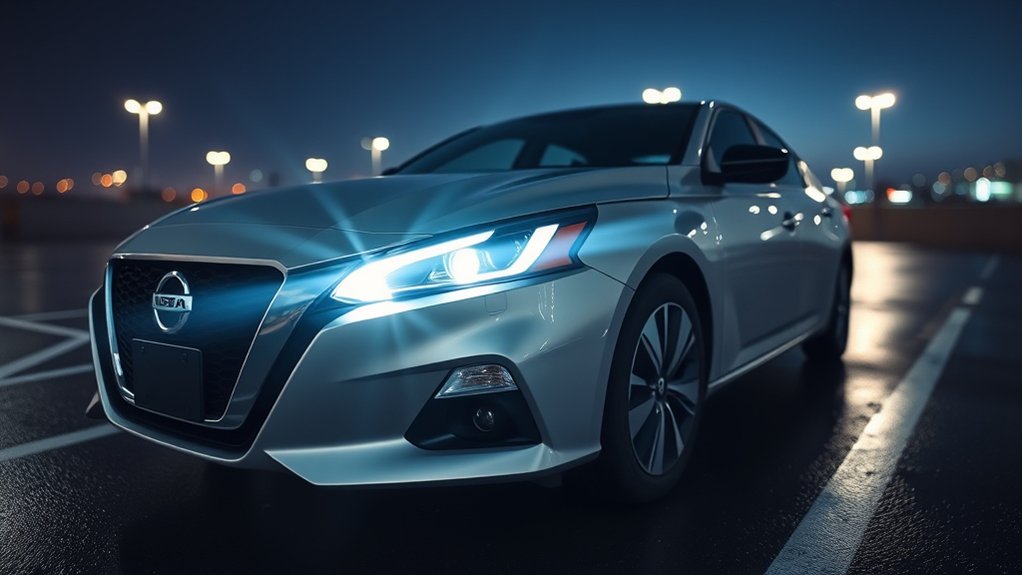
Upgrading to LED headlights for a Nissan Altima markedly enhances both visibility and performance. These headlights offer 200-300% more brightness, last up to 50,000 hours, and consume 75% less energy than halogen options. Proper installation and alignment are essential to minimize glare for oncoming drivers. However, owners may face compatibility and foggy lens issues. Overall, selecting quality bulbs can result in a safer and more efficient driving experience. More insights on installation and purchasing options are available.
Understanding LED Headlights for Nissan Altima
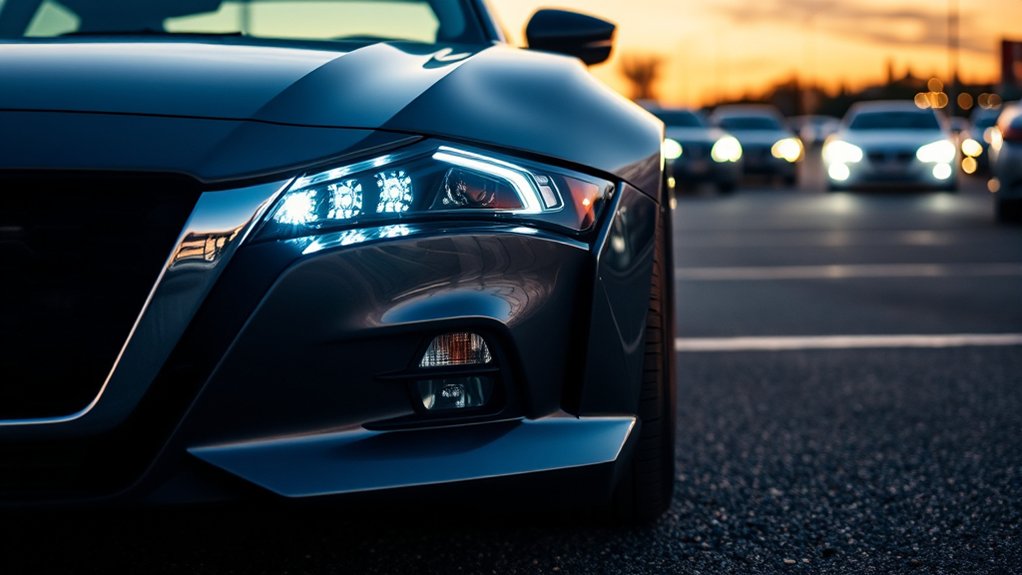
LED headlights have revolutionized vehicle lighting, offering significant advantages over traditional halogen bulbs. For Nissan Altima owners, LED bulbs enhance nighttime visibility, addressing the common issue of dim low beams reported in models from 2013 to 2023. The shift to LED headlight bulbs not only brightens the road ahead but also improves safety and driving confidence.
Compatibility is essential; ensuring the correct H7 bulb type is fundamental for a successful installation. Proper aiming and installation can prevent misalignment, which may lead to excessive brightness that can blind oncoming drivers.
Additionally, regular headlight maintenance, such as restoring cloudy lenses, is important for maximizing the performance and lifespan of LED bulbs. By understanding these aspects, Nissan Altima drivers can make informed choices, ultimately experiencing the liberation that advanced lighting technology brings to their driving experience.
Why Upgrade to LED Headlights? Key Benefits Explained
Upgrading to LED headlights offers notable advantages that enhance both visibility and safety for drivers.
With up to 200% more brightness and a lifespan extending to 25,000 hours, these lights considerably outperform traditional halogen options.
Additionally, their energy efficiency not only promotes fuel savings but also contributes to a more modern vehicle aesthetic.
Enhanced Visibility and Safety
A notable enhancement in nighttime driving safety can be achieved with the switch to LED headlights, which offer remarkable benefits over traditional halogen bulbs.
Upgrading to LED technology delivers up to 300% more brightness, greatly improving visibility on dark roads. The whiter light emitted by these bulbs, around 6000K, closely resembles daylight, enhancing color contrast and ensuring better road sign visibility.
Additionally, many LED headlight options feature built-in cutoffs that reduce glare for oncoming drivers, fostering safer driving conditions for all.
With a lifespan of 15,000 to 30,000 hours, LEDs not only minimize replacement frequency but also contribute to a more reliable driving experience.
The change to LEDs is a strategic choice for those prioritizing safety and visibility.
Energy Efficiency Benefits
Shifting to LED headlights offers significant energy efficiency advantages that are hard to overlook. Consuming up to 75% less energy than traditional halogen bulbs, LED headlights lighten the electrical load on a vehicle’s system, thereby enhancing overall performance. This reduction in energy demand also contributes to improved fuel efficiency.
| Feature | LED Headlights |
|---|---|
| Energy Consumption | 75% less than halogen |
| Lifespan | 25,000 – 50,000 hours |
| Brightness | Superior visibility |
| Glare Reduction | Minimal for oncoming drivers |
The advanced technology of LED headlights guarantees better light distribution, amplifying visibility while safeguarding other road users. Upgrading to LEDs is not just a choice; it’s a step towards a more efficient driving experience.
Longer Lifespan Expectation
While many drivers seek improved safety and efficiency, the longer lifespan of LED headlights is a compelling reason to make the switch. LED headlights can last between 15,000 to 30,000 hours, far exceeding the mere 1,000 hours typical of halogen bulbs. This longer lifespan expectation translates to fewer replacements and maintenance costs, making them an economical choice for families.
- Durability: More resistant to shock and temperature fluctuations.
- Energy Efficiency: Consumes up to 80% less energy than traditional bulbs would.
- Enhanced Visibility: Bright light reduces eye strain, improving nighttime driving safety.
For drivers prioritizing reliability, upgrading to LEDs not only supports safety but also promotes a liberating sense of freedom on the road.
Performance Comparison: LED vs. Factory Halogen for Altima
The performance comparison between LED and factory halogen headlights for the Altima reveals significant advantages for LED options.
Users frequently note enhanced brightness and visibility, particularly during nighttime driving, alongside a remarkable longevity that far surpasses halogen bulbs.
However, proper installation and adjustment are essential to optimize performance and prevent glare for oncoming traffic.
Brightness and Visibility Gains
Upgrading to LED headlight bulbs in the Nissan Altima offers a remarkable enhancement in brightness and visibility compared to factory halogen options.
Drivers often express frustration when they can’t see well at night; these upgrades can alleviate those concerns greatly.
- Brightness Improvement: LED bulbs can deliver up to 200% more illumination.
- Enhanced Safety: Better visibility leads to safer driving conditions.
- Affordability: Quality options like NAO and Lasfit are available for under $40.
Proper installation is essential to guarantee the headlight lens is aimed correctly, preventing excessive brightness that could blind oncoming drivers.
Let us know your experiences with LED upgrades to join the conversation about nighttime safety.
Longevity and Durability Factors
LED headlights offer not only enhanced brightness but also exceptional longevity and durability compared to factory halogen bulbs in the Nissan Altima.
Longevity testing reveals that LED options last between 25,000 to 50,000 hours, while halogen bulbs typically endure just 1,000 to 2,000 hours. This difference enhances durability ratings considerably, as LEDs generate less heat, reducing the risk of damage to surrounding components.
Additionally, LEDs maintain consistent performance throughout their lifespan, unlike halogens, which dim over time.
For ideal use, maintenance tips for LED headlights include regular inspections and ensuring proper installation to enhance light distribution.
Ultimately, choosing LEDs empowers drivers with greater reliability and less frequent replacements.
Installation and Adjustment Ease
Switching to LED headlights in a Nissan Altima presents a straightforward and user-friendly installation experience. Most users can easily replace factory halogen bulbs with minimal tools, though some installation challenges may arise.
Key considerations include:
- Proper Aiming: Misalignment can lead to excessive brightness, potentially blinding oncoming drivers, necessitating adjustment techniques post-installation.
- Housing Type: The type of housing—reflector or projector—greatly influences light output and distribution.
- User Experiences: Many users report significant improvements in visibility and brightness, particularly in low beam performance.
Essential Features of Quality LED Headlights: What to Look For
When considering a change in automotive lighting, it is essential to recognize the key features that distinguish quality LED headlights from their lesser counterparts. A critical aspect is cutoff design importance, which minimizes glare for oncoming drivers and enhances reflector performance.
Quality LED headlights should also replicate halogen filament placement for ideal light output, ensuring effective beam pattern adjustment.
Quality LED headlights must mimic halogen filament placement for optimal light output and precise beam pattern adjustment.
Additionally, the type of housing—reflector versus projector—greatly influences performance and brightness distribution. This choice can noticeably impact overall visibility and safety.
Prospective buyers are advised to explore LED color temperature, as it affects the perceived brightness and clarity of the light emitted.
Choosing reputable brands, such as Diode Dynamics, which offers warranties, can further assure reliability.
Finally, researching user reviews provides insights into real-world performance, helping to avoid pitfalls associated with lower-quality options. By focusing on these features, consumers can make informed decisions for their automotive lighting needs.
Installation Tips for Your New LED Headlights
When installing new LED headlights in a Nissan Altima, proper aiming techniques are essential to guarantee safety and peak performance.
The installation environment also plays a significant role; a well-lit, flat area can aid in achieving precise alignment.
Proper Aiming Techniques
Properly aiming headlights is essential for guaranteeing both visibility and safety on the road. Misalignment can cause excessive brightness and glare for oncoming drivers.
Here are key headlight alignment tips for your installation checklist:
- Pre-Installation Check: Verify existing headlights are aimed downwards to prevent glare.
- Mark Reference Points: Establish beam angles by marking hotspots on a wall 25 feet away after installing new LED headlights.
- Vertical Installation: Install LED bulbs vertically within the housing to maintain ideal left-right alignment.
After installation, check for stray light and utilize beam adjustment methods to fine-tune positioning, enhancing performance based on your vehicle’s housing type, whether reflector or projector.
This guarantees not only your safety but also that of others on the road.
Installation Environment Considerations
Creating an ideal installation environment is essential for guaranteeing the success of new LED headlight upgrades. Proper environment preparation begins with a clean, well-lit area, preventing dirt from contaminating the headlight housing.
Safety precautions dictate allowing the vehicle to cool down before starting, avoiding burns during the installation. Having a friend assist can enhance visibility and aid in aligning the LED bulbs correctly.
Additionally, using masking tape to mark initial headlight alignment on a wall guarantees proper aiming post-installation. Familiarity with the specific bulb orientation and installation instructions for the Altima will mitigate misalignment, optimizing light output.
These installation tips contribute to a seamless upgrade experience, empowering drivers with confidence in their enhancements.
Addressing Common Issues With Altima 14 LED Headlights
Upgrading to LED headlights in the 2014 Nissan Altima can dramatically enhance nighttime visibility, but several common issues may arise during this change. Addressing these concerns is vital for ideal performance and safety.
- Bulb Compatibility Issues: Not all LED bulbs fit seamlessly into the Altima’s housing. Researching compatible options is essential to avoid installation headaches.
- Headlight Fogging Solutions: Foggy or oxidized lenses can greatly hinder light output. Restoration methods or replacements may be necessary before or alongside LED upgrades.
- Aftermarket Options Overview: While brands like NAO and Lasfit offer positive feedback, users should compare performance and affordability. Community insights can guide the selection process.
Understanding these common issues empowers Altima owners to make informed decisions, ensuring a brighter, safer driving experience with their new LED headlights.
What Are Altima Owners Saying About LED Headlights?
What do Altima owners truly think about the change to LED headlights? Feedback from the Altima community reveals a mixed but generally positive user experience. Many owners, particularly those using brands like NAO and Diode Dynamics, report significant improvements in visibility and brightness.
However, the issue of dim low beams persists across 2013-2023 models, prompting discussions on effective upgrades. While some users have successfully enhanced their headlights with LED bulbs, others continue to face challenges with ongoing dimness, even after replacements.
Community forums have become valuable platforms for sharing insights on bulb compatibility and installation challenges, highlighting the importance of reputable brands. Altima owners emphasize that proper installation is essential to mitigate brightness and aiming issues, reinforcing the need for careful selection when upgrading to LED headlights.
Top Places to Buy Altima 14 LED Head Lights
Finding the right place to purchase Altima 14 LED headlights is essential for ensuring ideal performance and compatibility. Here are the top places to evaluate:
- Online Retailers: Websites like Amazon and eBay provide extensive product comparisons and user reviews, making informed decisions easier.
- Auto Parts Stores: Local retailers such as AutoZone and O’Reilly Auto Parts offer hands-on installation resources and expert advice, ensuring the right fit.
- Manufacturer Websites: Brands like Diode Dynamics and Lasfit feature dedicated sections for Altima headlights, providing detailed compatibility and warranty information.
What to Know About Warranties and Customer Support
Purchasing Altima 14 LED headlights involves more than just selecting a product; understanding warranties and customer support is equally important. Buyers should inquire about warranty coverage, as some brands, like Diode Dynamics, offer a reassuring three-year warranty.
However, it’s essential to examine specific conditions, such as whether coverage extends to defects or excludes damage from improper installation.
Examining warranty conditions is crucial; ensure coverage includes defects and not just excludes installation-related damage.
Customer feedback plays a significant role in evaluating support responsiveness; Diode Dynamics, for example, has received mixed reviews regarding its customer service and shipping efficiency.
In contrast, brands like NAO and Lasfit provide reliable products at lower prices, often accompanied by customer support that reflects their budget-friendly approach.
Prospective buyers are encouraged to explore user reviews and community feedback to assess the effectiveness of warranty claims and support services, ensuring a satisfying purchase experience.
Enhancing Your Altima: Additional Lighting Options and Upgrades
Upgrading the lighting system of a Nissan Altima can greatly enhance both safety and aesthetics, particularly when considering the integration of modern LED options.
To elevate the driving experience, drivers should explore the following enhancements:
- Fog Light Installation: Adding fog lights can markedly improve visibility in adverse weather conditions, ensuring safer navigation through fog, rain, or snow.
- Daytime Running Lights: Incorporating LED daytime running lights not only enhances visibility to other drivers but also adds a contemporary touch to the vehicle’s appearance.
- Projector Headlights: Opting for projector headlights can provide a more focused beam pattern, improving nighttime visibility and reducing glare for oncoming traffic.
Before making any upgrades, it’s essential to verify compatibility with the vehicle’s electrical system and housing design.
Regular maintenance, like cleaning headlight lenses, is equally important to maintain clarity and brightness, maximizing the benefits of these lighting upgrades.
Frequently Asked Questions
What Is the Problem With the Headlights on a Nissan Altima?
Nissan Altima headlights often face issues with brightness, leading to visibility concerns. Common problems include premature dimming and cloudy lenses. Users are advised to contemplate replacement tips and regular maintenance to enhance overall performance and safety.
What Year to Stay Away From Nissan Altima?
Potential buyers should avoid the 2013 and 2014 Nissan Altima due to common Altima issues like dim headlights. Understanding Nissan model reliability and following Altima maintenance tips can enhance ownership experiences in later models.
How Do I Know What Headlights Should I Buy for My Car?
Choosing headlights is like selecting stars to illuminate a path. Consider headlight types, brightness levels, and installation tips. Research compatibility with your vehicle and read user feedback to guarantee peak performance and visibility.
What Kind of Headlight Does a Nissan Altima Take?
The Nissan Altima typically requires H7 headlight types, ensuring bulb compatibility across various model years. Installation tips include checking for lens clarity and opting for LED upgrades to enhance brightness and visibility on the road.
Conclusion
In the shimmering glow of modern technology, upgrading to LED headlights for the Nissan Altima transforms not just visibility, but the very essence of driving. With superior brightness illuminating the road ahead, owners experience a newfound clarity, steering through darkness like stars guiding a ship. As Altima enthusiasts embrace this enhancement, they not only enhance safety but elevate their driving experience. Choosing quality LED headlights becomes a journey toward brilliance, paving the way for countless adventures on the open road.