
If you want better blind-spot awareness in an older vehicle, there are two very different aftermarket approaches: a simple convex mirror that widens what you can see, or an electronic monitoring kit that can provide an additional warning when another vehicle is beside you. The right choice depends mainly on your vehicle, installation comfort, budget, and whether you want passive visibility or an active alert system.
Safety note: Blind-spot mirrors and electronic warning systems are supplemental driving aids. Continue checking your main mirrors, surrounding traffic, and blind spot before changing lanes. Never rely on an aftermarket device as your only indication that a lane is clear.
This roundup is reader-supported. When you click eligible product links, we may earn a referral commission on qualifying purchases. As an Amazon Associate I earn from qualifying purchases.
Top Picks
|
Best For |
Product |
Why It Stands Out |
|---|---|---|
|
🚀 Active Electronic Alerts |
Adds an electronic warning layer but requires careful wiring, mounting and testing. |
|
|
💰 Simple Visibility Upgrade |
Convex glass expands your side-mirror view without wiring or electronics. |
Quick Verdict
If you want the simplest upgrade, the Utopicar Mirror is easier to install and has no wiring, calibration or electronics to troubleshoot. Its main job is simply to widen the area visible in your side mirror.
The Carbest BSD is the more involved option. It is designed to add active electronic warnings, but installation quality matters significantly. Consider it if you specifically want an active retrofit and are comfortable with automotive wiring or willing to use a professional installer.
How We Picked
We focused on products that directly address a driver’s side or adjacent-lane blind spot. Our main considerations were product relevance, visibility or detection method, installation difficulty, vehicle-fit considerations, durability concerns, documentation quality and recurring buyer feedback.
We also separated passive and active solutions because they solve the same general problem in different ways. A convex mirror continuously expands your visual field, while an electronic monitoring system adds sensors and warning indicators. Neither type replaces normal mirror checks or responsible lane-change procedures.
Before You Buy
|
Check |
Why It Matters |
|---|---|
|
Mirror Size |
Make sure a convex add-on mirror fits without blocking too much of your normal mirror view or covering a factory warning indicator. |
|
Electrical Compatibility |
Active retrofit systems require suitable power, wiring access and sensor mounting locations. |
|
Installation Skill |
Stick-on mirrors are generally simple; electronic blind-spot kits can require cable routing, electrical connections and testing. |
|
Factory Equipment |
Do not position aftermarket accessories where they interfere with factory cameras, sensors, mirror indicators or normal mirror adjustment. |
|
Your Expectations |
Choose a mirror for a wider visual field or an active system if you specifically want an additional electronic warning. |
Carbest BSD

The Carbest BSD is an electronic blind-spot monitoring retrofit intended for drivers who want an active warning system rather than another mirror. Product information for this model identifies electronic sensor frequency bands, a corded power source and LED warning indicators.
The important trade-off is installation. Unlike a stick-on mirror, this system requires electrical connections, sensor positioning and testing. Vehicle compatibility should therefore be checked before purchase rather than assuming the kit will install equally easily on every car, truck or SUV.
Why You’ll Like It
The main advantage is the additional warning layer. Instead of relying only on what appears in your mirrors, the system is designed to detect nearby traffic in its sensing area and provide an indicator. That can be useful for drivers specifically looking to retrofit an older vehicle with an electronic blind-spot aid.
What People Say
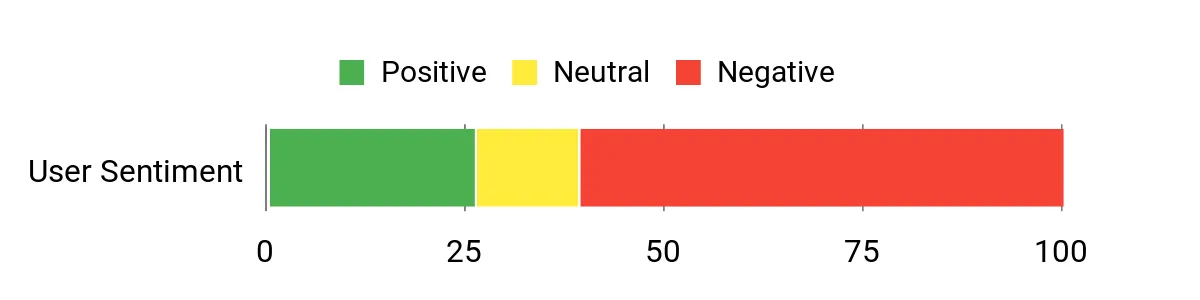
Buyer feedback is mixed. Some owners report useful operation once the system is installed correctly, while recurring complaints focus on unclear installation instructions, wiring length and inconsistent indicator behavior.
That makes installation quality especially important. Carefully verify sensor positioning, wiring and system behavior before relying on the alerts during normal driving.
Overall Sentiment: Mixed
|
Pros |
Cons |
|---|---|
|
✅ Adds an active electronic warning layer to an older vehicle |
❌ Installation instructions receive recurring criticism |
|
✅ LED indicators provide a visible alert |
❌ Some buyers report inconsistent indicator behavior |
|
✅ More automated than a passive convex mirror |
❌ Wiring length and routing may complicate installation |
Best For
This option makes the most sense if you specifically want an active aftermarket blind-spot warning system and you are comfortable with automotive electrical work or plan to have the system professionally installed.
Who Should Avoid It
Skip this type of retrofit if you want a quick, tool-free installation or do not want to route wiring and troubleshoot sensor placement. A passive convex mirror is considerably simpler.
Installation And Fitment
|
Area |
What To Expect |
|---|---|
|
Electrical Installation |
Requires automotive wiring rather than a plug-and-play mirror installation. |
|
Sensor Positioning |
Placement should follow the product instructions because position and angle can affect system behavior. |
|
Testing |
Test the indicators and detection behavior carefully after installation and after any wiring or sensor adjustment. |
Safety Features
The product is designed to add electronic sensing and visible warning indicators to supplement normal mirror use. Treat every alert as extra information rather than permission to change lanes without visually checking that the lane is clear.
Main Limitation
An aftermarket warning system is only useful when it is installed and operating correctly. Poor wiring, unsuitable sensor positioning or false/inconsistent alerts can reduce its usefulness, so verify performance after installation and investigate unusual behavior rather than ignoring it.
Key Benefits
- Adds an active warning system to vehicles without a factory blind-spot monitor
- LED indicators provide an additional visual cue
- Offers a more automated approach than a passive blind-spot mirror
Check Current Amazon Availability
Utopicar Mirror
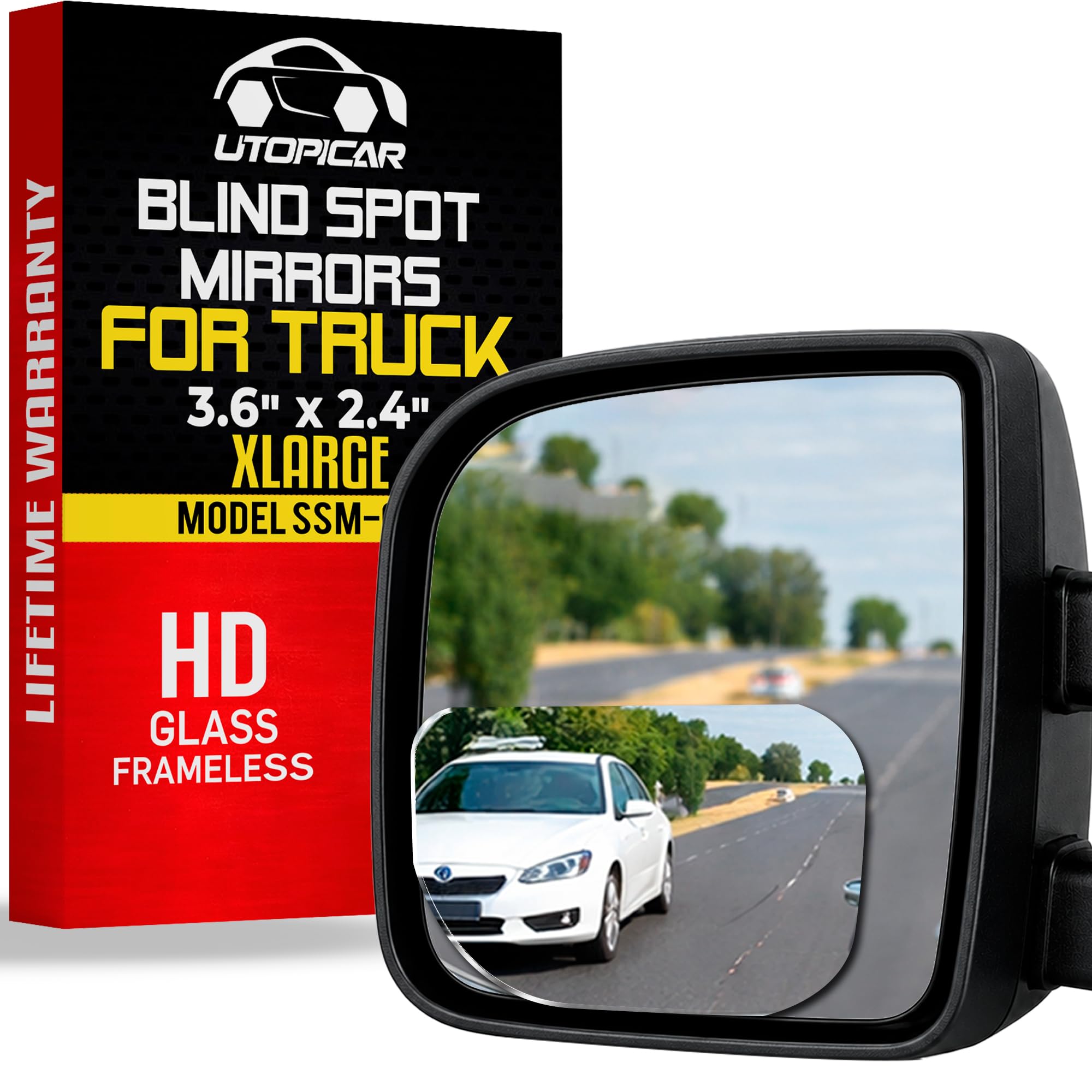
The Utopicar Mirror takes the simpler approach: adhesive-mounted convex glass expands the area visible in your existing side mirror without sensors, wiring or power. The XL version is approximately 3.6 × 2.5 inches and is particularly suited to larger side mirrors found on many trucks, vans and SUVs.
Because the mirror is convex, it provides a wider field of view than a flat mirror. That makes it useful for spotting traffic that may otherwise sit outside your normal side-mirror view, but the curved surface also changes apparent size and distance. Use it as a supplement to your primary mirror rather than judging following distance from the convex image alone.
Why You’ll Like It
There is very little to install or maintain. Clean the mounting area carefully, choose a position that expands the view without covering too much useful mirror surface, apply the adhesive mount and then confirm the view from your normal driving position.
What People Say
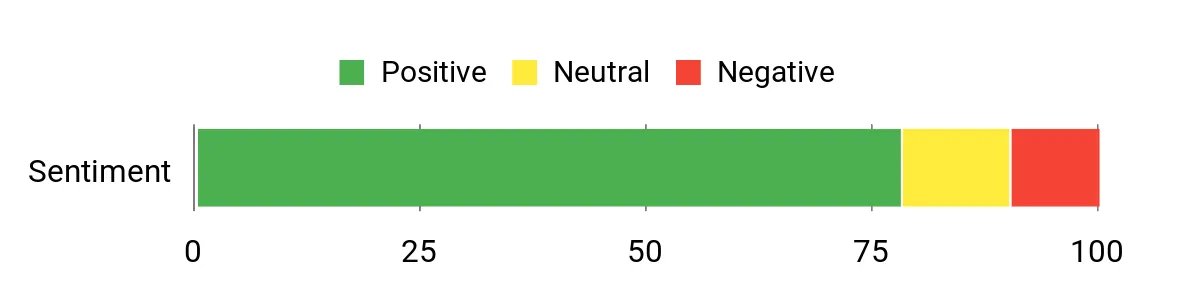
Buyer feedback commonly praises the wider field of view, glass construction and straightforward installation. Some users report adhesive-related issues over time, making careful surface cleaning and placement important before pressing the mirror permanently into position.
Overall Sentiment: Positive
|
Pros |
Cons |
|---|---|
|
✅ Glass construction provides a clear reflected image |
❌ Adhesive performance depends on preparation and mounting conditions |
|
✅ Convex shape expands the visible area beside the vehicle |
❌ Convex reflections alter apparent size and distance |
|
✅ Quick installation with no wiring or power required |
❌ XL size may occupy too much space on smaller side mirrors |
Best For
This mirror is best for drivers who want a simple, low-maintenance way to widen their side view without installing electronic hardware. It is particularly worth considering on vehicles with enough side-mirror glass to accommodate an XL convex mirror comfortably.
Who Should Avoid It
Choose another solution if your side mirrors are very small, if the mounting position would obstruct an integrated factory blind-spot warning light, or if you specifically want an electronic alert rather than a wider visual field.
Installation And Fitment
|
Area |
What To Expect |
|---|---|
|
Installation |
Simple adhesive mounting with no electrical work. |
|
Mirror Space |
Measure the available area first, especially on compact side mirrors. |
|
Surface Preparation |
Clean and dry the glass thoroughly so the adhesive has the best chance of bonding correctly. |
|
Final Position |
Confirm the viewing angle before permanent placement and avoid covering important factory indicators. |
Safety Features
The convex surface increases the area visible beside the vehicle, helping expose traffic that may be outside the useful field of the main flat mirror. Because convex mirrors distort apparent distance, continue using your main mirror and direct visual checks before moving into another lane.
Main Limitation
This is a passive visibility aid, not a detection system. It cannot produce an audible or visual electronic warning when another vehicle enters your blind spot, and correct placement is important for getting a useful view.
Key Benefits
- Convex glass expands the side-mirror field of view
- No wiring, power supply or electronic calibration required
- Simple option for drivers who prefer a passive blind-spot aid
Check Current Amazon Availability
Active Blind Spot Monitor Vs Convex Mirror
|
Factor |
Carbest BSD |
Utopicar Mirror |
|---|---|---|
|
Type |
Active electronic warning system |
Passive convex mirror |
|
Installation |
Electrical wiring and sensor installation required |
Adhesive mounting |
|
Power Required |
Yes |
No |
|
Main Benefit |
Adds an electronic warning layer |
Expands the visible area in the side mirror |
|
Main Drawback |
More difficult installation and mixed feedback about setup |
No automatic warning and convex distance distortion |
|
Best Match |
Drivers specifically seeking an active retrofit |
Drivers wanting the simplest visibility upgrade |
FAQ
Will An Aftermarket Blind Spot System Work On My Car?
Fitment depends on the product. Adhesive mirrors require enough usable side-mirror surface for safe placement. Active electronic systems require suitable sensor mounting locations, wiring access and electrical compatibility. Check the product documentation and inspect your vehicle before ordering.
How Difficult Is Installation?
A stick-on blind-spot mirror is generally straightforward: clean the glass, choose the viewing position carefully and secure the adhesive mount. An active monitoring kit is considerably more involved because it requires sensor placement, wiring and post-installation testing. Professional installation may be worthwhile if you are not comfortable working with vehicle electronics.
Is A Blind Spot Monitor Better Than A Convex Mirror?
They serve different preferences. An active monitor can provide an additional electronic alert, while a convex mirror continuously widens what you can see without electronics. The mirror is simpler; the active system offers more automation but adds installation complexity and more potential failure points.
Do Blind Spot Mirrors Make Cars Look Farther Away?
Convex mirrors widen the field of view by curving the reflected image. That wider view can make objects appear smaller and affect your perception of distance, so use the add-on mirror primarily for awareness and confirm position and distance with your normal mirrors and direct visual checks.
Can I Rely On A Blind Spot Warning System Instead Of Looking Over My Shoulder?
No. Aftermarket blind-spot aids should supplement normal driving awareness rather than replace it. Continue checking your mirrors, surrounding traffic and blind spot before changing lanes, even when the electronic system shows no warning.
How Can I Reduce False Or Inconsistent Alerts?
For an active system, follow the installation guidance closely, secure wiring, position sensors correctly and test the system after installation. Recheck connections if behavior changes. Dirt, damage, movement or incorrect placement can affect electronic sensing systems.
Where Should I Put A Stick-On Blind Spot Mirror?
The best position depends on your mirror shape and normal seating position. Before attaching it permanently, hold the mirror in different locations and choose the spot that exposes the blind area while blocking as little of the standard mirror as possible. Do not cover a factory blind-spot indicator or other important mirror feature.
Wrapping Up
The choice comes down to simplicity versus active warning. The Utopicar Mirror gives you a wider view with no wiring, power or electronic setup, making it the easier option for drivers who have enough mirror space for the XL convex glass.
The Carbest BSD is designed for drivers who specifically want an electronic blind-spot warning retrofit. Its extra capability comes with more installation work and a greater need to verify wiring, sensor placement and system behavior before regular use.
Whichever route you choose, treat the accessory as an additional awareness tool rather than a replacement for your mirrors, attention and normal lane-change checks.
| BSD Lane Change Safety Blind Spot Monitoring Auxiliary Vehicle Driving Safety System | XLarge Blind Spot Mirror for Trucks 3.6″X2.5″ – HD Glass Frameless Convex Mirror | |
|---|---|---|
|
|
|
|
| Type | Active electronic blind-spot warning retrofit | Adhesive convex blind-spot mirror |
| Installation | Requires wiring, sensor placement and testing | Adhesive installation with no wiring |
| Compatible Vehicles | Compatibility depends on electrical access, sensor mounting space and installation requirements | Best suited to side mirrors with enough space for the XL 3.6″ × 2.5″ footprint |
| Special Highlights |
|
|
| Main Limitation | Installation quality and sensor behavior can affect usefulness | Convex image changes apparent size and distance and provides no electronic warning |
| Check Product Details on Amazon | Check Product Details on Amazon |
This Roundup is reader-supported. When you click through links we may earn a referral commission on qualifying purchases.