
Swirl marks, haze, and stubborn water spots can make otherwise healthy paint look tired. The right car polish depends on whether you need defect removal, gloss refinement, or a protective sealant.
For most drivers with decent glossy paint, Meguiar’s Ultimate Polish is the best starting point because it targets fine swirls while adding gloss. For low-effort protection, Nu Finish The Once A Year Car Polish Liquid is the Best value pick.
We checked current product listings, manufacturer specifications and directions, major-retailer availability, recall records, and consistent owner feedback from independent retailers and forums.
Car Polish Compared
| Product | Best for | Type | Size |
|---|---|---|---|
|
Budget
|
Best overall | Finishing polish | 16 oz |
|
Mid-range
|
Best for correction | Cutting compound | 15.2 oz |
|
Premium
|
Premium pick | Finishing polish | 8 oz linked size |
|
Budget
|
Best value | Polymer sealant polish | 16 oz |
|
Mid-range
|
Best for water beading | Ceramic-infused sealant polish | 16 fl oz |
Car Polish: Our Top Picks
1. Meguiar’s Ultimate Polish

Bottom line: Meguiar’s Ultimate Polish is a fine finishing polish and pre-wax glaze for glossy paint that needs more clarity and depth, not heavy correction. It is the easiest fit here for a beginner who wants a noticeable finish improvement without starting with an aggressive compound.
- Type: Fine finishing polish / pre-wax glaze, built for refinement
- Size: 16 oz, enough for repeated spot or vehicle use
- Application: Hand or dual-action polisher, flexible for beginners
- Protection: None, add wax or sealant afterward
Meguiar’s says the formula removes fine swirls and towel marks while conditioning oils deepen color and reflections. The effect is especially noticeable on dark glossy paint, where light haze can flatten the finish.
Use it after washing and decontamination, or as the refining step after light correction. Work small sections and wipe residue before it dries. If the paint has obvious oxidation, scuffs, or deeper swirls, start with a compound instead.
After polishing, inspect the panel in strong light before moving on. If the finish is clear and even, stop polishing and protect it. Repeating passes after the defect is already gone adds work without improving the result and removes more material than necessary.
- Works by hand or with a dual-action polisher
- Targets fine swirls and towel marks without heavy cutting
- Safe for glossy paint, including clear-coated finishes
- Not strong enough for deep scratches or heavy oxidation
- Leaves no protective layer
- Residue can be stubborn if allowed to dry
2. Meguiar’s Ultimate Compound
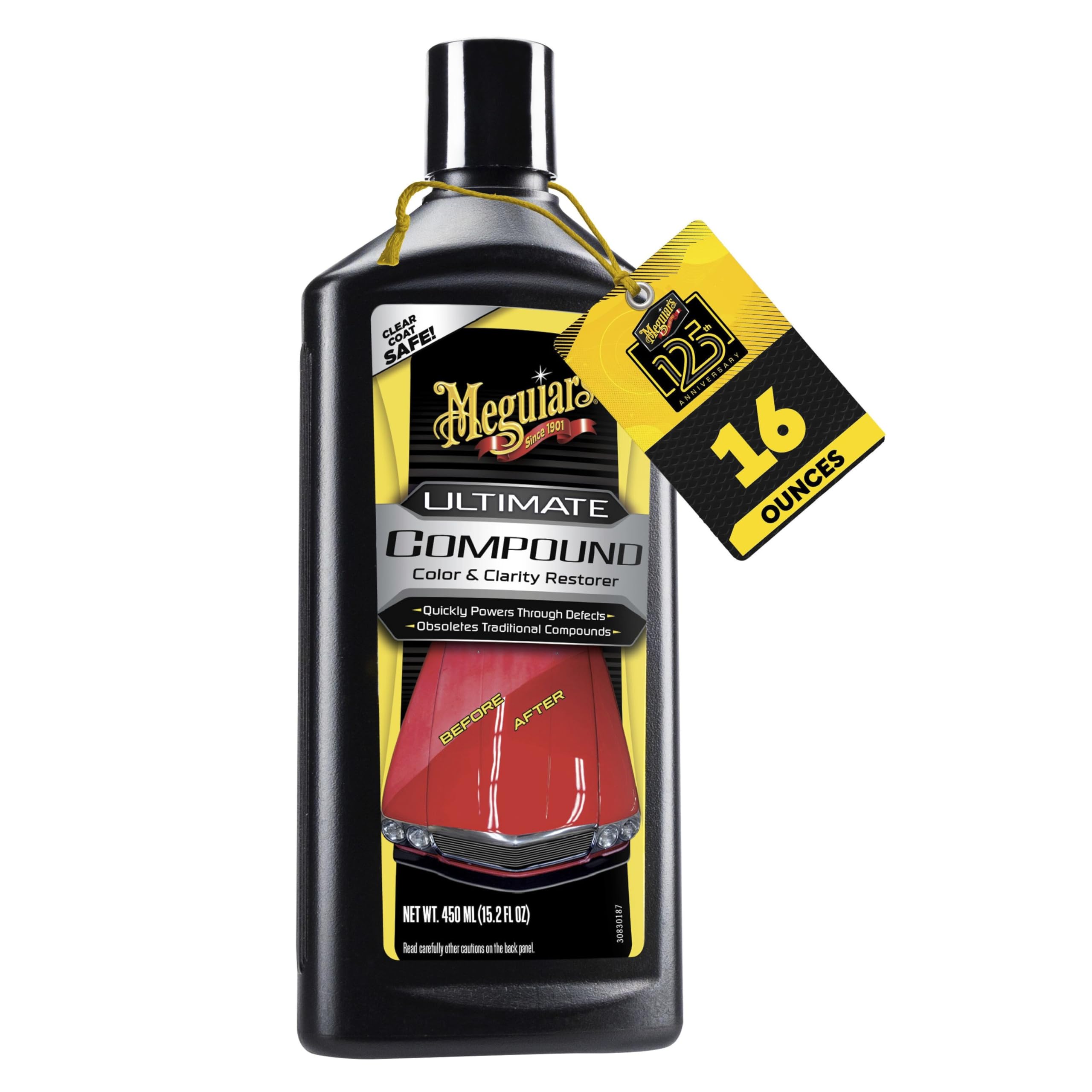
Bottom line: Meguiar’s Ultimate Compound is the strongest corrective product in this group. Use it when visible swirls, oxidation, scuffs, or etched water spots need more cut than a finishing polish can provide.
- Type: Micro-abrasive cutting compound, made for defect removal
- Size: 15.2 oz, suitable for spot or panel correction
- Application: Hand or dual-action polisher, machine is faster
- Protection: None, refine and protect after correction
Meguiar’s positions Ultimate Compound for removing oxidation, scratches, water spots, and other below-surface defects while restoring color and clarity. It is approved for clear coat and single-stage paint, which also makes it useful on many older vehicles.
Correction is still controlled abrasion. Start with the least aggressive method that works, keep pads and towels clean, and use a test spot. A finishing polish can improve clarity after compounding, especially on darker or softer paint.
On single-stage paint, some pigment transfer to the pad or towel can be normal because there is no separate clear layer over the color coat. Work conservatively and inspect often. If a scratch exposes primer or metal, stop chasing it with compound and treat it as a paint-repair issue.
- More cutting ability than the finishing polishes here
- Approved for clear coat and single-stage paint
- Can be used by hand or with a dual-action polisher
- Abrasive correction removes a small amount of paint surface
- Best finish may require a polishing step afterward
- Hand application is tiring on large panels
3. Meguiar’s M205 Mirror Glaze Ultra Finishing Polish

Bottom line: Meguiar’s M205 Mirror Glaze Ultra Finishing Polish is the precision finishing choice after compounding. It targets holograms, buffer trails, and light defects when your goal is maximum clarity rather than heavy correction.
- Type: Ultra-fine finishing polish, made for final refinement
- Size: 8 oz linked listing, check the variant before ordering
- Application: Hand, dual-action, or rotary, broad tool compatibility
- Protection: None, seal the finish after polishing
M205 comes from Meguiar’s professional Mirror Glaze line. Its micro-abrasive, non-gumming formula is designed for long working time and a swirl-free finish on glossy paint. It can follow a heavier correction step or clean up very light defects on its own.
This is more specialized than Ultimate Polish. It makes the most sense when you already understand the correction stage and want a dedicated final polish. The linked Amazon listing is the 8 oz size, while Meguiar’s also sells M205 in larger formats.
Its longer working time gives you more room to refine a section before the polish dries out. That is useful after a heavier cutting step, when direct lighting can reveal faint trails that looked invisible earlier. Once the finish is clean, wipe it down as directed and add your protection layer.
- Excellent for holograms, buffer trails, and light defects
- Long working time supports careful finishing
- Works with hand, dual-action, or rotary application
- Not intended for heavy oxidation or deep scratches
- No paint protection is left behind
- Best results depend more on pad and technique than one-step products
4. Nu Finish The Once A Year Car Polish Liquid

Bottom line: Nu Finish The Once A Year Car Polish Liquid is the low-effort choice for gloss and synthetic protection. It is better for maintaining decent paint than for correcting swirls or scratches.
- Type: Wax-free polymer sealant polish, focused on protection
- Size: 16 oz, a standard hand-application bottle
- Application: Damp cloth by hand, no machine or buffing required
- Protection: Synthetic polymer layer, durability is manufacturer-claimed
Nu Finish uses a wax-free polymer system rather than carnauba. Its directions call for washing and drying the vehicle, shaking the bottle, applying one section at a time with a damp cloth, letting it haze, and wiping it with a clean soft cloth. The manufacturer also allows direct-sun application.
The “Once A Year” name is a manufacturer durability claim, not a promise for every climate or wash routine. Nu Finish recommends a second coat within 30 days for maximum protection. If you want real defect removal, use a compound or finishing polish before the protection step.
This makes the original Nu Finish a practical maintenance product for a daily driver that already has acceptable paint. It reduces the number of separate detailing steps, but preparation still matters: apply it to clean, dry paint and keep it away from unpainted plastic, rubber, vinyl, and other surfaces the manufacturer excludes.
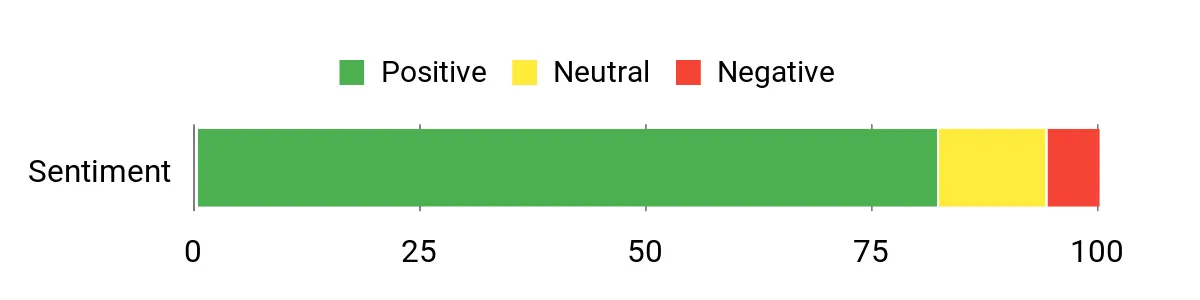
- No machine or heavy buffing required
- Can be applied in direct sunlight according to Nu Finish
- Wax-free polymer formula combines gloss and protection
- Does not provide meaningful abrasive correction
- One-year durability is a manufacturer claim and varies in real use
- Needs careful application around unpainted plastic trim
5. Nu Finish Once a Year Polish and Sealant

Bottom line: Nu Finish Once a Year Polish and Sealant combines shine, sealing, and water repellency in one hand-applied step. It suits drivers who want ceramic-style water behavior without the prep and cure process of a professional ceramic coating.
- Type: Ceramic-infused polish and sealant, one-step protection
- Size: 16 fl oz, sized for repeated hand application
- Application: Hand applied, no rubbing or machine buffing required
- Protection: Ceramic-infused sealant layer, focused on water repellency
Nu Finish describes this formula as 3-in-1 Ceramic Technology that helps address fine swirls and scuffs, seals the surface, and repels water. Treat the defect language as the manufacturer’s claim; this is not positioned as a heavy cutting compound.
The attraction is simplicity. You can use it in direct sunlight, and it does not require the panel preparation or curing routine associated with a professional ceramic coating. Choose it over the original Nu Finish when water beading is a higher priority than keeping the process as basic as possible.
Surface preparation still affects the result. Wash the vehicle thoroughly and remove bonded contamination before sealing it in. If the paint has visible correction needs, address those first. This formula is best viewed as an easy protective finish with ceramic technology, not as a replacement for a multi-step correction or professionally applied coating.
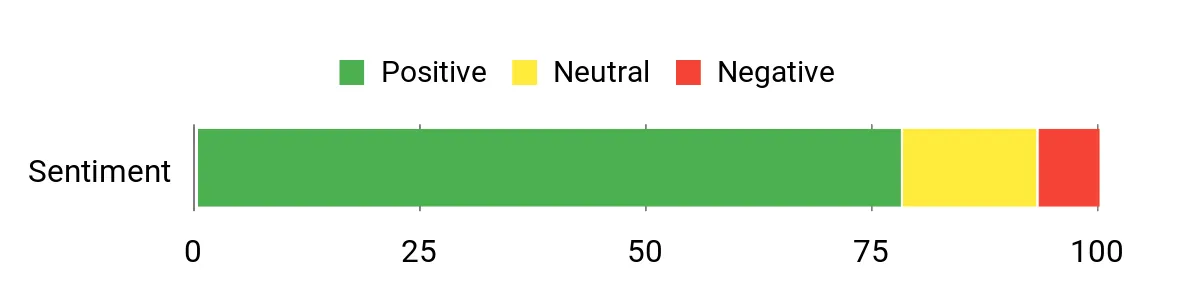
- Combines gloss, sealing, and water repellency in one step
- No machine or heavy buffing required
- Can be applied in direct sunlight according to Nu Finish
- Not a substitute for abrasive paint correction
- Not the same product class as a professional ceramic coating
- Long-term durability varies with exposure and maintenance
Meguiar’s Ultimate Polish vs Nu Finish The Once A Year Car Polish Liquid: Is the Upgrade Worth It?
These two picks solve different problems. Meguiar’s Ultimate Polish is for surface refinement and gloss; Nu Finish is for easy synthetic protection.
- Correction: Ultimate Polish can refine fine swirls and towel marks; Nu Finish is not a true correction product.
- Protection: Nu Finish leaves a polymer layer; Ultimate Polish needs a wax or sealant afterward.
- Effort: Both work by hand, but Nu Finish is the simpler protection-focused routine.
- Best fit: Choose the product that matches the paint condition rather than treating one as a direct replacement for the other.
Which Car Polish Should You Buy?
- Light swirls and more gloss: get the Meguiar’s Ultimate Polish.
- Visible defects and oxidation: get the Meguiar’s Ultimate Compound.
- Final refinement after compounding: get the Meguiar’s M205 Mirror Glaze Ultra Finishing Polish.
- Easy low-cost protection: get the Nu Finish The Once A Year Car Polish Liquid.
- Water beading plus one-step sealing: get the Nu Finish Once a Year Polish and Sealant.
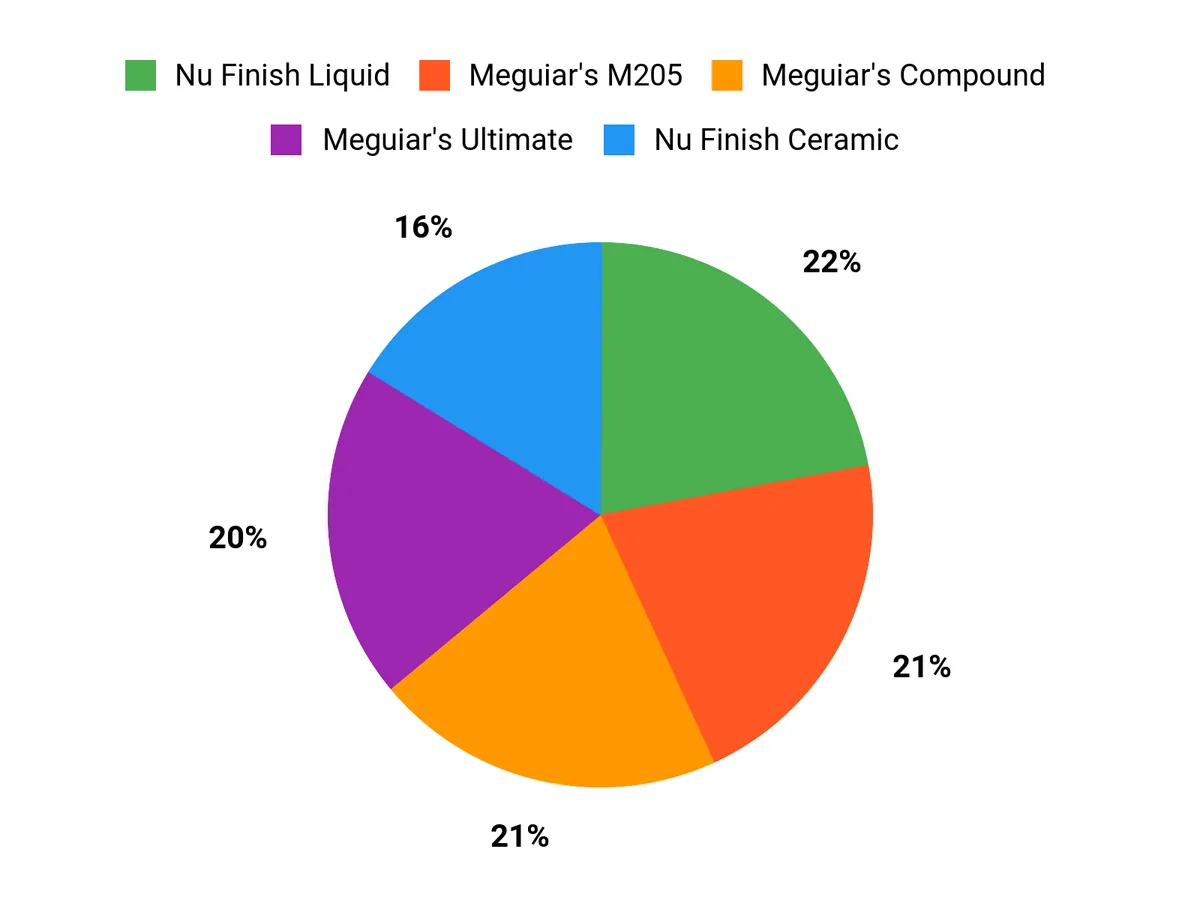
What Buyers Prefer
The best choice depends on whether your paint needs correction, refinement, or protection. Start by diagnosing the surface under direct light, then choose the least aggressive product that can do the job.
How We Chose
- Exact product fit: We checked each linked model and variant against current listings.
- Manufacturer guidance: Type, size, compatible application methods, and use claims came from manufacturer pages and directions where available.
- Real-world patterns: Owner comments were used only when the same theme appeared across at least two independent non-Amazon sources.
- Safety: We checked current recall records and avoided turning an unverified absence into a safety claim.
- Workflow value: We favored products that have a clear role in correction, finishing, or protection rather than products with vague all-in-one claims.
Compound vs Polish vs Sealant: What You Actually Need
A compound has the most cutting ability. It removes a microscopic amount of the painted surface to level defects such as oxidation, visible swirls, scuffs, and etched water spots. Use it only where correction is needed. A compound can improve a damaged finish dramatically, but repeated aggressive correction is not routine maintenance.
A finishing polish uses a much finer abrasive system. Its job is to refine light swirls, haze, and buffer trails while increasing clarity and gloss. It is often the step after compounding, although lightly marked paint may need only a finishing polish. Because it is a refinement step, it should not be expected to erase deep scratches.
A sealant-style polish focuses on shine and protection instead of meaningful cutting. The two Nu Finish products fit this role. They are useful when the paint already looks acceptable and your priority is an easier protective layer. That makes them poor substitutes for a compound but good choices for routine upkeep.
Before You Buy: Quick Checklist
- Inspect under direct light: sunlight or a bright work light makes swirls and haze easier to diagnose.
- Feel the clean paint: if it feels gritty through a plastic bag, decontaminate before polishing.
- Check scratch depth: a deep scratch through the clear coat is not a safe polishing target.
- Choose hand or machine honestly: hand correction is possible, but a full vehicle can be tiring and slow.
- Confirm the linked size: some formulas are sold in several bottle sizes, especially professional products.
- Plan the protection step: a true compound or finishing polish still needs wax or sealant afterward.
- Check the finish type: matte, satin, wraps, and PPF need products made for those surfaces.
How to Polish Your Car: The Correct Order
- Wash and dry thoroughly. Dirt left on the paint can become abrasive when you start polishing.
- Decontaminate if needed. If clean paint still feels rough, use a suitable clay bar or synthetic decontamination tool before polishing.
- Compound only where needed. Start with the least aggressive method that corrects the defect.
- Polish for clarity. Use a finishing polish after compounding when haze, holograms, or light marks remain.
- Protect the finish. Apply a compatible wax or sealant unless your chosen product already leaves protection.
Paint Safety and Compatibility
- Avoid abrasive polish on matte or satin paint. Abrasion can create glossy patches that are difficult or impossible to reverse.
- Use dedicated products on wraps and PPF. Follow the film or wrap maker’s care guidance.
- Remember that clear coat is finite. Compound only when needed and do not chase defects that are too deep to remove safely.
- Protect trim and edges. Residue can stain some unpainted plastics, and machine polishing near edges requires extra care.
- Do not polish a hot panel. Work within the temperature and application directions on the label.
Car Polish Buying Guide
Compound vs Finishing Polish vs Sealant
A compound is for visible defects, a finishing polish is for light refinement and gloss, and a sealant is for protection. If you can clearly see oxidation or swirls, Meguiar’s Ultimate Compound is the corrective choice here. For paint that is already smooth but looks flat, start with Meguiar’s Ultimate Polish.
Match the Product to the Defect Level
Use the least aggressive product that solves the problem. Fine haze and towel marks need less cut than oxidation or etched water spots. A deep scratch that breaks through clear coat is a repair problem, not a polishing problem. Trying to erase it with repeated compounding can remove too much surrounding paint.
Hand Application vs Machine Polishing
Hand application is practical for finishing polish, spot correction, and both Nu Finish products. A dual-action polisher makes larger correction jobs faster and more even. If you are new to machine polishing, Meguiar’s Ultimate Polish is forgiving; reserve rotary work and aggressive combinations for users who understand pad, pressure, speed, and paint response.
Protection After Polishing
Meguiar’s Ultimate Polish, Ultimate Compound, and M205 are not your final protection layer. Follow them with a compatible wax or sealant. If you want to combine shine and protection in one simpler step, Nu Finish The Once A Year Car Polish Liquid or Nu Finish Once a Year Polish and Sealant is the better fit.
Check the Surface Before You Start
Wash first, then inspect in strong light. If the paint feels gritty, decontaminate it before polishing. Mask sensitive trim if needed, and test the product on a low-visibility area. Good preparation often matters more than using a more aggressive bottle.
Mistakes to Avoid When Buying Car Polish
- Buying by the word “polish” alone: Check whether the product actually cuts, refines, or seals.
- Using compound on healthy paint: Save aggressive correction for defects that need it.
- Expecting polish to repair deep scratches: Do not chase damage that has passed through the clear coat.
- Ignoring the protection step: Finish abrasive polishing with a wax or sealant.
- Using glossy-paint products on special finishes: Choose dedicated care products for matte, satin, wraps, and PPF.
FAQs
Which car polish should I choose?
Choose by paint condition, not by the word “polish” on the bottle. Use Meguiar’s Ultimate Compound for visible swirls, oxidation, and moderate defects. Use Meguiar’s Ultimate Polish for light marks and more gloss on paint that is already in decent shape. Choose either Nu Finish product when protection and easy application matter more than correction.
What’s the difference between a compound, a polish, and a sealant?
A compound has the most cutting ability and levels visible paint defects. A finishing polish uses finer abrasives to refine haze, light swirls, and gloss. A sealant focuses on protection and water repellency rather than meaningful correction. A full correction may use compound first, polish second, then a wax or sealant to protect the finish.
Do I need to clay bar my car before polishing?
Clay is useful when washed paint still feels rough because bonded contamination can interfere with polishing. Use the baggie test: place your hand in a clean plastic bag and lightly glide it over the paint. If the surface feels gritty, decontaminate it before polishing. If it feels smooth, clay may not be necessary for that session.
Can I apply car polish by hand or do I need a polisher?
You can apply several products here by hand, including Meguiar’s Ultimate Polish and both Nu Finish options. A dual-action polisher makes full-panel correction faster and more consistent, especially with compound. Rotary machines can also be used with suitable professional polishes, but they demand more technique. Always follow the product directions and start with a small test area.
Will car polish remove deep scratches and swirl marks?
Finishing polish can reduce fine swirls, haze, and very light marks, while a compound has more cut for moderate defects. Deep scratches that pass through the clear coat cannot be safely polished away. If a scratch catches strongly with a fingernail or exposes primer or metal, polishing is not the right repair and professional paint work may be needed.
How often should I polish my car?
Polish only when the paint condition calls for it rather than on a rigid schedule. Abrasive polishing removes a small amount of the painted surface, so repeated correction should be conservative. Between polishing sessions, good washing technique and a wax or sealant help preserve gloss. Compound should be used even less often and only on defects that actually need correction.
Can I use these polishes on matte, satin, or vinyl-wrapped cars?
No. The abrasive Meguiar’s products in this guide are intended for glossy paint, and polishing matte or satin finishes can create permanent shiny spots. Vinyl wraps and paint protection film also need products approved for those surfaces. For any special finish, check the vehicle, wrap, or film maker’s care guidance before using a polish, compound, or sealant.
Do I still need wax or sealant after polishing?
Yes after a true finishing polish or compound, because those steps do not leave the durable protection you want for daily exposure. Apply a compatible wax or paint sealant after correction. The two Nu Finish products in this roundup are different because protection is part of their intended job, so they do not need a separate protective step immediately afterward.
Car Polish Specification Comparison
| Product Name | Image | Type & Size | Application | Best For | Main Limitation | Price |
|---|---|---|---|---|---|---|
| Meguiar’s Ultimate Polish |
|
Fine finishing polish / pre-wax glaze · 16 oz | Hand or dual-action polisher | Gloss and color depth on smooth paint | No protection layer; won’t correct real defects | Check Price |
| Meguiar’s Ultimate Compound |
|
Micro-abrasive cutting compound · 15.2 oz | Hand or dual-action polisher | Swirls, oxidation, water spots; clear coat and single-stage | Removes clear coat; needs a finishing polish after | Check Price |
| Meguiar’s M205 Mirror Glaze Ultra Finishing Polish |
|
Ultra-fine finishing polish · sold in 8 oz, 32 oz, 1 gal | Hand, dual-action, or rotary | Holograms and buffer trails after compounding | Hard to remove if allowed to dry; not a corrector | Check Price |
| Nu Finish The Once A Year Car Polish Liquid |
|
Wax-free zinc polymer sealant polish · 16 oz | Hand, no buffing; direct sun OK | Long-interval protection with minimal effort | No correction ability; durability claim is the manufacturer’s | Check Price |
| Nu Finish Once a Year Polish and Sealant |
|
Ceramic-infused polish + sealant · 16 fl oz | Hand, no buffing; direct sun OK | Protection with strong water beading | Not a professional ceramic coating; no correction ability | Check Price |
Final Verdict
For a general-purpose car polish on glossy paint that is already in decent condition, Meguiar’s Ultimate Polish is the most balanced choice. It offers meaningful refinement without forcing you into a heavy correction process.
If the paint has obvious defects, start with a compound; if protection is the priority, choose a sealant-style product instead.
For easy protection, see Nu Finish The Once A Year Car Polish Liquid; for precision final refinement, see Meguiar’s M205 Mirror Glaze Ultra Finishing Polish.

