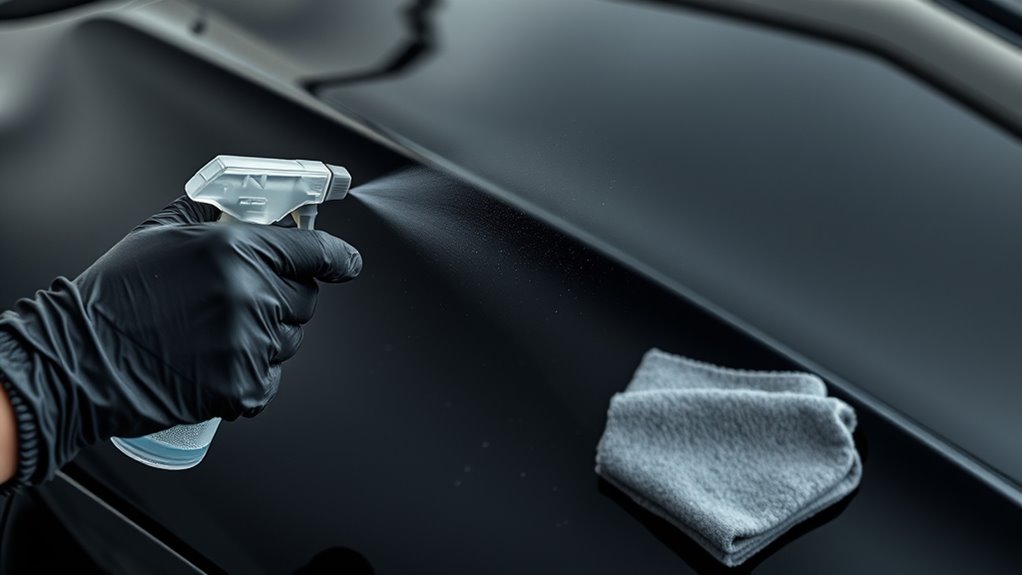
Klasse High Gloss Sealant Glaze can give your car a deep, reflective finish while adding a protective layer over the paint. The key is clean paint, a very thin application, and careful removal of the residue. Unlike conventional car sealant sprays, Klasse is a concentrated liquid acrylic sealant applied with a pad. Understanding that difference helps you avoid streaks and get better results.
Quick Answer
To apply Klasse High Gloss Sealant Glaze, wash and dry your car, remove bonded contaminants, and spread a nearly invisible coat with a lightly damp applicator. Work on cool paint in the shade. Buff away residue according to the product directions, and wait 8–12 hours before applying another coat. Avoid heavy application.
At a Glance
| Time Required | Preparation and application time varies. Allow 8–12 hours before an optional second coat. |
| Difficulty | Beginner-friendly, but careful application and buffing are essential. |
| Tools Needed | Car shampoo, wash mitt, microfiber towels, applicator pad, optional clay bar and lubricant, and paint-preparation cleaner. |
Key Takeaways
- Klasse High Gloss Sealant Glaze is a concentrated acrylic paint sealant, not a conventional spray-and-rinse coating.
- Its main benefits are a reflective finish, improved surface protection, and easier removal of everyday contamination.
- A pH-neutral wash removes everyday dirt but does not necessarily strip old wax or sealant.
- Clay treatment and polishing are useful when paint needs them. They are not mandatory before every application.
- Thin coats help prevent haze and streaks. One coat provides protection, while additional coats are optional.
- Buffing time and the waiting period between coats are different. Follow the product’s removal directions and allow 8–12 hours before layering.
Is Klasse High Gloss Sealant Glaze Worth It?
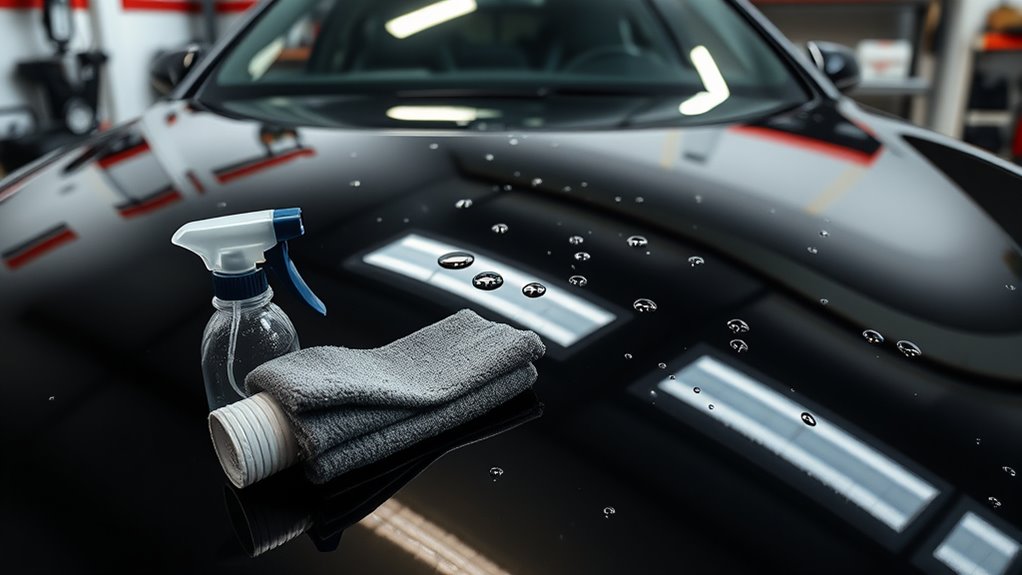
Klasse High Gloss Sealant Glaze is worth considering if you want durable paint protection and a sharp, reflective finish. Its concentrated acrylic formula creates a protective layer over the paint without relying on an abrasive polishing action.
The product is particularly appealing to drivers who prefer traditional hand-applied sealants over newer spray-and-rinse products.
Klasse is a strong choice for drivers who prioritize lasting protection and clear, reflective gloss over the quickest possible application.
Its biggest advantages are appearance, durability, and versatility. The protective layer can make road film, bugs, and other surface contamination easier to remove during routine washing.
However, it does not repair scratches or permanently prevent water spots. Paint condition and maintenance still determine how good the finish looks over time.
How Long Does Klasse High Gloss Sealant Glaze Last?
Durability depends on how the car is used, how thoroughly the paint was prepared, and how often it is washed.
Under demanding winter conditions, practical detailing experience has shown protection lasting around 3–4 months. Product sellers describe longer potential durability, commonly around 6–12 months under favorable conditions.
These are not guaranteed replacement intervals. Frequent washing with aggressive cleaners, road salt, strong sunlight, and heavy environmental contamination can shorten useful protection.
You can review the product’s claimed durability and layering guidance in the Klasse High Gloss Sealant Glaze product instructions.
Klasse is also marketed for several nonporous surfaces, including glass, plastic, and metal. Check the product directions and your vehicle’s care instructions before treating rubber, textured trim, or windshield glass.
If you prefer a reflective finish and can spend extra time preparing the paint, Klasse offers a practical balance of gloss and protection.
How to Prep Paint for Better Bonding?
Good paint preparation removes contamination that could interfere with the sealant’s contact with the surface. Start with a complete wash, inspect the paint, and correct only the problems you find.
You do not need to clay or polish a clean, smooth panel every time you apply sealant.
- Wash the car. Rinse away loose grit, then wash with automotive shampoo and a clean mitt. Work from top to bottom and rinse thoroughly.
- Check for bonded contamination. After washing, gently feel the paint. If it feels rough, use a clay bar or suitable decontamination product with the recommended lubricant.
- Polish only where necessary. Light polishing can improve dull paint or fine swirl marks. The sealant itself does not remove those defects.
- Remove unwanted residues. Clean away polishing oils and incompatible old protection using a suitable paint-preparation product.
- Dry and inspect. Use a clean microfiber towel and remove trapped water from seams, mirrors, and trim edges.
The Meguiar’s paint preparation guide explains how clay removes contaminants that ordinary washing leaves behind. Use plenty of clay lubricant and light pressure to reduce the chance of marring.
Should You Use Isopropyl Alcohol Before Sealant?
Diluted isopropyl alcohol, often called IPA, is sometimes used to remove surface residue before applying paint protection.
Some detailing routines use a 50:50 mixture of isopropyl alcohol and water. However, that mixture is not a universal requirement for Klasse, and the appropriate concentration depends on the alcohol strength and surface being treated.
A dedicated paint-preparation cleaner can be more effective against polishing oils and leftover wax.
For example, Gyeon Q²M Prep is designed to dissolve oily residues and prepare exterior surfaces before sealant or coating application.
Use any cleaner according to its label. Test an inconspicuous area when compatibility is uncertain, especially on repainted panels or sensitive trim.
Once the surface is clean, smooth, and dry, it is ready for the sealant.
How to Apply Klasse Sealant or Car Sealant Spray Evenly?
The correct technique depends on the product. Klasse High Gloss Sealant Glaze uses a wipe-on application, while conventional spray sealants may require dry-panel wiping or application to wet paint.
Using one product’s instructions for another can cause uneven coverage, streaking, or wasted sealant.
Surface Prep Steps
Before opening the sealant, organize your tools and check that the paint is cool and free of contamination. The following checklist covers the essential preparation and finishing stages.
| Step | Tool | Purpose |
|---|---|---|
| Wash | Car shampoo and wash mitt | Remove loose dirt and grime |
| Decontaminate | Clay bar and lubricant, if needed | Remove bonded contaminants |
| Dry | Microfiber drying towel | Prevent trapped water from affecting application |
| Inspect and buff | Clean microfiber towel | Remove residue and check coverage |
Choose a shaded, well-ventilated work area. A temperature around 60–80°F is a practical working range, although the product’s own temperature requirements take priority.
Warning: Do not rub clay or an applicator over gritty, unwashed paint. Trapped particles can scratch the clear coat. Avoid applying sealant to hot panels, and never use a cleaner on a surface the product label excludes.
Even Application Technique
For Klasse, the goal is an extremely thin film rather than a visible coating of liquid. Too much product is one of the main reasons removal becomes difficult.
Follow these steps when applying Klasse High Gloss Sealant Glaze by hand:
- Prepare the applicator. Lightly dampen a clean foam or microfiber pad with water, then wring it out. The pad should not be dripping.
- Add a small amount of sealant. Put a small dab of Klasse onto the pad instead of pouring it directly onto the paint.
- Spread the product. Work on one manageable section using overlapping, gentle strokes. Crosshatch passes can help you cover the area evenly.
- Check the film. The coating should be so thin that it is barely visible. Spread out heavy patches rather than adding more product.
- Continue around the vehicle. Work section by section until all intended painted surfaces are covered.
- Remove the residue. Use the drying and buffing method described in the next section, following the directions supplied with your bottle.
Klasse can be applied using different removal methods. Some application guides describe removing a thin film soon after spreading it. Others recommend letting it dry before buffing.
For the dry-haze method, the residue must be ready for removal rather than wet or gummy.
How Is a Conventional Spray Sealant Different?
Conventional dry-panel spray sealants often use a light mist followed by spreading and buffing with microfiber towels.
For products designed for that technique, you may hold the nozzle roughly 6–12 inches from the paint and work in small sections of approximately 2 by 2 feet. A light crosshatch pass can improve coverage without flooding the panel.
However, those distances and working sections are general application guidance, not universal requirements.
Some spray products work differently. Meguiar’s Hybrid Ceramic Wax, for example, is designed for use on wet paint.
For its initial application, Meguiar’s directs users to wash and rinse the car, spray the product on the wet surface, and dry with a microfiber towel to establish the base layer.
For later applications, users spray onto the wet surface, rinse again with a strong stream of water, and then dry.
This process does not require the traditional drying and buffing stage associated with Klasse.
When to Buff Car Sealant to Avoid Streaks?
Buff Klasse High Gloss Sealant Glaze according to the removal method you are using. For the dry-haze method, wait until the thin film has dried before wiping it away with a clean microfiber towel.
A 15–20 minute waiting period may work in suitable conditions, but it is not a universal curing time. Some users allow longer drying periods, while wipe-on, wipe-off instructions call for much earlier removal.
Temperature, humidity, application thickness, and the removal method all affect the result.
| Condition | Action | Risk |
|---|---|---|
| Residue still wet during dry-haze removal | Allow more drying time | Smearing and towel drag |
| Thin residue ready for removal | Buff gently with clean microfiber | Lower risk of streaking |
| Hot panels or heavy application | Move to shade and reduce product quantity | Stubborn haze and uneven finish |
How to Remove Sealant Streaks
If residue becomes difficult to remove, start with the least aggressive correction. Do not scrub harder or use an abrasive pad.
- Fold a clean microfiber towel to expose a fresh surface.
- Gently buff the affected area and inspect it from several angles.
- If haze remains, lightly mist the affected area or a towel with a compatible quick detailer, then wipe and dry.
- For persistent Klasse residue, a very small amount of fresh sealant may help loosen the film before you immediately buff it away.
A lightly damp microfiber towel can also help with stubborn residue, followed by a separate dry towel to finish the panel.
After buffing, the paint should look clear and even, without cloudy patches or greasy marks.
How Long Should You Wait Before Another Coat?
For Klasse High Gloss Sealant Glaze, allow approximately 8–12 hours between coats according to commonly published product directions.
This interval is different from the time needed to remove visible residue. You should not assume that a film becoming ready to buff means an additional layer can immediately be applied.
For extra protection during the initial setting period, keep the car dry and avoid washing or rain exposure for at least 10 hours when practical. Treat this as a precaution rather than a confirmed universal Klasse requirement.
Other spray sealants and ceramic products may have completely different application and water-exposure instructions.
How to Keep Car Sealant Gloss Longer?
Long-lasting gloss comes from a smooth paint surface, consistent protection, and gentle cleaning. Once the sealant is applied, your wash routine becomes more important than repeatedly adding thick layers of product.
Focus on the condition of the paint rather than simply following a fixed reapplication schedule.
Proper Surface Prep Before Reapplying
Before applying another full layer, inspect the existing protection and check for road film or embedded contaminants.
If the paint is still clean and smooth, a gentle wash may be enough before applying a compatible maintenance product.
If the surface feels rough or looks dull, remove contamination before adding new protection. Otherwise, the fresh layer may cover dirt or residue rather than a clean finish.
For neglected paint, a light correction and proper panel cleaning can restore clarity before resealing.
Remember that polishing or strong chemical cleaning can remove existing protection. Use those methods when preparing for a fresh application, not as part of every routine wash.
Why Thin, Even Application Matters
A thin coat protects the paint without leaving excess residue that can create haze or streaks. This is especially important with concentrated products like Klasse.
Applying more liquid does not automatically create stronger or longer-lasting protection.
If you want additional coverage, allow the recommended interval before adding another thin coat. One properly applied layer is useful; two or three coats are optional rather than mandatory.
Extra layers may improve coverage and visual depth, but the results depend on the condition of the existing layer and the product’s compatibility with itself.
Check the finish in good lighting before deciding whether another coat is necessary.
Routine Boosting Sprays
A compatible maintenance spray can help preserve surface slickness, gloss, and water repellency between full sealant applications.
Start with a gentle wash using a shampoo intended to preserve paint protection. For example, Adam’s Car Shampoo is formulated to clean without stripping existing wax or sealant.
Dry the paint with a clean microfiber towel. Then apply a compatible detailing spray or spray wax if the surface needs a gloss boost.
Spray sealant boosters can provide another protective layer, but they should not be treated as permanent replacements for the underlying sealant.
Choose products that are compatible with the existing protection. Some wax-based toppers may change the surface’s water behavior or appearance, even if the paint still looks glossy.
For routine maintenance, focus on:
- Using clean wash mitts and microfiber towels.
- Removing bird droppings, insect residue, and other contamination promptly.
- Avoiding harsh cleaners unless you intend to remove old protection.
- Checking whether water beading and surface slickness have noticeably declined.
- Reapplying protection when performance drops rather than adding unnecessary coats.
A glossy finish is easier to maintain when dirt is removed regularly and the sealant is not exposed to unnecessary abrasion.
Which Tips Improve Sealant Results Fastest?
The fastest improvement usually comes from changing how you apply and remove the product. Better technique can reduce haze, improve coverage, and save time without requiring another full layer.
These practical tips address the mistakes most likely to spoil an otherwise good finish.
1. Test a Small Section First
Apply a thin coat to a small, clean panel before treating the whole car. Observe how the product spreads and how easily the residue wipes away.
If removal is difficult, reduce the quantity or adjust your timing before continuing.
2. Use Separate Applicator and Buffing Towels
Keep the applicator separate from the microfiber towels used for residue removal.
Change towel sides as they collect product. A saturated towel can spread residue across the paint instead of removing it.
3. Inspect the Finish Under Different Lighting
Move around the vehicle and view the paint from different angles. Reflections can reveal cloudy patches that are hard to spot in flat lighting.
Check large panels, panel edges, door handles, and trim boundaries before putting your tools away.
4. Use a Compatible Detailer for Stubborn Residue
A suitable quick detailer can help loosen difficult sealant haze and improve towel movement.
The original Showtime detailer formula is associated with Mothers, not Meguiar’s. The product is now sold as Mothers California Gold Instant Detailer.
Use such a product as a compatible wiping aid when needed, not as an unverified additive mixed into Klasse or automatically applied between fresh coats.
5. Avoid Unnecessary Product Buildup
Do not add more sealant simply because a panel looks slightly cloudy. First determine whether the problem is excess residue, dirty paint, or existing surface defects.
Removing the cause will usually improve the finish more than applying another layer.
Pro Tip: Before sealing the whole vehicle, apply a test patch and check it with an inspection light after buffing. This helps you find the right application thickness and removal method without having to correct haze across multiple panels.
When the paint feels smooth and the reflections look even, you have achieved the main goal: a clean protective layer that is easy to maintain.
Frequently Asked Questions
What Is the Best Spray-On Car Sealant?
Meguiar’s Hybrid Ceramic Wax is a practical option for drivers who want spray-on protection with strong water repellency and a simple application process. However, no single product is best for every car. Klasse High Gloss Sealant Glaze is a different type of sealant and is better suited to traditional wipe-on application.
How Many Coats of Sealer Should You Put on a Car?
One properly applied coat is usually enough to provide a basic protective layer. A second coat may improve coverage and appearance, depending on the product. For Klasse High Gloss Sealant Glaze, allow about 8–12 hours before layering. Two or three coats are optional, not a universal requirement.
How Do You Use Spray Sealant on a Car?
Wash the vehicle first, then follow the specific spray sealant’s application instructions. Conventional sprays may require light misting and microfiber buffing on dry paint. Other products, including Meguiar’s Hybrid Ceramic Wax, are designed for wet surfaces. Use thin, even coverage and avoid direct sunlight unless the label permits it.
What Is the Best Car Gloss Spray?
Meguiar’s Hybrid Ceramic Wax is worth considering if you want gloss enhancement and water repellency without traditional hand buffing. A compatible quick detailer can also refresh appearance between washes. For longer-lasting acrylic protection, Klasse High Gloss Sealant Glaze is an alternative, although it is applied with a pad rather than used as a conventional spray.
Can You Apply Klasse High Gloss Sealant Glaze to Glass and Trim?
Klasse High Gloss Sealant Glaze is marketed for several nonporous surfaces, including glass, plastic, and metal. However, compatibility may depend on the vehicle and material. Follow the product label and vehicle manufacturer’s instructions, test an inconspicuous area, and avoid windshield treatment unless that specific use is approved.
Conclusion
Klasse High Gloss Sealant Glaze can provide an attractive, long-lasting finish when applied correctly. The biggest improvements come from clean paint, thin application, careful buffing, and gentle maintenance.
Start with a small test section, follow the correct removal method, and avoid confusing Klasse’s wipe-on application with spray-and-rinse sealants. A well-prepared, evenly protected surface will be easier to clean and maintain over time.
Sources
- Klasse High Gloss Sealant Glaze Product Information: Acrylic sealant characteristics, surface compatibility, claimed durability, application guidance, and intervals between coats.
- Meguiar’s Paint Preparation Guide: Bonded contamination, clay lubrication, polishing, and preparing paint for protection.
- Gyeon Q²M Prep: Removal of polishing oils, wax residues, and other contamination before applying sealants.
- Meguiar’s Hybrid Ceramic Wax Instructions: Initial and routine wet-surface spray application methods.
- Mothers California Gold Instant Detailer: Former Showtime product naming and intended quick-detailing applications.
- Adam’s Car Shampoo: pH-neutral washing and maintenance of existing wax and sealant protection.

