You want a reliable fish finder without overspending, but budget fish finders can differ sharply in sonar type, navigation and how they mount. The right choice depends on whether you fish from a kayak, small boat, dock or bank.
Garmin STRIKER Plus 4 is the strongest all-around pick here because it combines traditional CHIRP sonar with built-in GPS and Quickdraw Contours. For a simpler mounted unit, Lowrance HOOK² 4x with Bullet Skimmer is the value-focused choice.
These picks were checked against current manufacturer specifications, the linked product model, platform fit and available safety information. Owner trends are used only where multiple independent sources showed the same pattern.
Budget Fish Finders Compared
| Product | Best for | Display | Sonar | Navigation | Score |
|---|---|---|---|---|---|
|
Premium
|
Best overall | 4.3-inch display | Traditional CHIRP | GPS + Quickdraw Contours | 92/100 |
|
Premium
|
Best down imaging | 4.3-inch color TFT | Dual Beam + Down Imaging | No GPS or chartplotting | 90/100 |
|
Budget
|
Best value | 4.3-inch SolarMAX | Wide-angle Broadband Sounder | Sonar-only linked SKU | 82/100 |
|
Budget
|
Best castable | Phone or tablet app | Single beam, 120 kHz | No built-in GPS mapping | 80/100 |
|
Budget
|
Basic depth and fish indication | Exact variant not verified | Exact variant not verified | Exact variant not verified | 75/100 |
Budget Fish Finders: Our Top Picks
1. Garmin STRIKER Plus 4

Bottom line: The Garmin STRIKER Plus 4 is the best fit here if you want sonar plus simple navigation. Its built-in GPS and Quickdraw Contours add useful location tools without turning the unit into a full chartplotter.
- Display: 4.3-inch screen, compact for kayaks and small consoles
- Sonar: Traditional CHIRP, clearer separation than basic fixed-frequency sonar
- Navigation: Built-in GPS and Quickdraw Contours, useful for repeat spots
The linked 010-01870-00 model pairs its compact display with traditional CHIRP sonar and a dual-beam transducer. That gives you a straightforward view of fish arches, depth and bottom changes without requiring a large helm display.
The navigation features are the bigger reason to choose it. You can mark waypoints, create routes and use Quickdraw Contours to build your own contour maps as you move. That is especially useful on smaller lakes or water where the maps you already have are limited.
Its trade-off is screen space. A 4.3-inch display is easy to fit on small craft, but it gives you less room than larger fish finders. The linked model also focuses on traditional sonar rather than the newer scanning-sonar package found on newer Garmin variants.
Sentiment Snapshot
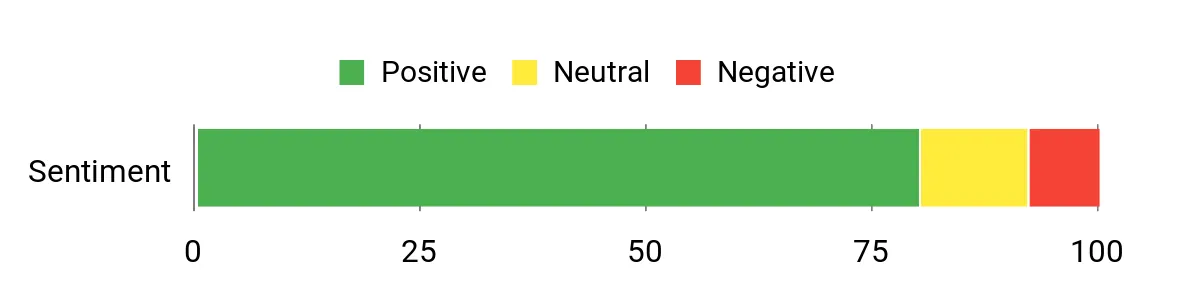
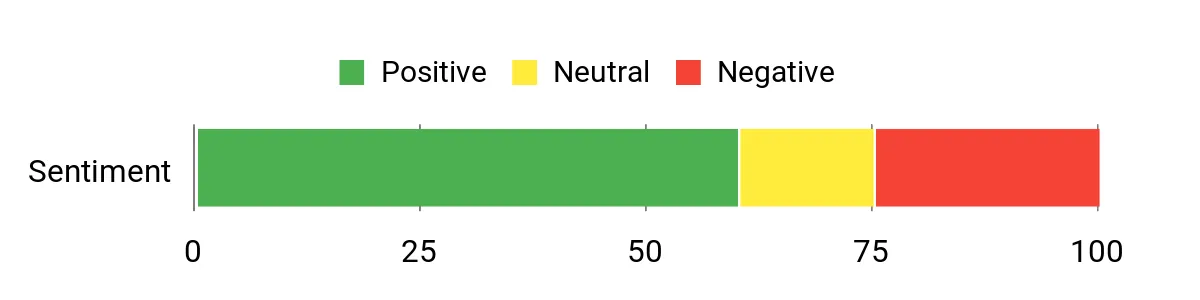
- Built-in GPS helps you mark and return to productive locations
- Quickdraw Contours lets you create contour maps while fishing
- Traditional CHIRP sonar suits general fish and bottom searching
- Compact display fits kayaks and small boats
- Small display gives you limited viewing space
- Linked model does not add the newer ClearVü package
- Requires a mounted transducer and wired power
2. Humminbird PiranhaMAX 4 DI

Bottom line: The Humminbird PiranhaMAX 4 DI is the better match when structure detail below the boat matters more than GPS. It combines Dual Beam sonar with Down Imaging on a compact color display.
- Display: 4.3-inch color TFT, 272H × 480V pixels
- Sonar: Dual Beam + Down Imaging, two complementary sonar views
- Navigation: No GPS or chartplotting, sonar-focused operation
Down Imaging is the main reason to choose this model. It gives you a more structure-focused view of timber, brush, rocks and other objects beneath the boat, while Dual Beam sonar provides a more traditional fish-finder view.
The package includes the XNT 9 DI T transom-mount transducer plus a tilt-and-swivel display mount. That makes it a natural fit for small boats and many kayak installs where you can provide a stable transducer position and wired power.
The important limitation is navigation: the PiranhaMAX 4 DI does not support GPS, chartplotting, a basemap or memory cards. If saving waypoints or building maps is part of your routine, the Garmin is the stronger fit.
Sentiment Snapshot
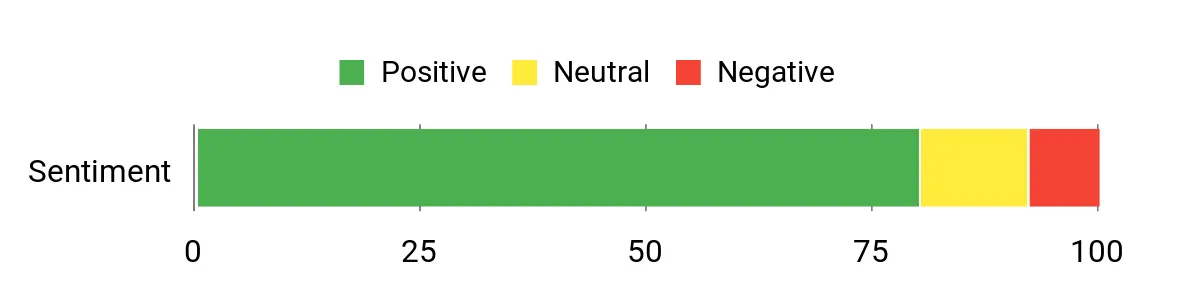
- Down Imaging helps reveal structure below the boat
- Dual Beam sonar adds a traditional sonar view
- Color TFT display keeps the interface simple and readable
- Tilt-and-swivel mount and transom transducer are included
- No GPS, waypoint or chartplotting support
- No memory card slot
- Software is not user-upgradable
3. Lowrance HOOK² 4x with Bullet Skimmer

Bottom line: The Lowrance HOOK² 4x with Bullet Skimmer is for anglers who want a mounted fish finder with minimal setup work. Autotuning sonar handles much of the adjustment while the compact display fits tight consoles.
- Display: 4.3-inch SolarMAX, sized for compact installations
- Sonar: Wide-angle Broadband Sounder with autotuning, fewer manual adjustments
- Navigation: Linked Bullet Skimmer SKU is sonar-only, no mapping
Lowrance designed the HOOK² line around simpler menus and automatic sonar tuning. On the linked 4x Bullet Skimmer package, that means you can spend less time adjusting sonar settings and more time reading depth, bottom and targets under the boat.
The Bullet Skimmer setup is a straightforward match for kayaks and small boats with limited console space. This exact linked package should be treated as the sonar-only version, so do not buy it expecting the mapping functions available on other HOOK² configurations.
Installation still matters. Owner discussions show that poor transducer placement, electrical interference or water turbulence can lead to unstable depth or noisy returns. A clean mounting location is more important than repeatedly changing menu settings.
Sentiment Snapshot
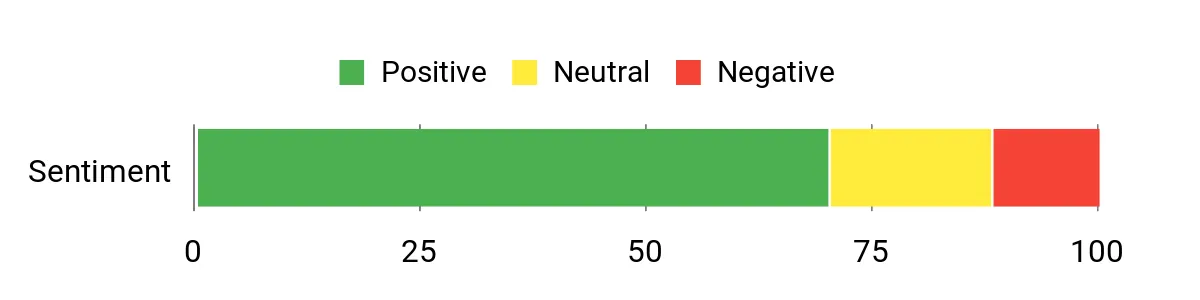
- Autotuning sonar reduces routine setup adjustments
- Wide-angle Broadband Sounder covers a broad area below the boat
- Compact 4.3-inch display suits tight consoles
- Simple menu structure helps first-time sonar users
- Linked package does not include mapping
- Small display limits detail compared with larger units
- Readings can suffer when the transducer is poorly positioned
4. Deeper Fishfinder START

Bottom line: Deeper Fishfinder START makes sense when you fish from shore, a dock or a kayak and do not want a fixed installation. You cast the sonar and use your phone as the display.
- Display: Fish Deeper phone or tablet app, no separate screen needed
- Sonar: Single beam at 120 kHz, 40° cone and up to 165-ft depth
- Navigation: No built-in GPS mapping on START, focused on live sonar
The START uses a single 120 kHz beam and can scan to a maximum depth of 165 feet under suitable conditions. Its wireless connection also reaches up to 165 feet, although actual range depends on the phone, operating system and environment.
Because the sensor is rechargeable and wireless, there is no transom mounting job or boat wiring. Battery life is rated for up to six hours, which suits casual sessions and makes the unit easy to move between shore, dock and small-craft trips.
The trade-off is phone dependence. Your phone provides the screen and connection, so bright sunlight, battery level and wireless conditions affect the experience. START also lacks the built-in GPS mapping features found on more advanced Deeper models.
Sentiment Snapshot
- Castable design works from banks and docks
- No transom mount or boat wiring required
- Up to six hours of rated battery life
- App shows live depth, bottom and fish information
- Relies on a phone for the display
- Wireless range depends on phone and conditions
- START does not provide built-in GPS depth mapping
5. Lucky FF718
Bottom line: The source roundup positions the Lucky FF718 as a basic depth and fish indicator, but the existing Amazon link does not identify one exact FF718 variant. Treat it as a model family reference until you confirm the specific listing.
- Display: Exact FF718 variant not verified
- Sonar: Exact FF718 variant not verified
- Navigation: Exact FF718 variant not verified
The original article used this pick for readers who mainly need basic depth and fish indication. That use case is still preserved here, but model-specific specifications have not been added because LUCKYLAKER currently sells several FF718-branded versions.
The existing Amazon href is a generic search link rather than an exact product page. Before buying, confirm the full model suffix, transducer type, display, power setup and included accessories on the listing you actually open.
- Source article positions it for basic depth indication
- Source article positions it for basic fish indication
- Existing link preserves the original budget-pick placement
- Existing Amazon link does not identify an exact ASIN
- FF718 name is used across multiple manufacturer variants
- Variant-specific specifications cannot be confirmed from the current link
Garmin STRIKER Plus 4 vs Lowrance HOOK² 4x: Is the Upgrade Worth It?
The choice comes down to navigation versus simplicity. Garmin adds built-in GPS and Quickdraw Contours, while the linked Lowrance package stays focused on compact, autotuning sonar.
- Navigation: Garmin marks waypoints and creates Quickdraw contour maps; this Lowrance package does not.
- Sonar controls: Lowrance emphasizes autotuning; Garmin gives you traditional CHIRP plus navigation tools.
- Best fit: Garmin suits repeat trips and mapping; Lowrance suits simple depth-and-fish finding.
Which Fish Finder Should You Buy?
- You want mapping and waypoints: get the Garmin STRIKER Plus 4.
- You want structure-focused Down Imaging: get the Humminbird PiranhaMAX 4 DI.
- You want simple mounted sonar: get the Lowrance HOOK² 4x with Bullet Skimmer.
- You fish mainly from shore or docks: get the Deeper Fishfinder START.
Customer Preferences
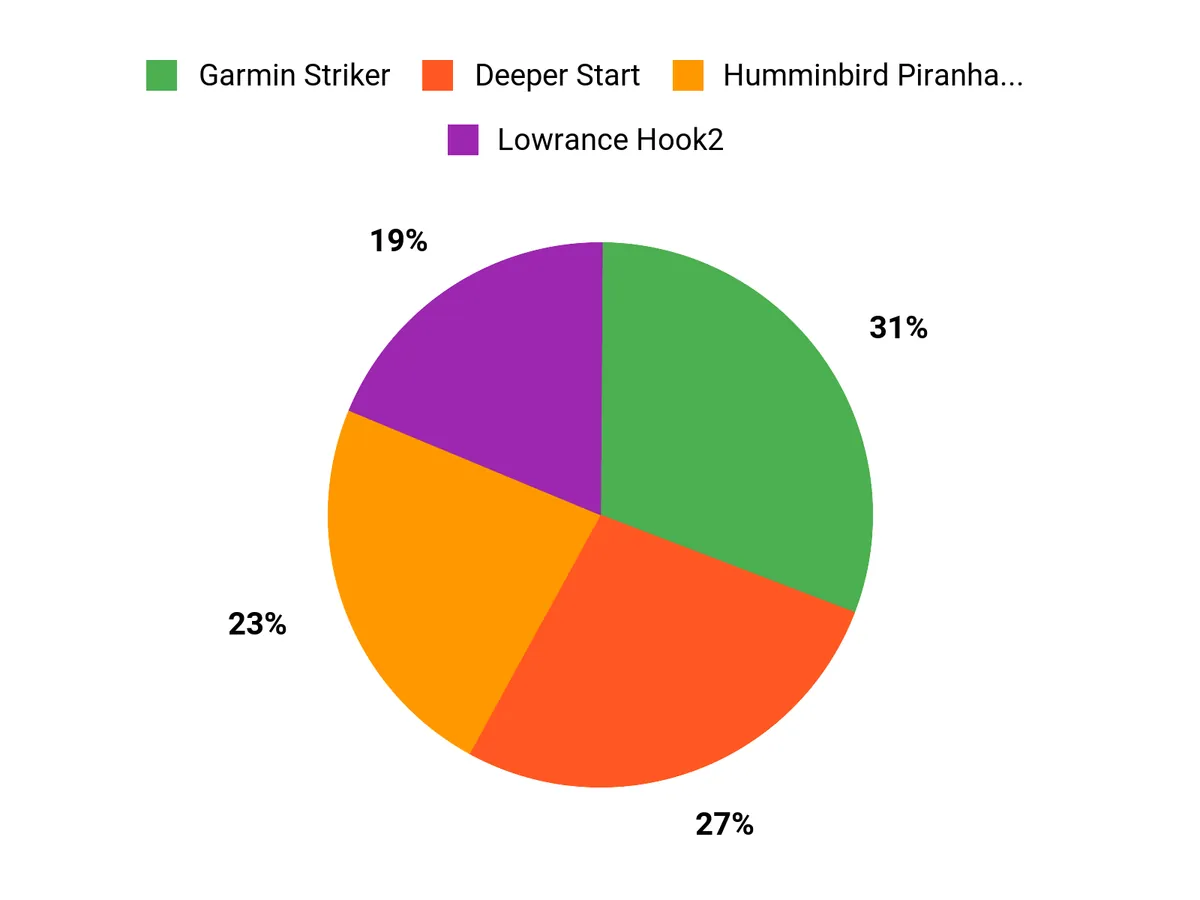
Your best match depends on the view and platform you use most. Mapping and waypoints favor the Garmin, Down Imaging favors the Humminbird, simple automatic tuning favors the Lowrance, and shore portability favors the Deeper START. If you are considering the Lucky FF718, confirm the exact variant before comparing specifications.
How We Chose
- Sonar type: We compared traditional CHIRP, Down Imaging, broadband sonar and castable single-beam approaches.
- Display and platform: We considered screen size, phone dependence, kayak fit, small-boat mounting and shore use.
- Navigation: We separated true GPS and mapping features from sonar-only models.
- Setup: We checked included transducers, mounting approach, power needs and portability.
- Verification: Current manufacturer specifications, linked-model identity, safety searches and corroborated owner trends were prioritized over marketing summaries.
How to Choose a Budget Fish Finder
Sonar Type: Traditional, CHIRP or Down Imaging
Traditional sonar is the general-purpose view most anglers learn first. CHIRP varies frequencies through a sweep and can improve target separation, while Down Imaging emphasizes structure directly below the boat. Choose the view you will actually use: Garmin STRIKER Plus 4 for traditional CHIRP or Humminbird PiranhaMAX 4 DI when Down Imaging is the priority.
Display Size and Sunlight Readability
A compact display saves space on a kayak or small console, but it also shows less information at once. A dedicated marine screen is usually easier to leave mounted and powered for a full trip. A phone-based system saves hardware space, but glare, phone battery life and notifications become part of the setup.
GPS, Waypoints and Mapping
Do not assume every fish finder includes GPS. If you want to mark a brush pile, return to a drop-off or create contour maps, verify those functions on the exact model. Garmin STRIKER Plus 4 includes GPS and Quickdraw Contours, while the Humminbird and linked Lowrance package are sonar-focused.
Mounting and Portability
Mounted units need a stable transducer location with clean water flow. That is straightforward on many small boats, but kayaks can require a dedicated mount or compatible transducer recess. If you do not want to install anything, Deeper Fishfinder START is castable and moves easily between shore, dock and kayak trips.
Power and Phone Dependence
Fixed fish finders normally need a wired marine power source, while castable units use an internal rechargeable battery. A phone-based fish finder also shifts display power to your phone. Think about how long you fish, how you will recharge, and whether you want your phone tied up as the primary sonar display.
Mistakes to Avoid When Buying a Fish Finder
- Assuming every model has GPS: check the exact SKU, because similar names can cover sonar-only and GPS versions.
- Ignoring the transducer: make sure the included sensor fits your hull, mount and fishing style.
- Buying by screen size alone: sonar type and navigation features usually matter more than a small size difference.
- Overlooking installation: poor transducer placement can create turbulence, noise and unreliable depth readings.
- Trusting a family name: verify the full model suffix when a brand sells several closely named variants.
FAQs
Which features matter most on a budget fish finder?
Focus first on the sonar view, display readability and the way you fish. Traditional CHIRP is useful for clear fish arches and general searching, while Down Imaging emphasizes structure below the boat. GPS and mapping matter if you revisit spots often. Also check the transducer, mounting method and power requirements before you buy.
Will these fish finders work on my boat or kayak?
Yes, the mounted units here are sized for kayaks and small boats when you have a suitable transducer location and power source. The Garmin, Humminbird and Lowrance models use mounted transducers. The Deeper START is different because it is castable and uses your phone, which also suits bank and dock fishing.
How do I improve fish finder performance and reduce bad readings?
Start with transducer placement. It needs clean water flow and should avoid turbulence from the hull, propeller and fittings. Keep wiring secure, use the correct sonar mode, and adjust sensitivity only when needed. If readings disappear while moving, inspect transducer height and angle before assuming the display itself is faulty.
Is CHIRP worth having on a budget fish finder?
CHIRP is useful when you want clearer traditional sonar returns across a range of frequencies rather than one fixed frequency. It can make fish arches and bottom separation easier to interpret. It is not the same as Down Imaging, so choose the sonar view that matches whether you value general fish finding or structure detail.
Do I need GPS on a fish finder?
You need GPS if you want to mark productive locations, track routes or return to structure without relying on landmarks. Built-in mapping adds another layer by helping you record or view contours. If you only need depth and sonar below the boat, a sonar-only unit can be simpler and less expensive.
Can I use a fish finder from shore?
Yes, but a normal transom-mounted fish finder is awkward from shore because its transducer is designed to stay in the water beside a boat. A castable unit is the practical option. You cast the sonar sensor, then read depth and structure on a phone as you retrieve it from the bank or dock.
Final Verdict: Best Budget Fish Finders
The Garmin STRIKER Plus 4 is the strongest all-around choice in this group because it combines traditional CHIRP sonar with useful GPS and Quickdraw mapping. The other verified picks make more sense when Down Imaging, simple mounted sonar or shore portability is the bigger priority.
For a simpler value-focused mounted option, compare the Lowrance HOOK² 4x with Bullet Skimmer. For Down Imaging, compare the Humminbird PiranhaMAX 4 DI.
Product Reference Table
| Product Name | Image | Rating | Screen Size | Display Type | Power Source | Maximum Depth |
|---|---|---|---|---|---|---|
| Garmin 010-01870-00 Striker Plus 4 with Dual-Beam Transducer Fishfinder |
|
See reviews on Amazon | 4.3 inches | QSVGA | Corded Electric | 20 meters |
| Humminbird PiranhaMAX 4 Fish Finder, Down Imaging 4-Inch Display |
|
See reviews on Amazon | 4.3 inches | Color TFT | Corded Electric | N/A |
| Lowrance Hook2-4x Bullet Skimmer |
|
See reviews on Amazon | 4.3 inches | N/A | N/A | N/A |
| Deeper Start Fish Finder – Portable |
|
See reviews on Amazon | N/A | Digital | Battery Powered | 50 meters |
