Disclosure: As an Amazon Associate, we earn from qualifying purchases. If you click a link on this page and make a purchase, we may receive a small commission at no extra cost to you.
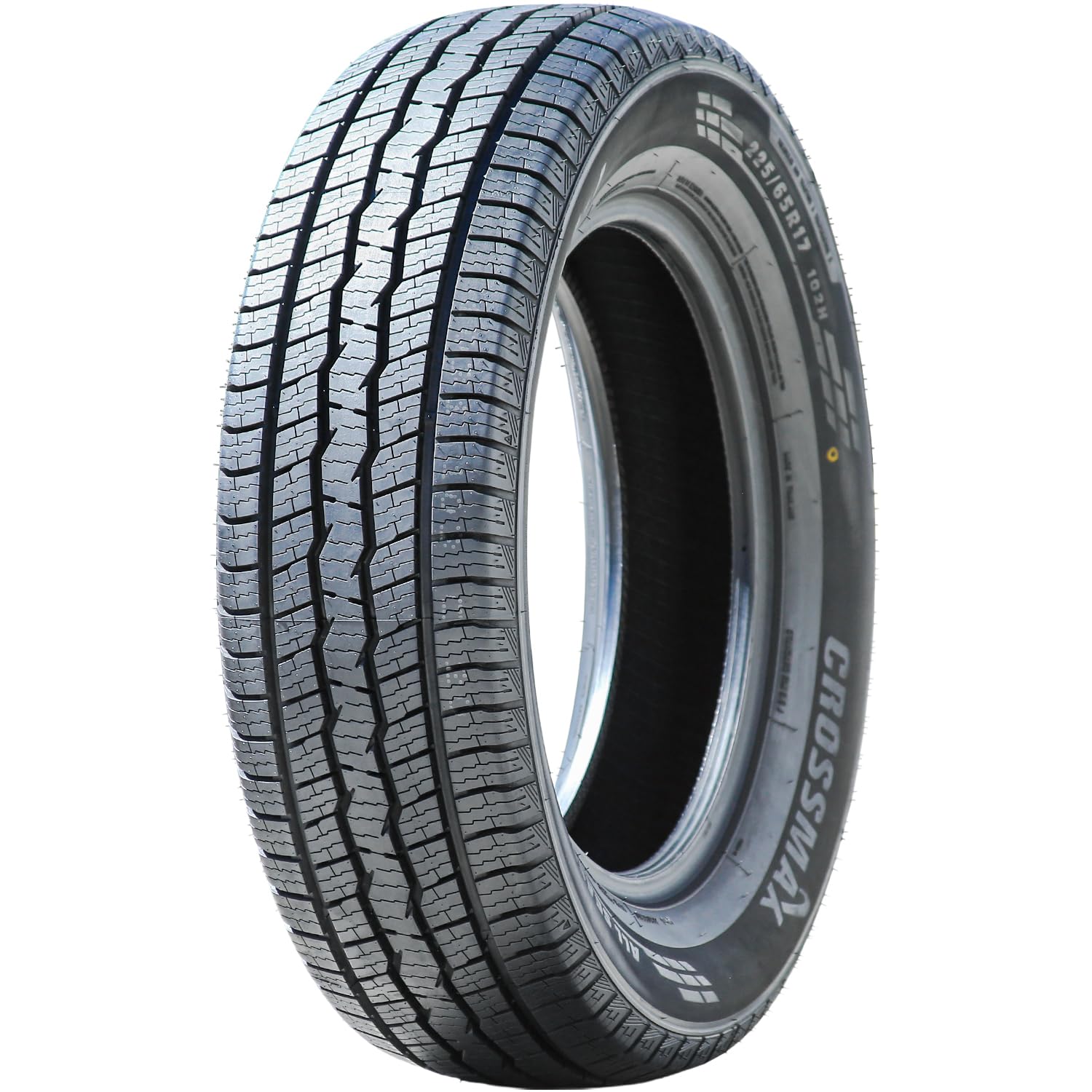
Replacing SUV tires involves more than matching the large size numbers on the sidewall. You also need the correct load capacity, speed rating, seasonal capability, and rim compatibility for your vehicle. The Crossmax CHTS-1 225/65R17 102H is a value-focused highway all-season tire designed for crossovers and SUVs, with an emphasis on low road noise and predictable everyday handling.
Its verified specifications and 60,000-mile limited treadwear warranty make it appealing for commuting and highway travel. Its main tradeoff is that it is an M+S all-season tire rather than a severe-snow-rated winter tire, and independent instrumented performance data is limited. This review explains the fitment details, tread design, warranty conditions, maintenance needs, and situations where a different tire may be a better choice.
At a Glance
Quick Verdict
Rating: 7.8/10, recommended with caveats
Best For: Budget-conscious crossover and SUV drivers who mainly commute or travel on paved roads
Bottom Line: The Crossmax CHTS-1 offers a quiet highway-focused tread, useful wet-road channels, and verified SUV fitment specifications at a value-oriented position. Choose something else for severe winter driving, regular off-road use, or vehicles requiring an XL, LT, or higher-load tire.
| Specification | Verified Detail |
|---|---|
| Brand | Crossmax |
| Model | CHTS-1 |
| Product type | Radial highway all-season tire for crossovers and SUVs |
| Tire size | 225/65R17 |
| Service description | 102H |
| Load range | SL, Standard Load |
| Maximum load | 1,874 pounds per tire at 44 psi maximum load pressure |
| Speed rating | H |
| Rim diameter | 17 inches |
| Approved rim-width range | 6 to 8 inches, measured specification based on a 6.5-inch rim |
| Overall diameter | Approximately 28.5 inches |
| Original tread depth | 11/32 inch |
| UTQG | 600 A B |
| Seasonal marking | All-season and M+S; no verified 3-Peak Mountain Snowflake marking |
| Sidewall | Black sidewall |
| Run-flat | No |
| Manufacturer part number | SUV-1702-HT-CS |
| Limited mileage warranty | 60,000 miles, subject to maintenance, time, ownership, and prorated-credit conditions |
| Package note | Tire only. Confirm the seller’s tire quantity, production date, and supplemental road-hazard terms before checkout. |
Key Takeaways
- The verified size is 225/65R17 with a 102H service description and Standard Load construction.
- Four circumferential grooves and tread siping are designed to move water and slush away from the contact area.
- A multi-pitch tread arrangement targets lower highway noise, which suits commuting and road trips.
- The 60,000-mile figure is a limited, prorated treadwear warranty with maintenance and documentation requirements.
- The tire carries an M+S marking but is not verified as having the 3-Peak Mountain Snowflake severe-snow symbol.
- It is not a run-flat, all-terrain, XL, or LT tire.
What Is the Crossmax CHTS-1?
The Crossmax CHTS-1 is a highway-terrain radial tire made for compatible crossovers, SUVs, and some light-duty vehicle applications. This reviewed version has a 225-millimeter nominal section width, a sidewall height equal to 65 percent of that width, radial construction, and a 17-inch wheel diameter.
Crossmax positions the CHTS-1 as an affordable everyday alternative to premium crossover touring tires. Its main features include four broad circumferential channels, tread siping, angled shoulder blocks, a silica-based compound, and a multi-pitch tread layout intended to balance wet traction, steering stability, rolling resistance, comfort, and noise.
This is a highway-focused product. It is better suited to paved commuting and family travel than deep snow, rock trails, mud, heavy commercial hauling, or other uses that call for a specialized tire.
Who Should Buy It?
Best For
- Drivers whose vehicle placard specifies 225/65R17 and allows a 102H Standard Load tire
- Daily commuters who value subdued highway noise and predictable paved-road manners
- Value-focused SUV or crossover owners willing to rotate tires and keep maintenance records
Skip If
- Your placard requires an XL, LT, higher-load, or different speed-rated tire
- You regularly drive through severe snow or ice and need a 3PMSF-rated tire
- You need aggressive off-road traction, reinforced all-terrain construction, or run-flat capability
Before You Buy: Matching 225/65R17 alone does not confirm safe fitment. Compare the complete size, load index, load range, speed rating, and inflation requirements with the placard inside your driver’s door or your owner’s manual. Also confirm whether the Amazon offer contains one tire or multiple tires.
Fit and Compatibility
The reviewed CHTS-1 fits a 17-inch wheel and has an approved rim-width range of 6 to 8 inches. Its published measurements use a 6.5-inch rim, which produces an overall diameter of about 28.5 inches. Actual mounted dimensions can vary slightly with rim width, manufacturing tolerances, inflation, and load.
The 102 load index is paired with a published maximum load of 1,874 pounds per tire at 44 psi. That 44 psi figure is a maximum-load reference, not an instruction to use 44 psi for everyday driving. Use the vehicle manufacturer’s recommended cold inflation pressure unless a qualified tire professional determines otherwise.
Do not assume this size fits every version of a vehicle such as a Honda CR-V, Toyota RAV4, Nissan Rogue, Mazda CX-5, Subaru Outback, or similar crossover. Tire specifications can change by model year, trim, drivetrain, factory wheel package, and axle. Verify your exact vehicle before installation.
Tread Design and Wet-Road Performance
The CHTS-1 uses a highway touring tread rather than an aggressive all-terrain pattern. Four broad circumferential grooves create paths for water to leave the footprint, while smaller sipes add edges that can support traction on damp pavement and in light seasonal conditions.
Angled shoulder blocks are intended to improve cornering grip and directional stability. The broad shoulder area also helps the tire maintain contact when steering through highway ramps and normal paved-road curves. These features support everyday control, but they do not prove that the tire will stop as quickly as a premium model in instrumented wet-braking tests.
The original article described the tread as directional. Verified manufacturer material instead presents a touring pattern with circumferential grooves and angled shoulder blocks, while detailed retailer data describes it as asymmetric. Follow the sidewall markings and the installer’s mounting guidance rather than assuming it requires directional rotation.
Highway Comfort and Noise
Noise control is one of the CHTS-1’s clearest design priorities. Its multi-pitch tread arrangement varies the spacing of tread elements so they do not all create the same sound frequency as the tire rolls. This is intended to reduce the repetitive hum that can become tiring during long highway drives.
The silica-based compound and highway construction also target a smoother ride than an aggressive all-terrain tire. You should still expect cabin noise to vary with pavement texture, vehicle insulation, wheel bearings, inflation, alignment, and tread wear.
As the tread ages, uneven wear can make almost any tire louder. Correct pressure, balancing, alignment, and regular rotation are therefore important for preserving the calmer ride that attracts buyers to this model.
Load Capacity, Speed Rating, and Daily Use
This version carries a 102H service description and an SL load-range marking. It is intended for normal passenger-vehicle and crossover duty when those specifications meet or exceed the vehicle manufacturer’s requirements.
The H rating describes the tire’s tested speed category under controlled conditions. It is not permission to exceed posted limits, vehicle limits, safe conditions, or the capabilities of the rest of the tire and wheel assembly.
Standard Load construction makes sense for commuting, passengers, groceries, luggage, and ordinary road trips within the vehicle’s rated capacity. It is not a direct substitute for an XL or LT tire used for heavier loads, demanding towing, commercial work, or severe terrain.
Tread Life and Warranty
Crossmax backs the CHTS-1 line with a 60,000-mile limited treadwear warranty. That number should be understood as conditional warranty coverage, not a guaranteed service life. Heat, alignment, inflation, driving style, road surfaces, vehicle condition, rotation frequency, and load all affect how quickly the 11/32-inch original tread wears.
The published warranty applies for up to five years from installation and provides prorated credit when an eligible tire wears evenly to its treadwear indicators before reaching the warranted mileage. The original purchaser must still own the vehicle, and the tires must remain on the vehicle on which they were installed.
Warranty eligibility also requires tire rotation and inspection by an authorized tire dealer every 5,000 miles, with receipts. Installation invoices, odometer records, tread photographs, and other documents may be required. Review the current Horizon Tire limited mileage warranty before relying on the coverage.
The standard mileage warranty excludes road-hazard damage such as punctures, cuts, impact breaks, and bruises. The Amazon title may reference supplemental road-hazard coverage, but you should confirm the applicable provider, term, registration process, and exclusions before purchase.
How It Performs in Real Use
For Daily Commuting
The highway tread, Standard Load construction, and noise-focused pitch arrangement suit routine paved-road travel. Steering should feel familiar rather than aggressive, making this model most relevant to drivers who want an affordable replacement tire without an off-road tread’s extra weight and noise.
For Highway Road Trips
The CHTS-1’s comfort-focused design is useful on long drives where steady tread noise can become tiring. Before a trip, check cold pressure, visible damage, tread depth, and load distribution. Do not use the maximum sidewall pressure as your default setting.
For Rainy Conditions
The four circumferential grooves and siping are designed to channel water and slush away from the footprint. You still need to reduce speed in standing water because no tread pattern can eliminate hydroplaning risk, especially as tread depth decreases.
For Light Seasonal Weather
The M+S marking and siped all-season tread can support occasional light snow use, but the tire is not verified with the 3-Peak Mountain Snowflake severe-snow symbol. Drivers who face frequent packed snow, steep icy roads, or prolonged freezing temperatures should compare dedicated winter or certified all-weather tires.
What Drivers Say
Available owner feedback commonly highlights a quiet ride, reasonable comfort, and reassuring behavior during normal wet and dry driving. Value is another frequent theme, especially among drivers replacing more expensive original-equipment tires.
Wear reports are less consistent. Some drivers are satisfied with long-term use, while others describe faster wear than expected. Because vehicle alignment, pressure, rotation, road surface, and driving style have a large effect on tire life, these reports should be treated as practical context rather than controlled testing.
Overall Sentiment: Positive, with tread-life caveats

Installation, Rotation, and Care Tips
Have the tires mounted and dynamically balanced by a qualified tire shop. The installer should inspect the wheels, valve stems, tire-pressure monitoring components, lug hardware, and mating surfaces before returning the vehicle to service.
Ask for an alignment inspection if your old tires show shoulder wear, feathering, cupping, or a large difference in tread depth from one side to the other. New tires will not correct worn suspension parts or poor alignment, and those problems can quickly damage a replacement set.
- Record the vehicle mileage on the installation invoice.
- Use the cold pressure listed on the vehicle placard, not a pressure copied from another vehicle.
- Rotate and inspect the tires every 5,000 miles to support even wear and warranty documentation.
- Recheck lug-nut torque according to the vehicle, wheel, and installer guidance.
- Check pressure and tread condition at least monthly and before long trips.
- Keep installation, alignment, balancing, rotation, and repair receipts.
Pro Tip: Photograph the vehicle odometer, installation invoice, and new tread condition on installation day. Save each 5,000-mile rotation receipt in the same folder so you have the records needed for a possible mileage-warranty claim.
Compatibility and Safety
Tires directly affect braking, steering, load support, and stability. Use the vehicle placard as your primary fitment reference and ask a qualified tire professional to confirm any substitution involving a different size, load range, speed rating, or wheel width.
This tire is not a run-flat. A puncture or pressure loss requires you to respond according to your vehicle and tire safety instructions. Do not continue driving on a visibly flat or severely underinflated tire unless the tire and vehicle are specifically designed for that use.
Inspect tread and pressure regularly. The National Highway Traffic Safety Administration’s tire guidance states that tires should be replaced when tread reaches 2/32 inch. Earlier replacement may be sensible when wet or winter traction is a priority.
For all-wheel-drive vehicles, differences in tire diameter and tread depth can affect the drivetrain. Follow the owner’s manual and installer guidance when deciding whether to replace one, two, or four tires.
Pros and Cons
Pros
- Multi-pitch touring tread is designed to reduce repetitive highway noise
- Four circumferential grooves and siping support water evacuation
- Verified 102H Standard Load specification for compatible crossovers and SUVs
- 60,000-mile limited treadwear coverage when all conditions are met
- Value-focused option for commuting and paved-road travel
Cons
- No verified 3PMSF severe-snow rating, so it is not the best choice for demanding winters
- The mileage warranty is prorated and requires documented 5,000-mile rotations
- Not suitable when your vehicle requires XL, LT, run-flat, or specialized off-road construction
Is It Worth the Price?
The Crossmax CHTS-1 belongs in the budget-to-value portion of the crossover and SUV tire market. It makes the most sense when you need a verified 225/65R17 102H Standard Load tire for ordinary paved-road use and prefer to spend less than you might on a premium touring model.
You receive a useful feature set for that position: a noise-focused tread layout, four water channels, M+S all-season capability, an 11/32-inch starting tread depth, and conditional 60,000-mile coverage. These details make it worth considering for commuting and family travel.
The value case weakens if you need independent premium-level wet-braking results, severe-snow certification, heavy-load construction, or simpler warranty requirements. Installation, balancing, disposal, alignment, and road-hazard coverage can also change the total cost, so compare the installed price rather than the tire price alone.
How It Compares to Alternatives
The Michelin Defender2 is available in the same 225/65R17 102H service description and is a stronger comparison for buyers who prioritize premium-brand support and longer mileage coverage. It usually occupies a higher price tier than the Crossmax.
The Continental CrossContact LX25 is another premium crossover and SUV touring option focused on wet braking, low noise, and tread life. Drivers who face more demanding winters should also compare certified all-weather models such as the General Altimax 365 AW or Michelin CrossClimate2, checking exact vehicle and size compatibility before buying.
The CHTS-1 makes the most sense when keeping the purchase cost controlled matters more than choosing a premium or severe-snow-certified alternative.
Why Drivers Choose the CHTS-1
Drivers mainly choose this tire for its combination of value, highway comfort, common crossover sizing, and an established limited mileage warranty. The tread design addresses normal commuting concerns without adding the aggressive blocks and increased noise associated with many all-terrain tires.
It is also a straightforward option when the vehicle already calls for 225/65R17 102H Standard Load tires. The decision becomes less straightforward when winter certification, heavy-load capability, off-road durability, or extensive independent testing is a priority.

Frequently Asked Questions
Will the Crossmax CHTS-1 225/65R17 fit my vehicle?
It fits only when the complete specification meets your vehicle’s requirements. Check the driver-door placard or owner’s manual for 225/65R17, then confirm that the 102 load index, H speed rating, Standard Load construction, and approved wheel width are suitable for your exact model year and trim.
What does 225/65R17 102H mean?
The tire has a nominal 225-millimeter section width, a sidewall height equal to 65 percent of that width, radial construction, and a 17-inch wheel diameter. The 102H portion identifies its load index and speed category.
Does the Amazon listing include one tire or a full set?
Do not assume a set is included. Tire listings can use photos showing a tire and wheel or mention several warranty benefits while still covering one tire. Confirm the quantity shown by the active seller before checkout, and remember that the wheel or rim is not included.
Is the Crossmax CHTS-1 good in snow?
It is an M+S all-season tire with siping and grooves that can support occasional light-snow use. It is not verified with the 3-Peak Mountain Snowflake severe-snow symbol, so a certified all-weather or dedicated winter tire is a safer comparison for frequent snow and ice.
Is this a directional tire?
Verified material describes a touring tread with circumferential grooves and angled shoulder blocks, while detailed retailer specifications describe an asymmetric tread. Do not treat it as directional unless the tire sidewall carries a rotation arrow. Follow the sidewall markings and installer guidance.
Will the tires really last 60,000 miles?
The 60,000-mile figure is a limited treadwear warranty rather than a guaranteed lifespan. Actual wear depends on pressure, alignment, rotation, vehicle condition, road surface, load, and driving style. Warranty claims require even wear and documented 5,000-mile rotations.
What tire pressure should I use?
Use the cold inflation pressure on your vehicle placard unless qualified guidance says otherwise. The published 44 psi figure relates to the tire’s maximum-load specification and should not be copied as the normal pressure for every vehicle.
Does the Crossmax 30-day ride guarantee apply to an Amazon purchase?
Crossmax’s published ride-guarantee terms state that online purchases are not eligible. The Amazon seller may offer separate return or road-hazard terms, so review the active listing and written coverage before purchasing.
The Bottom Line
The Crossmax CHTS-1 225/65R17 102H is a sensible value tire for compatible crossover and SUV drivers who spend most of their time commuting or traveling on paved roads. Its strongest points are its comfort-focused tread, verified fitment specifications, and conditional 60,000-mile coverage.
Skip it when you require severe-snow certification, XL or LT construction, run-flat capability, regular off-road traction, or a tire supported by extensive independent performance testing. For the right vehicle and use case, it earns a recommendation with clear fitment, winter, and warranty caveats.
Ready to Check the Listing?
Confirm the active seller, tire quantity, DOT production date, fitment, and coverage terms before you decide.