
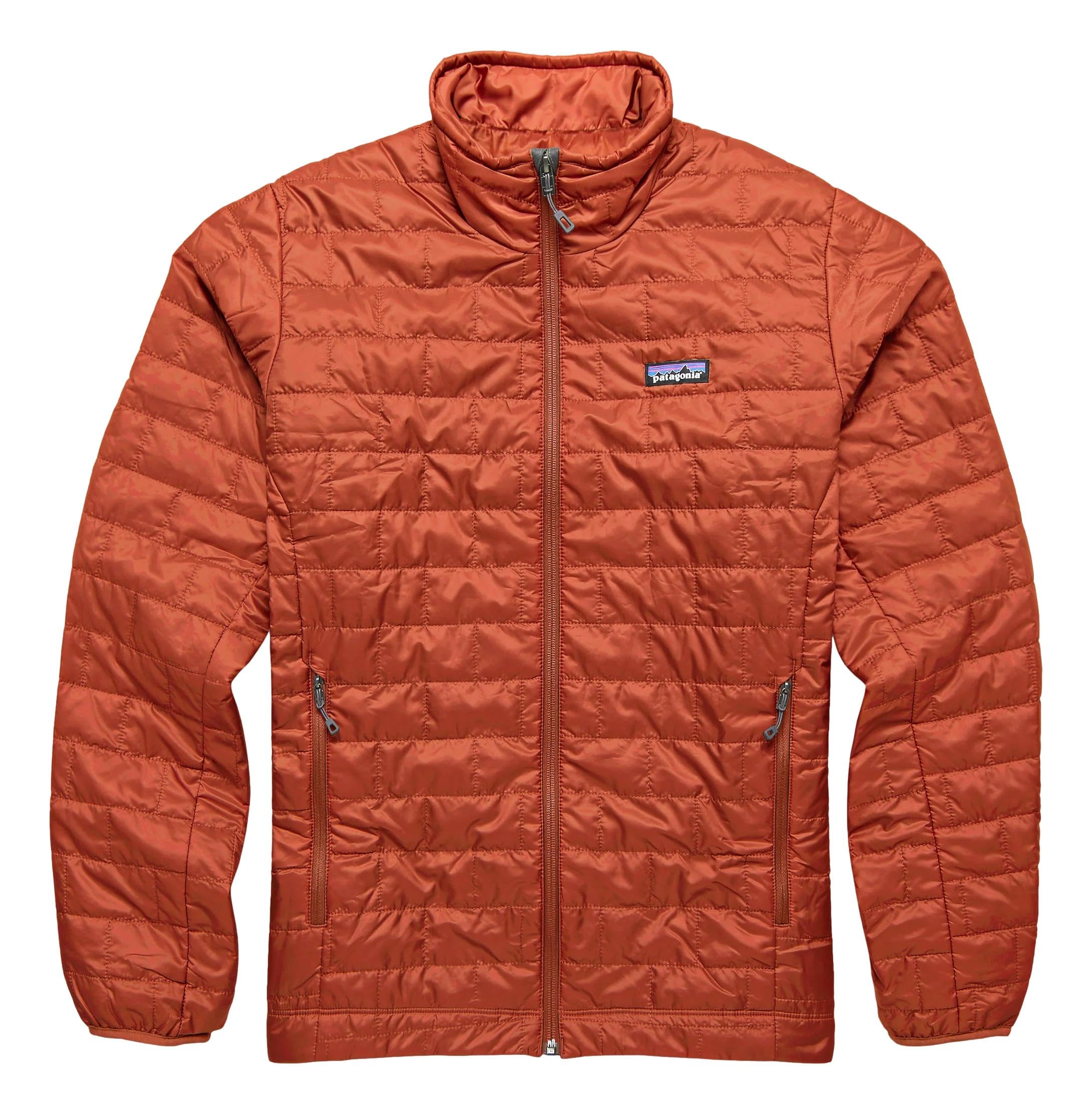
You want a winter jacket that adds useful warmth without filling your bag or feeling bulky. The Patagonia Men’s Nano Puff Jacket is a lightweight synthetic-insulated layer designed for commuting, travel, hiking, and everyday cold weather. Its strengths are packability, wind protection, and easy layering, but it is not a waterproof shell or an extreme-cold parka.
Last updated: July 13, 2026 · Reviewed by: Editorial Team
Affiliate disclosure: As an Amazon Associate I earn from qualifying purchases. This does not affect the information or recommendations in this review.
Quick Answer
The Patagonia Nano Puff is a strong choice when you want a light, packable jacket for cool-to-cold days and layered winter use. Its 60-g synthetic insulation stays useful in damp conditions, while the windproof, water-resistant shell handles light moisture. Choose a warmer parka for severe cold or long periods outdoors.
Key Takeaways
- Current Patagonia Style 84212 uses 60-g PrimaLoft Gold Insulation Eco made from 100% postconsumer recycled polyester.
- The jacket is windproof and water-resistant, but it is not a substitute for a waterproof rain shell.
- It weighs about 337 g (11.9 oz) and packs into its internal chest pocket.
- The regular fit works as a light outer layer or a midlayer beneath a shell.
- Patagonia currently instructs owners to machine wash warm and tumble dry low, not hand wash only.
Patagonia Nano Puff at a Glance
|
Feature |
Verdict |
|---|---|
|
Warmth |
Useful warmth for cool-to-cold conditions, active use, and winter layering. It has no fixed temperature rating. |
|
Packability and Weight |
Very packable at about 337 g (11.9 oz), with an internal chest pocket that doubles as a stuffsack. |
|
Weather Resistance |
Windproof and water-resistant for light moisture. Add a waterproof shell for steady rain or wet snow. |
|
Sustainability and Ethics |
Recycled shell, lining, and insulation, plus production in a Fair Trade Certified factory. |
|
Fit and Care |
Regular fit. Current care guidance is machine wash warm, tumble dry low, do not bleach, and do not iron. |
Note: This review uses the current specifications for Patagonia Style 84212. Older stock and marketplace listings may use earlier materials or care instructions, so compare the retailer description with the sewn-in garment label before buying or washing.
How This Review Was Evaluated
This review compares the article’s claims with Patagonia’s current product specifications, material details, care instructions, and Fair Trade information. It does not claim hands-on laboratory testing or a fixed comfort temperature. Warmth depends on your activity level, base layers, wind, moisture, and personal cold tolerance.
Warmth and Winter Performance
You get efficient warmth from 60-g PrimaLoft Gold Insulation Eco without the bulk of a heavy parka. Patagonia says the current insulation is made from 100% postconsumer recycled polyester and is designed to stay warm when wet. That makes the Nano Puff useful for variable weather, travel, and stop-and-go activities.
The jacket works best on cool-to-cold days, during active outdoor use, or as part of a layered winter system. It can handle everyday commuting, brisk walks, shoulder-season hiking, and indoor-to-outdoor travel well. It may feel too light when you stand still for long periods in severe cold.
Patagonia does not publish a fixed temperature rating for the Nano Puff. Avoid relying on a single temperature number because wind, humidity, pace, base layers, and individual comfort can change how warm it feels.
Pro Tip: Wear a moisture-managing base layer underneath and add a waterproof, wind-blocking shell over the Nano Puff when the forecast includes sustained rain, wet snow, or strong wind.
Weather Resistance and Breathability
The Nano Puff is windproof and water-resistant, according to Patagonia. Its recycled polyester shell has a durable water-repellent finish made without intentionally added PFAS, which helps shed light moisture. That protection is useful during brief drizzle, flurries, and damp commutes.
Water-resistant does not mean waterproof. The quilted construction, fabric, and zippers are not designed to replace a seam-sealed rain jacket. Pair it with a waterproof shell when you expect steady rain, wet snow, or long exposure.
The insulation is less breathable than an uninsulated wind shell or open-knit fleece. During hard uphill efforts, you may need to open the front zipper or switch to a more breathable active-insulation layer.
Packability, Pockets, and Everyday Use
At about 337 g (11.9 oz), the current Nano Puff is light enough for daypacks, carry-on bags, and daily commuting. One internal zippered chest pocket doubles as a stuffsack and includes a reinforced carabiner clip-in loop. Two zippered handwarmer pockets hold small essentials and help protect your hands from wind.
The drawcord-adjustable drop-tail hem helps seal in warmth, while the center zipper includes an interior storm flap and a chin garage. These small features make the jacket easier to wear as a stand-alone layer around town or beneath a larger shell outdoors.
Avoid storing the jacket tightly compressed for long periods. Letting the insulation recover between trips helps maintain loft and makes the jacket easier to inspect for small tears.
Fit, Sizing, and Layering
Patagonia lists the current Nano Puff as a regular-fit jacket. Your usual size should leave room for a base layer and light fleece, but fit can vary by body shape and by the season or production run. Check the current retailer measurements and Patagonia’s size guide before ordering.
Choose your normal size for a clean everyday fit over light layers. Consider sizing up when you regularly wear a thick sweater or bulky fleece underneath, especially if you prefer more shoulder and chest room. Make sure you can reach forward and raise your arms without the hem riding up sharply.
The trim, low-bulk construction also works under many rain shells and ski shells. Check that the outer shell has enough room to avoid compressing the insulation too tightly.
What People Say
Review totals and scores can change, so treat that figure as a dated snapshot and check the current manufacturer and retailer pages before buying.
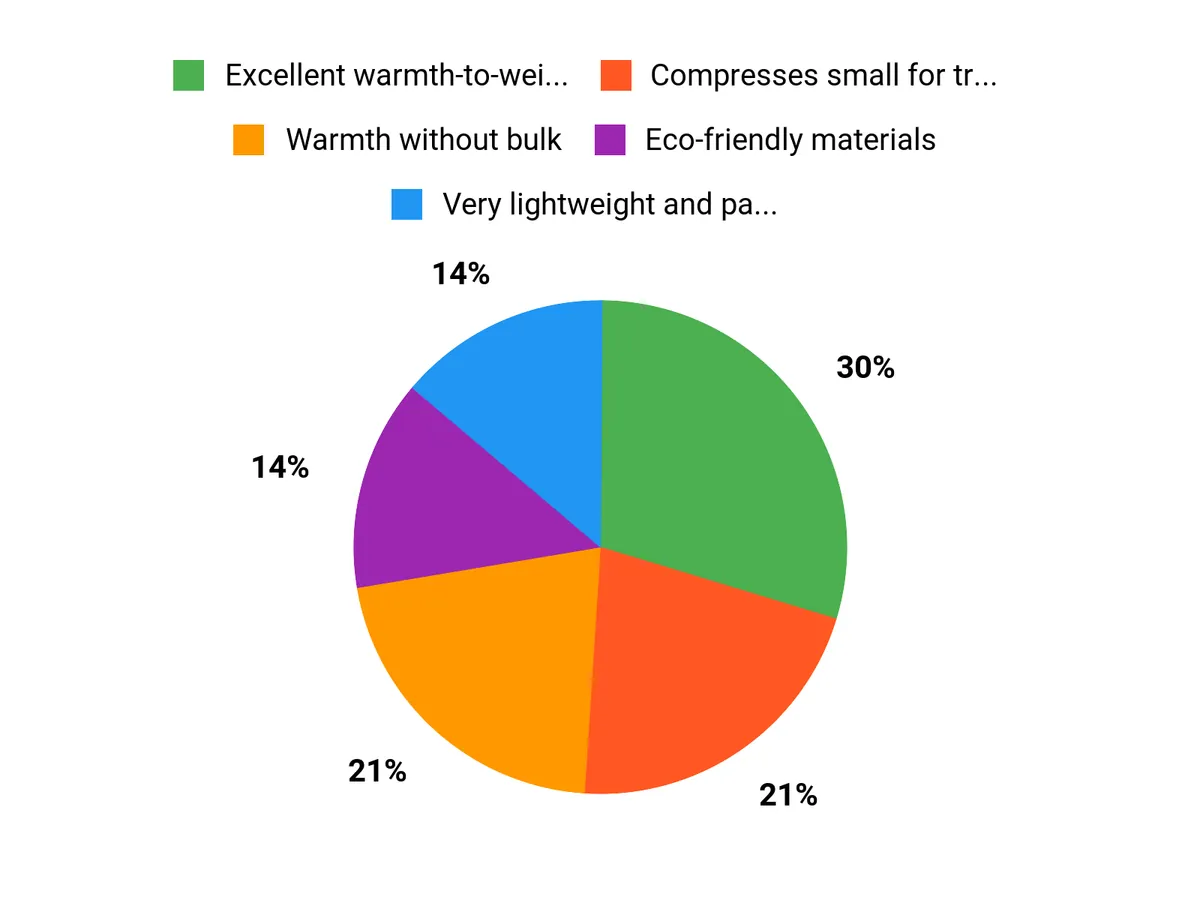
Common discussion points include the warmth-to-weight balance, low bulk, pocket design, fit, and weather protection. The most important limitation remains clear: this is a lightweight insulated jacket, not a waterproof shell or a maximum-warmth parka.
Overall Sentiment: Positive, based on the limited review snapshot shown at the time of this update.

The chart above is retained from the original article. Read it as a limited snapshot rather than a complete or permanent measure of customer satisfaction.
Pros and Cons
|
Pros |
Cons |
|---|---|
|
✅ Strong warmth-to-weight balance |
❌ Not waterproof for sustained rain |
|
✅ Packs into its internal chest pocket |
❌ Too light for severe cold when worn alone |
|
✅ Recycled shell, lining, and insulation |
❌ Thin shell needs care around sharp abrasion |
|
✅ Made in a Fair Trade Certified factory |
❌ Less breathable than a fleece during hard efforts |
|
✅ Regular fit works for outer-layer or midlayer use |
❌ Marketplace stock may use older seasonal specifications |
Durability and Care
The current jacket uses a 20-denier recycled polyester ripstop shell and a 22-denier recycled polyester lining. The lightweight fabric supports packability, but it is not as rugged as heavy workwear. Keep it away from sharp rock, thorns, rough straps, and open flame.
Patagonia’s current instructions for Style 84212 say to machine wash warm, do not bleach, tumble dry low, and do not iron. Follow the sewn-in care label if your jacket differs, because older versions or retailer stock may have different instructions.
Repair small holes before they spread or allow insulation to escape. Patagonia publishes repair guidance and offers a repair process through its Product Care and Repair program.
Brand Reputation and Responsible Materials
Patagonia states that the current Nano Puff shell and lining use 100% recycled polyester. Its 60-g PrimaLoft Gold Insulation Eco is also listed as 100% postconsumer recycled polyester and uses P.U.R.E. manufacturing technology.
The jacket is made in a Fair Trade Certified factory. Patagonia explains that it pays a premium on products made in participating factories, with the added money directed to a worker-controlled Community Development Fund.
Those programs do not make any garment impact-free. They do provide more specific sourcing and labor information than vague claims such as “eco-friendly.” Keeping the jacket in use, repairing damage, and washing it only when needed can also extend its useful life.
Who Should Buy It and Who Should Skip It
Buy the Nano Puff if:
- You want a light insulated jacket for commuting, travel, or everyday winter layering.
- You value packability and need a jacket that fits easily in a small bag.
- You often move between indoor and outdoor settings.
- You prefer synthetic insulation for damp or changeable conditions.
- You want a regular-fit midlayer that can sit beneath a waterproof shell.
Skip it if:
- You need a stand-alone parka for severe cold or long periods of inactivity.
- You expect heavy rain and do not plan to carry a waterproof shell.
- You need a highly breathable layer for intense uphill training.
- You need abrasion-resistant workwear for rough daily use.
- You want a loose fit for thick layers but do not want to size up.
Key Benefits
- Warmth without heavy bulk
- Low weight and easy packability
- Wind protection and resistance to light moisture
- Insulation that remains useful in damp conditions
- Recycled shell, lining, and insulation in the current version
- Fair Trade Certified factory production
- Versatile use as an outer layer or midlayer
Editorial verdict: The Nano Puff is a strong lightweight layering jacket for travel, daily wear, and variable cold weather. Its main limits are sustained rain, severe cold when worn alone, and high-output breathability.
Related Guides
Frequently Asked Questions
Is the Patagonia Nano Puff warm enough for winter?
It can be warm enough for everyday winter use, active outings, and layered systems, but Patagonia does not publish a fixed temperature rating. Your comfort depends on activity, wind, moisture, base layers, and cold tolerance. Choose a heavier parka for severe cold or long periods of standing still.
Is the Patagonia Nano Puff waterproof?
No. Patagonia describes it as windproof and water-resistant. The DWR-treated shell can shed light moisture, but the jacket is not a seam-sealed rain shell. Wear a waterproof shell over it during steady rain, wet snow, or prolonged exposure.
How should I size and layer with this jacket?
The current Nano Puff has a regular fit. Your normal size should work over a base layer and light fleece. Consider sizing up when you regularly wear bulky sweaters or thick fleece. Check current measurements and confirm that your outer shell does not compress the insulation too tightly.
How packable is the Nano Puff?
The current jacket weighs about 337 g (11.9 oz) and packs into its internal zippered chest pocket. A reinforced carabiner loop makes it easy to clip to a pack. Avoid leaving it tightly compressed for long-term storage.
How do I care for and maintain the jacket?
For current Patagonia Style 84212, the manufacturer says to machine wash warm, do not bleach, tumble dry low, and do not iron. Always follow the sewn-in care label on your specific jacket. Repair small tears promptly and use Patagonia’s repair guidance or service when needed.
Does the Nano Puff use recycled insulation?
Yes, the current Style 84212 uses 60-g PrimaLoft Gold Insulation Eco made from 100% postconsumer recycled polyester. Older product listings may still mention 55% recycled content, so confirm the exact version before purchase.
Why Choose This Jacket
You choose the Nano Puff when low weight, easy packing, and versatile layering matter more than maximum warmth. The current version combines 60-g recycled synthetic insulation with a windproof, water-resistant shell that can handle light moisture and damp conditions.
Its regular fit, pocket layout, adjustable hem, and packable design suit travel, commuting, hiking, and everyday wear. You should still add a waterproof shell for sustained precipitation and choose a heavier insulated coat for severe cold.
Sources
- Patagonia Men’s Nano Puff Jacket product page: current Style 84212 materials, insulation, fit, weight, pockets, weather protection, and care instructions.
- Patagonia Fair Trade program: how factory premiums and worker-controlled funds operate.
- Patagonia Product Care and Repair: repair guides, product care resources, and repair options.
- Amazon Associates Program Operating Agreement: required Amazon Associate identification statement.
- Federal Trade Commission Endorsement Guides FAQ: clear and conspicuous affiliate disclosure guidance.
Conclusion: Is the Patagonia Nano Puff Worth It?
The Patagonia Nano Puff is worth considering when you need a light, packable insulated jacket for daily winter wear, travel, hiking, and layered cold-weather systems. It provides a useful balance of warmth, wind protection, low bulk, and resistance to light moisture.
It is not the right tool for every condition. Choose a heavier parka for severe cold, a waterproof shell for sustained rain, or a more breathable layer for intense uphill activity. For versatile everyday use and compact packing, the Nano Puff remains a practical option.
This article contains affiliate links. As an Amazon Associate I earn from qualifying purchases.

