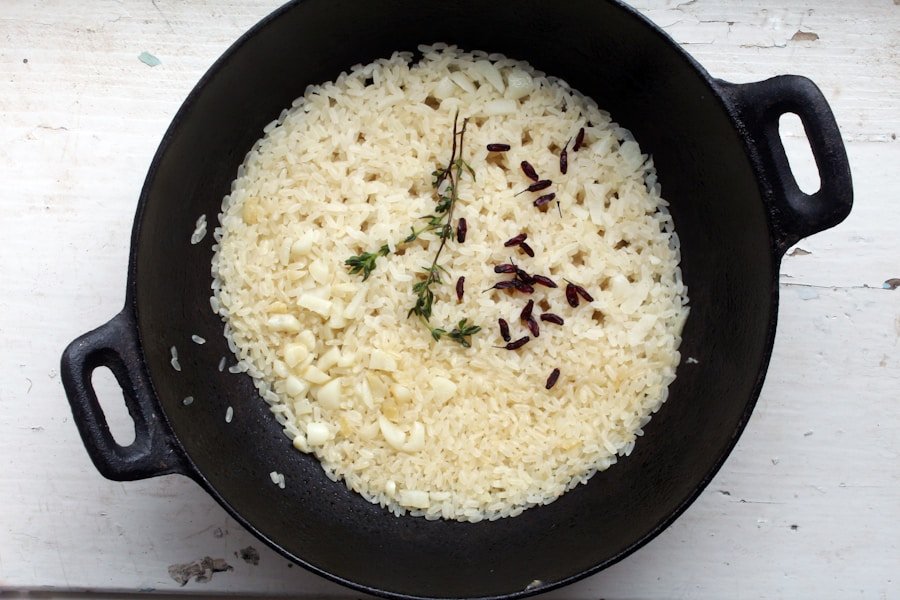
Selecting the right rice cooker and using the right rice-to-water method can make your rice lighter, fluffier, and more consistent. A good rice cooker handles the heat and timing for you, but your results still depend on rinsing the rice, choosing the right water ratio, letting the rice rest, and fluffing it gently before serving.
Quick Answer
To make fluffy rice in a rice cooker, rinse the rice until the water runs mostly clear, add the correct amount of water for your rice type, close the lid, and let the cooker finish the cycle. Rest the rice for 10 minutes, then fluff it with a fork or rice paddle.
Key Takeaways
- Choose a rice cooker with the right capacity, a non-stick inner pot, simple controls, and a keep-warm function.
- Different types of rice need different water ratios, so check your rice package and rice cooker manual when possible.
- Rinsing rice removes extra surface starch and helps prevent gummy or overly sticky results.
- Broth, garlic, ginger, herbs, spices, lime juice, and coconut milk can add more flavor before cooking.
- Let cooked rice rest before fluffing so steam finishes the texture evenly.
At a Glance
| Time Required | 20 to 45 minutes, depending on the rice type and cooker model |
| Difficulty | Easy |
| Tools Needed | Rice cooker, measuring cup, fine-mesh strainer or bowl, fork or rice paddle |
| Cost | Low, using rice, water, and optional seasonings you may already have |
Choosing the Right Rice Cooker
Selecting the ideal rice cooker can improve your daily cooking, especially if rice is a staple in your diet. You can choose from simple one-button models, compact cookers for small kitchens, and advanced multi-function cookers with settings for white rice, brown rice, porridge, steam, and slow cooking.
Start with capacity. For one person or a small household, a 3-cup rice cooker may be enough. Larger families, meal preppers, and anyone who entertains often may prefer a 5-cup, 8-cup, or 10-cup model. Think about how often you cook rice, how many people you serve, and whether you want leftovers for the next day.
Beyond size, look closely at features. Some rice cookers include fuzzy logic technology, which adjusts cooking time and temperature based on the type of rice and moisture level. This feature helps if you often cook jasmine, basmati, brown rice, sushi rice, or mixed grains. A steaming tray is also useful because it lets you steam vegetables, fish, dumplings, or eggs while the rice cooks.
A keep-warm function is another helpful feature. It keeps rice at a serving temperature after cooking, so you do not need to serve it right away. For best texture, avoid leaving rice on warm for too long because it can dry out or become crusty at the bottom.
Note: Many rice cooker measuring cups are smaller than a standard U.S. cup. Use the cup that came with your cooker when following the water markings inside the pot.
Understanding Different Types of Rice
Rice is a diverse grain with many varieties, and each type cooks a little differently. Long-grain rice, such as basmati and jasmine, is known for its light texture and fragrant aroma. These grains tend to stay more separate after cooking, which makes them a good choice for pilafs, curries, stir-fries, and side dishes.
Medium-grain rice, such as Arborio, releases more starch as it cooks. That starch gives risotto its creamy texture. Short-grain rice, such as sushi rice, is stickier and clumps together more easily, which makes it useful for sushi rolls, rice balls, and dishes where the rice needs to hold its shape.
Specialty rice can bring more color, texture, and nutrition to your meals. Black rice, sometimes called forbidden rice, has a deep color, chewy texture, and nutty flavor. Red rice keeps part of its bran layer, which gives it more fiber and a firmer bite. Brown rice also keeps its bran layer, so it usually needs more water and a longer cooking time than white rice.
Understanding these differences helps you choose the right rice for your dish. It also helps you avoid using the same water ratio for every variety, which is one of the most common reasons rice turns out too wet, too firm, or too sticky.
Preparing the Rice for Cooking

Proper preparation is one of the easiest ways to improve rice texture. Rinsing the rice before cooking removes excess surface starch, which can make cooked rice gummy or overly sticky. This step matters most for white rice, jasmine rice, basmati rice, and sushi rice.
To rinse rice, place it in a fine-mesh strainer or bowl and run cold water over it. Gently swirl the grains with your hand, drain the cloudy water, and repeat until the water looks mostly clear. It does not need to be perfectly transparent, but it should be much less cloudy than when you started.
Soaking the rice can also improve texture and reduce cooking time. Long-grain varieties like basmati often benefit from 20 to 30 minutes of soaking. Brown rice can also benefit from soaking, though it still needs a longer cook time than white rice. Short-grain rice usually needs less soaking because it naturally contains more starch.
After rinsing or soaking, drain the rice well. Extra water left in the bowl can throw off your rice-to-water ratio and lead to softer rice than you planned.
Pro Tip: For fluffier long-grain rice, drain it for a few minutes after rinsing. This helps you avoid adding hidden extra water to the cooker.
Rice-to-Water Ratios for Common Rice Types
Rice cooker results vary by model, so your cooker manual and rice package should be your first guide. Still, the ratios below give you a useful starting point when your cooker does not list a specific setting.
| Rice Type | Starting Water Ratio | Texture Notes |
|---|---|---|
| Long-grain white rice | 1 cup rice to 1 1/4 to 1 1/2 cups water | Light, separate grains |
| Jasmine rice | 1 cup rice to about 1 1/4 cups water | Soft, fragrant, slightly clingy |
| Basmati rice | 1 cup rice to 1 1/2 cups water | Long, fluffy grains after rinsing and soaking |
| Short-grain or sushi rice | 1 cup rice to 1 to 1 1/4 cups water | Tender and sticky |
| Brown rice | 1 cup rice to 1 3/4 to 2 cups water | Chewy texture and longer cook time |
If your rice turns out mushy, use slightly less water next time. If it turns out firm or dry, add a little more water. Make small adjustments, such as 1 to 2 tablespoons at a time, until the rice matches your preferred texture.
Adding Flavorful Ingredients to the Rice
| Flavorful Ingredients | Effect |
|---|---|
| Garlic | Enhances savory taste |
| Ginger | Provides a spicy and aromatic flavor |
| Cilantro | Brings a fresh and citrusy taste |
| Lime Juice | Adds a tangy and zesty flavor |
| Coconut Milk | Creates a creamy and tropical taste |
Enhancing the flavor of your rice can turn a simple side dish into a meal highlight. One of the easiest methods is cooking rice in broth instead of plain water. Chicken, vegetable, or beef broth can add depth and richness. Use low-sodium broth if you want better control over salt.
Aromatics also work well in a rice cooker. Garlic, onion, and ginger can create a fragrant base that matches many cuisines. For stronger flavor, sauté these ingredients in a little oil before adding the rinsed rice and liquid. If your rice cooker does not have a sauté function, you can do this step in a small pan first.
Herbs and spices give rice more personality. Bay leaves, thyme, cumin, turmeric, or saffron can add color and flavor. For a Mediterranean-style rice dish, add olives, sun-dried tomatoes, parsley, and lemon zest after cooking. For an Asian-inspired flavor, try a small amount of soy sauce, sesame oil, scallions, or ginger.
Coconut milk is another strong choice, especially for jasmine rice or sticky rice. Replace part of the water with coconut milk for a creamy texture and mild sweetness. Avoid replacing all the water with thick coconut milk because it may scorch or make the rice too heavy.
Cooking and Fluffing the Rice
Once you have prepared the rice and added any seasonings, place everything in the inner pot and close the lid. Select the correct setting if your cooker has options for white rice, brown rice, sushi rice, porridge, or mixed grains. If your model has only one button, press cook and let the appliance complete the cycle.
Avoid opening the lid while the rice cooks. Lifting the lid releases steam and can change the cooking temperature. That may leave the top layer too firm or make the cooker take longer to finish.
After the cooking cycle ends, let the rice rest for about 10 minutes with the lid closed. This resting time lets the remaining steam spread through the grains. It also helps the bottom and top layers even out in texture.
When the rice is ready, fluff it gently with a fork or rice paddle. Do not mash or press the grains. Lift and turn the rice lightly so steam can escape and the grains separate without breaking.
The 10-minute rest after cooking is one of the simplest ways to improve rice texture. It gives steam time to finish the job before you fluff and serve.
Troubleshooting Common Rice Cooker Issues

Even with careful preparation, rice cooker problems can still happen. One common issue is undercooked rice. If your rice is firm or crunchy, the cooker may not have had enough water, the lid may have opened too early, or the rice may need a longer setting. Add a small splash of hot water, close the lid, and let it steam for several more minutes.
Overcooked or mushy rice usually means you used too much water, skipped draining after rinsing, or left the rice on warm for too long. Next time, reduce the water slightly and fluff the rice soon after the resting period ends.
Sticking or burning at the bottom of the pot can happen when there is not enough water, the inner pot coating is worn, or flavorings with sugar settle at the bottom. Rinsing rice well can reduce sticking. A small amount of oil or butter can also help, especially with plain white rice.
If the cooker shuts off too soon, check that the inner pot sits flat on the heating plate. Food residue, dents, or moisture under the pot can interfere with heating. Wipe the base and outside of the inner pot before cooking.
Warning: Do not submerge the rice cooker base in water. The base contains electrical parts and should only be wiped with a damp cloth after it is unplugged and cool.
Cleaning and Maintaining Your Rice Cooker
Proper cleaning helps your rice cooker last longer and perform better. After each use, unplug the cooker and let it cool before cleaning. Remove the inner pot and wash it with warm soapy water and a soft sponge. Avoid steel wool, abrasive cleaners, or harsh scouring pads because they can damage the non-stick surface.
Wipe the exterior with a damp cloth to remove spills and splatters. Also check the inside heating plate for dried grains or residue. A clean heating plate helps the inner pot sit evenly, which supports better cooking results.
The steam vent also needs attention. If it becomes blocked, steam may not release properly. Remove the vent cover if your model allows it, then rinse or wipe it clean. Use a soft brush for small crevices, and make sure each part is fully dry before reassembling the cooker.
If your rice starts sticking more than usual, inspect the inner pot. A scratched or worn non-stick coating may cause rice to cling and burn. Replacing the inner pot may solve the issue without replacing the whole appliance.
Creative Rice Cooker Recipes
The versatility of a rice cooker goes far beyond plain rice. You can use it for simple side dishes, one-pot meals, breakfast grains, and even desserts. Once you understand water ratios and cooking settings, the rice cooker becomes one of the most useful tools in your kitchen.
One popular recipe is coconut sticky rice with mango. Cook glutinous rice with coconut milk and a little sugar, then serve it with fresh mango slices. This dessert is creamy, sweet, and simple enough for a weekend treat.
You can also make risotto-style rice without constant stirring. Start by sautéing onion and garlic in olive oil if your cooker has a sauté function. Add Arborio rice and broth, then cook until creamy. Stir in butter, Parmesan, mushrooms, peas, or herbs before serving.
For a savory one-pot meal, try jambalaya-style rice. Add sliced sausage, shrimp, bell peppers, onion, tomatoes, spices, and rice to the cooker. The rice absorbs the seasoned liquid while the proteins and vegetables cook together. Always make sure seafood and meat reach a safe cooked texture before serving.
Breakfast recipes work well too. Oatmeal, quinoa porridge, and rice porridge can all be made in many rice cookers. Adjust the liquid amount based on the grain, and use a larger cooker when making oatmeal because it can bubble up as it cooks.
If you’re looking to up your cooking game beyond perfecting fluffy rice, you may want to consider investing in one of the 5 Best Smart Meat Thermometers for Perfect Cooking. These handy gadgets can help ensure your meats are cooked to perfection every time, taking the guesswork out of grilling and roasting. With the right tools in your kitchen, you’ll be able to create delicious and healthy meals with ease.
Related Guides
Frequently Asked Questions
What is a rice cooker?
A rice cooker is a kitchen appliance used to cook rice with controlled heat and timing. Most models heat the rice and water until the water is absorbed, then switch to a warm setting after cooking.
How does a rice cooker work?
A rice cooker uses a heating element to bring water and rice to a boil. As the rice absorbs the water, the temperature changes, and the cooker either shuts off or switches to keep-warm mode.
How do I make fluffy rice in a rice cooker?
Rinse the rice until the water runs mostly clear, drain it well, add the correct amount of water, and cook with the lid closed. After the cycle ends, let the rice rest for about 10 minutes before fluffing it gently.
What type of rice is best for making fluffy rice in a rice cooker?
Long-grain white rice, jasmine rice, and basmati rice are good choices for fluffy rice. These varieties tend to cook into lighter, more separate grains when you rinse them well and use the right water ratio.
How much water should I use when making rice in a rice cooker?
The right amount depends on the rice type and cooker model. Many white rice varieties work well with about 1 to 1 1/2 cups of water per cup of rice, while brown rice usually needs more water and a longer cooking time.
Why is my rice sticky or gummy?
Rice often turns sticky or gummy when it has too much surface starch or too much water. Rinse the rice before cooking, drain it well, and reduce the water slightly next time if the texture is too soft.
Can I add seasonings before cooking rice?
Yes, you can add broth, salt, garlic, ginger, herbs, spices, or a small amount of oil before cooking. Add delicate herbs, lime juice, and fresh toppings after cooking for brighter flavor.
Sources
- USA Rice: How to Cook Rice — supports basic rice cooking methods and general preparation guidance.
- USDA AskUSDA: Cooked Rice Storage — supports food safety guidance for cooked rice handling and storage.
- FoodSafety.gov Cold Food Storage Chart — supports safe storage practices for cooked foods.
